
.jpg)
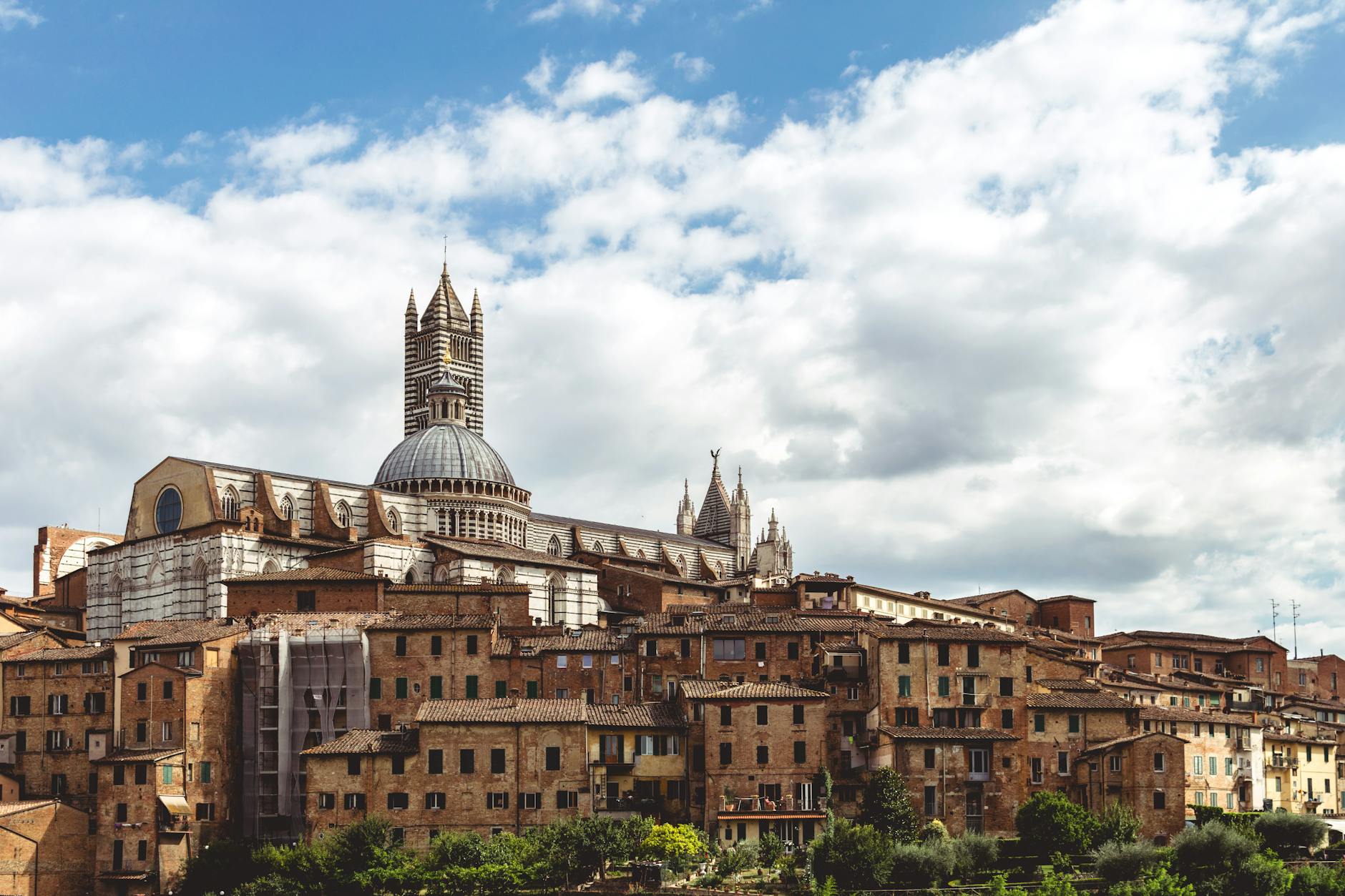
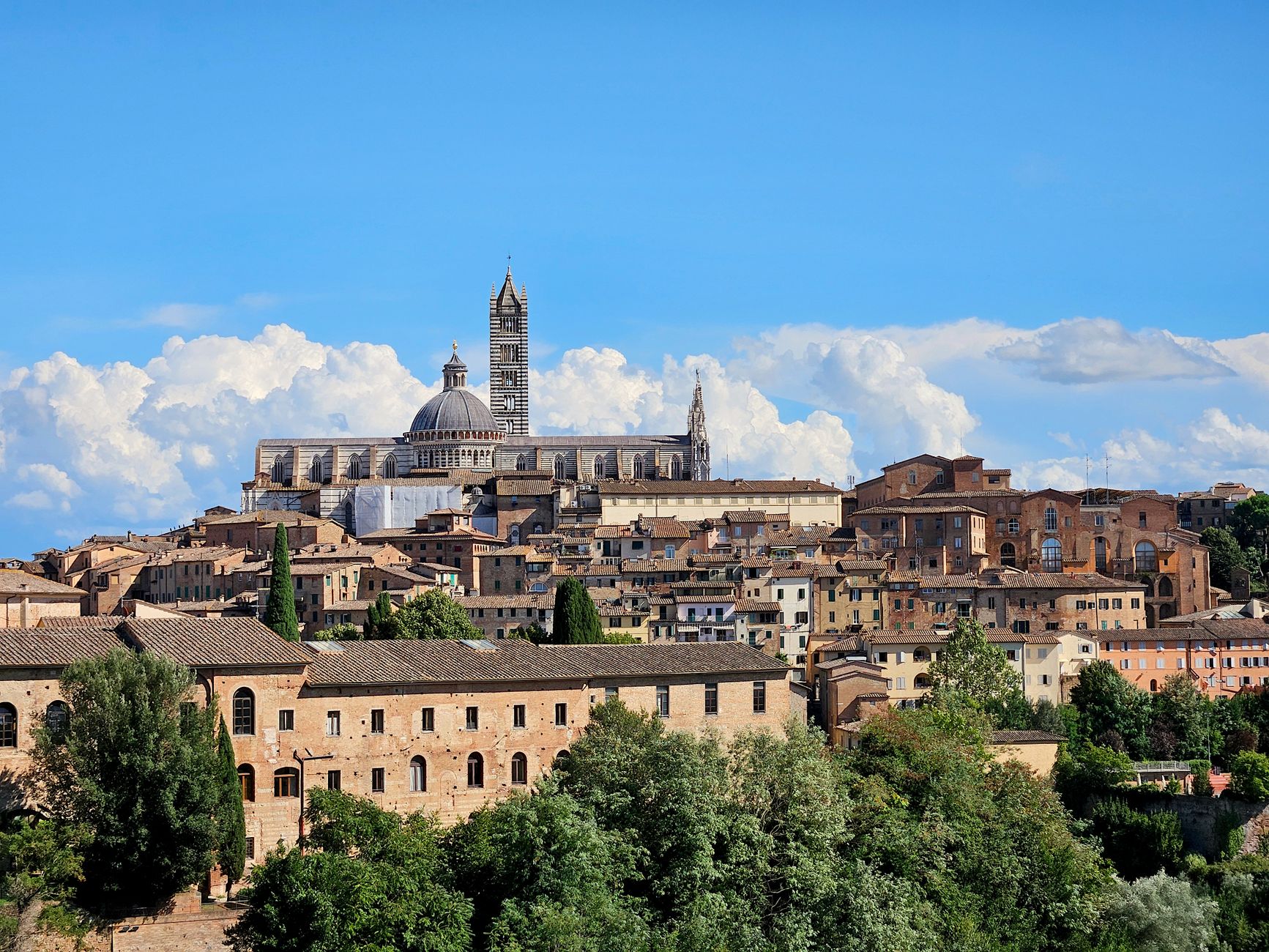
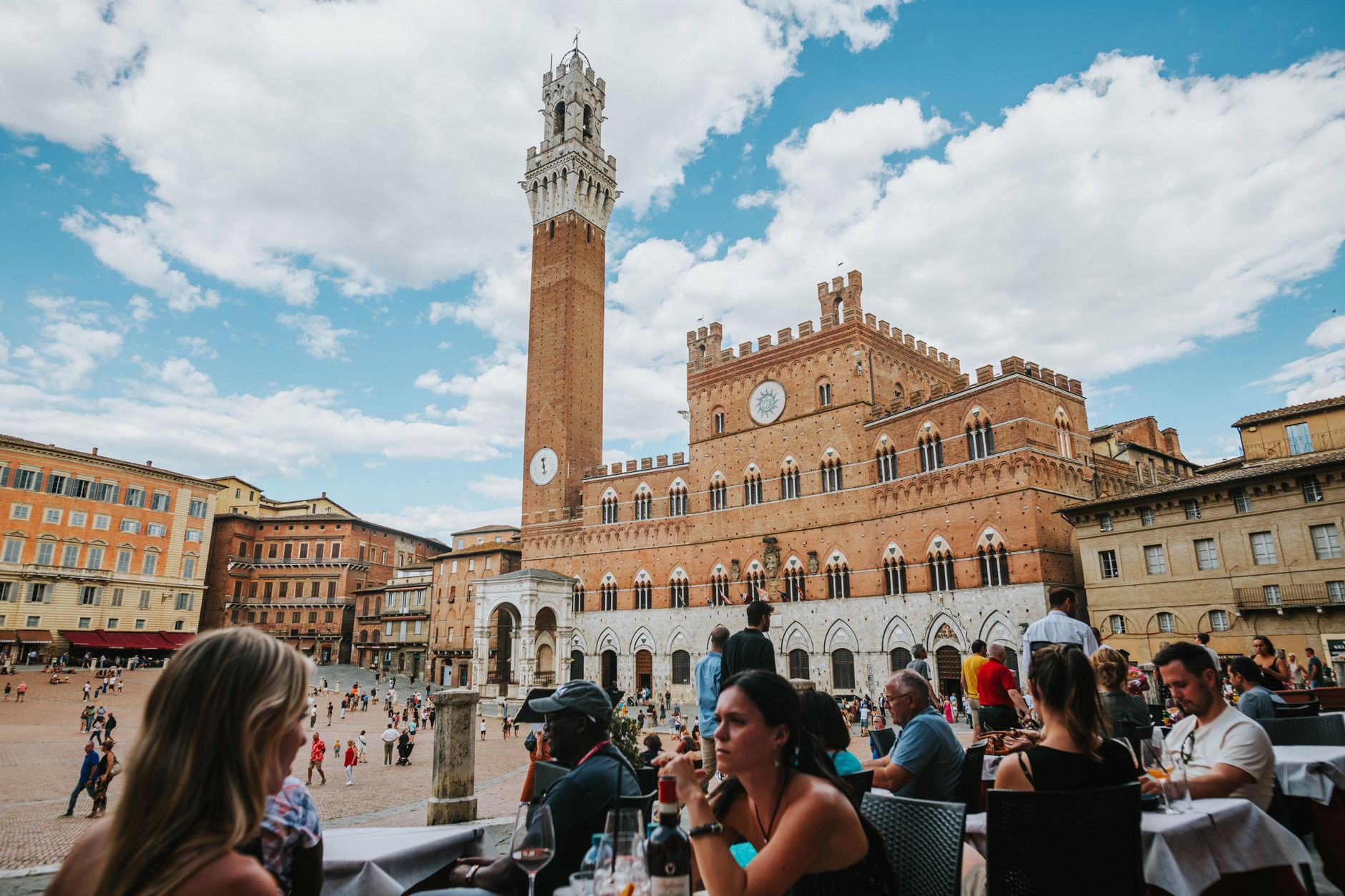

Red brick angles upward beneath your boots from the moment you leave the lower gates. Siena was built to defy Florence, and it still feels stubborn, dense, and remarkably vertical. You spill eventually into the curving amphitheatre of Piazza del Campo, where pigeons negotiate with waiters and the shadow of the Torre del Mangia stretches across nine segments of travertine. Come for the zebra-striped marble cathedral, stay for handmade pici rolled thick as rope.
Last updated 28 Aug 2026
Build a Siena itinerary.
Choose up to 4 threads that pull you in. Your plan arrives organised around them.
The Bed
Where to stay in Siena
Which part of town to book, and what each one costs you in walking, noise or quiet.
The Comparison
Siena, or somewhere near it
The places you are realistically choosing between, and the honest case for each.
The Local Record
Where to read more about Siena
The blogs, boards, guides and operators worth bookmarking.
What to do in Siena Tuscany Italy
Siena is a walking town carved into three ridge-top segments called terzi. Life gathers naturally in the sloped brick bowl of the Campo, where people sit on bare stone to talk while swallows dive overhead. Between the zebra-banded Duomo and neighborhood contrada fountains, it suits travellers who prefer climbing steep medieval flagstones and lingering over plates of wild boar ragù rather than checking off sprawling museum queues.
24 hours in Siena Tuscany Italy
Reserve an early slot for the Duomo interior to see the marble floor uncrowded. Walk through the Campo by midday, grab a stool for pici all'aglione near Via delle Campane, then climb the Torre del Mangia. Finish with a glass of Chianti Colli Senesi on the brick slope as evening sets. Select 1 Day above to see it.
2 days in Siena Tuscany Italy
Spend your morning inside the Palazzo Pubblico reading Lorenzetti’s frescoes, then lose yourself in the quiet alleys of the Onda or Oca contrade. Cross over to the Medici Fortress for a late afternoon stroll under the pines, followed by Cinta Senese salumi and pecorino in a cellar off Via di Camollia. Choose 2 Days to expand the plan.
3 days in Siena Tuscany Italy
With an extra day, head south into the chalk hills of the Crete Senesi or take the short drive out to the abbey of Sant'Antimo. Return to Siena before dusk for spiced panforte and ricciarelli at a quiet café table, enjoying the empty streets once the day-tour coaches depart.
Siena Tuscany Italy itineraries by interest
Sacred Architecture in Siena Tuscany Italy
The striped marble Duomo houses an inlaid pavement of fifty-six panels alongside Donatello bronzes and Pinturicchio frescoes in the Piccolomini Library.
Pasta & Grains in Siena Tuscany Italy
Order hand-rolled pici senesi tossed with wild boar ragù or aglione garlic sauce at back-alley trattorias off Via Camollia.
Local History in Siena Tuscany Italy
Seventeen rival contrade maintain their own fountains, chapels, and museums, culminating in the frantic bareback Palio horse race.
Wine & Vineyards in Siena Tuscany Italy
Pour Sangiovese from neighboring Chianti Colli Senesi and bold Brunello di Montalcino at enotecas tucked into medieval vaults.
Art Museums in Siena Tuscany Italy
Museo Civico displays Ambrogio Lorenzetti’s fourteenth-century Allegory of Good and Bad Government inside the Palazzo Pubblico.
Pastries & Sweets in Siena Tuscany Italy
Sample spiced medieval panforte packed with honey and almonds alongside chewy ricciarelli biscuits from bakeries like Nannini.
City Walks in Siena Tuscany Italy
Climb the steep spine of Via di Città and duck through covered alleyways into the quiet residential corners of the Tartuca ward.
Cured Meats in Siena Tuscany Italy
Savor salumi made from Cinta Senese, the heritage banded pig roasted with fennel pollen or sliced thin on unsalted Tuscan bread.
Scenic Viewpoints in Siena Tuscany Italy
Climb the Facciatone, the unfinished nave facade of the cathedral, for a clear view over terracotta rooftops and rolling Crete Senesi hills.
Day Trips in Siena Tuscany Italy
Ride south into the clay hills of the Val d'Orcia or explore the stone towers of San Gimignano, both under an hour by bus or car.
Markets & Produce in Siena Tuscany Italy
Browse the sprawling Wednesday morning market near Fortezza Medicea for sheep milk pecorino, porcini mushrooms, and fresh greens.
Historic Fortifications in Siena Tuscany Italy
Walk the high brick ramparts of the sixteenth-century Medici Fortress, now shaded by pines with an outdoor wine bar at its center.