Trieste.
.jpg)

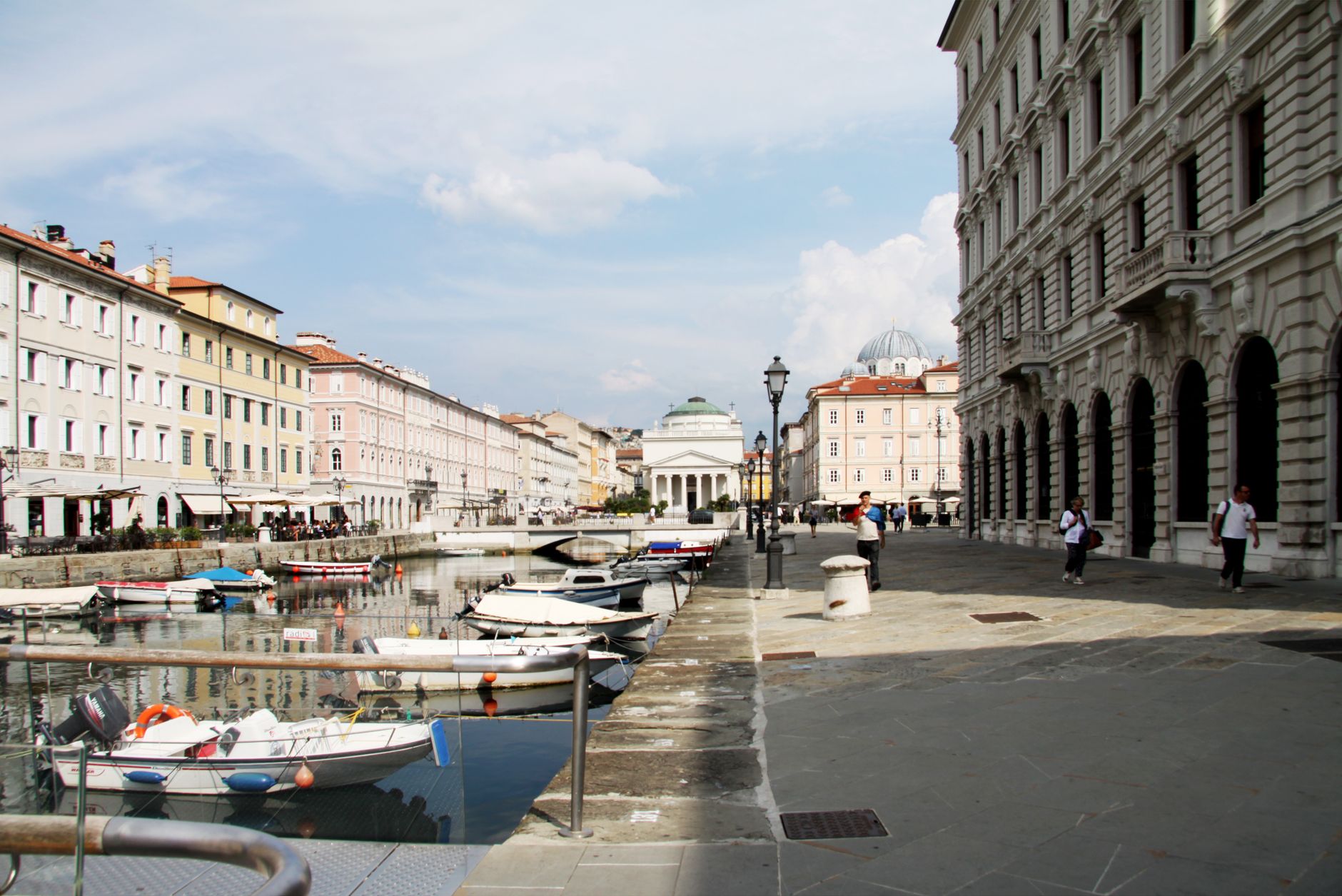

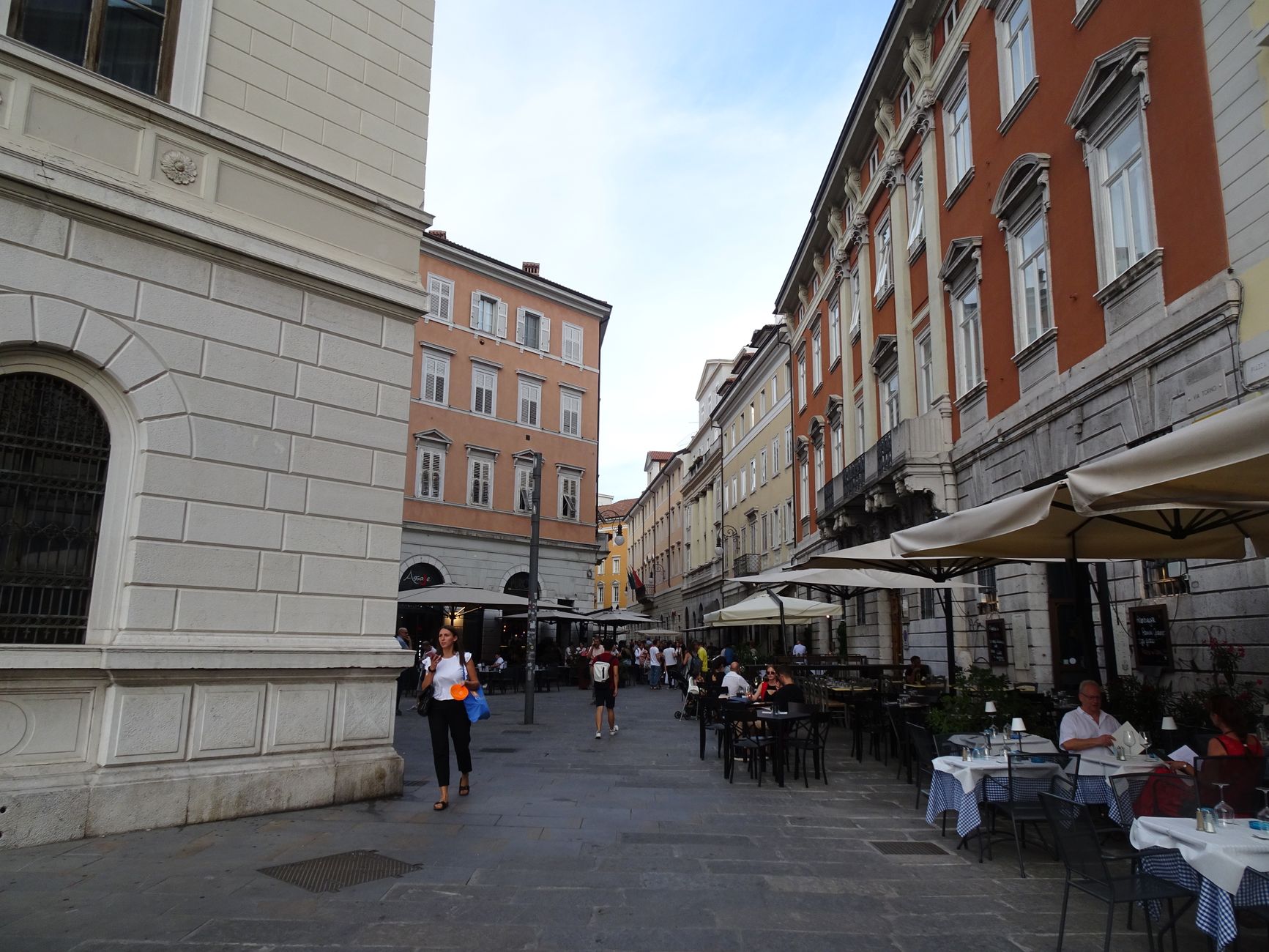
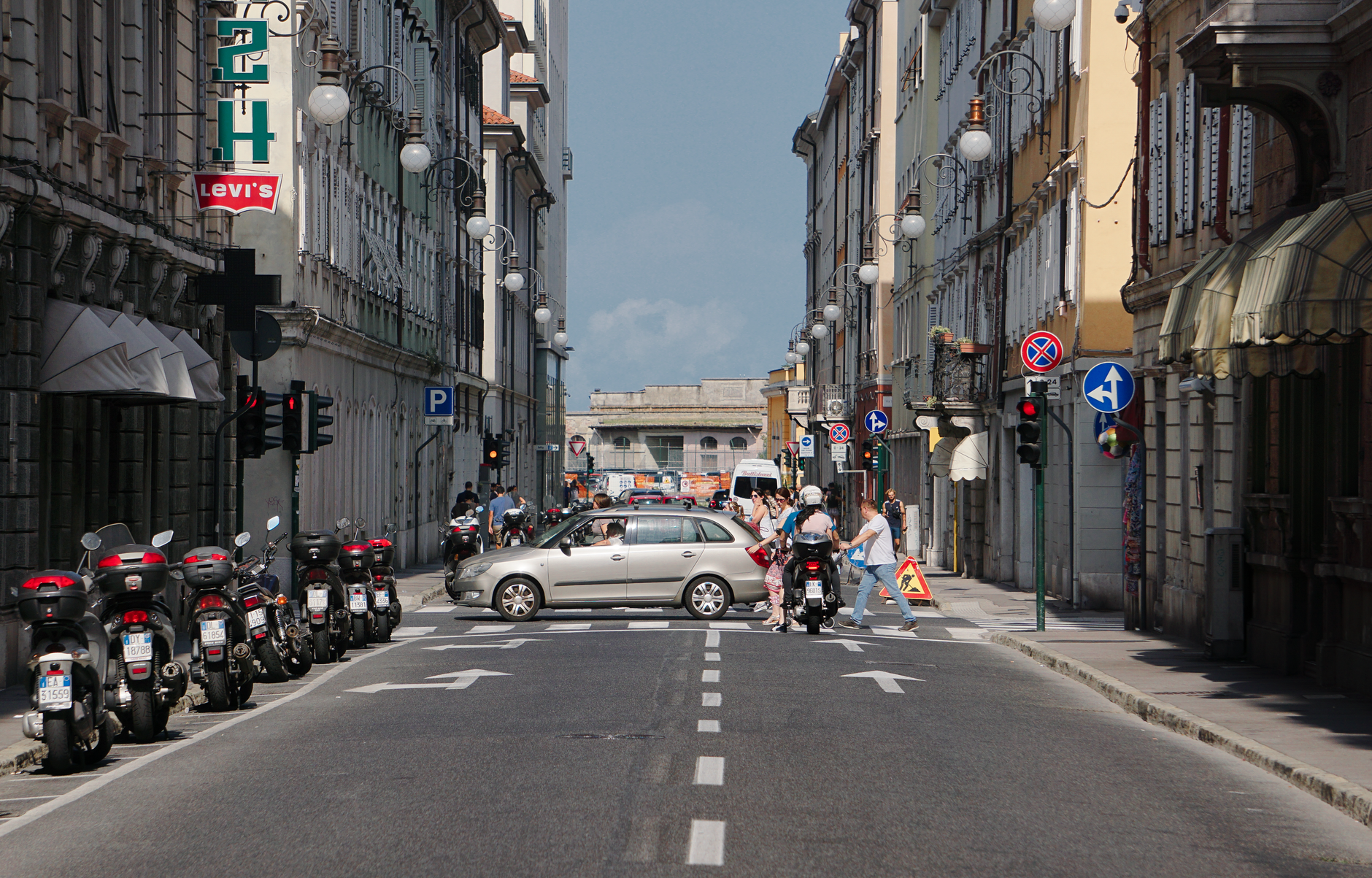
The wind arrives over the limestone plateau without warning, rattling the shutters before you have finished your first morning glass of coffee. Wedged between Slovenia and the northern Adriatic, this port belonged to the Habsburgs for five centuries, and it still wears their grand, stony composure. You walk along wide neoclassical quays, order a capo in b at the zinc counter, and eat boiled pork with hot grated horseradish at a corner buffet where no one cares what century it is.
Last updated 28 Aug 2026
Build a Trieste itinerary.
Choose up to 4 threads that pull you in. Your plan arrives organised around them.
The Bed
Where to stay in Trieste
Which part of town to book, and what each one costs you in walking, noise or quiet.
The Comparison
Trieste, or somewhere near it
The places you are realistically choosing between, and the honest case for each.
The Local Record
Where to read more about Trieste
The blogs, boards, guides and operators worth bookmarking.
What to do in Trieste Friuli-Venezia Giulia Italy
Trieste sits where Central Europe drops straight into the sea, organized in broad neoclassical blocks facing the Gulf. Life here revolves around coffee houses, seaside walks along the Molo Audace, and hearty lunches at working-class buffets. It suits curious walkers, literary travelers, and anyone who prefers brisk Adriatic air and layered history over standard Mediterranean sunbathing.
24 hours in Trieste Friuli-Venezia Giulia Italy
Start early with a glass of espresso on Piazza Unità d'Italia, then walk up San Giusto hill to inspect the cathedral. Eat boiled pork and sauerkraut for lunch at Buffet da Pepi in Cavana. Spend the afternoon strolling the Canal Grande before watching the sunset from the end of the Molo Audace pier, an easy fifteen-minute walk across town. Select 1 Day above to see it.
2 days in Trieste Friuli-Venezia Giulia Italy
Board bus number 6 along the Barcola coast to Miramare Castle, arriving when the gardens open at nine. In the afternoon, explore the old Jewish ghetto and the leafy avenues of Borgo Giuseppino. For dinner, sit down for fried sardoni and a cold caraffa of Vitovska at an unpretentious seafood trattoria near the fish market. Choose 2 Days to expand the plan.
3 days in Trieste Friuli-Venezia Giulia Italy
Head inland onto the limestone Carso plateau to explore the colossal Grotta Gigante. Follow the clifftop Rilke Trail between Sistiana and Duino, then hunt for an open osmiza, where local farmers hang an ivy branch over the door and serve home-cured ham, hard cheese, and sharp Terrano wine directly from their cellar.
Trieste Friuli-Venezia Giulia Italy itineraries by interest
Historic Cafes in Trieste Friuli-Venezia Giulia Italy
Order a capo in b at Caffe San Marco or Caffe degli Specchi, where writers debated politics over espresso and Sachertorte.
Pork & Buffets in Trieste Friuli-Venezia Giulia Italy
Stand at Buffet da Pepi for hot porcina, tender tongue, and crusty rolls slathered with freshly grated horseradish and mustard.
Local Seafood in Trieste Friuli-Venezia Giulia Italy
Head to Barcola for grilled sardoni impanai, stewed cuttlefish with white polenta, and tiny clams tossed with garlic and parsley.
Wine & Vineyards in Trieste Friuli-Venezia Giulia Italy
Seek out rustic osmize farmsteads in the Carso plateau for dry, skin-contact Vitovska and iron-rich Terrano poured from unmarked jugs.
Maritime History in Trieste Friuli-Venezia Giulia Italy
Walk the long Molo Audace pier and explore the massive Porto Vecchio warehouses that once fueled the entire Austro-Hungarian trade empire.
Castles & Palaces in Trieste Friuli-Venezia Giulia Italy
Tour white-stone Miramare Castle, perched directly over the waves, and the 15th-century ramparts of Castello di San Giusto above town.
Coastal Walks in Trieste Friuli-Venezia Giulia Italy
Take the elevated Rilke Trail from Duino along white limestone sea cliffs, following the breezy coastline high above the Gulf of Trieste.
Sacred Architecture in Trieste Friuli-Venezia Giulia Italy
Visit the 14th-century San Giusto Cathedral with its Byzantine mosaics, alongside the monumental 1912 Tempio Israelitico synagogue.
Literary Trails in Trieste Friuli-Venezia Giulia Italy
Trace the footsteps of James Joyce and Italo Svevo past bronze street statues, the Canal Grande, and dusty antiquarian bookshops.
Caves & Karst in Trieste Friuli-Venezia Giulia Italy
Descend 500 steps into Grotta Gigante, a colossal subterranean cavern hollowed out of the ancient limestone plateau.
Neighbourhood Strolls in Trieste Friuli-Venezia Giulia Italy
Wander the grid of the Borgo Teresiano, crossing pedestrian bridges over the canal before climbing the quiet alleys of Cavana.
Local Markets in Trieste Friuli-Venezia Giulia Italy
Browse the stalls at Mercato Coperto on Via Carducci for Montasio cheese, cured prosciutto crudo di San Daniele, and seasonal fruit.