Valle de Guadalupe.
.jpg)

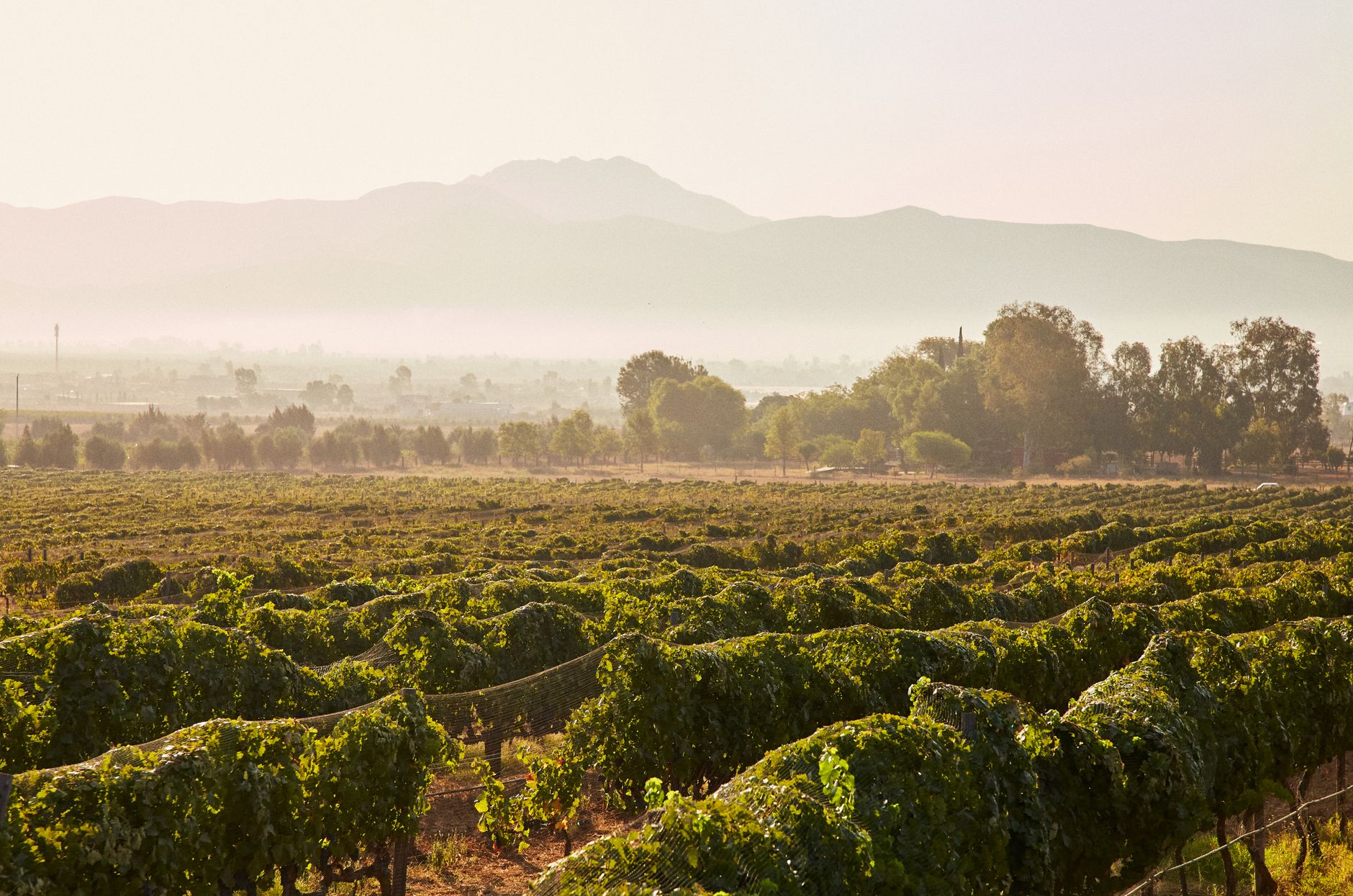
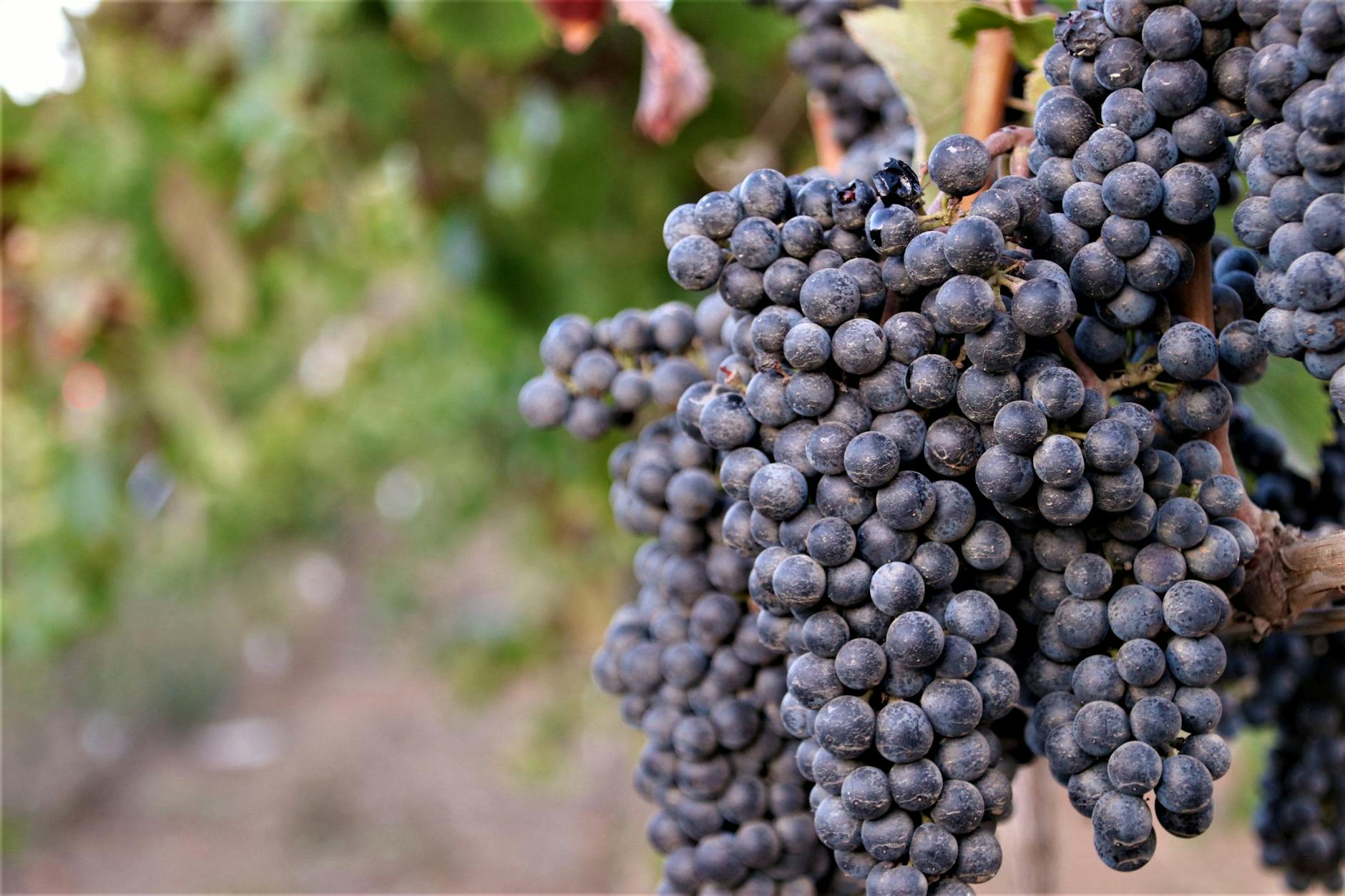

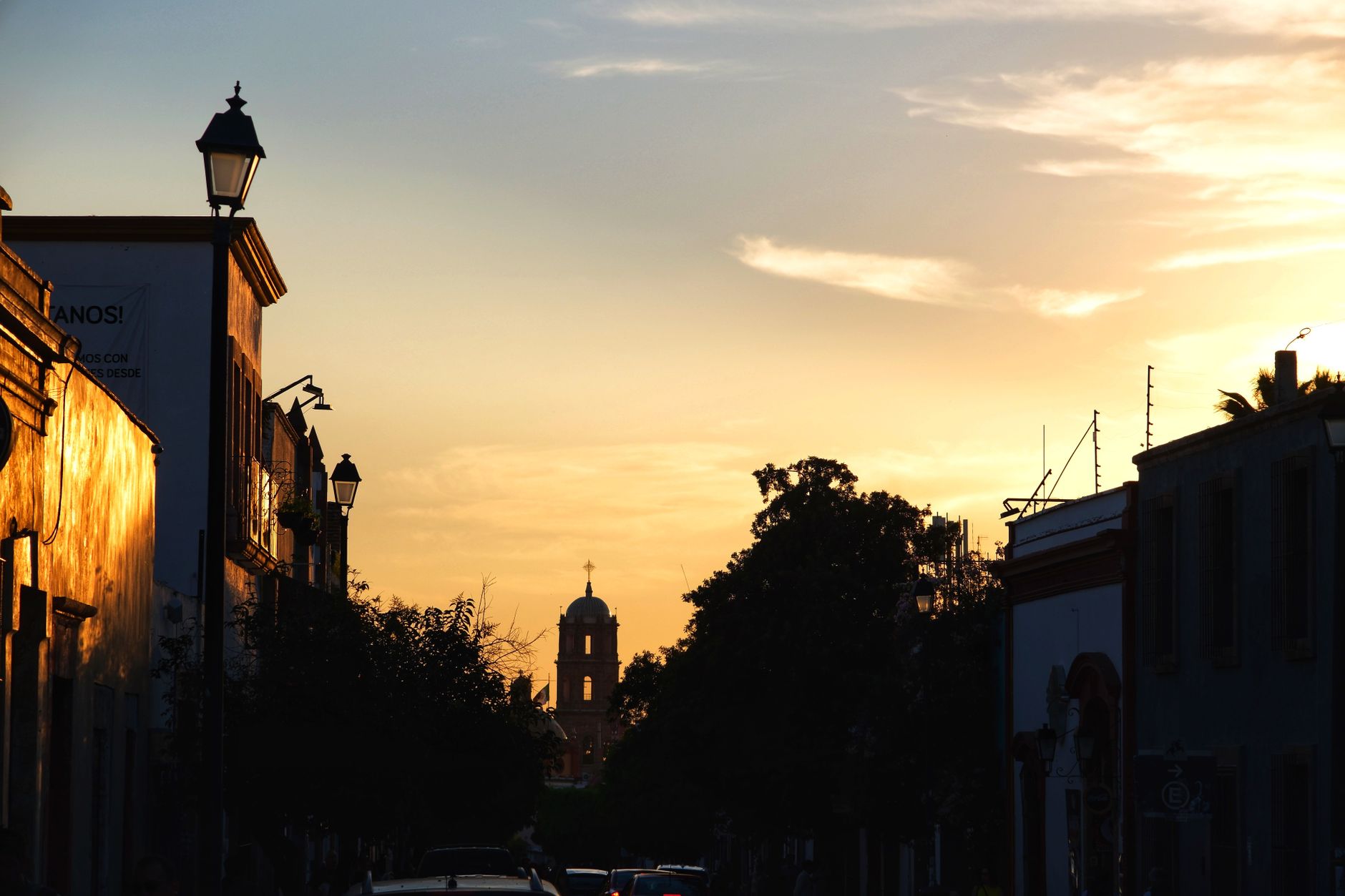
Sitting ninety minutes south of the San Diego border and forty minutes east of Ensenada, Valle de Guadalupe is Mexico’s premier wine region, defined by granite hills, unpaved ranch tracks, and wood-fired outdoor kitchens. Valle de Guadalupe is worth visiting if you want to drink Mexican Nebbiolo at farm tables and eat Pacific seafood roasted over mesquite coals. Look elsewhere if you expect paved, walkable town centres, public transit, or lively after-midnight cocktail bars.
Last updated 13 Oct 2026
Build a Valle de Guadalupe itinerary.
Choose up to 4 threads that pull you in. Your plan arrives organised around them.
The Bed
Where to stay in Valle de Guadalupe
Which part of town to book, and what each one costs you in walking, noise or quiet.
The Comparison
Valle de Guadalupe, or somewhere near it
The places you are realistically choosing between, and the honest case for each.
The Local Record
Where to read more about Valle de Guadalupe
The blogs, boards, guides and operators worth bookmarking.
What to do in Valle de Guadalupe Baja California Mexico
The valley is shaped by dirt roads connecting working vineyards, outdoor farm kitchens, and olive orchards. Days naturally follow the rhythm of lunch, lingering over wood-smoke grills and dry red blends before the desert cools down at dusk. A rental car with reasonable clearance is necessary. It suits patient travellers who enjoy long meals and quiet nights.
24 hours in Valle de Guadalupe Baja California Mexico
Start with machaca and eggs at a roadside ranch in Francisco Zarco, followed by a mid-day tasting of crisp Chenin Blanc at Adobe Guadalupe. Book an early evening table under the oaks at Deckman’s en el Mogor for oysters and grilled quail. Allow twenty minutes for slow dirt tracks between stops. Select 1 Day above to see it.
2 days in Valle de Guadalupe Baja California Mexico
Spend your second day heading south into San Antonio de las Minas. Taste wild-fermented Pet-Nat at smaller family cellars, then take an afternoon break at the Russian Community Museum. Conclude with braised lamb shank and Baja craft beer at Finca Altozano as the sun sets over the valley floor. Choose 2 Days to expand the plan.
3 days in Valle de Guadalupe Baja California Mexico
A third day allows you to escape the main corridor entirely. Drive out to the Kumeyaay indigenous community at San Antonio Nécua for guided trail walks, then make the forty-minute trip down Highway 3 to Ensenada for fresh sea urchin and pata de mula tostadas at street carts along Miramar.
Valle de Guadalupe Baja California Mexico itineraries by interest
Wine & Vineyards in Valle de Guadalupe Baja California Mexico
Taste dark Nebbiolo and Chenin Blanc poured under olive trees at Monte Xanic, Adobe Guadalupe, and natural-leaning wineries along Highway 3.
Open Fire Cooking in Valle de Guadalupe Baja California Mexico
Campestre dining built on mesquite charcoal, suckling pig, local quail, and wood-fired garden greens at Deckman's en el Mogor and Finca Altozano.
Local Seafood in Valle de Guadalupe Baja California Mexico
Ensenada-sourced sea urchin, geoduck, chocolate clams, and grilled Pacific rockfish brought straight from the docks into valley kitchens.
Rural Stays in Valle de Guadalupe Baja California Mexico
Boutique eco-lofts and adobe casitas set among boulder-strewn hills, where mornings start with vineyard views and cold, dry desert air.
Olive Oil & Produce in Valle de Guadalupe Baja California Mexico
Cold-pressed Mission olive oils, heirloom tomatoes, and citrus sourced directly from family farms like Rancho Cortés and Mogor Badan.
Craft Beer in Valle de Guadalupe Baja California Mexico
Small tasting rooms along the dirt spurs pour crisp Baja lagers, hoppy IPAs, and stouts brewed with local honey and roasted valley malts.
Indigenous Heritage in Valle de Guadalupe Baja California Mexico
The Kumeyaay community at San Antonio Nécua offers guided oak forest walks, wild sage harvests, and traditional acorn flour pinole.
Regional History in Valle de Guadalupe Baja California Mexico
Learn how Russian Pacifist Molokan immigrants planted the valley's earliest commercial vines at the small Russian Community Museum.
Art & Architecture in Valle de Guadalupe Baja California Mexico
Striking modernist architecture built with rammed earth, recycled steel boats, and reclaimed oak barrels at wineries like Bruma and Vena Cava.
Scenic Drives in Valle de Guadalupe Baja California Mexico
Navigate the winding, unpaved backroads linking Francisco Zarco and San Antonio de las Minas, bordered by granite peaks and old olive groves.
Coffee & Breakfast in Valle de Guadalupe Baja California Mexico
Wake early for handmade flour tortillas, birria, chilaquiles, and pour-over Mexican coffees at rustic roadside stands along Principal Street.
Day Trips in Valle de Guadalupe Baja California Mexico
Drive forty minutes down to Ensenada for sea urchin tostadas at La Guerrerense or south toward the rugged surf breaks of San Miguel.