


Vamos sits 26 kilometres southeast of Chania, a thirty-minute drive from Souda port into the Apokoronas hills. It is known for restored nineteenth-century stone quarters and deep-rooted Cretan agro-tourism. Vamos is worth visiting if you want to base yourself in a quiet hill village with serious home-style tavernas and olive groves. Look elsewhere if you want organized beach clubs, resort nightlife, or public transit that runs after dark.
Last updated 29 Oct 2026
Build a Vamos itinerary.
Choose up to 4 threads that pull you in. Your plan arrives organised around them.
The Bed
Where to stay in Vamos
Which part of town to book, and what each one costs you in walking, noise or quiet.
The Comparison
Vamos, or somewhere near it
The places you are realistically choosing between, and the honest case for each.
The Local Record
Where to read more about Vamos
The blogs, boards, guides and operators worth bookmarking.
What to do in Vamos Chania Greece
Life in Vamos unfolds at a deliberate pace across its two stone-built quarters. Days revolve around shaded morning coffees at the plateia, walks along paths bordered by stone walls and olive trees, and long late lunches of stewed snails and wild greens. It suits travellers who prefer quiet evenings, historic lanes, and simple village hospitality over crowded coastal strips.
24 hours in Vamos Chania Greece
Start with Greek coffee and fresh paximadia at the central square before wandering the restored alleys of the upper quarter. Walk twenty minutes out to the stone arches of Agios Georgios at Karydi, then settle in for a slow dinner of braised lamb and local Romeiko wine at a village taverna. Select 1 Day above to see it.
2 days in Vamos Chania Greece
On your second day, drive five minutes down the hill to Gavalochori to see the Venetian wells and folk museum, then head to the coast at Almyrida for grilled sea bass by the water. Return to Vamos before dusk for a glass of tsikoudia as the White Mountains catch the evening sun. Choose 2 Days to expand the plan.
3 days in Vamos Chania Greece
A third day allows an unhurried hike through the olive groves of Douliana gorge down to Kera beach. Spend the afternoon exploring artisanal cheese producers in the Apokoronas hills, followed by a quiet final dinner of boureki and wild horta back in the heart of Vamos.
Vamos Chania Greece itineraries by interest
Traditional Tavernas in Vamos Chania Greece
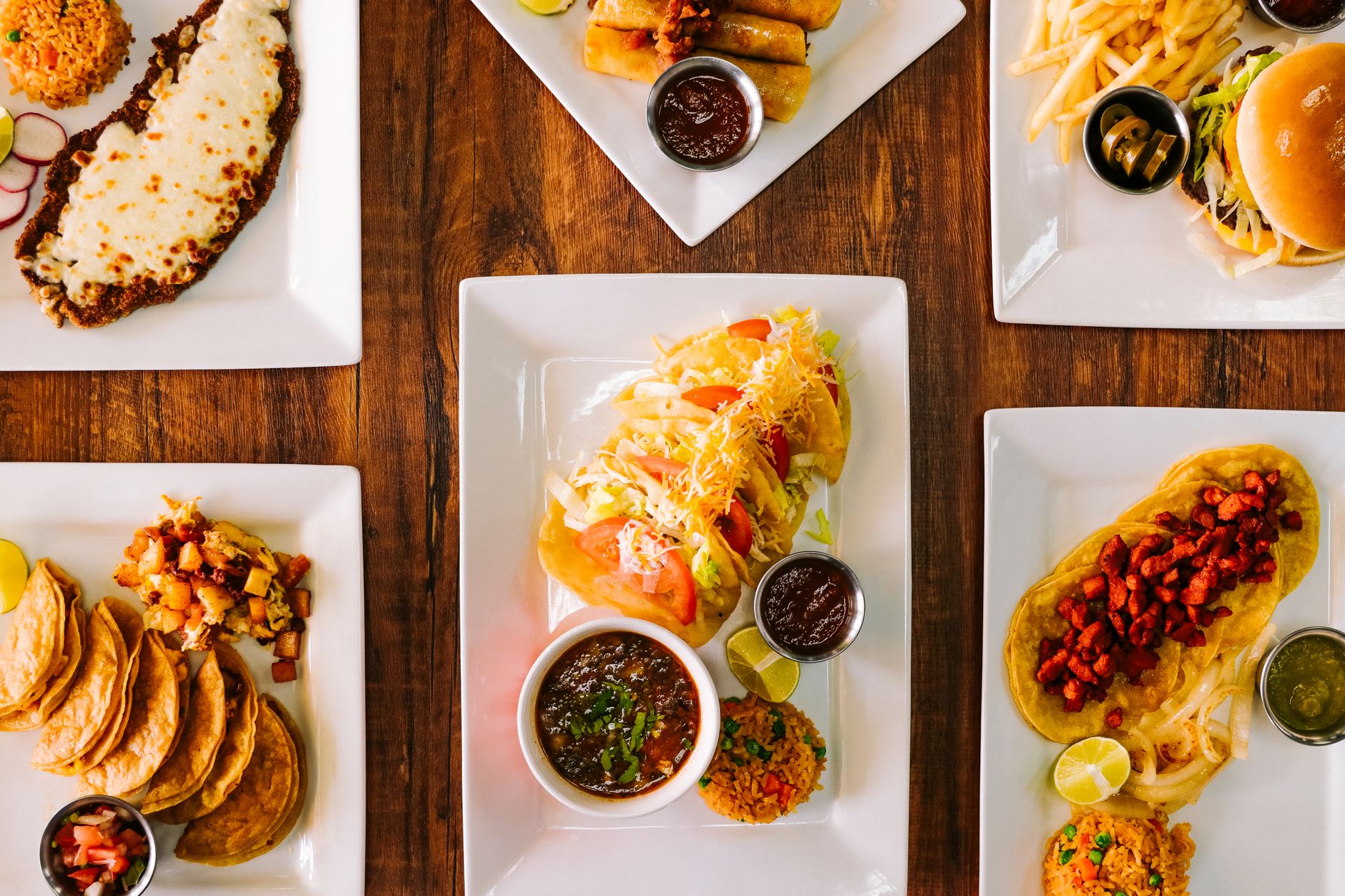
Tuck into slow-cooked goat with stamnagathi, kalitsounia cheese pies, and carafes of local dry red wine at village spots like Taverna Marouvas.
Olive Oil & Presses in Vamos Chania Greece
Visit renovated stone mills around Apokoronas to taste peppery extra virgin Koroneiki oil straight from harvest tanks with fresh sourdough.
Stone Architecture in Vamos Chania Greece
Wander the paved alleys of the upper quarter, lined with arched limestone doorways, Venetian lintels, and restored neoclassical manors.
Monasteries & Chapels in Vamos Chania Greece
Walk out to the 13th-century Monastery of Agios Georgios at Karydi to see its twelve stone arches and old oil production room.
Cheesemaking in Vamos Chania Greece
Sample young graviera, sharp mizithra, and sour xinomyzithra made from sheep and goat milk by local shepherds in the surrounding hills.
Cretan Wine in Vamos Chania Greece
Taste regional Vidiano, Romeiko, and Vilana pours paired with local olives and rusks at village kafenios and nearby boutique cellars.
Local Distilling in Vamos Chania Greece
Watch autumn copper-still firings producing potent tsikoudia pomace brandy, served gratis alongside seasonal fruit and walnuts.
Village Walks in Vamos Chania Greece
Follow signposted trails through cypress copses, dormant vineyards, and quiet hamlets like Gavalochori and Douliana on foot.
Folk Heritage in Vamos Chania Greece
Browse hand-spun silk, woven textiles, and traditional Cretan lace at the historical folk museum in neighbouring Gavalochori.
Wild Greens & Foraging in Vamos Chania Greece
Order seasonal wild horta sautéed with lemon, or try baked boureki loaded with sliced zucchini, potatoes, mint, and fresh mizithra.
Nearby Coast in Vamos Chania Greece
Drive ten minutes down to the clear waters of Almyrida and Kalyves for morning swims off unpretentious pebble and sand shores.
Baking & Pastries in Vamos Chania Greece
Pick up sesame-crusted paximadia barley rusks, honey-soaked loukoumades, and sweet cheese pastries from the morning village bakery.