
.jpg)
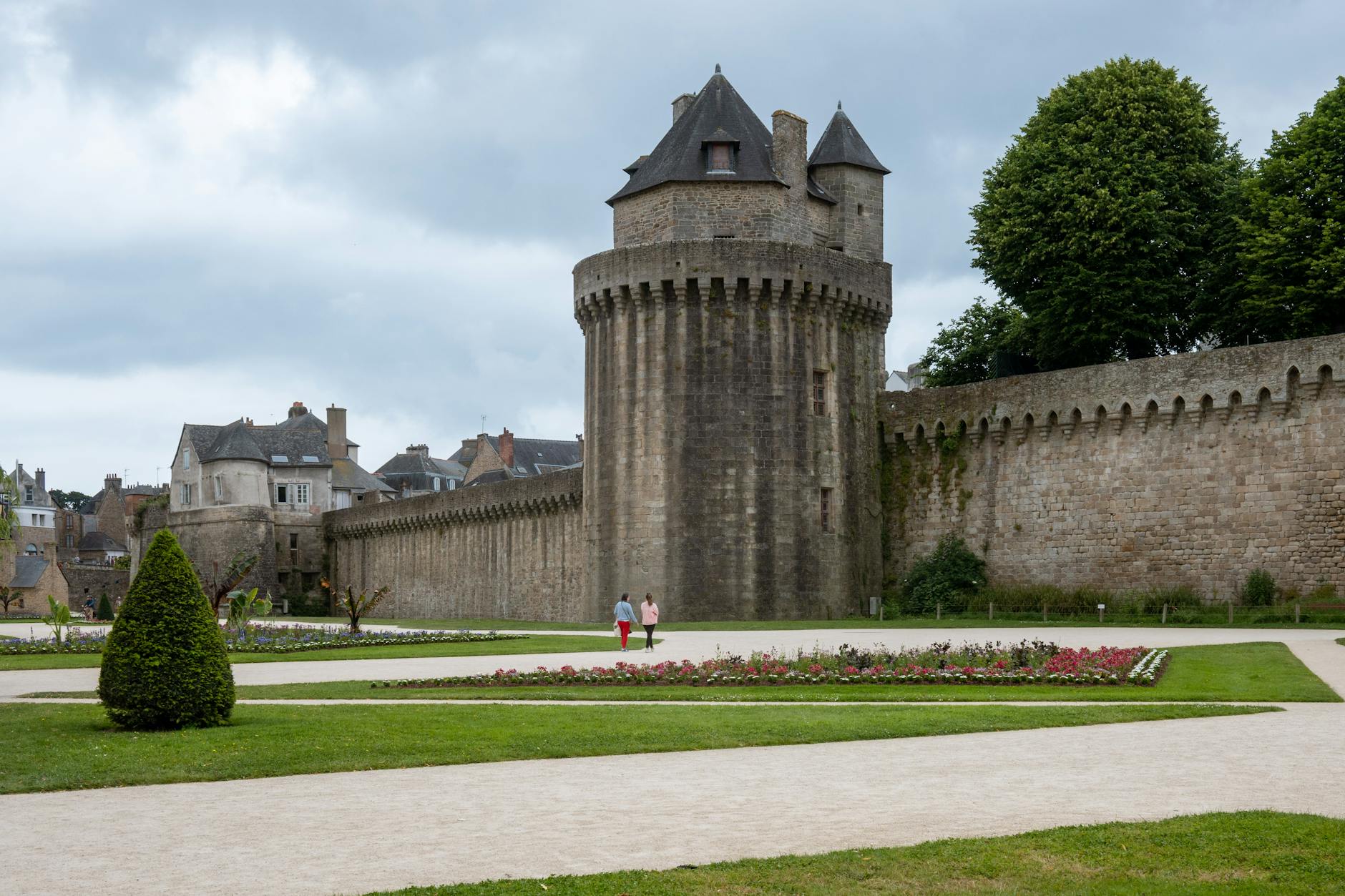

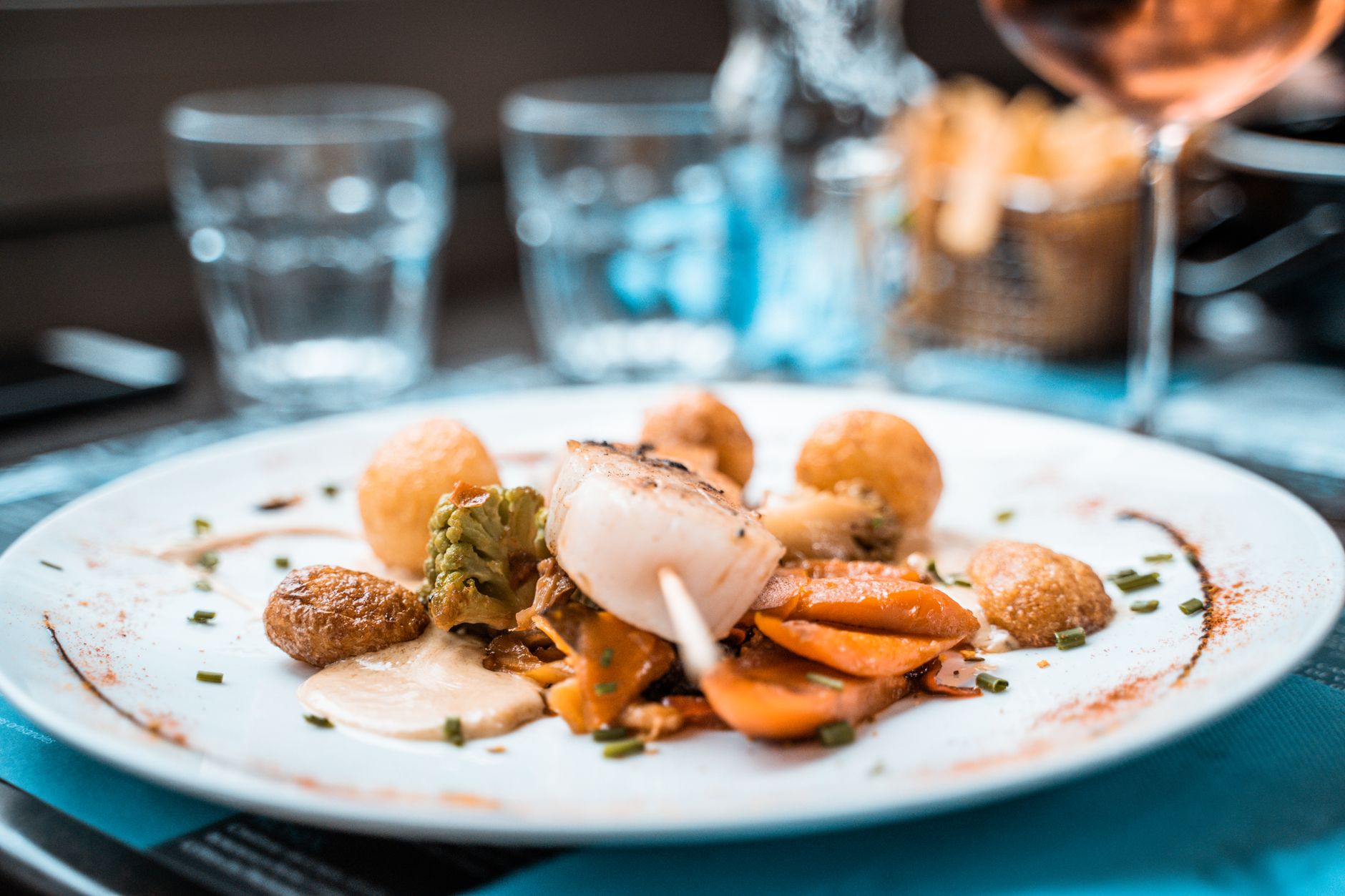

Gulls fight over fish skins along the Port de Plaisance before the morning tide clears out. Behind the granite Porte Saint-Vincent, medieval half-timbered houses lean over paved alleys in shades of oxblood and ochre, defying gravity since the sixteenth century. Vannes sits at the throat of the Golfe du Morbihan, where sailors return with flat oysters and bakers butter their kouign-amann with reckless generosity.
Last updated 28 Aug 2026
Build a Vannes itinerary.
Choose up to 4 threads that pull you in. Your plan arrives organised around them.
The Bed
Where to stay in Vannes
Which part of town to book, and what each one costs you in walking, noise or quiet.
The Comparison
Vannes, or somewhere near it
The places you are realistically choosing between, and the honest case for each.
The Local Record
Where to read more about Vannes
The blogs, boards, guides and operators worth bookmarking.
What to do in Vannes Brittany France
Life here moves to the rhythm of the tides and the market calendar. The old town sits securely behind massive rampart walls, ringed by formal French gardens, while the pleasure port stretches southward toward the bay. Days naturally divide between morning market runs, walking the perimeter walls, and long lunches over buckwheat galettes and cider. It suits walkers, eaters, and anyone who appreciates a working port town without relentless crowds.
24 hours in Vannes Brittany France
Start at Halle des Lices for warm butter pastry and coffee, then walk the stone ramparts from Tour Trompette down to the 17th-century wash houses. Order a galette complète with dry cider on Place Henri IV, browse the quiet stalls along Rue Saint-Salomon in the afternoon, and settle in by the marina for a dozen Morbihan oysters as the sun drops. Select 1 Day above to see it.
2 days in Vannes Brittany France
Catch the number 7 bus south to the pine-fringed Conleau peninsula for a morning loop along the tidal estuary. Spend your afternoon touring the prehistoric artifacts inside Château Gaillard, followed by a dinner of pan-roasted monkfish and salted butter potatoes at an unfussy bistro tucked off Quai Gambetta. Choose 2 Days to expand the plan.
3 days in Vannes Brittany France
Devote a full day to the Golfe du Morbihan. Board a morning ferry from Gare Maritime out to Île-aux-Moines, rent a bicycle at the pier to explore its whitewashed hamlets, and return in time for a late cider tasting in Saint-Patern, Vannes' oldest neighbourhood outside the walls.
Vannes Brittany France itineraries by interest
Local Seafood in Vannes Brittany France
Crack into fresh Belon oysters, Langoustines du Guilvinec, and steamed moules marinière right off the boats along Quai des Bateliers.
Market Produce in Vannes Brittany France
Fill your basket at Halle des Lices on Wednesday and Saturday mornings with local Tome du Morbihan, buckwheat galettes, and salted butter.
Medieval Architecture in Vannes Brittany France
Walk the 13th-century ramparts from Tour du Connétable to the timber-framed guild houses clustered around Place Henri IV.
Island Day Trips in Vannes Brittany France
Board the morning passenger ferry from Gare Maritime out to Île-d'Arz or Île-aux-Moines for quiet pine paths and tidal stone huts.
Sacred History in Vannes Brittany France
Step inside the gothic Cathédrale Saint-Pierre on Place Saint-Pierre to see Saint Vincent Ferrer's tomb and 16th-century tapestry work.
Pastry & Baking in Vannes Brittany France
Buy warm kouign-amann and caramel au beurre salé fresh from morning bakeries tucked along Rue des Halles and Rue Saint-Guenhaël.
Coastal Walking in Vannes Brittany France
Follow the GR34 customs footpath along the Conleau peninsula, winding between maritime pines, oyster parks, and saltwater pools.
Maritime Heritage in Vannes Brittany France
Inspect traditional sinagot wooden fishing rigs moored at Port du Golfe, built for navigating shallow, fast-running bay tides.
Cider Traditions in Vannes Brittany France
Sip dry, cloudy Breton cidre pur jus fermented in the Morbihan hills, served in ceramic bolées alongside crisp sarrasin crepes.
Formal Gardens in Vannes Brittany France
Wander the formal French embroidery parterres resting below the fortified ramparts, watered by the slow-moving Marle stream.
Fine Arts in Vannes Brittany France
Browse contemporary Breton painters and shifting modern exhibitions inside the restored 15th-century hall at La Cohue museum.
Prehistoric Archaeology in Vannes Brittany France
Take a thirty-minute drive west to examine the Neolithic standing stones and burial chambers at the Carnac alignment fields.