Venustiano Carranza.


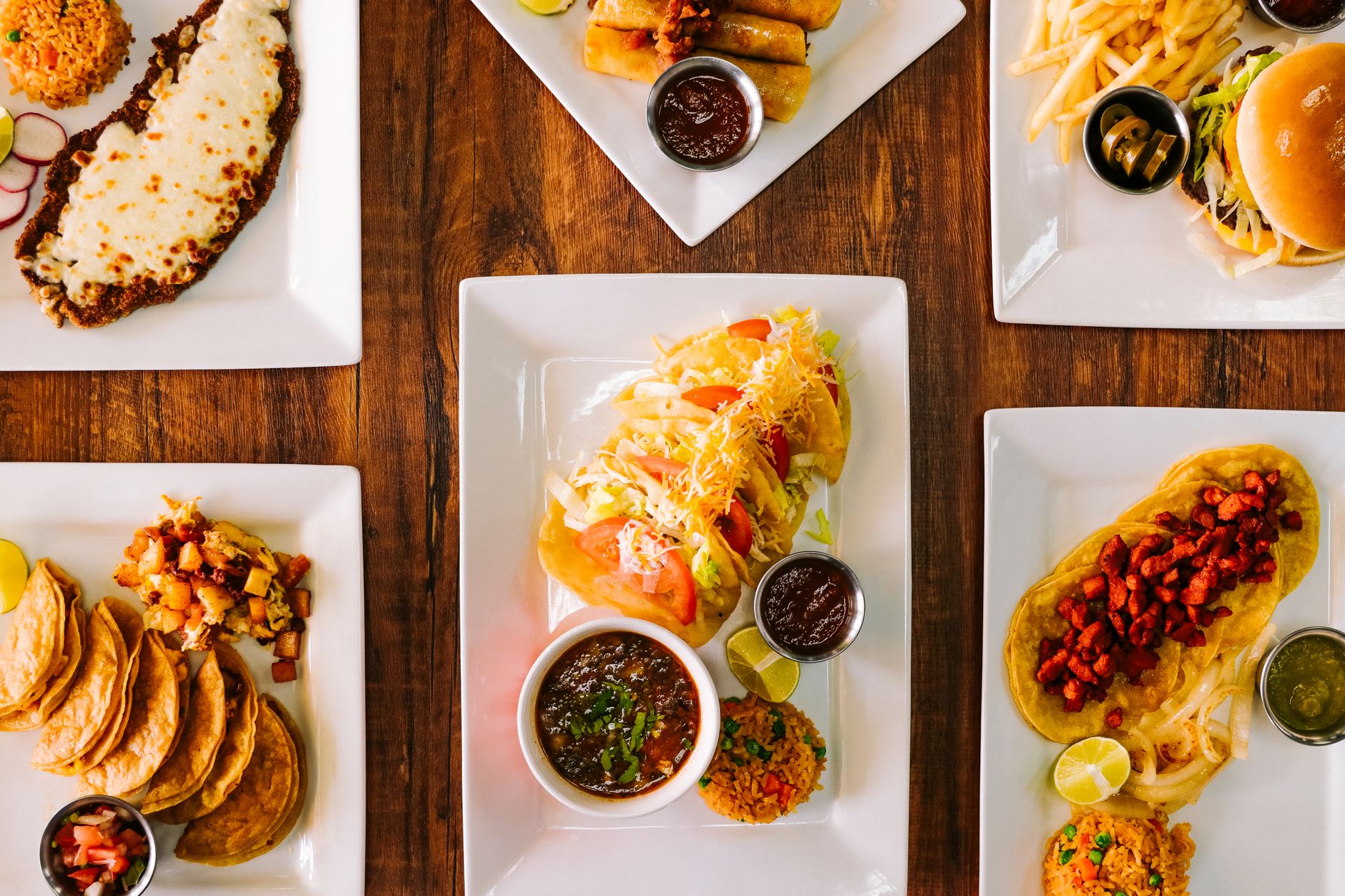

Sitting directly east of the Zócalo and housing the international airport, Venustiano Carranza is reachable within fifteen minutes by Metro Line 1. The alcaldía is defined by colossal trade hubs and working-class culinary history, anchored by Mercado de la Merced. Venustiano Carranza is worth visiting if you want to eat street-level huaraches beneath mountain-sized towers of produce and explore esoteric traditional healing markets. Look elsewhere if you want tranquil boutique-lined streets, quiet pedestrian plazas, or upscale evening cocktail bars.
Last updated 11 Nov 2026
Build a Venustiano Carranza itinerary.
Choose up to 4 threads that pull you in. Your plan arrives organised around them.
The Bed
Where to stay in Venustiano Carranza
Which part of town to book, and what each one costs you in walking, noise or quiet.
The Comparison
Venustiano Carranza, or somewhere near it
The places you are realistically choosing between, and the honest case for each.
The Local Record
Where to read more about Venustiano Carranza
The blogs, boards, guides and operators worth bookmarking.
What to do in Venustiano Carranza Mexico City Mexico
Venustiano Carranza is a dense, unapologetically commercial borough built around commerce, transport, and daily trade. Days here revolve around the colossal market labyrinths of La Merced, the quiet historical courtyards of the Archivo General de la Nación, and the sulfurous waters of Peñón de los Baños. It suits active travellers, curious eaters, and urban explorers who prefer genuine working-class energy to polished tourist corridors.
24 hours in Venustiano Carranza Mexico City Mexico
Start early at Mercado de la Merced for café de olla and freshly pressed huaraches con costilla. Walk ten minutes north to explore the stone corridors of the Archivo General de la Nación, then spend the late afternoon at Baños del Peñón for a mineral soak before tacos de suadero in Colonia Moctezuma. Select 1 Day above to see it.
2 days in Venustiano Carranza Mexico City Mexico
A second day explores the botanical remedies of Mercado de Sonora along Calle Fray Servando Teresa de Mier. Continue east to Colonia Federal, planned in a distinct radial web around Plaza del Poder Ejecutivo, pausing at a neighbourhood cantina for cold Victoria beer and botanas. Choose 2 Days to expand the plan.
3 days in Venustiano Carranza Mexico City Mexico
Day three allows a slower journey into the ceramic and sweet markets surrounding Candelaria de los Patos, followed by an afternoon exploring the 18th-century chapel at Santo Tomás la Palma. Finish with a late lunch of barbacoa and consommé along Avenida Congreso de la Unión.
Venustiano Carranza Mexico City Mexico itineraries by interest
Markets & Produce in Venustiano Carranza Mexico City Mexico
Mercado de la Merced covers entire city blocks with piles of dried chilies, fresh epazote, nopales, and Oaxacan quesillo cut fresh to order.
Traditional Medicine in Venustiano Carranza Mexico City Mexico
Mercado de Sonora sells dried copal, herbal infusions of arnica and toronjil, and folk remedies prepared by seasoned curanderos.
Street Food in Venustiano Carranza Mexico City Mexico
Order thick masa huaraches griddled over lard, topped with smashed pinto beans, bistec, nopales, and fiery salsa verde near Metro Merced.
Historic Architecture in Venustiano Carranza Mexico City Mexico
Palacio Negro de Lecumberri, a former 1900 panopticon prison, now holds Mexico's national archives within its heavy neoclassical stone walls.
Thermal Springs in Venustiano Carranza Mexico City Mexico
Baños Medicinales del Peñón offers mineral-rich thermal waters used since Moctezuma bathed here, housed in a modest 19th-century bathhouse.
Local Bakeries in Venustiano Carranza Mexico City Mexico
Colonia Moctezuma panaderías bake sweet conchas, bolillos, and crusty pambazo rolls early each morning for market commuters.
Textile Traditions in Venustiano Carranza Mexico City Mexico
Mercado de la Merced's fabric annex stocks hand-woven rebozos, embroidered manteles, and custom ribbons sold in bulk along Calle Rosario.
Pork Cookery in Venustiano Carranza Mexico City Mexico
Carnitas copper vats bubble along Calle Roldán, serving crisp costilla, rich cuerito, and tender maciza spooned over warm corn tortillas.
Public Transit in Venustiano Carranza Mexico City Mexico
Metro Line 1 and Line 4 intersect at Candelaria, providing rapid access to market gates, bus lines, and the airport terminals.
Religious Sites in Venustiano Carranza Mexico City Mexico
Iglesia de Santo Tomás la Palma retains an 18th-century facade, standing quiet amid the bustling market stalls of neighbourhood trade.
Urban Parks in Venustiano Carranza Mexico City Mexico
Parque de los Periodistas Ilustres offers shaded stone benches, jacaranda trees, and a peaceful reprieve from market foot traffic.
Night Stalls in Venustiano Carranza Mexico City Mexico
Evening street carts outside Metro Moctezuma dish out suadero and tripa tacos crisped in bubbling fat with lime and charred onions.