


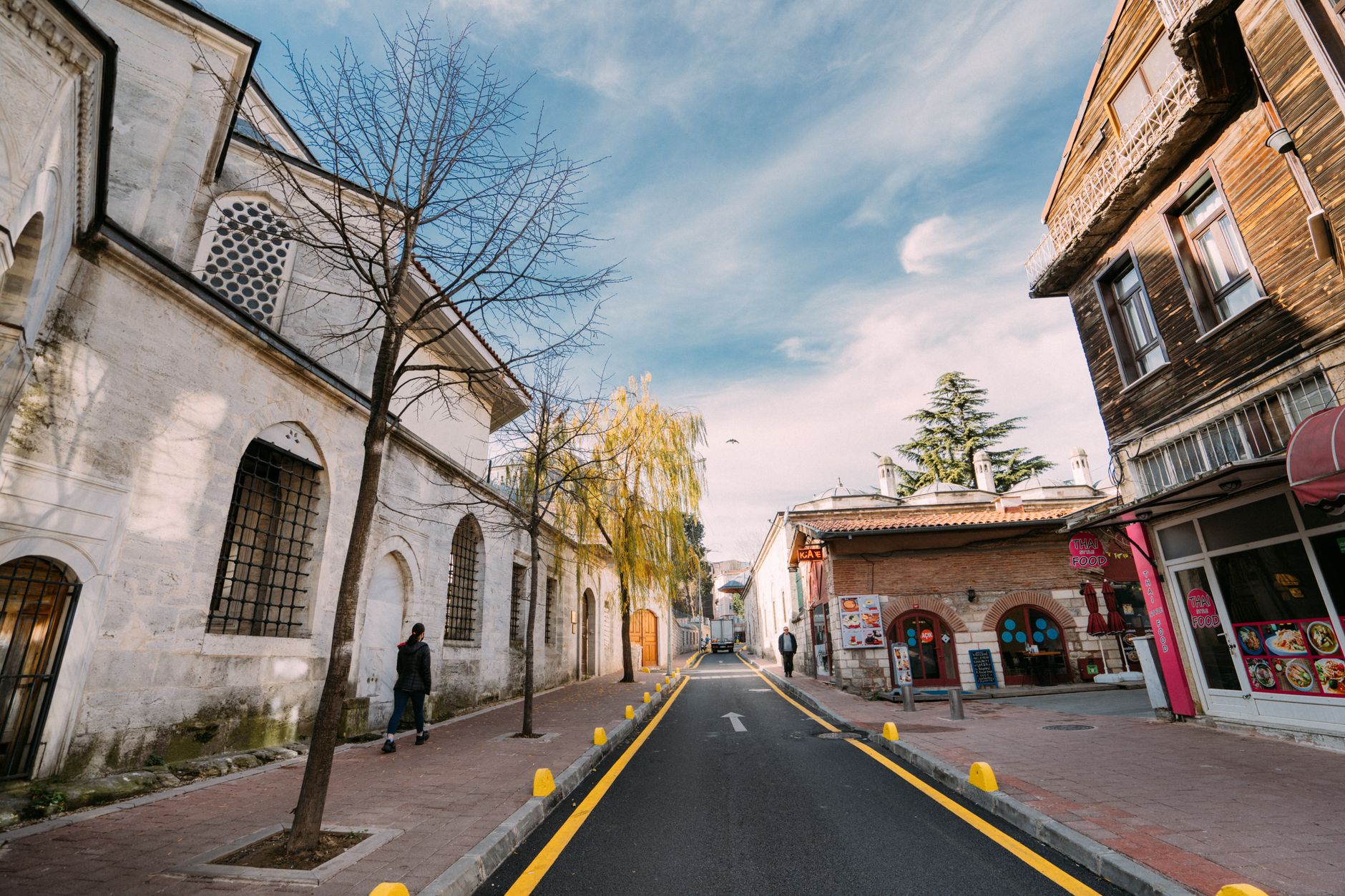
Zaros sits 45 kilometres southwest of Heraklion, roughly a fifty-minute drive into the southern foothills of Mount Psiloritis. The village is known across Crete for its natural spring water, mountain-fed trout basins, and direct trail access into the oak-lined Rouvas Gorge. Zaros is worth visiting if you want inland mountain air, grilled freshwater fish eaten beside spring ponds, and rough stone hiking. Look elsewhere if you want sandy beaches, late-night cocktail bars, or a resort promenade.
Last updated 24 Oct 2026
Build a Zaros itinerary.
Choose up to 4 threads that pull you in. Your plan arrives organised around them.
The Bed
Where to stay in Zaros
Which part of town to book, and what each one costs you in walking, noise or quiet.
The Comparison
Zaros, or somewhere near it
The places you are realistically choosing between, and the honest case for each.
The Local Record
Where to read more about Zaros
The blogs, boards, guides and operators worth bookmarking.
What to do in Zaros Heraklion Greece
Life in Zaros centres on mountain springs, small agricultural holdings, and the shadow of Mount Psiloritis. The village sits quietly between shaded plane trees and rocky limestone ridges, with days anchored by walks around Lake Votomos and lingering dinners at local tavernas. It suits hikers, quiet drivers exploring central Crete, and travellers who prefer mountain shade and simple cooking to coastal resort strips.
24 hours in Zaros Heraklion Greece
Start early with Greek coffee in the village square before walking the five-kilometre trail through Rouvas Gorge to Saint John. Return to Lake Votomos for grilled trout and wild greens at Taverna Votomos, then spend the late afternoon visiting the 14th-century frescoes at Moni Varsamonerou. Select 1 Day above to see it.
2 days in Zaros Heraklion Greece
A second day lets you head twenty minutes south into the olive groves of the Messara Plain. Walk through the Minoan palace ruins at Phaistos, admire the marble fountain at Moni Vrontisi on the way back, and dine on slow-cooked goat and carob bread at an upper Zaros taverna. Choose 2 Days to expand the plan.
3 days in Zaros Heraklion Greece
With three days, take the mountain road west into the quiet Amari Valley to sample Vidiano wines and explore Byzantine chapels, or hike up toward Kamares Cave before a late swim on the pebbled beaches of the Libyan Sea near Matala.
Zaros Heraklion Greece itineraries by interest
Freshwater Fish in Zaros Heraklion Greece
Eat charcoal-grilled trout (pestrofa) and salmon raised in spring-fed tanks around Lake Votomos, seasoned with lemon, oregano, and local olive oil.
Hiking in Zaros Heraklion Greece
Follow the trail from Lake Votomos through Rouvas Gorge to the Saint John Forest, crossing wooden footbridges beneath steep limestone walls.
Sacred Architecture in Zaros Heraklion Greece
Visit the 14th-century monastery of Moni Varsamonerou for Venetian-era frescoes, or see the marble fountain at neighbouring Moni Vrontisi.
Traditional Crafts in Zaros Heraklion Greece
Find local weavers and woodcarvers producing olive-wood utensils, Cretan walking sticks, and woven wool blankets in the upper village workshops.
Mountain Villages in Zaros Heraklion Greece
Drive the winding mountain road up to Kamares and Vorizia for quiet stone squares, sharp tsikoudia pours, and views over the Messara Plain.
Ancient History in Zaros Heraklion Greece
Drop south into the Messara Valley to explore the Minoan palace at Phaistos and the Roman basilica and ancient law code inscribed at Gortyna.
Produce & Cheese in Zaros Heraklion Greece
Sample aged graviera, fresh myzithra, mountain thyme honey, and wild horta gathered from the rocky slopes of Mount Psiloritis.
Wine & Vineyards in Zaros Heraklion Greece
Taste Vidiano and Liatiko wines produced from high-altitude vineyards tucked across the foothills of Heraklion and the nearby Amari Valley.
Cretan Cooking in Zaros Heraklion Greece
Order slow-cooked goat with stamnagathi greens, smoked apaki pork, and fresh kalitsounia pies at village tavernas along the main street.
Caves & Summits in Zaros Heraklion Greece
Hike the steep route up to Kamares Cave, where Minoan polychrome pottery was discovered, high above the village on Mount Psiloritis.
Springs & Water in Zaros Heraklion Greece
Walk around Lake Votomos where natural cold springs emerge from the karst rock, supplying clean drinking water to all of southern Crete.
Coastal Day Trips in Zaros Heraklion Greece
Drive forty minutes south to the Libyan Sea coast to swim at the quiet pebbled coves of Matala, Kommos, or Agia Galini.