

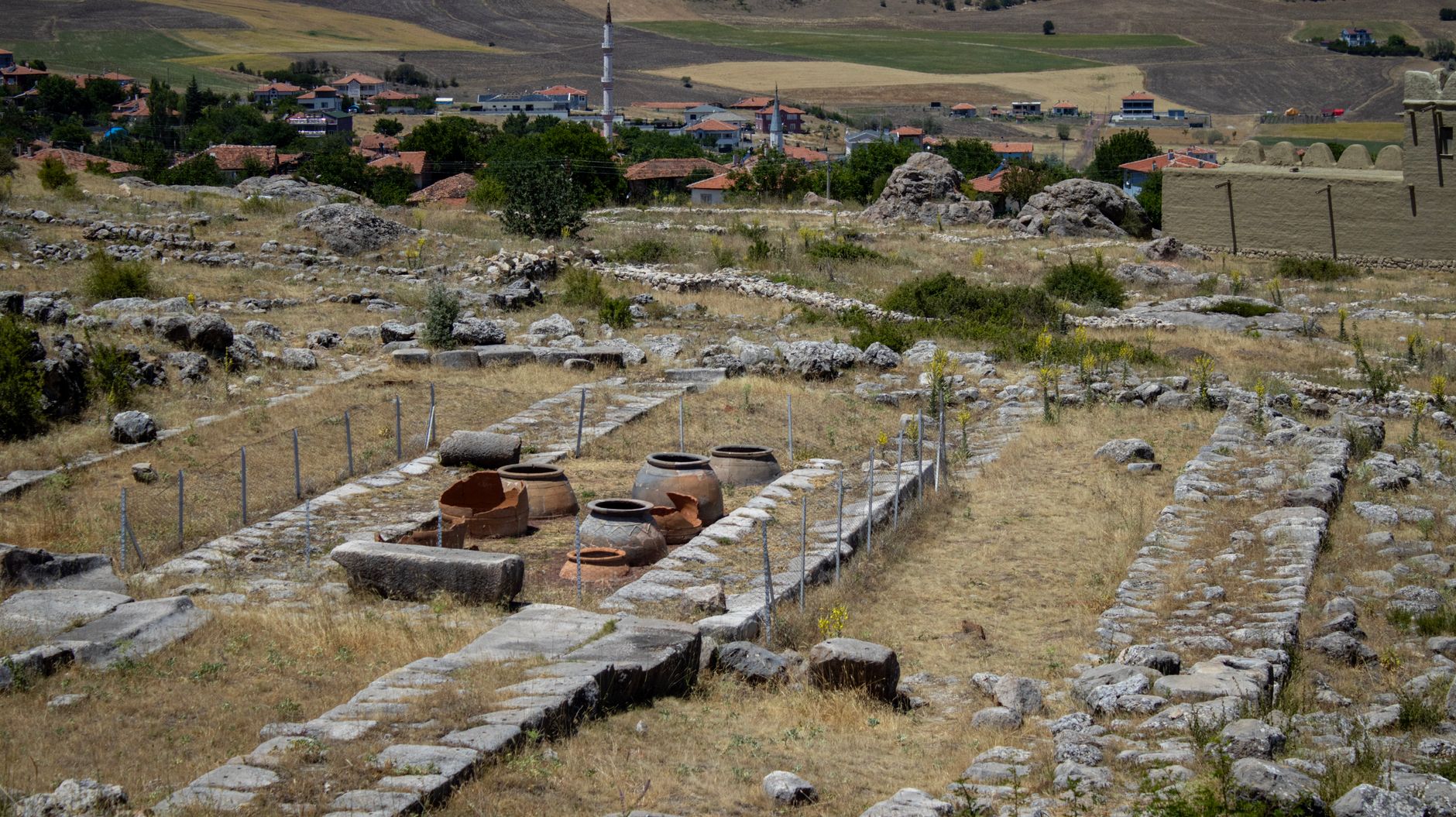


Alacahöyük sits in the Çorum plains, three hours east of Ankara by car. The site is famous for its carved Sphinx Gate and thirteen Hattian royal tombs dating to 2500 BC. You can inspect the entire settlement and the small museum in two calm hours. Alacahöyük is worth visiting if you want to study Bronze Age masonry and ritual burial shafts without tour bus crowds. Look elsewhere if you need evening dining options, full-service hotels, or indoor sights during heavy rain.
Last updated 20 Oct 2026
Build a Alacahöyük itinerary.
Choose up to 4 threads that pull you in. Your plan arrives organised around them.
The Bed
Where to stay in Alacahöyük
Which part of town to book, and what each one costs you in walking, noise or quiet.
The Comparison
Alacahöyük, or somewhere near it
The places you are realistically choosing between, and the honest case for each.
The Local Record
Where to read more about Alacahöyük
The blogs, boards, guides and operators worth bookmarking.
What to do in Alacahöyük Çorum Türkiye
A visit here centers on an open-air excavation mound wrapped around a sleepy agricultural village. You spend your morning wandering past the carved stone sphinxes, peering down into the Hattian royal tombs, and ducking into the compact museum. It is an unhurried, wind-swept stop best suited to history enthusiasts and road-trippers crossing central Anatolia with a rental car.
24 hours in Alacahöyük Çorum Türkiye
Arrive by mid-morning to explore the Sphinx Gate and tombs before the midday sun hits the plateau. Eat simple gözleme and tea at the village cafe, then visit the on-site museum. Spend your evening forty-five minutes north in Çorum, dining on slow-cooked tandır kebap and buying warm spiced leblebi. Select 1 Day above to see it.
2 days in Alacahöyük Çorum Türkiye
Base yourself in Boğazkale or Çorum and spend the second day touring Hattusa's massive Lion Gate and the rock-cut pantheon at Yazılıkaya. Pair the ruins with a traditional lunch of İskilip dolması, an unhurried cauldron of steamed spiced rice and braised beef perfected over centuries. Choose 2 Days to expand the plan.
3 days in Alacahöyük Çorum Türkiye
A third day allows an expedition into the İncesu Canyon near Ortaköy to see the Hellenistic wall reliefs, or an afternoon detour to the Hittite dam at Gölpınar. End the circuit in Çorum's historic bazaar, watching coppersmiths hammer trays beside nineteenth-century clock towers.
Alacahöyük Çorum Türkiye itineraries by interest
Archaeology in Alacahöyük Çorum Türkiye
Inspect the orthostat reliefs at the Sphinx Gate and peer into the stone-lined Hattian royal shaft graves dating back to 2500 BC.
Museum Collections in Alacahöyük Çorum Türkiye
Browse the on-site museum displaying Bronze Age bronze stag standards, terracotta drinking vessels, and ethnographic village weaving tools.
Ancient Engineering in Alacahöyük Çorum Türkiye
Walk out to the Gölpınar Hittite Dam, an earthen water reservoir engineered around 1240 BC and still retaining water for local fields.
Regional Food in Alacahöyük Çorum Türkiye
Stop in nearby Çorum for İskilip dolması, a ten-hour cauldron-steamed spiced rice and beef dish served with cold ayran and flatbread.
Snacks & Specialties in Alacahöyük Çorum Türkiye
Pick up freshly roasted leblebi in Çorum town, sampled hot from copper roasters in varieties seasoned with salt, cloves, or pepper.
Day Trips in Alacahöyük Çorum Türkiye
Drive forty minutes south to Boğazkale to explore the Hittite capital of Hattusa and the dramatic open-air rock sanctuary at Yazılıkaya.
Rural Landscapes in Alacahöyük Çorum Türkiye
Wander the dirt tracks framing the village where sugar beet fields and grain silos stretch toward the low Anatolian plateau hills.
Sacred Architecture in Alacahöyük Çorum Türkiye
Visit the sixteenth-century Murad-ı Rabi Ulu Camii in Çorum, built with Seljuk-style carved wood mimbar and stone piers.
Village Life in Alacahöyük Çorum Türkiye
Drink black tea from tulip glasses at the quiet open-air kahvehane outside the excavation ticket booth as tractors roll past.
Historic Roads in Alacahöyük Çorum Türkiye
Follow the quiet asphalt route between Alacahöyük and Alaca, tracing sections of ancient trade tracks across the central plateau.
Traditional Crafts in Alacahöyük Çorum Türkiye
Watch copper smiths hammer cauldrons and samovars in the old metalworking quarter along Çorum's historic bazaar lanes.
Photography in Alacahöyük Çorum Türkiye
Catch the late-afternoon sun raking across the double-headed eagle and relief-carved musicians on the limestone entry gates.