

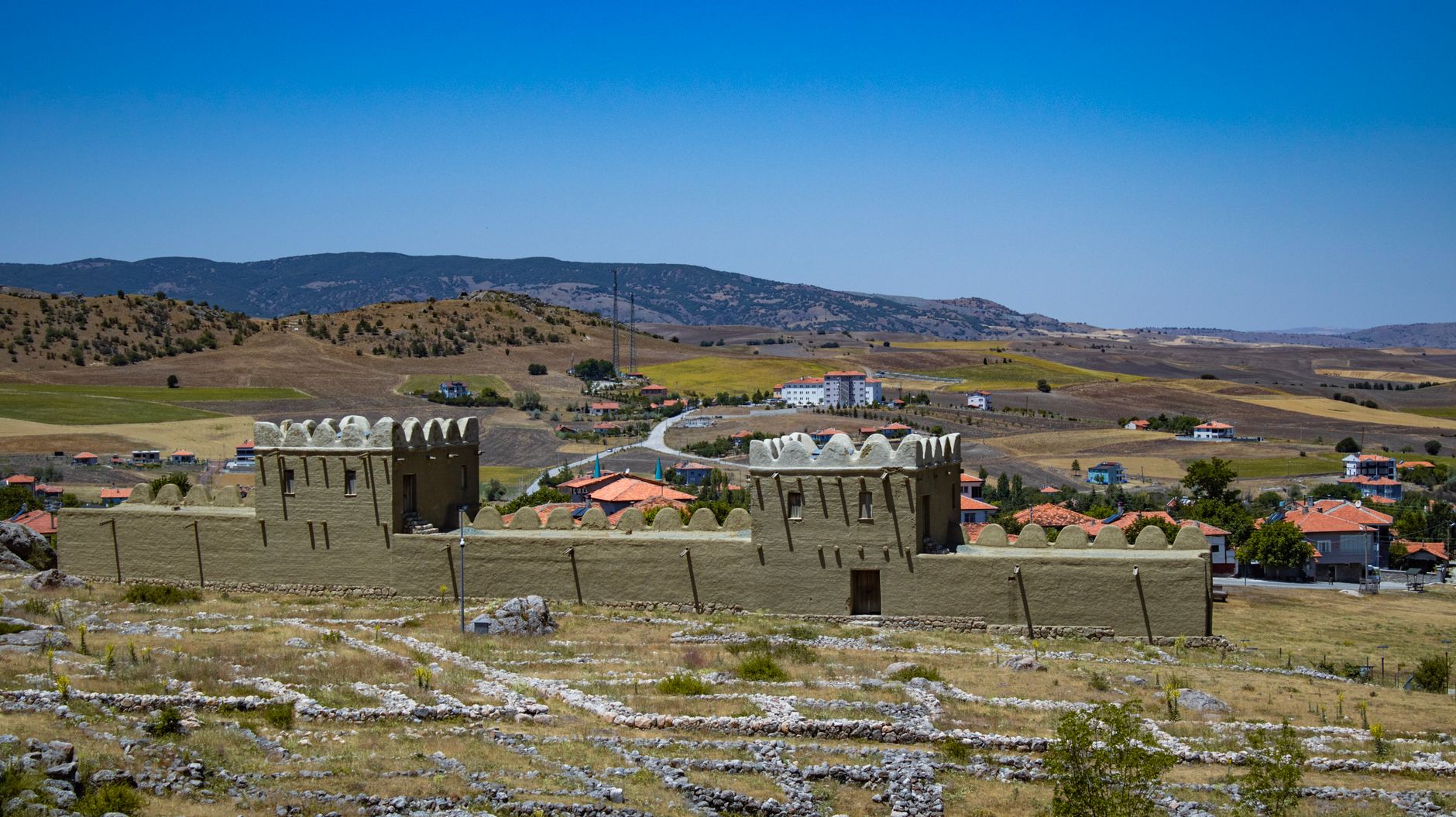
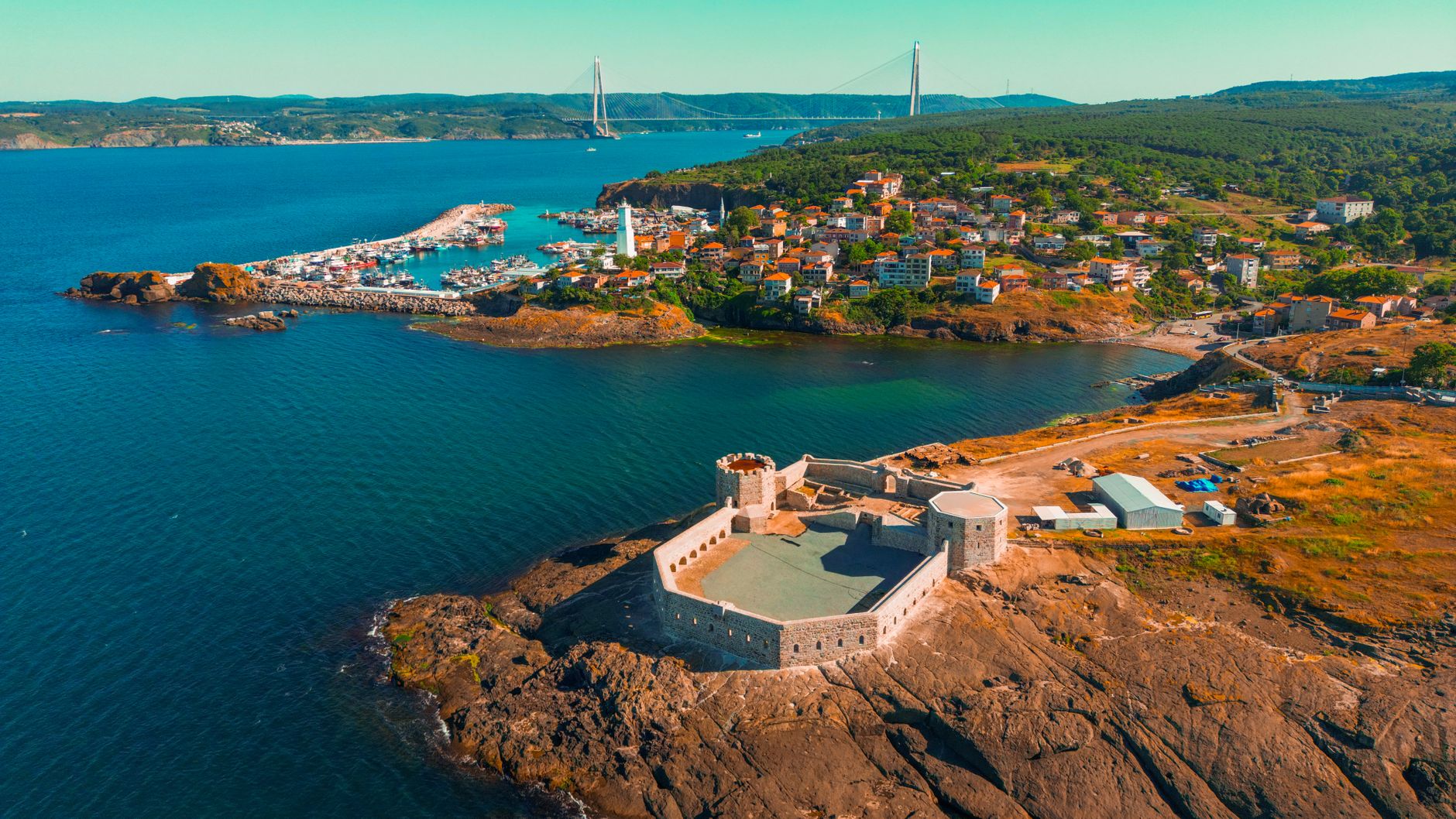
Boğazkale sits 200 kilometres east of Ankara, a three-hour drive across the central Anatolian plateau, and serves as the quiet base for Hattusa, the Bronze Age Hittite capital. The village itself is small, agricultural, and built along a single main road. Boğazkale is worth visiting if you want to trace monumental stone gates and open-air Bronze Age carvings across quiet, windy hills. Look elsewhere if you want late-night bars, resort comforts, or urban cafe culture.
Last updated 20 Oct 2026
Build a Boğazkale itinerary.
Choose up to 4 threads that pull you in. Your plan arrives organised around them.
The Bed
Where to stay in Boğazkale
Which part of town to book, and what each one costs you in walking, noise or quiet.
The Comparison
Boğazkale, or somewhere near it
The places you are realistically choosing between, and the honest case for each.
The Local Record
Where to read more about Boğazkale
The blogs, boards, guides and operators worth bookmarking.
What to do in Boğazkale Çorum Türkiye
Boğazkale revolves entirely around Hattusa, the sprawling fourteenth-century BCE capital whose limestone ruins climb the valley slopes above town. The village itself is small, with a few family-run pansiyons along Çarşı Caddesi and a quiet museum at the entrance. Days here follow the sun: early mornings on the open ruins before midday heat, slow lunches of lamb stew, and evening tea with farmers in the square.
24 hours in Boğazkale Çorum Türkiye
Start early at Hattusa, walking uphill past the Lion Gate to the Yerkapı postern tunnel. Break for lunch in the village with Çorum-style mantı and hot tea. Spend the afternoon at Yazılıkaya's carved rock chambers before browsing bronze artifacts at Boğazkale Museum. Select 1 Day above to see it.
2 days in Boğazkale Çorum Türkiye
A second day lets you drive forty-five minutes north to Alacahöyük to inspect sphinx gates and royal burial mounds. Return through Sungurlu for a lunch of tandır kebab, then spend late afternoon exploring the less-visited Lower City fortifications in Boğazkale. Choose 2 Days to expand the plan.
3 days in Boğazkale Çorum Türkiye
With three days, venture east into Çorum city to tour its archaeological museum and buy warm leblebisi directly from roasting shops. In the evening, take a slow walk through the pine groves near Yazılıkaya and enjoy home-cooked beans and pilaf at your guesthouse.
Boğazkale Çorum Türkiye itineraries by interest
Ancient Archaeology in Boğazkale Çorum Türkiye
Hattusa spreads across steep ravines with the Lion Gate, King's Gate, and the green nephrite stone inside the Great Temple ruins.
Rock Carvings in Boğazkale Çorum Türkiye
Yazılıkaya features rock-cut open-air chambers where twelve underworld deities and Hittite gods stand carved directly into limestone.
Village Life in Boğazkale Çorum Türkiye
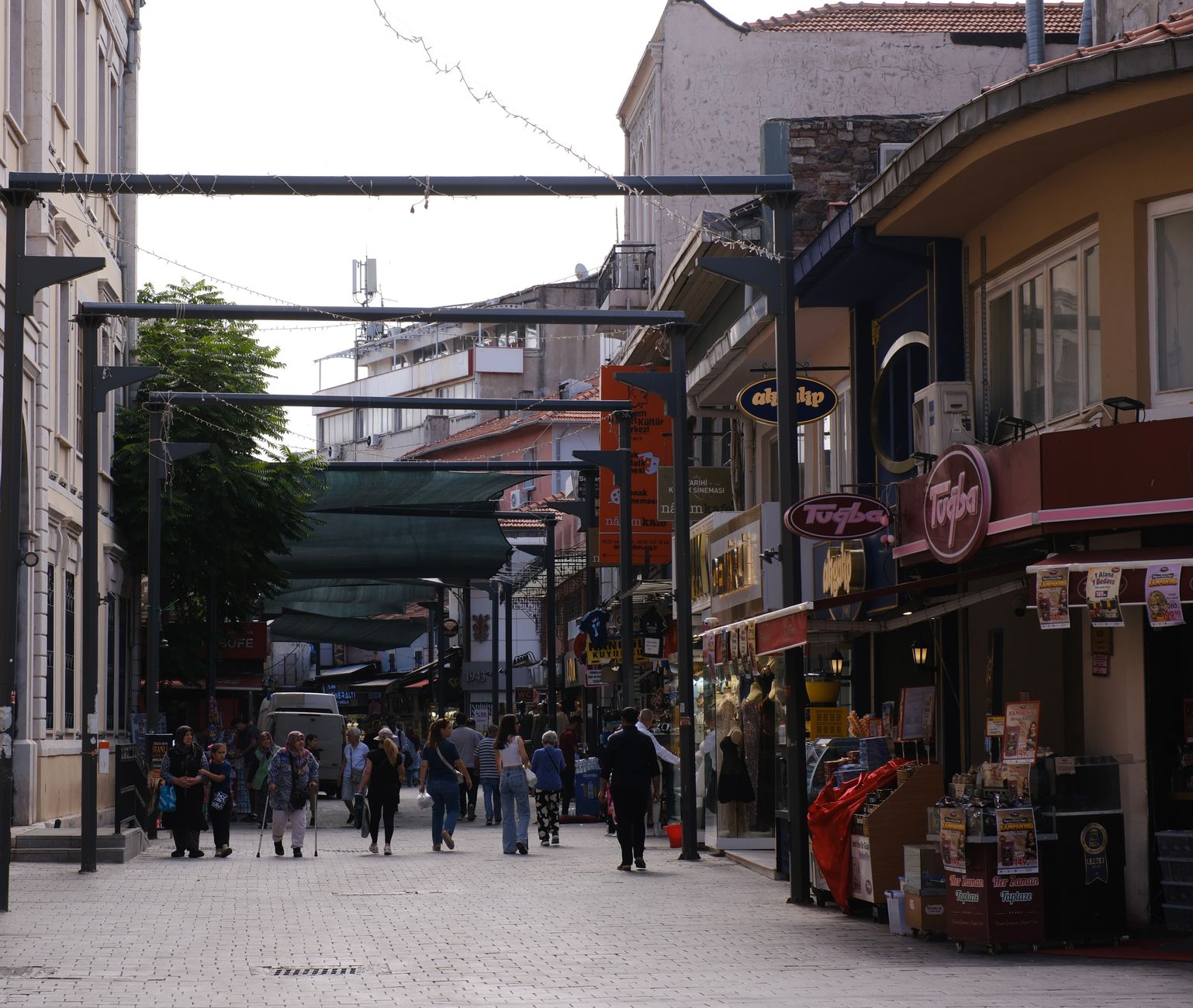
Çarşı Caddesi offers quiet tea houses where farmers gather, woodsmoke drifts from brick chimneys, and locals welcome visitors over çay.
Regional Food in Boğazkale Çorum Türkiye
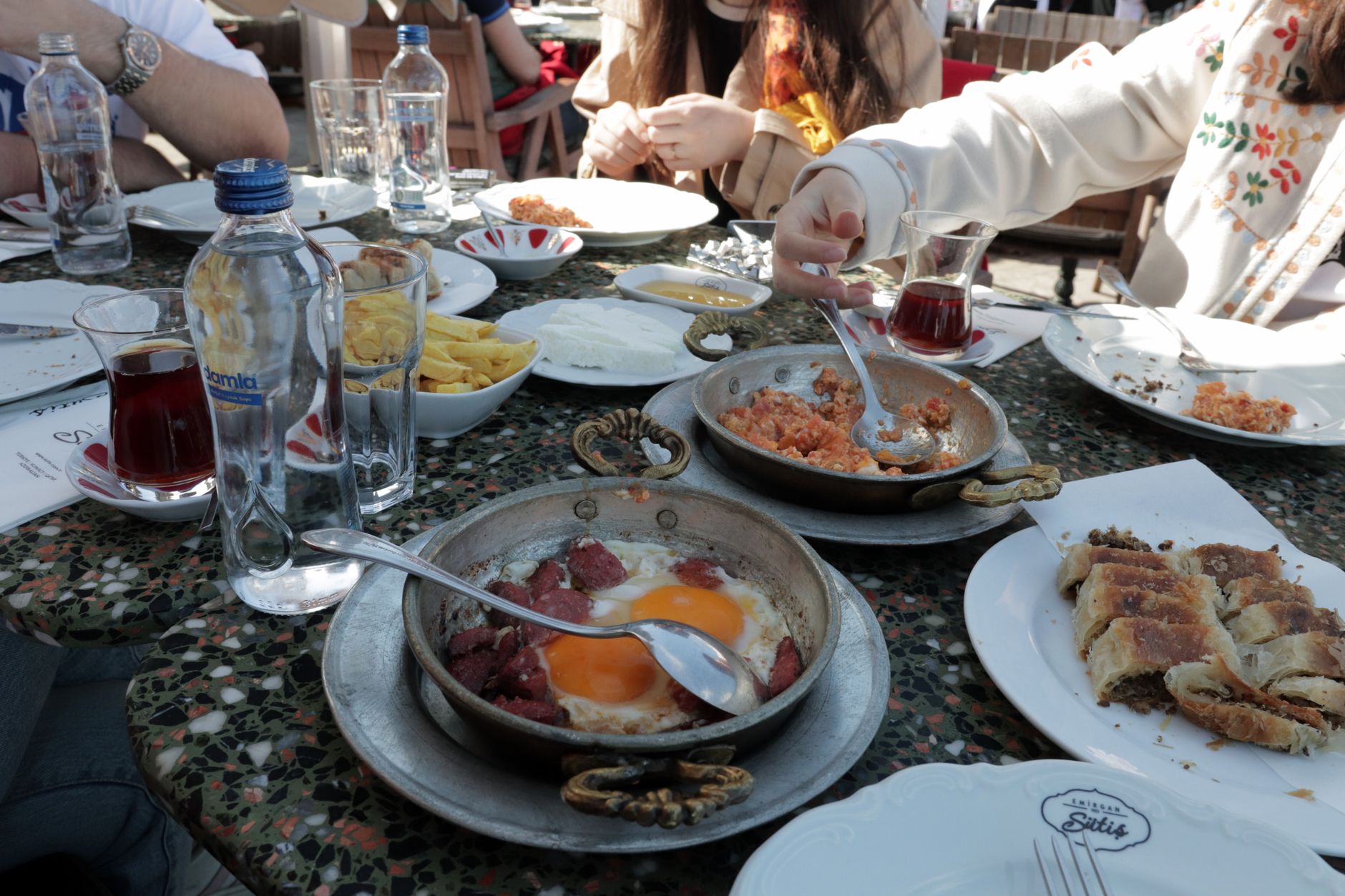
Order Çorum-style mantı topped with garlic yoghurt, slow-simmered kuru fasulye, and tandır kebabs roasted in stone village ovens.
Museums & Relics in Boğazkale Çorum Türkiye
Boğazkale Museum displays cuneiform tablets, bronze weapons, and painted ceramics excavated directly from the Upper and Lower Cities.
Day Trips in Boğazkale Çorum Türkiye
Alacahöyük sits 45 minutes north, housing royal shaft graves, intact sphinx gates, and Early Bronze Age sun discs discovered in situ.
Walking & Hiking in Boğazkale Çorum Türkiye
A five-kilometre uphill loop connects the Lower City to the Yerkapı rampart, offering broad plateau views and limestone pathways.
Sacred Architecture in Boğazkale Çorum Türkiye
Boğazkale Merkez Mosque anchors the village square with simple mid-century masonry and carpets laid out for Friday community prayers.
Country Drives in Boğazkale Çorum Türkiye
Secondary roads to Sungurlu wind through golden wheat fields, sunflower patches, and low volcanic hills across rural Çorum province.
Baking & Grains in Boğazkale Çorum Türkiye
Village bakeries turn regional durum flour into blistered tandır ekmeği and crisp gözleme filled with crumbly white cheese and parsley.
Local Markets in Boğazkale Çorum Türkiye
Sungurlu's weekly open market sells fresh sheep curd, Çorum leblebisi (roasted chickpeas), mountain thyme, and seasonal sun-dried fruit.
Quiet Escapes in Boğazkale Çorum Türkiye
The pine-shaded picnic areas near Yazılıkaya provide quiet benches and cool breeze away from tour coaches during midday heat.
Planning a visit to Boğazkale
Are Hattuşa and Yazılıkaya the same stop?
Both belong to the UNESCO-listed Hittite capital, but they have distinct locations. Plan separate stops for Hattuşa's city walls and gates and Yazılıkaya's rock sanctuary, rather than expecting everything at one entrance. Boğazkale is the nearby village base.
UNESCO World Heritage CentreWhat does the Boğazköy Museum add?
The museum gives context to the ruins through Hittite finds and displays on writing, religion and military organisation. Check the official museum page for current opening hours before deciding whether to visit it before or after the archaeological sites.
Turkish MuseumsExplore further: Çorum guide