Amizmiz.


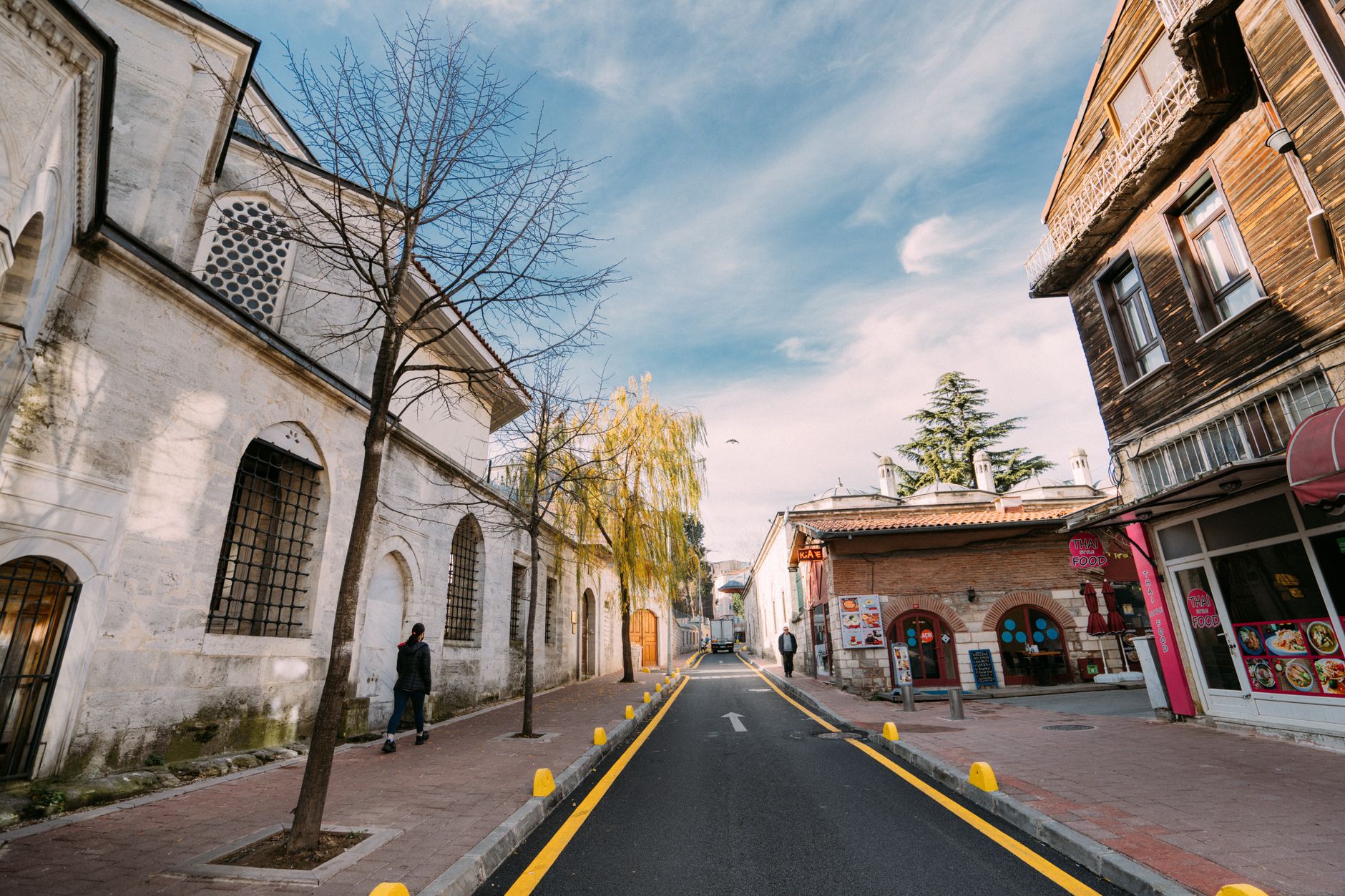
Amizmiz sits fifty-five kilometres south of Marrakesh, roughly an hour by grand taxi from Bab Er-Rob. Set where the Haouz plain climbs into the High Atlas foothills, the town functions around working life rather than tourism. It is known for its sprawling Tuesday souk and multi-generational pottery workshops firing red clay in wood-fed kilns. Amizmiz is worth visiting if you want to walk unpaved mountain trails between Berber villages and buy unglazed earthenware straight from the artisans. Look elsewhere if you want boutique riads, nightlife, curated indoor sights, or paved, signposted walking paths.
Last updated 9 Sept 2026
Build a Amizmiz itinerary.
Choose up to 4 threads that pull you in. Your plan arrives organised around them.
The Bed
Where to stay in Amizmiz
Which part of town to book, and what each one costs you in walking, noise or quiet.
The Comparison
Amizmiz, or somewhere near it
The places you are realistically choosing between, and the honest case for each.
The Local Record
Where to read more about Amizmiz
The blogs, boards, guides and operators worth bookmarking.
What to do in Amizmiz Marrakesh & High Atlas Morocco
Amizmiz is split between a lower administrative market town and the older hillside villages rising behind it. The daily rhythm is set by tea glasses, woodsmoke from bakeries, and the clack of foot treadles in the pottery quarter. It is an unvarnished working base suited to self-directed walkers who want quiet foothill trails, honest roadside cooking, and no carpet sales pitches.
24 hours in Amizmiz Marrakesh & High Atlas Morocco
Arrive early for the Tuesday morning market or walk the pottery quarter by 9:00. At midday, pick your cut at a street butcher and let them grill lamb skewers over hot coals. Spend the afternoon walking the trail up to the village of Regraga before catching an evening mint tea on the main square. Select 1 Day above to see it.
2 days in Amizmiz Marrakesh & High Atlas Morocco
Spend day two hiking deeper into the Amizmiz Valley toward the hamlet of Anougal. You will walk along stone irrigation ditches and walnut groves, stopping for a Berber family lunch of slow-simmered beef and prune tagine paired with skillet-baked tafarnout bread. Choose 2 Days to expand the plan.
3 days in Amizmiz Marrakesh & High Atlas Morocco
A third day allows a quiet detour twenty minutes north to the calm shores of Lalla Takerkoust reservoir, or a guided trek across the limestone ridge to the village of Imi n'Tala for goat cheese, wood-fired bread, and expansive views across the Haouz plain.
Amizmiz Marrakesh & High Atlas Morocco itineraries by interest
Pottery Traditions in Amizmiz Marrakesh & High Atlas Morocco
Watch potters shape red clay tagines and water jugs using foot-powered kick wheels, fired in hillside wood kilns along the riverbed.
Weekly Markets in Amizmiz Marrakesh & High Atlas Morocco
Visit the Tuesday souk where mountain farmers barter sheep, sacks of dried mint, mountain walnuts, and cold-pressed olive oil.
Mountain Hiking in Amizmiz Marrakesh & High Atlas Morocco
Trek unpaved mule tracks through walnut groves up to Amazigh villages like Sidi Hussein, avoiding the tourist congestion of Imlil.
Baking & Grains in Amizmiz Marrakesh & High Atlas Morocco
Eat thick rounds of round khobz and tafarnout flatbread baked against river stones over olive-wood embers in communal clay ovens.
Local Produce in Amizmiz Marrakesh & High Atlas Morocco
Sample rough local olive oil pressed in stone mills, salted cured lemons, and wild mountain thyme gathered from the limestone ridges.
Meat & Charcoal in Amizmiz Marrakesh & High Atlas Morocco
Order spiced lamb brochettes and kefta grilled to order over charcoal at butchers on the main strip, served with raw onion and cumin.
Rural Architecture in Amizmiz Marrakesh & High Atlas Morocco
Examine rammed-earth pisé houses, stone-and-timber granaries, and irrigation canals cut by hand into the steep mountain terraces.
Tea Culture in Amizmiz Marrakesh & High Atlas Morocco
Sip strong gunpowder green tea brewed with fresh spearmint, wild sage, and generous sugar cones in small roadside cafes off the square.
Jewish Heritage in Amizmiz Marrakesh & High Atlas Morocco
Explore the remnants of the old Mellah neighbourhood, where Jewish and Berber trades flourished side by side well into the twentieth century.
Slow Stews in Amizmiz Marrakesh & High Atlas Morocco
Taste goat and wild turnip tagines simmered slowly over kanoun charcoal burners, served bubbling hot alongside bitter green olives.
Day Trips in Amizmiz Marrakesh & High Atlas Morocco
Take a short taxi run north to Lalla Takerkoust reservoir for lake views, or head deeper south into the Amizmiz Valley trailheads.
Wild Foraging in Amizmiz Marrakesh & High Atlas Morocco
Look for wild carob pods, rosemary sprigs, and small sweet figs sold along irrigation channels by village women coming down from the slopes.