Chichaoua.
.jpg)
.jpg)
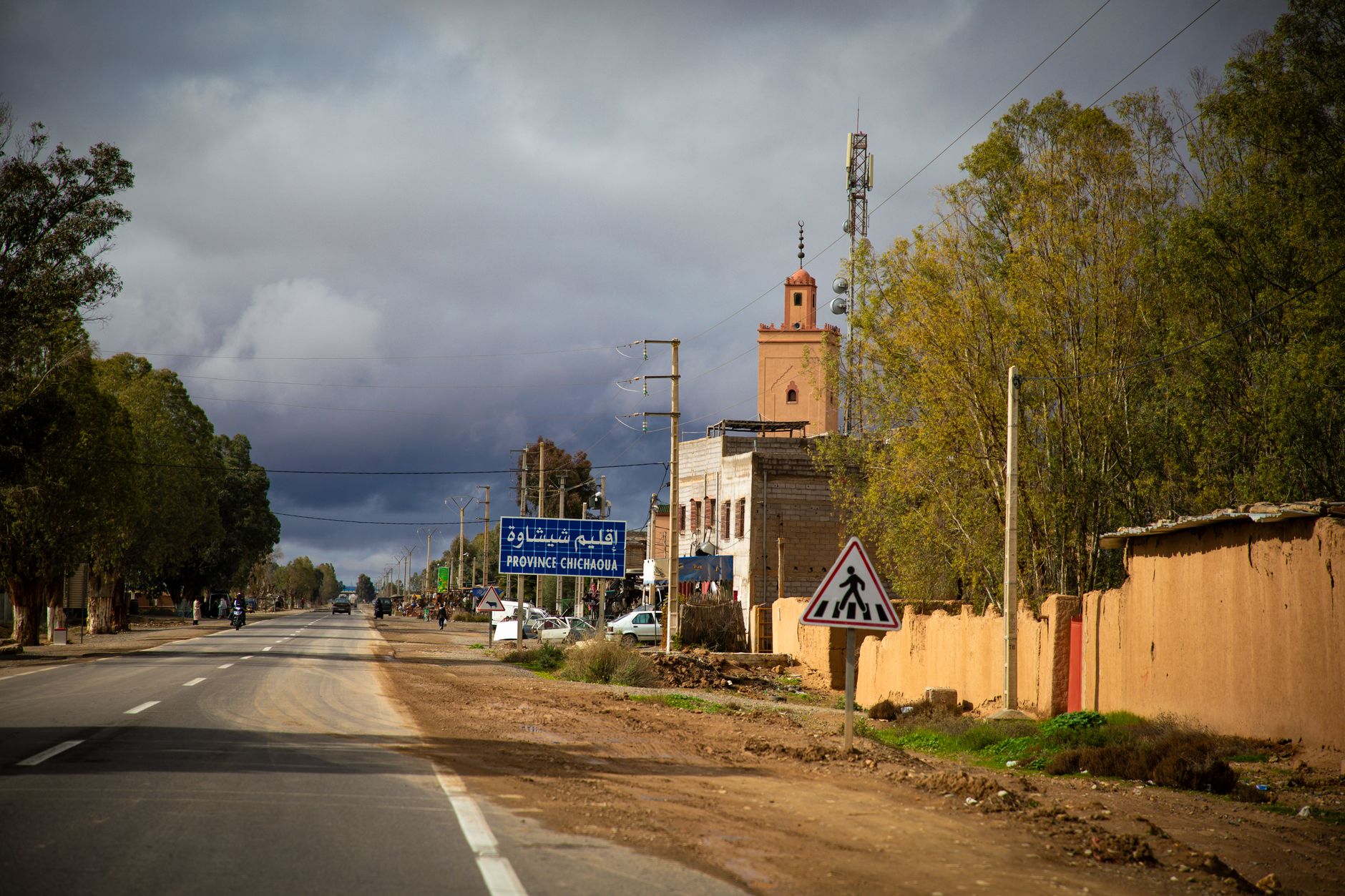

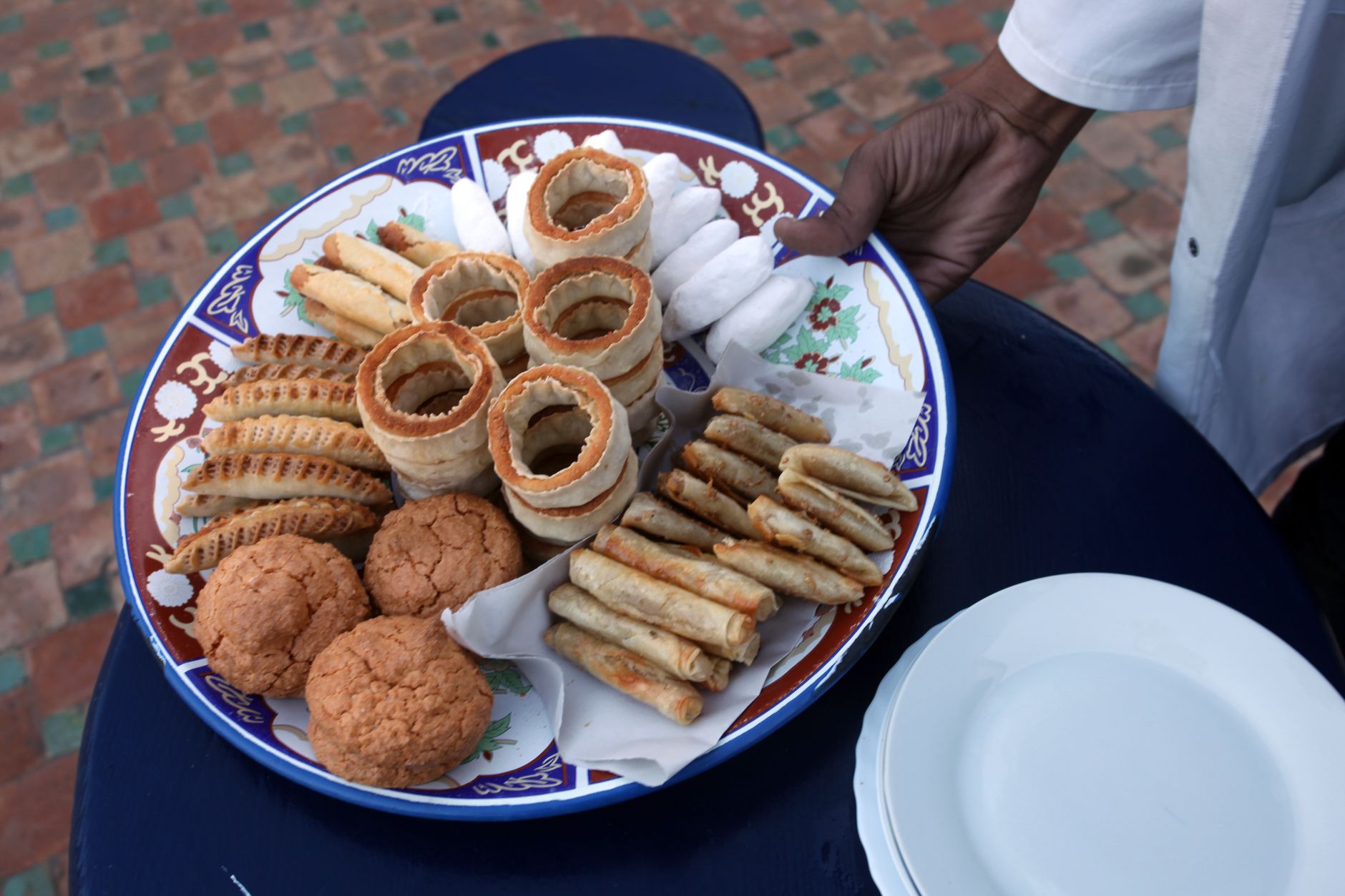

Chichaoua sits seventy-five kilometres west of Marrakesh, about an hour down the N8 toward Essaouira. It is known for madder-dyed wool carpets woven by local Berber women and roadside butcher stalls roasting spiced lamb over olive wood coals. The town is an unvarnished commercial crossroads built around transport depots and rural trade. Chichaoua is worth visiting if you want to buy woven rugs directly from artisan cooperatives and eat slow-roasted mutton straight from the fire. Look elsewhere if you want historic monuments, boutique riads, evening entertainment, or a picturesque medina to explore on foot.
Last updated 10 Sept 2026
Build a Chichaoua itinerary.
Choose up to 4 threads that pull you in. Your plan arrives organised around them.
The Bed
Where to stay in Chichaoua
Which part of town to book, and what each one costs you in walking, noise or quiet.
The Comparison
Chichaoua, or somewhere near it
The places you are realistically choosing between, and the honest case for each.
The Local Record
Where to read more about Chichaoua
The blogs, boards, guides and operators worth bookmarking.
What to do in Chichaoua Marrakesh & High Atlas Morocco
Chichaoua is a working junction town strung along the N8, where life turns on the clatter of mint tea glasses and the rumble of trucks between the mountains and the sea. Travellers come for two distinct reasons: tracking down the prized crimson carpets knotted in surrounding hamlets and eating charred mutton cooked five steps from the butcher hook. It suits practical motorists and curious craft buyers who prefer honest commerce to manicured spectacle.
24 hours in Chichaoua Marrakesh & High Atlas Morocco
Start your morning with sweet mint tea and warm khobz near the central square before visiting the artisanal carpet cooperative to inspect wool knots. Lunch on spiced lamb kefta grilled over charcoal on Avenue Mohammed V. In the late afternoon, take a quiet walk along the dry Oued Chichaoua riverbed to watch the sun drop behind the clay ramparts. Select 1 Day above to see it.
2 days in Chichaoua Marrakesh & High Atlas Morocco
A second day lets you drive thirty minutes south to the market town of Imin Tanout. Explore its steep limestone ravines and olive groves, then order a tagine of mountain goat simmered with wild thyme. Return to Chichaoua by dusk for roadside dates and sweet fried sfenj doughnuts from the evening street carts. Choose 2 Days to expand the plan.
3 days in Chichaoua Marrakesh & High Atlas Morocco
With three days, venture further into the High Atlas foothills toward the Nfiss Valley or the red-soil trails of Seksaoua. You will find family-run stone olive presses, remote mud-brick granaries, and unhurried village hospitality where a pot of tea easily turns into an hour of patient conversation.
Chichaoua Marrakesh & High Atlas Morocco itineraries by interest
Weaving Traditions in Chichaoua Marrakesh & High Atlas Morocco
Local cooperatives weave flat-weave kilims and knotted rugs using natural madder dyes, sheep wool, and centuries-old geometric Berber symbols.
Roadside Dining in Chichaoua Marrakesh & High Atlas Morocco
Butchers along the main avenue slice fresh lamb to order, grilling seasoned kefta and mutton chops over olive-charcoal braziers while you wait.
Weekly Markets in Chichaoua Marrakesh & High Atlas Morocco
The Sunday souk draws rural traders selling live poultry, fresh mint, seasonal melons, and forged farming tools under canvas awnings.
Clay Pot Cooking in Chichaoua Marrakesh & High Atlas Morocco
Slow-cooked goat and lamb tajines stew with preserved lemons, green olives, and saffron broth in unglazed earthenware pots over open embers.
Regional Architecture in Chichaoua Marrakesh & High Atlas Morocco
Earthen pisé walls and sun-dried adobe houses line the older settlements along the Oued Chichaoua riverbed, showing desert-edge building methods.
Foothill Landscapes in Chichaoua Marrakesh & High Atlas Morocco
Dry red-rock ridges and scrub plateaus rise south toward the High Atlas, crossed by shepherd tracks and ancient caravan routes.
Day Trips in Chichaoua Marrakesh & High Atlas Morocco
Head thirty minutes south to Imin Tanout for deep limestone gorges, terraced almond groves, and traditional mountain village markets.
Tea Culture in Chichaoua Marrakesh & High Atlas Morocco
Roadside cafes brew strong gunpowder green tea boiled with fresh spearmint, absinthe wormwood, and generous sugar loaves in silver pots.
Olive Production in Chichaoua Marrakesh & High Atlas Morocco
Stone mills in surrounding villages press picholine olives into peppery, golden-green oils available fresh from roadside drums in late autumn.
Rural Baking in Chichaoua Marrakesh & High Atlas Morocco
Women bake thick round flatbreads known as khobz in domed clay ovens, delivered piping hot to morning stalls with soft cow butter and wild honey.
Ancient Kasbahs in Chichaoua Marrakesh & High Atlas Morocco
Crumbling mud-brick fortresses along old trade trails reveal historical garrison posts that once guarded caravan routes between the coast and interior.
Citrus & Orchards in Chichaoua Marrakesh & High Atlas Morocco
Irrigated plots along the river basin produce sweet mandarins, pomegranates, and dried figs sold by the crate at the town exits.