Avellaneda.


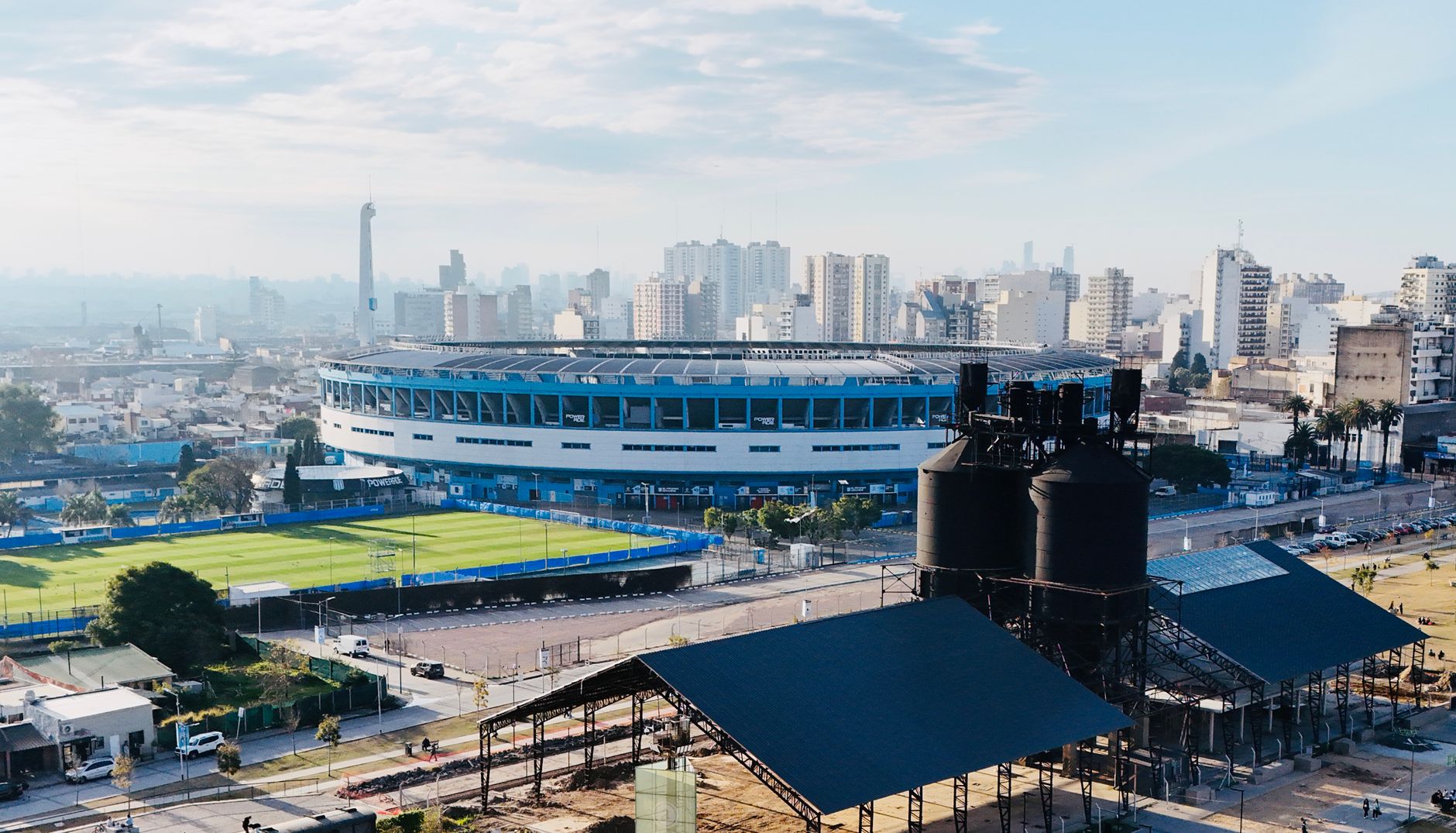


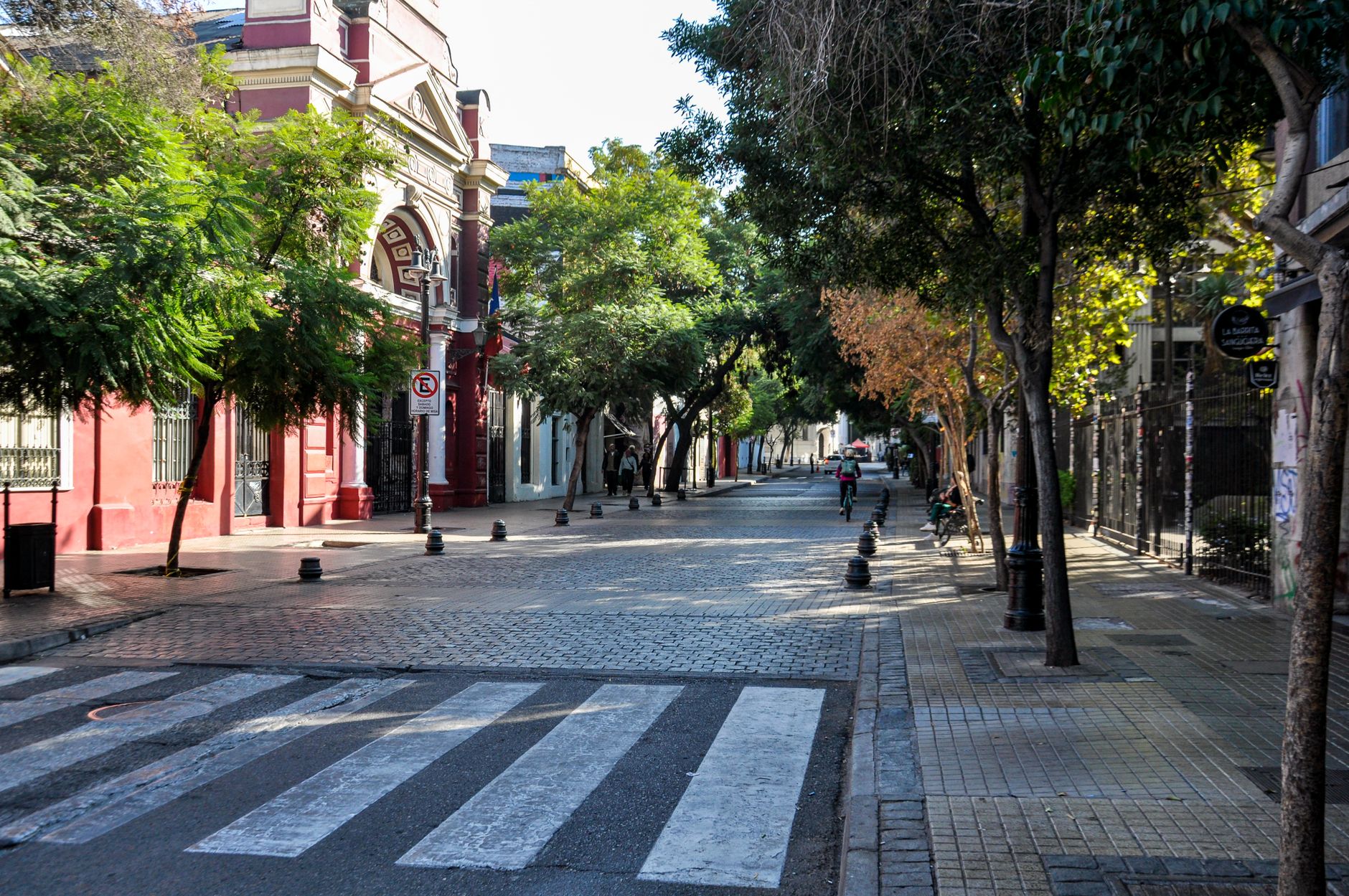
Avellaneda sits directly across the Riachuelo river from southern Buenos Aires, a fifteen-minute bus ride from Constitución station. It is defined by heavy port history, neighborhood pizzerias, and the intense football rivalry between Racing Club and Independiente, whose stadiums stand only a few blocks apart. Avellaneda is worth visiting if you want raw Argentine football culture, classic beef parrillas, and no tourist gloss. Look elsewhere if you want manicured parks, boutique shopping, or late-night cocktail bars.
Last updated 11 Oct 2026
Build a Avellaneda itinerary.
Choose up to 4 threads that pull you in. Your plan arrives organised around them.
The Bed
Where to stay in Avellaneda
Which part of town to book, and what each one costs you in walking, noise or quiet.
The Comparison
Avellaneda, or somewhere near it
The places you are realistically choosing between, and the honest case for each.
The Local Record
Where to read more about Avellaneda
The blogs, boards, guides and operators worth bookmarking.
What to do in Avellaneda Buenos Aires Argentina
Avellaneda is a working-class city anchored by heavy industry, fierce football loyalties, and sturdy Italian-Argentine cooking. Days here revolve around lunch at traditional cantinas, walking between the monumental twin stadiums, and exploring the gritty riverfront along the Riachuelo. It rewards travelers who appreciate unvarnished urban life, thick-crust fugazzeta pizza, and neighbourhood pride over polished tourist trails.
24 hours in Avellaneda Buenos Aires Argentina
Start your morning admiring the 1904 architecture of Teatro Roma near Plaza Alsina before walking down Calle Alsina to see the twin stadiums of Racing and Independiente. Eat lunch at Cantina Il Vero Bruno for handmade pasta, then cross the historic Puente Transbordador in the afternoon. Select 1 Day above to see it.
2 days in Avellaneda Buenos Aires Argentina
Spend your second day exploring the working-class streets of Piñeyro and the painted alleys of Isla Maciel with a local guide. Grab a thick slab of fugazzeta rellena at Pizzería La Curva on Avenida Mitre, followed by an evening cortado at an old corner confitería on Calle French. Choose 2 Days to expand the plan.
3 days in Avellaneda Buenos Aires Argentina
A third day lets you venture further south into Quilmes to tour the historic nineteenth-century brewery district, or take the Roca train out to the riverside reserve at Hudson for quiet coastal walking and river-caught fish lunches far removed from the city bustle.
Avellaneda Buenos Aires Argentina itineraries by interest
Sporting Traditions in Avellaneda Buenos Aires Argentina
Visit El Cilindro and Estadio Libertadores de América, two legendary rival football grounds separated by just three hundred metres on Calle Alsina.
Local Pizza in Avellaneda Buenos Aires Argentina
Order fugazzeta rellena with thick mozzarella and sweet onions at Pizzería La Curva or Los Tres Ases along Avenida Bartolomé Mitre.
Industrial Heritage in Avellaneda Buenos Aires Argentina
Walk past the iron drawbridge Puente Transbordador Nicolás Avellaneda and the brick warehouses that powered the meatpacking boom.
Traditional Dining in Avellaneda Buenos Aires Argentina
Sit down for vacio, tira de asado, and homemade chimichurri at classic suburban bodegones like El Choclo and Cantina Il Vero Bruno.
Urban Art in Avellaneda Buenos Aires Argentina
Take guided walks through Isla Maciel to see community murals painted across corrugated-tin houses beside the historic Riachuelo docks.
Performing Arts in Avellaneda Buenos Aires Argentina
Catch an opera or local theater production under the 1904 frescoed dome of Teatro Roma on Calle Sarmiento, restored to grand form.
Railway History in Avellaneda Buenos Aires Argentina
Spot nineteenth-century British brick architecture and iron signals at Estación Darío Santillán y Maximiliano Kosteki along the Roca line.
Riverfront Walks in Avellaneda Buenos Aires Argentina
Trace the southern bank of the Riachuelo to observe tugboats, rusting shipyards, and the stark industrial profile of Dock Sud.
Italian Heritage in Avellaneda Buenos Aires Argentina
Explore Piñeyro and Crucesita for old mutual-aid societies, pasta factories, and family bakeries turning out fresh medialunas and canelones.
Regional Pastries in Avellaneda Buenos Aires Argentina
Stop at century-old confiterías along Calle French for vigilantes, facturas filled with dulce de leche, and sturdy morning espresso.
Contemporary Culture in Avellaneda Buenos Aires Argentina
Visit the Centro Municipal de Arte on San Martín for photography exhibits, sculpture, and quiet courtyard spaces away from the traffic.
Neighbourhood Markets in Avellaneda Buenos Aires Argentina
Browse weekend vegetable stalls and cheese vendors near Plaza Alsina, where local producers sell sardo cheese and cured salame.