Bangsar.

.jpg)

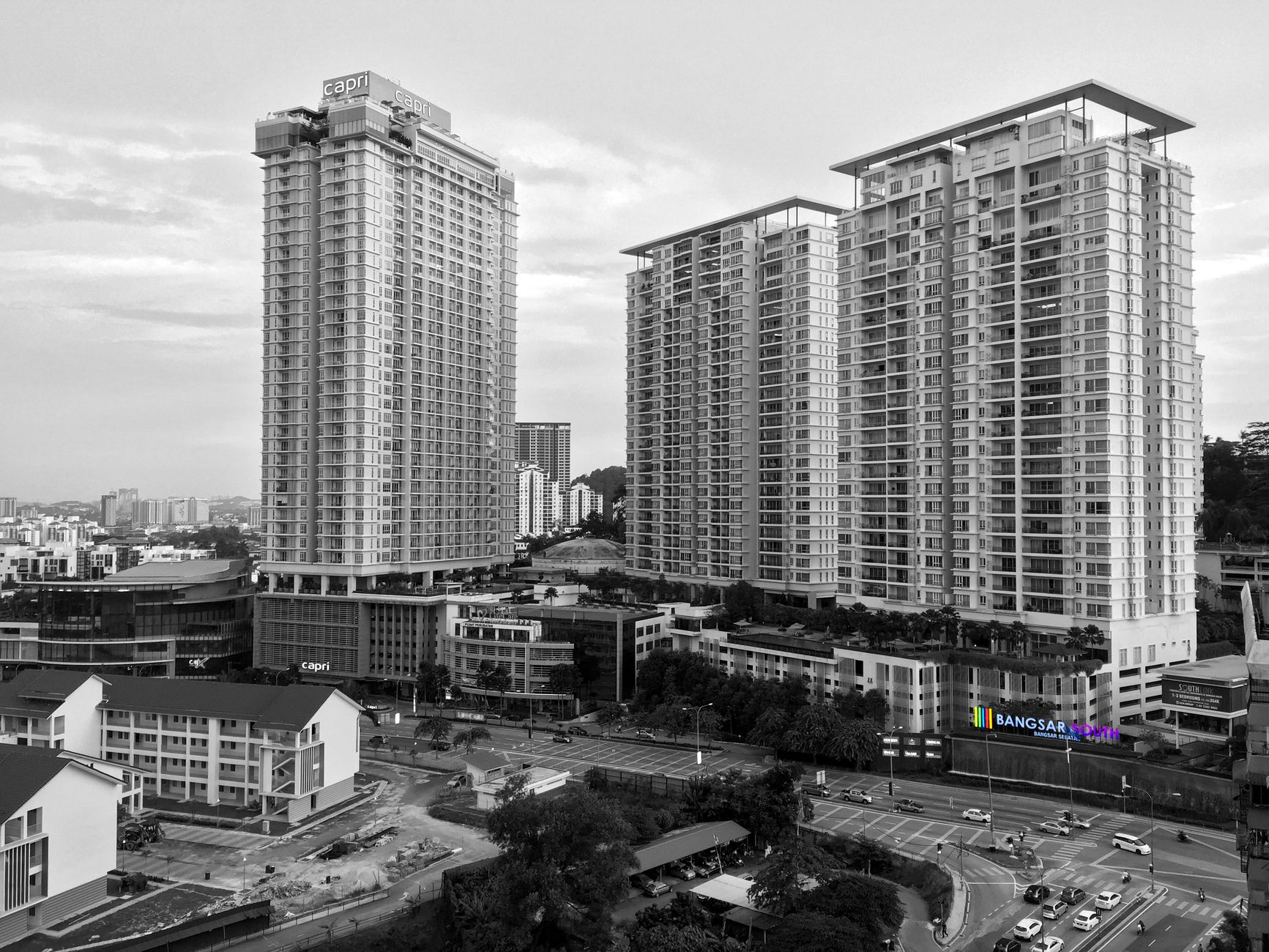
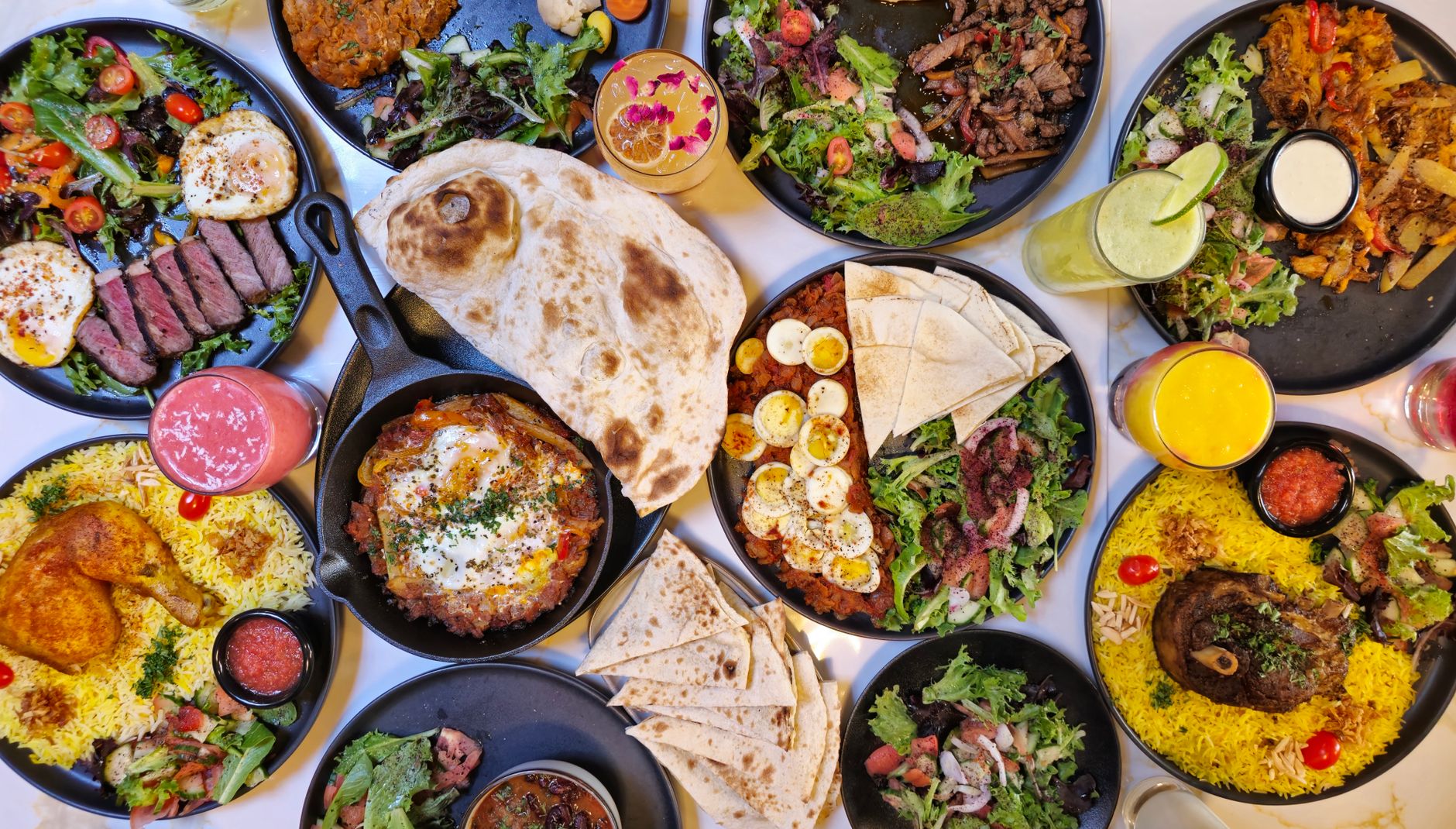
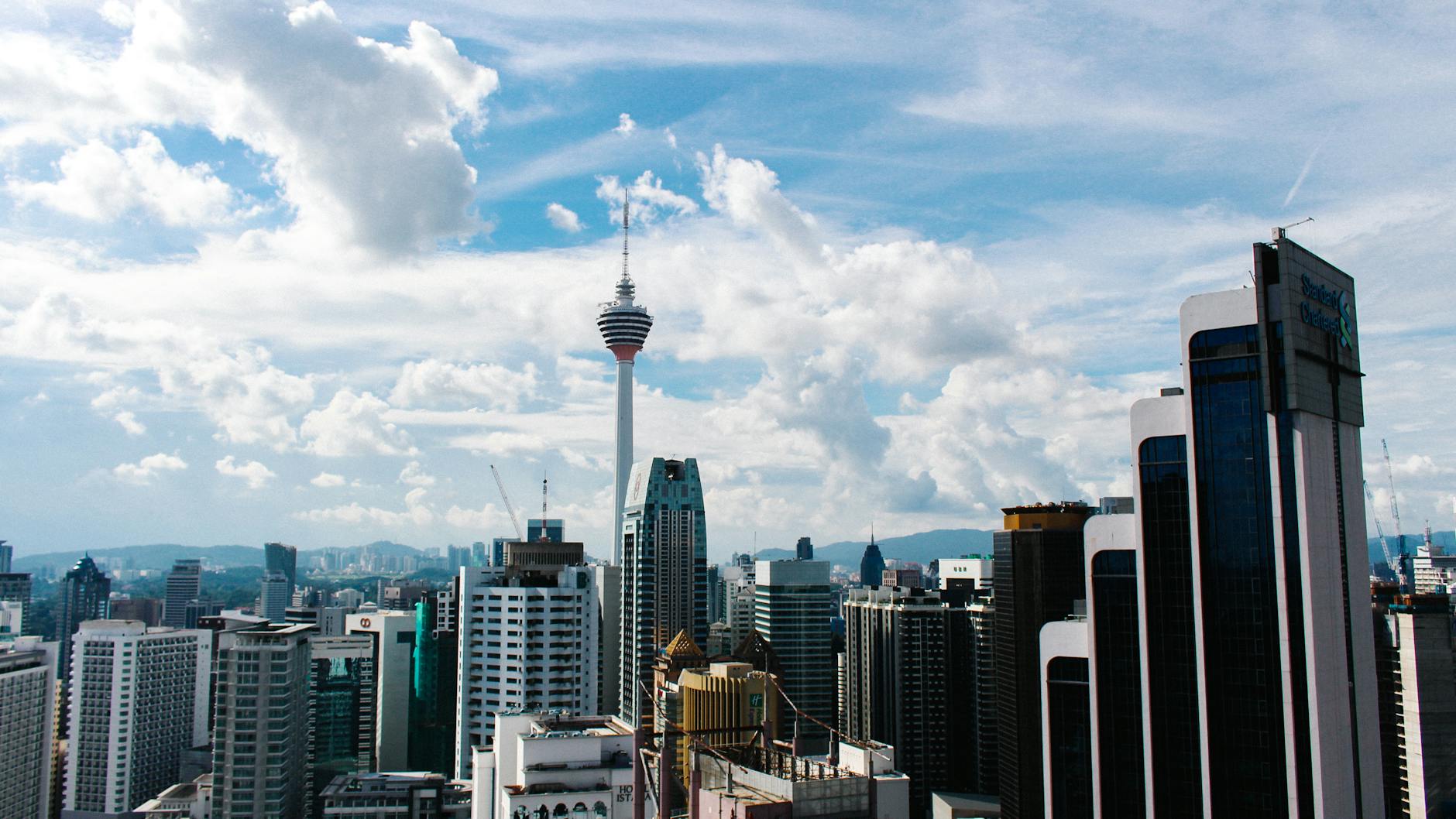
Bangsar sits just south of Kuala Lumpur proper, climbing steep hills that once grew rubber trees before turning into the capital's favourite dining enclave. Walking up Jalan Telawi in the mid-morning heat, you smell charred roti canai dough, diesel exhaust, and freshly roasted Arabica beans within thirty paces. It is an unapologetic mix of generational South Indian curry houses, quiet residential bungalows, and sharp cocktail bars that take themselves slightly too seriously.
Last updated 22 Aug 2026
Build a Bangsar itinerary.
Choose up to 4 threads that pull you in. Your plan arrives organised around them.
We'll craft a 3-lens plan for Bangsar, one collapsible strand per lens.
Weekly Night Markets
The Sunday evening pasar malam along Jalan Telawi 1 packs the street with stalls frying apam balik pancakes, grilling satay over charcoal, and pressing sugarcane juice.
Weekly Night Markets
The Sunday evening pasar malam along Jalan Telawi 1 packs the street with stalls frying apam balik pancakes, grilling satay over charcoal, and pressing sugarcane juice.
Grazing The Bangsar Pasar Malam
Pasar Malam Bangsar Baru
Stalls set up along Jalan Telawi from late afternoon. Bring small ringgit notes for freshly turned apam balik, satay skewers, and sugarcane juice.
Editor TipMalaysian weekly night markets act as communal open-air kitchens, rotating through neighbourhoods to offer regional street snacks cooked over portable gas burners. Carry cash in small denominations. Stalls rarely take cards, and change for large notes slows the queue.
Stall Hopping Along Jonker
Jonker Walk Night Market
Walk the weekend street market from five in the evening. Pick up fried carrot cake, quail eggs on skewers, and dim sum from vendors along Jalan Hang Jebat for under thirty ringgit total.
Editor TipWeekend pasar malam markets transform historic commercial corridors into open-air kitchens where multi-generational hawkers prepare regional snacks on mobile charcoal burners and griddles. Bring small paper notes; QR codes work, but crisp cash keeps the queue moving quickly.
Street Food
Devi's Corner dishes out flaky roti canai with dhal by sunrise and bubbling fish head curry by midnight under the hum of industrial outdoor fans.
Street Food
Devi's Corner dishes out flaky roti canai with dhal by sunrise and bubbling fish head curry by midnight under the hum of industrial outdoor fans.
Curry Laksa and Kopi O
Kedai Kopi Chun Heong
Grab a plastic stool, order a bowl of curry mee with cockles from the front stall, and get an iced kopi peng. Pay cash as each bowl lands on your table.
Editor TipTraditional Malaysian kopitiams function as communal hubs where independent stallholders master single recipes across decades under one shared roof. Arrive before nine to beat the office rush and secure a table under the ceiling fans.
Sampling Morning Nyonya Kuih
Nam Chuan Kopitiam
Arrive before nine to choose steamed pulut inti and kuih talam from the trays. Pay the vendor directly with small cash, then take a shared corner table with a hot kopi O.
Editor TipNyonya kuih represents centuries of Baba-Nyonya domestic confectionery, balancing pressed glutinous rice, fresh coconut milk, and blue pea flower steeped for colour. Grab a metal tong and fill your own plastic box before the blue pulut tai tai sells out by ten.
Peranakan Cuisine
Tuck into spicy pie tee shells, rich ayam buah keluar, and tart assam pedas fish at heritage Nyonya dining rooms tucked into quiet residential corners.
Peranakan Cuisine
Tuck into spicy pie tee shells, rich ayam buah keluar, and tart assam pedas fish at heritage Nyonya dining rooms tucked into quiet residential corners.
Peranakan Nyonya Feast
Baba Low's Bangsar
Order the Melaka-style Nyonya laksa, crispy top hats, and cendol at the counter. Expect a short wait on Lorong Kurau during peak lunch hours; cash or QR.
Editor TipPeranakan cooking marries Chinese culinary traditions with Malay spices, herbs, and coconut milk, producing intricate broths defined by candlenut and galangal. Save space for the cendol; the smoky palm sugar here is the real deal from Melaka.
Exploring Peranakan Ancestral Kitchens
Baba & Nyonya Heritage Museum
Walk the teak hallways of this 1896 mansion to examine charcoal hearths, brass tiffins, and antique spice grinders. Tickets are eighteen ringgit at the door.
Editor TipStraits Chinese townhouses centered family life around the kitchen, where Chinese ingredients met Malay spices to forge Nyonya domestic cooking. Join the 11:00 AM guided walkthrough for access to the rear courtyard and ancestral dining quarters.
Note from the Editor
“Bangsar wakes up hungry around Lucky Garden before the sun gets vicious. Grab an indoor table early, carry small ringgit notes for the hawker stalls, and pace your appetite before lunch.”
The Bed
Where to stay in Bangsar
Which part of town to book, and what each one costs you in walking, noise or quiet.
The Comparison
Bangsar, or somewhere near it
The places you are realistically choosing between, and the honest case for each.
The Local Record
Where to read more about Bangsar
The blogs, boards, guides and operators worth bookmarking.
What to do in Bangsar Kuala Lumpur Malaysia
Bangsar is structured around two distinct hubs: the compact, walkable grid of Bangsar Baru along Jalan Telawi, and the hillier, quieter residential stretches of Bukit Bandaraya. Life here moves between mid-morning kopitiam breakfasts, languid curry feasts served on banana leaves, and late-night drinks. It suits travellers who prefer exploring neighbourhood rhythms and genuine everyday dining over ticking off central monument checklists.
24 hours in Bangsar Kuala Lumpur Malaysia
Start early with flaky roti canai and milk tea at Devi's Corner before the midday heat settles. Spend two quiet hours browsing galleries at APW Bangsar on Jalan Riong. For lunch, queue for banana leaf rice at Sri Nirwana Maju, then cool down with an iced pour-over nearby. Close the evening with craft cocktails along Jalan Telawi. Select 1 Day above to see it.
2 days in Bangsar Kuala Lumpur Malaysia
Day two lets you branch into neighbouring Brickfields, just ten minutes east by taxi, to explore Little India's spice shops and temple halls. Return to Bangsar for dinner to tackle Peranakan dishes like assam laksa and beef rendang, followed by warm apam balik from the evening roadside vendors. Choose 2 Days to expand the plan.
3 days in Bangsar Kuala Lumpur Malaysia
A third day allows an unhurried morning walk through the shaded ridge lines of Bukit Bandaraya, watching for hornbills in the canopy. Head south toward the Mid Valley riverside or spend a slow afternoon exploring independent bookshops and quiet tea rooms tucked along Jalan Maarof.
Bangsar Kuala Lumpur Malaysia itineraries by interest
Regional Curries in Bangsar Kuala Lumpur Malaysia
Nirwana Maju and Sri Nirwana serve mountain-high rice on banana leaves, drenched in crab curry, fried bitter gourd, and dry mutton varuval that will stain your fingers yellow for days.
Café Culture in Bangsar Kuala Lumpur Malaysia
Specialty coffee roasters along Jalan Telawi 3 pull precise flat whites and pour-overs from Ethiopian beans, offering air-conditioned respite from the midday humidity.
Nightlife & Cocktails in Bangsar Kuala Lumpur Malaysia
Hidden speakeasies tucked behind faux shopfronts on Jalan Telawi 2 mix pandan infusions and aged rum, filling up fast after nine on Friday evenings.
Street Food in Bangsar Kuala Lumpur Malaysia
Devi's Corner dishes out flaky roti canai with dhal by sunrise and bubbling fish head curry by midnight under the hum of industrial outdoor fans.
Weekly Night Markets in Bangsar Kuala Lumpur Malaysia
The Sunday evening pasar malam along Jalan Telawi 1 packs the street with stalls frying apam balik pancakes, grilling satay over charcoal, and pressing sugarcane juice.
Independent Bookshops in Bangsar Kuala Lumpur Malaysia
Silverfish Books champions Southeast Asian literature and independent Malaysian writing, offering a quiet, thoughtful refuge off the main retail drag.
Contemporary Art in Bangsar Kuala Lumpur Malaysia
Rimbun Dahan and nearby APW Bangsar host rotating modern installations, printmakers, and craft markets in a converted mid-century industrial printing factory.
Urban Walking in Bangsar Kuala Lumpur Malaysia
Trek the quiet, shaded slopes of Bukit Bandaraya past mid-century modern bungalows, where resident hornbills nest in the rain trees above Jalan Medang Tanduk.
Baking & Pastry in Bangsar Kuala Lumpur Malaysia
Sourdough specialists and French patisseries around Bangsar Baru turn out crisp laminated croissants and kaya-swirled brioche daily from seven in the morning.
Traditional Breakfast in Bangsar Kuala Lumpur Malaysia
Old-school kopitiams serve soft-boiled eggs in porcelain cups with white pepper and dark soy sauce, paired with thick butter and kaya toast on charcoal bread.
Craft Boutiques in Bangsar Kuala Lumpur Malaysia
Boutique shops in Bangsar Village and APW showcase hand-drawn batik silks, local ceramicists, and natural indigo textiles crafted across the peninsula.
Peranakan Cuisine in Bangsar Kuala Lumpur Malaysia
Tuck into spicy pie tee shells, rich ayam buah keluar, and tart assam pedas fish at heritage Nyonya dining rooms tucked into quiet residential corners.