

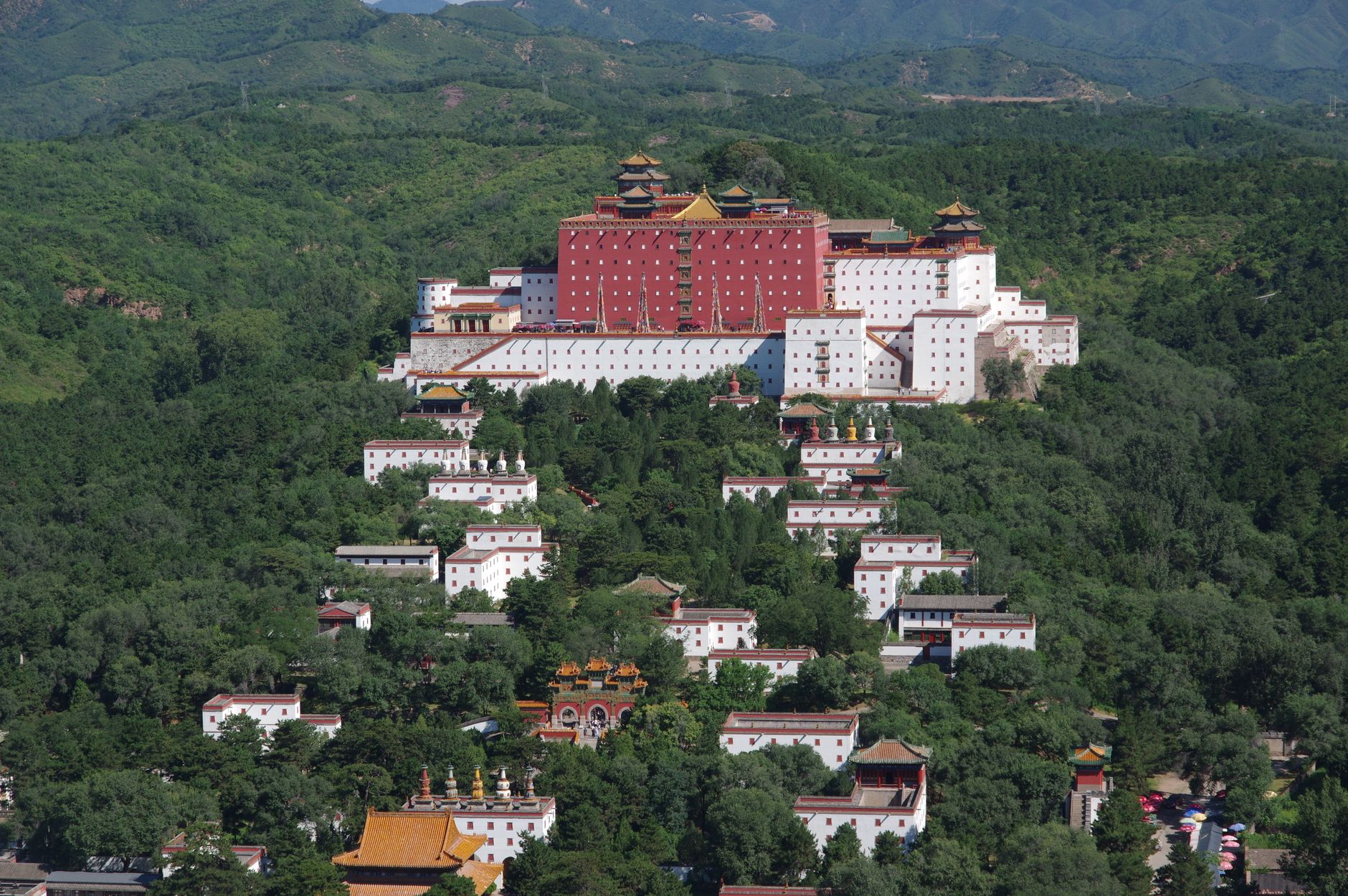

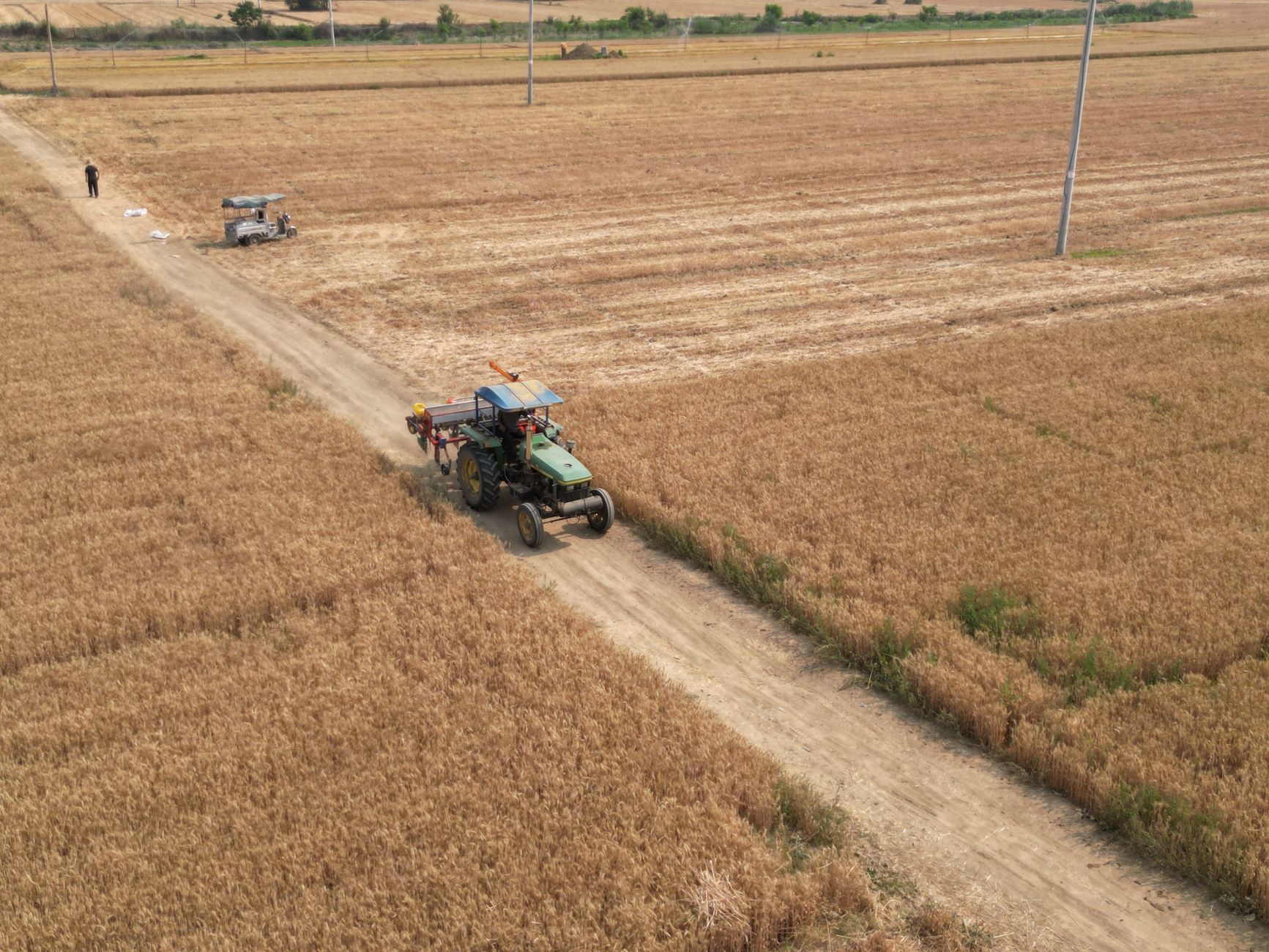

Baoding sits forty minutes southwest of Beijing by high-speed rail. Once the political centre of northern China under the Qing dynasty, the city is defined today by its preserved provincial governor's compound and its signature donkey meat huoshao. Baoding is worth visiting if you want to study late imperial administrative history and eat hot, flaky pastry stuffed with braised meat straight from the griddle. Look elsewhere if you expect late-night bar districts, English signage, or polished pedestrian precincts.
Last updated 13 Oct 2026
Build a Baoding itinerary.
Choose up to 4 threads that pull you in. Your plan arrives organised around them.
The Bed
Where to stay in Baoding
Which part of town to book, and what each one costs you in walking, noise or quiet.
The Comparison
Baoding, or somewhere near it
The places you are realistically choosing between, and the honest case for each.
The Local Record
Where to read more about Baoding
The blogs, boards, guides and operators worth bookmarking.
What to do in Baoding Hebei China
Baoding unfolds around a compact historic core centred on Yuhua Road, where Qing-dynasty administrative grandeur meets working northern street life. The rhythm is unhurried: morning walks through willow-shaded gardens, midday stops for crisp donkey meat huoshao, and afternoons examining military relics. It suits independent travellers comfortable with simple bus routes and Chinese menus.
24 hours in Baoding Hebei China
Arrive early at Baoding Railway Station. Spend the morning walking the Zhili Governor's Yamen and Ancient Lotus Pond across the street. Lunch on hot donkey meat huoshao nearby, then take a taxi east to Baoding Military Academy before dinner near Dongfeng Road. Select 1 Day above to see it.
2 days in Baoding Hebei China
Day two takes you west to Mancheng to explore the Han Dynasty cliff tombs cut deep into the hillside. Return by mid-afternoon for braised pork elbow and river fish on Yuhua Road, followed by a slow evening walk past the illuminated city gate tower. Choose 2 Days to expand the plan.
3 days in Baoding Hebei China
A third day allows a full excursion to the Western Qing Tombs near Yixian, where grand spirit ways and quiet pine forests see few tourists. Alternatively, take a morning bus to the reed channels of Baiyangdian for a lunch of fresh duck eggs and lotus root.
Baoding Hebei China itineraries by interest
Street Food in Baoding Hebei China
Crisp donkey meat huoshao straight from charcoal ovens at Yanji or Haozili, eaten with shredded green peppers and hot millet congee.
Imperial History in Baoding Hebei China
The Zhili Governor-General's Yamen on Yuhua Road, the best-preserved Qing provincial government office in China, complete with court halls.
Classical Gardens in Baoding Hebei China
Ancient Lotus Flower Pond, established during the Yuan Dynasty, with quiet pavilions, weeping willows, stone bridges, and summer lotus blooms.
Archaeology in Baoding Hebei China
Mancheng Han Tombs in the western hills, where Prince Liu Sheng was buried in jade shroud sewn with gold wire, dating to the second century BC.
Military History in Baoding Hebei China
Baoding Military Academy, which trained thousands of modern Chinese commanders across the early twentieth century, located east of the centre.
Wetlands & Lakes in Baoding Hebei China
Baiyangdian in Anxin county, North China's largest reed marsh freshwater lake system, reachable by motorboat among the fishing villages.
Sacred Architecture in Baoding Hebei China
Daming Temple and the brick Kaiyuan Temple Pagoda, standing since the Song and Liao eras with intricate timber eaves and stone steles.
Traditional Medicine in Baoding Hebei China
Anguo Medicine Market, China's historic herbal capital forty kilometres south, trading roots, dried bark, and medicinal mushrooms by the sack.
Mountain Temples in Baoding Hebei China
Mount Langya, a rugged granite ridge dotted with pine forests and mountain shrines, famous for scenic trails and historic defensive points.
Craft Traditions in Baoding Hebei China
Baoding iron fitness balls, chime-tuned and polished by hand since the Ming Dynasty, sold along the old market stalls of Yuhua Road.
Local Dining in Baoding Hebei China
Hebei banquet staples like braised pork elbow and Baiyangdian fried river fish served family-style with steamed cornbread at old neighbourhood tables.
Day Trips in Baoding Hebei China
Western Qing Tombs near Yixian, housing the Guangxu and Yongzheng emperors beneath cedar-lined paths free of Beijing-scale tour crowds.