
_10-08-2025.jpg)

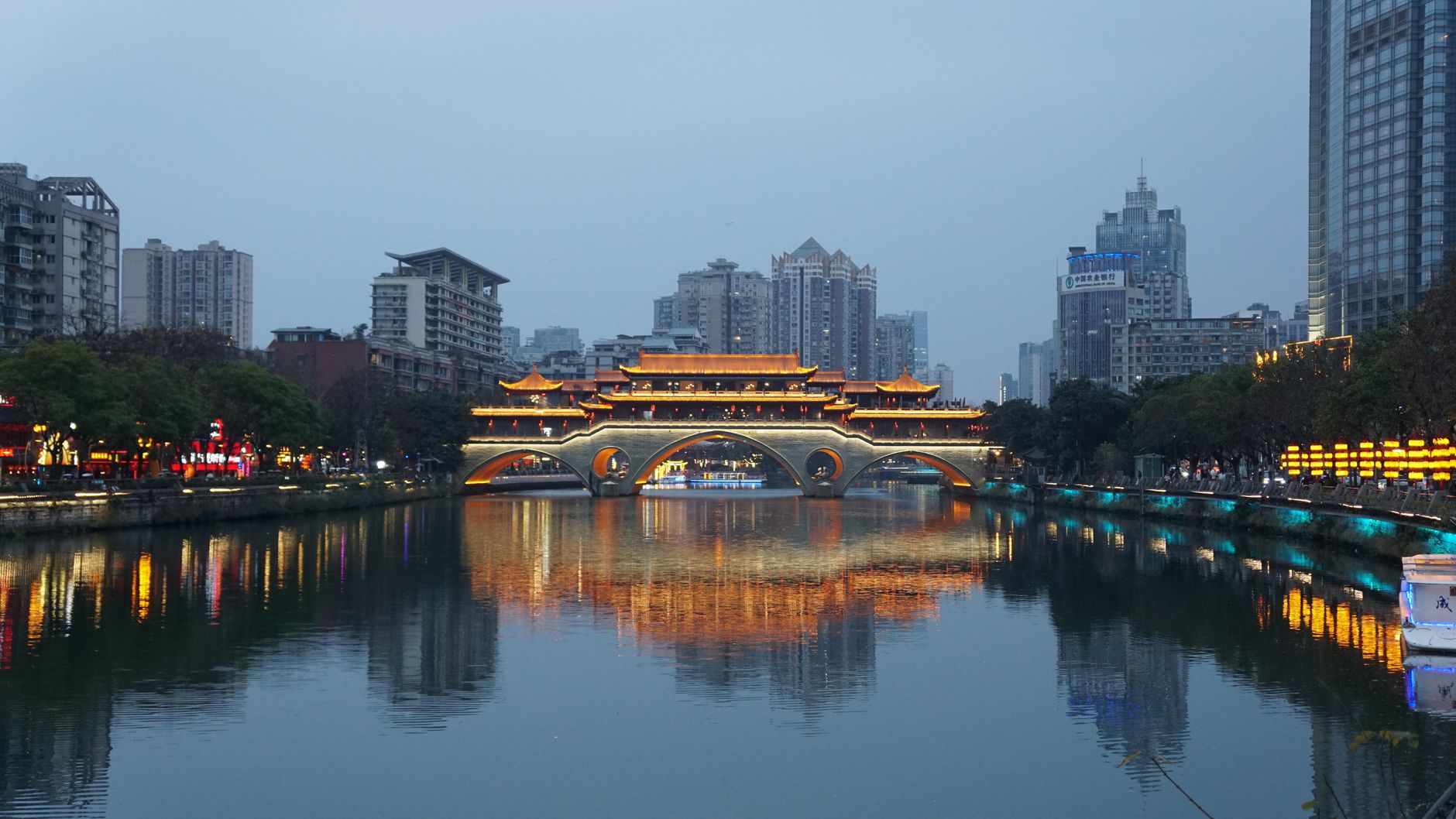


The clack of mahjong tiles on low wooden tables sets the pace across the Min River basin long before the lunchtime burners roar to life. Chengdu sits flat and green in Sichuan's fertile plain, protected by surrounding mountains and grounded by centuries of relentless culinary discipline. You will spend hours in People's Park drinking jasmine tea under camphor trees, pretending you are not already planning your next bowl of mapo tofu. Chengdu is worth visiting if you want to eat complex chili oils, watch skilled cooks balance numbing heat, and slow down your travel pace. Look elsewhere if you need sunny skies, cannot tolerate intense chili heat and numbing peppercorns, or want a compact, walkable historic center.
Last updated 3 Sept 2026
Build a Chengdu itinerary.
Choose up to 4 threads that pull you in. Your plan arrives organised around them.
The Bed
Where to stay in Chengdu
Which part of town to book, and what each one costs you in walking, noise or quiet.
The Comparison
Chengdu, or somewhere near it
The places you are realistically choosing between, and the honest case for each.
The Local Record
Where to read more about Chengdu
The blogs, boards, guides and operators worth bookmarking.
What to do in Chengdu Sichuan China
Life in Chengdu revolves around public leisure and exceptional dining. The city fans out in concentric ring roads around quiet waterways, filled with bamboo gardens and neighbourhood eateries. Days move between slow hours sipping tea in People's Park, browsing historic monastery courtyards, and tracking down family-run kitchens across Yulin. It suits travellers who appreciate patient craft, nuanced regional spices, and a decidedly unhurried urban tempo.
24 hours in Chengdu Sichuan China
Start early at Wenshu Monastery for morning quiet, followed by a bowl of sweet water noodles nearby. Spend the afternoon nursing tea at Heming Tea House, then take the metro south to Yulin for bubbling hot pot or twice-cooked pork. Keep transit easy by sticking to Metro Line 1 and 2 to cut across the central core without wasting time in surface traffic. Select 1 Day above to see it.
2 days in Chengdu Sichuan China
Spend your second morning boarding an early train to the ancient Dujiangyan irrigation weir, wandering the pine-covered hills above the Min River. Return by mid-afternoon to walk through Wangjiang Pavilion Park, followed by a dinner of dry-fried green beans and mapo tofu at a neighbourhood fly restaurant on Kuixinglou Street. Choose 2 Days to expand the plan.
3 days in Chengdu Sichuan China
A third day allows a train journey south to Mount Qingcheng, the birthplace of Taoism, where you can climb through misty cedar forests to remote mountain pavilions. Return to the city for a restorative bowl of clear chicken noodle soup and a final evening watching locals play mahjong along the riverside teahouses.
Chengdu Sichuan China itineraries by interest
Street Food in Chengdu Sichuan China
Graze along Kuixinglou Street for mapo tofu, dan dan noodles, and sweet water noodles tossed in thick chili oil and crushed peanuts.
Tea Culture in Chengdu Sichuan China
Sip jasmine tea from covered gaiwan bowls at Heming Tea House in People's Park while watching locals play cards under the bamboo.
Sacred Architecture in Chengdu Sichuan China
Wander the red-walled corridors of Wuhou Shrine and the quiet Qing-dynasty courtyards of Wenshu Monastery for incense and vegetarian broth.
Ancient Engineering in Chengdu Sichuan China
Walk the Dujiangyan irrigation system, built in 256 BC along the Min River, which still channels floodwaters and irrigates the Sichuan basin.
Spices & Markets in Chengdu Sichuan China
Source Pixian fermented broad bean paste, dried erjingtiao chilies, and red Sichuan peppercorns at the wholesale stalls near Wuhou.
Local Wildlife in Chengdu Sichuan China
Arrive at the Giant Panda Breeding Base by 7:30 AM to see giant and red pandas chewing fresh bamboo before the midday heat sets in.
Urban Parks in Chengdu Sichuan China
Stroll the stone bridges and lotus ponds of Wangjiang Pavilion Park, dedicated to the Tang-dynasty poet Xue Tao amid dense bamboo groves.
Day Trips in Chengdu Sichuan China
Take a morning high-speed train south to Mount Qingcheng to climb mist-covered stone staircases leading to ancient Taoist temples.
Hot Pot Traditions in Chengdu Sichuan China
Dip beef tripe, duck intestines, and tender greens into copper pots bubbling with tallow, star anise, and whole red chilies at late-night tables.
Craft Traditions in Chengdu Sichuan China
Examine intricate Shu brocade weaving and local lacquerware workshops preserved along the western canals and regional craft institutes.
Historic Quarters in Chengdu Sichuan China
Walk the grey-brick Qing alleyways of Kuanzhai Xiangzi early in the morning before commercial crowds take over the restored courtyard homes.
Regional Cooking in Chengdu Sichuan China
Eat twice-cooked pork, gong bao chicken, and dry-fried green beans cooked over roaring woks in small fly restaurants across the Yulin district.