.jpg)
.jpg)

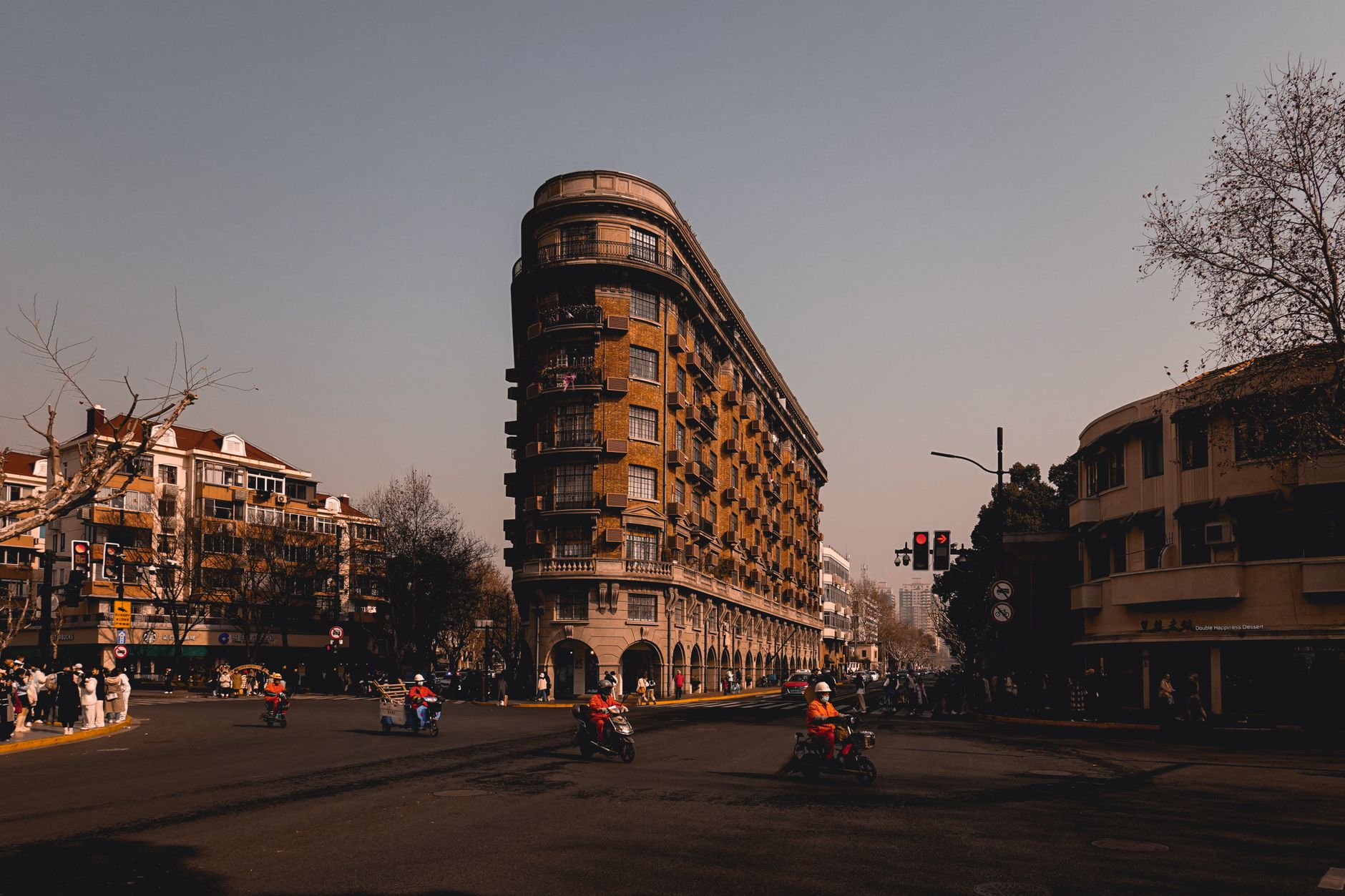


The Huangpu River splits the city into two distinct centuries: the 1920s granite bank of the Bund facing Pudong's towering steel across the grey water. Step into the plane-tree-shaded lanes of the former French Concession, where morning begins with scallion oil noodles and the rattle of metal steamers. It is vast, intensely populated, and navigated easily once you master line 2 of the metro. Shanghai is worth visiting if you want to eat steaming shengjianbao on street corners and study modern architectural audacity right alongside treaty-port history. Look elsewhere if you want ancient imperial history, rugged natural wilderness, or a quiet, slow-paced trip without dense crowds.
Last updated 3 Sept 2026
Build a Shanghai itinerary.
Choose up to 4 threads that pull you in. Your plan arrives organised around them.
The Bed
Where to stay in Shanghai
Which part of town to book, and what each one costs you in walking, noise or quiet.
The Comparison
Shanghai, or somewhere near it
The places you are realistically choosing between, and the honest case for each.
The Local Record
Where to read more about Shanghai
The blogs, boards, guides and operators worth bookmarking.
What to do in Shanghai Shanghai China
Shanghai is arranged around the Huangpu River, dividing historic Puxi from the glass towers of Pudong. Days naturally orbit quiet morning lane walks under plane trees, long lunches over soup dumplings, and evenings watching river traffic alongside floodlit 1920s facades. It suits travellers who appreciate layered urban history, world-class transit, and eating well without pomp.
24 hours in Shanghai Shanghai China
Start with a morning stroll along the Bund before crowds thicken, then grab xiaolongbao near Yu Garden. Spend your afternoon walking the quiet residential stretches of Fuxing Road in the former French Concession. Board the public ferry across the Huangpu at dusk for two yuan to see Pudong light up from the water. Select 1 Day above to see it.
2 days in Shanghai Shanghai China
Dedicate day two to Jing'an Temple and the contemporary galleries inside the M50 warehouse complex on Moganshan Road. For dinner, book a table at a traditional Benbang restaurant along Julu Road for red-braised pork and yellow croaker soup, followed by a calm night walk past the brick shikumen alleys of Sinan Mansions. Choose 2 Days to expand the plan.
3 days in Shanghai Shanghai China
A third day allows for a thirty-minute high-speed train to Suzhou to inspect the Ming-era Humble Administrator's Garden, or an hour out to the quiet water alleys of Zhujiajiao. Return to Shanghai in time for late-night wontons in peanut sauce along Yunnan South Road.
Shanghai Shanghai China itineraries by interest
Street Food in Shanghai Shanghai China
Seek out pan-fried shengjianbao at Da Hu Chun, flaky scallion pancakes from roadside griddles, and hot soy milk bowls paired with deep-fried youtiao.
Historic Architecture in Shanghai Shanghai China
Walk the Bund to trace 1920s neoclassical banks and the Art Deco Fairmont Peace Hotel, then contrast them with shikumen stone-gate houses in Xintiandi.
Classical Gardens in Shanghai Shanghai China
Wander Ming-dynasty Yu Garden before 09:00 to admire carved dragons, jagged rockeries, and carp ponds without fighting large tour groups for path space.
Regional Cooking in Shanghai Shanghai China
Order red-braised pork belly, seasonal hairy crab, and eel stir-fried with yellow chives at quiet Benbang dining rooms along Julu Road.
Contemporary Art in Shanghai Shanghai China
Explore converted 1930s textile warehouses at M50 art district on Moganshan Road and massive industrial spaces along the West Bund cultural corridor.
Sacred Sites in Shanghai Shanghai China
Visit Jade Buddha Temple to see two imported Burmese jade statues and listen to afternoon chants while burning sandalwood in the central courtyard.
Tea Culture in Shanghai Shanghai China
Sample Longjing green and aged pu-erh teas at Tianshan Tea City, where vendors brew gaiwans patiently and explain roasting methods over low wooden tables.
Urban Walks in Shanghai Shanghai China
Stroll under London planes on Wukang Road and Fuxing West Road, passing 1930s villas, garden estates, and small espresso counters.
Dumpling Traditions in Shanghai Shanghai China
Compare thin-skinned soup-filled xiaolongbao at Nanxiang with thicker, yeast-dough shengjianbao crisped on cast-iron pans across Huangpu District.
Waterfront Promenades in Shanghai Shanghai China
Ride the two-yuan public ferry between East Jinling Road and Pudong at twilight to watch illuminated skyscrapers reflect over the Huangpu River.
Day Trips in Shanghai Shanghai China
Take a thirty-minute bullet train to Suzhou for classical scholar gardens or ride an hour west to walk the stone canal bridges of Zhujiajiao.
Modern Skylines in Shanghai Shanghai China
Take the high-speed elevator up Shanghai Tower or view Pudong's towering glass forest from the quiet outdoor deck of the Bund 18 building.