

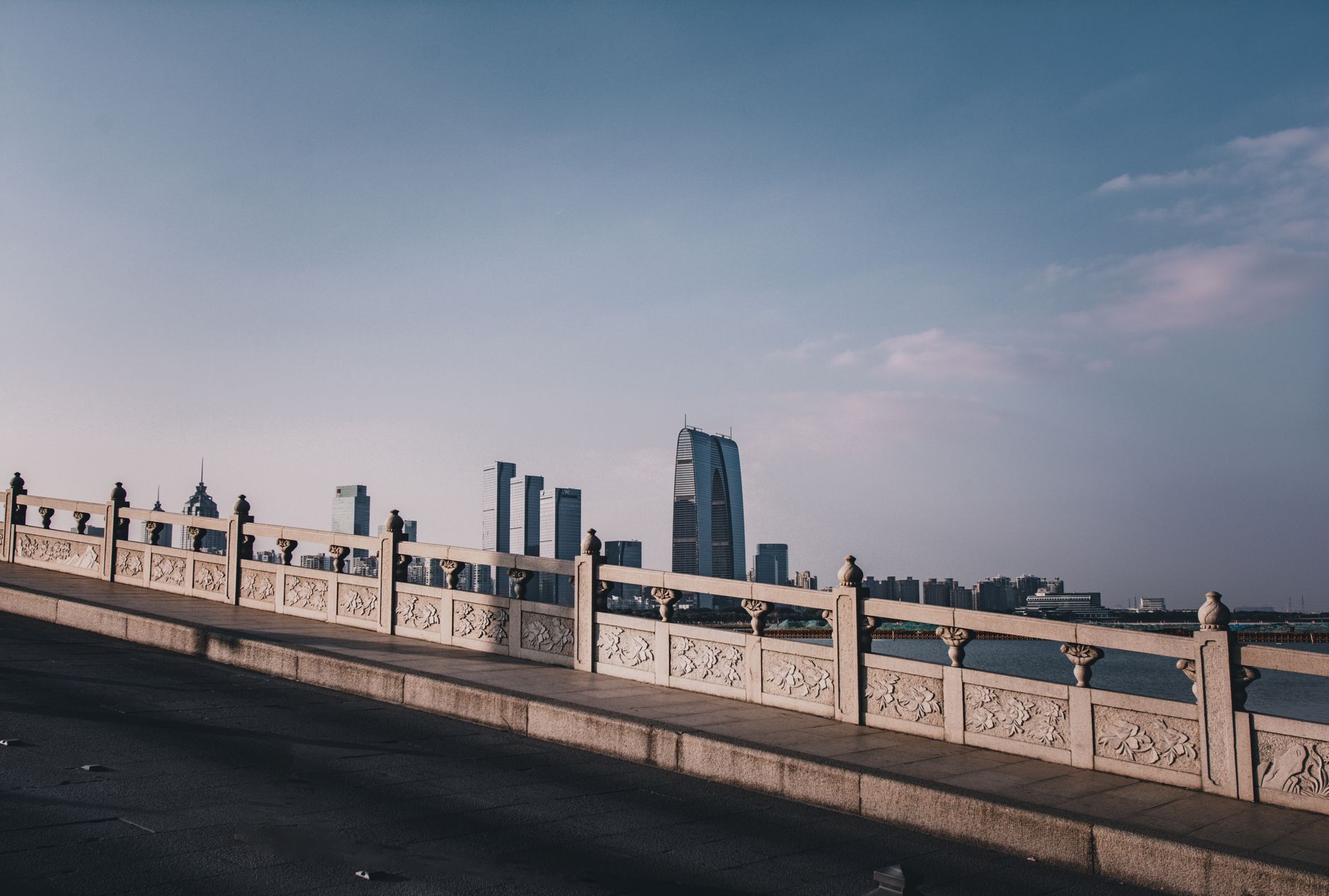
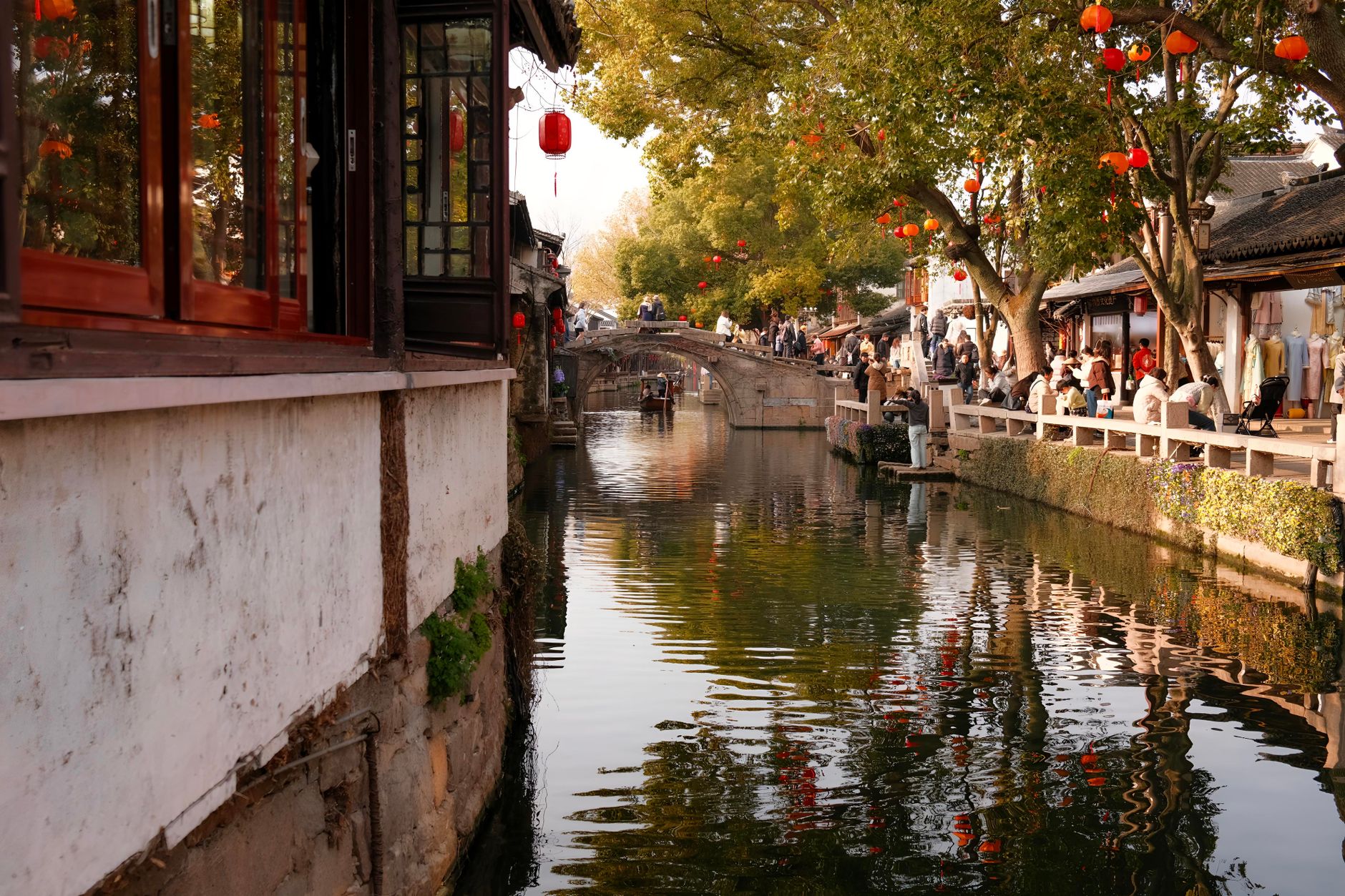
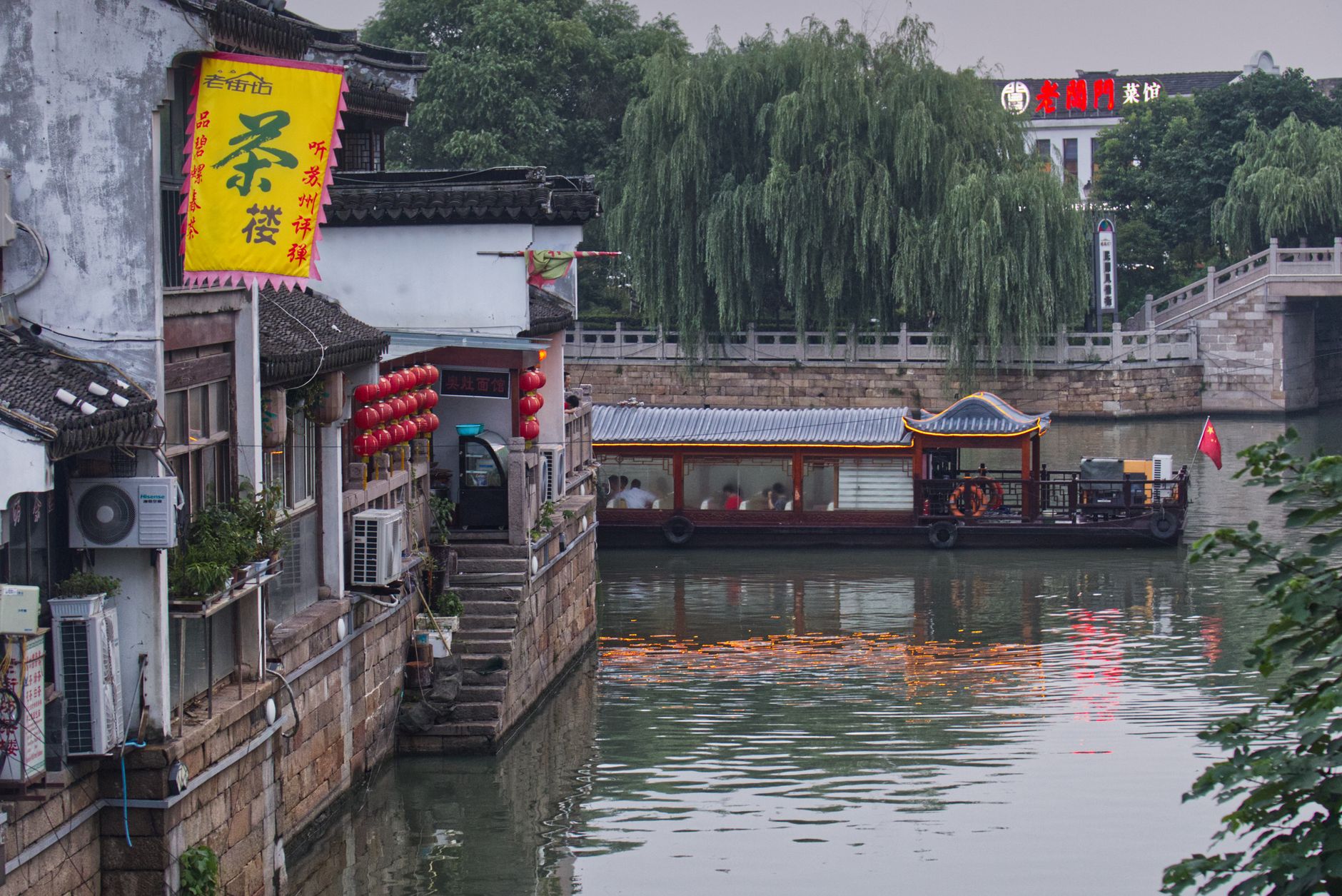

Suzhou sits 100 kilometres west of Shanghai, reachable in just twenty-five minutes on the high-speed rail from Hongqiao Station. It is renowned across China for its UNESCO-listed classical scholar gardens and a labyrinth of stone-banked canals dating back over a thousand years. While tour buses crowd the main avenues by noon, the early morning stone alleys belong to noodle shops and tea vendors. Suzhou is worth visiting if you want to study Ming dynasty garden design in person and eat freshwater river fish beside stone canals. Look elsewhere if you want energetic late-night nightlife, solitude at major historic sights, or rugged outdoor wilderness.
Last updated 9 Sept 2026
Build a Suzhou itinerary.
Choose up to 4 threads that pull you in. Your plan arrives organised around them.
The Bed
Where to stay in Suzhou
Which part of town to book, and what each one costs you in walking, noise or quiet.
The Comparison
Suzhou, or somewhere near it
The places you are realistically choosing between, and the honest case for each.
The Local Record
Where to read more about Suzhou
The blogs, boards, guides and operators worth bookmarking.
What to do in Suzhou Jiangsu China
Suzhou is shaped by its ancient grid of canals, encircling UNESCO-listed Ming dynasty scholar gardens and whitewashed courtyard houses. The rhythm here is unhurried: mornings are reserved for steaming bowls of soup noodles and tranquil garden pavilions, afternoons for loose-leaf Biluochun tea, and evenings for canal-side strolls along Pingjiang Road. It suits independent walkers, landscape design enthusiasts, and anyone who appreciates subtle Jiangnan cooking.
24 hours in Suzhou Jiangsu China
Enter the Humble Administrator's Garden at the 07:30 opening bell before crowds assemble. Walk twenty minutes south for Aozao noodles on Guanqian Street, spend the afternoon admiring I.M. Pei's Suzhou Museum, and finish with squirrel-shaped mandarin fish along Pingjiang Road. Select 1 Day above to see it.
2 days in Suzhou Jiangsu China
Spend your second morning exploring the intimate courtyards of the Lingering Garden and the leaning pagoda of Tiger Hill. In the late afternoon, take a boat through the quieter residential canals of Shantang Street, stopping for hot shengjianbao and a live Pingtan ballad set. Choose 2 Days to expand the plan.
3 days in Suzhou Jiangsu China
A third day allows a thirty-minute excursion to the water town of Tongli to see the Tuisi Garden, or a trip to Dongshan on Lake Tai for seasonal Biluochun tea plucking and steamed whitefish. You return without rushing, just in time for an evening performance at Master of the Nets.
Suzhou Jiangsu China itineraries by interest
Classical Gardens in Suzhou Jiangsu China
Walk the Ming-era Humble Administrator's Garden before 08:30, then head to the smaller Master of the Nets for precise rockeries and courtyard ponds.
Regional Cuisine in Suzhou Jiangsu China
Taste squirrel-shaped mandarin fish in sweet-sour sauce, braised pork belly, and taihu white shrimp at long-running dining rooms like Deyuelou.
Tea Culture in Suzhou Jiangsu China
Sip delicate Biluochun green tea brewed in tall glasses along Pingjiang Road, grown on the misty hills of nearby Dongshan peninsula on Lake Tai.
Noodle Shops in Suzhou Jiangsu China
Queue early for thin Suzhou soup noodles topped with braised duck, wild eel, or river shrimp roe at centuries-old spots like Tongdexing.
Canal Walks in Suzhou Jiangsu China
Follow stone flags along Pingjiang Road and Shantang Street at dusk, watching flat-bottom wooden punts navigate ancient arched bridges.
Silk Traditions in Suzhou Jiangsu China
Observe intricate Kesi silk tapestry weaving and double-sided embroidery demonstrations inside the Suzhou Silk Museum on Renmin Road.
Street Food in Suzhou Jiangsu China
Graze on pan-fried shengjianbao dumplings leaking rich hot broth, sweet osmanthus rice cakes, and fermented tofu along Guanqian Street lanes.
Traditional Opera in Suzhou Jiangsu China
Catch an intimate Kunqu opera scene or Pingtan ballad performance in a teahouse courtyard, where singers play pipa and sanxian lutes.
Lakeside Dining in Suzhou Jiangsu China
Travel to Yangcheng Lake in autumn for prized hairy mitten crabs steamed simply with ginger, vinegar, and warm Shaoxing rice wine.
Sacred Architecture in Suzhou Jiangsu China
Climb Tiger Hill to inspect the leaning Yunyan Pagoda, built in 961, and explore the tranquil yellow-walled courtyards of Hanshan Temple.
Modern Architecture in Suzhou Jiangsu China
Visit I.M. Pei's Suzhou Museum to see grey slate, geometric white plaster walls, and lotus ponds reinterpreting classical garden geometry.
Water Towns in Suzhou Jiangsu China
Take a short taxi to Tongli or Luzhi to cross Ming and Qing stone bridges and explore canal-side courtyard homes without the city traffic.