


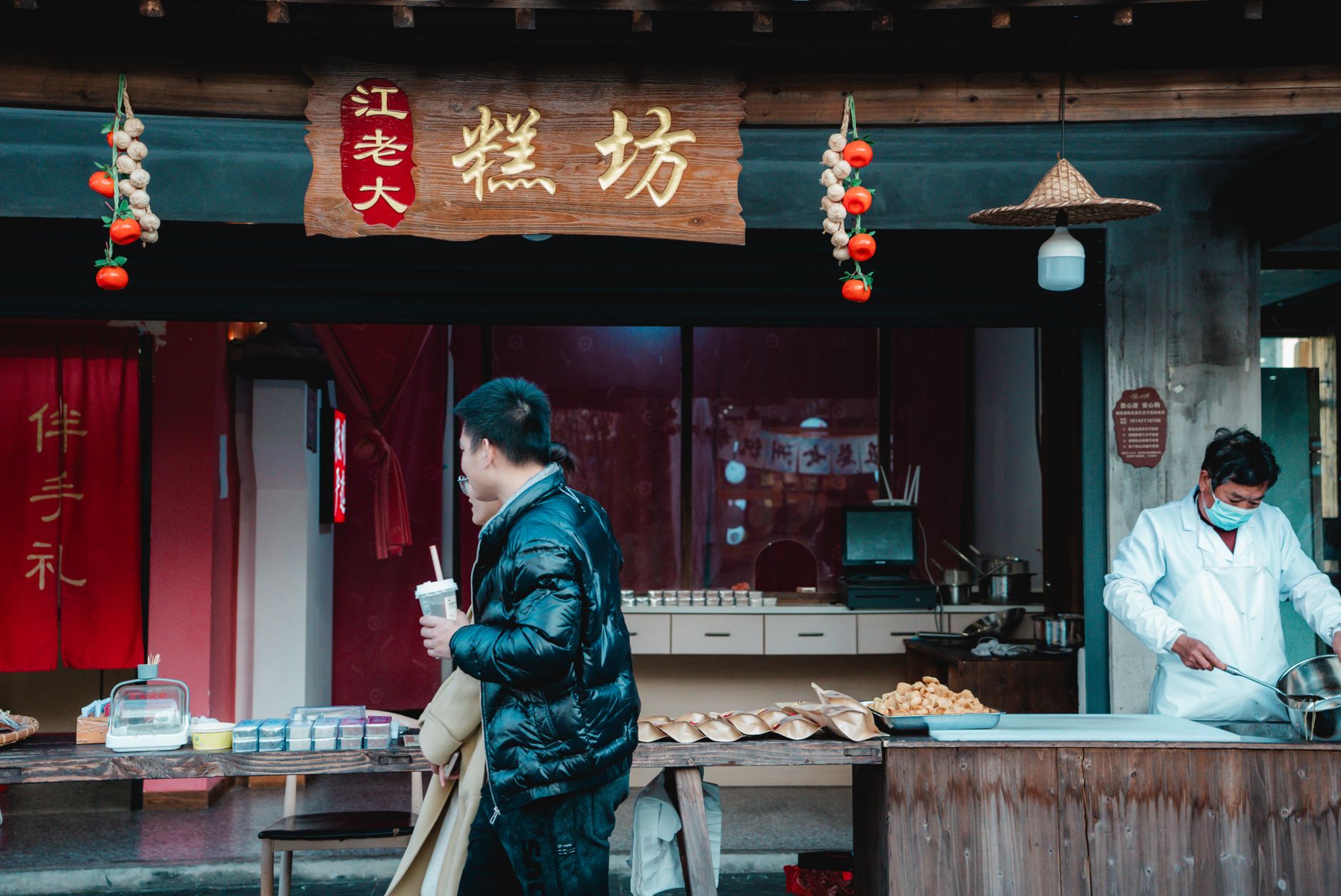

Baoshan sits forty minutes north of central Shanghai via Metro Line 3, where the Huangpu River joins the Yangtze. It is known for coastal artillery history, modern glassmaking, and the Tang-style timber joinery of Baoshan Temple. Baoshan is worth visiting if you want to study traditional wooden architecture, explore estuary wetlands, and eat braised river fish. Look elsewhere if you want late-night cocktail lounges, concession-era mansions, or compact walkable shopping streets.
Last updated 11 Oct 2026
Build a Baoshan itinerary.
Choose up to 4 threads that pull you in. Your plan arrives organised around them.
The Bed
Where to stay in Baoshan
Which part of town to book, and what each one costs you in walking, noise or quiet.
The Comparison
Baoshan, or somewhere near it
The places you are realistically choosing between, and the honest case for each.
The Local Record
Where to read more about Baoshan
The blogs, boards, guides and operators worth bookmarking.
What to do in Baoshan Shanghai China
Baoshan divides its personality between working waterfronts, heavy industry turned creative spaces, and centuries-old canal settlements. Days here naturally follow transit corridors from central Shanghai out to the river mouth. Travellers who appreciate technical craft will enjoy the glass furnaces and Tang woodworking, while anyone needing manicured downtown glitz will feel out of place among the container yards and quiet suburban avenues.
24 hours in Baoshan Shanghai China
Take Metro Line 3 north to Songfa Road for the Shanghai Museum of Glass morning glassblowing demos. Head east to Paotaiwan Wetland Park for a walk along the Yangtze, then sit down for steamed whitebait and pork dumplings on Mudanjiang Road before taking the metro back. Select 1 Day above to see it.
2 days in Baoshan Shanghai China
A second day belongs in the northwest at Luodian. Spend the morning examining the nail-free rosewood beams of Baoshan Temple, cross Daguan Bridge into the canal streets for Luodian meatballs, and stroll through Gucun Park in late afternoon light. Choose 2 Days to expand the plan.
3 days in Baoshan Shanghai China
With three days, slow down at the Wusongkou waterfront to track river freighters from the embankment promenade. Take an afternoon ferry toward Chongming Island or explore the quiet brick alleys and traditional kite workshops along Tingqian Street without watching the clock.
Baoshan Shanghai China itineraries by interest
Sacred Architecture in Baoshan Shanghai China
Baoshan Temple in Luodian showcases African rosewood joined without nails, faithfully reconstructing Tang Dynasty dougong brackets and quiet courtyards.
Modern Art in Baoshan Shanghai China
The Shanghai Museum of Glass occupies a former bottle factory on Changjiang West Road, pairing hot glass workshops with sleek contemporary sculpture.
Maritime History in Baoshan Shanghai China
Walk the granite ramparts of Wusong Ancient Fort and browse naval artillery exhibits where the Huangpu empties into the Yangtze Estuary.
Wetland Ecology in Baoshan Shanghai China
Wusong Paotaiwan Park provides wooden boardwalks over tidal mudflats, where migratory shorebirds feed against a backdrop of container freighters.
Canal Towns in Baoshan Shanghai China
Luodian Old Town preserves stone bridges like Daguan Bridge, quiet canals, and street stalls serving steamed Luodian pork meatballs in broth.
Local Seafood in Baoshan Shanghai China
Estuary restaurants along the riverbank serve steamed Yangtze whitebait, seasonal tapertail anchovy, and hairy crab braised with ginger and Shaoxing wine.
Industrial Heritage in Baoshan Shanghai China
Repurposed steel and glass plants across Songnan host ceramics studios, industrial design galleries, and cavernous post-industrial event spaces.
Street Food in Baoshan Shanghai China
Morning stalls near Mudanjiang Road fry scallion oil pancakes and wrap fresh pork wontons for dock workers before the day shifts begin.
Public Parks in Baoshan Shanghai China
Gucun Park spans hundreds of acres of waterways and plum groves, drawing vast crowds for spring cherry blossoms and autumn osmanthus walks.
River Cruises in Baoshan Shanghai China
Wusongkou terminal hosts international liners, while public riverside piers offer benches to watch barges navigate the wide shipping channels.
Local Crafts in Baoshan Shanghai China
Luodian Dragon Boat makers and bamboo kite artisans maintain workshops tucked into the alleys off Tingqian Street, following Ming-era patterns.
Regional Cooking in Baoshan Shanghai China
Diners gather in Dachang for slow-braised mutton pots, thick wheat noodles, and winter hotpots seasoned with local scallions and black vinegar.