

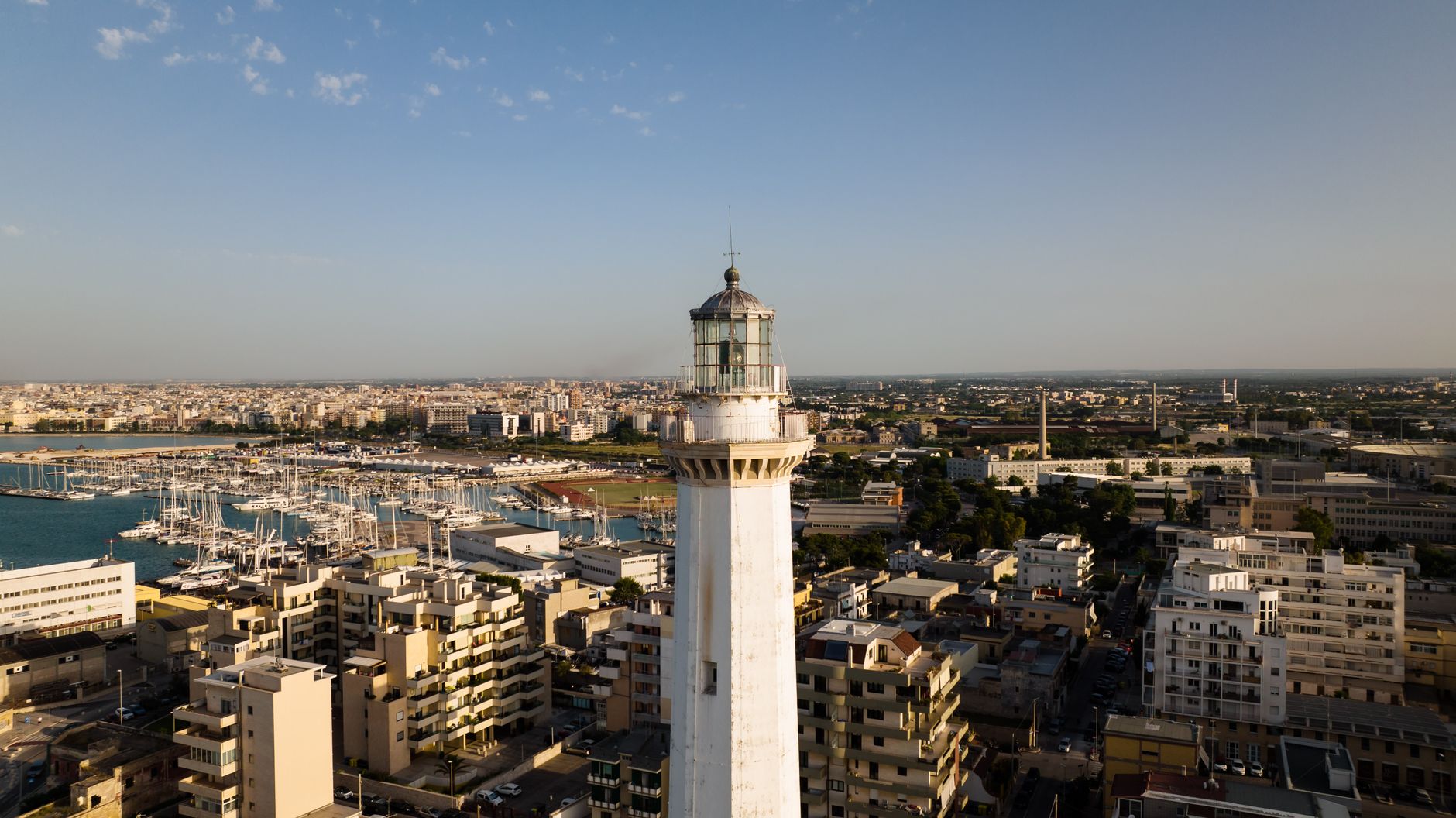


Bari sits on the Adriatic coast of Puglia, four hours south of Rome by high-speed rail and twenty minutes from its international airport by direct train. It is a working port city known for its twelfth-century basilica, raw seafood markets, and the old alleys where women shape semolina pasta on wooden boards outside their front doors. Bari is worth visiting if you want to eat raw cuttlefish straight off the boat and explore a lived-in coastal old town without museum polish. Look elsewhere if you want broad sandy beaches within walking distance, major art museums, or a quiet, polished resort town.
Last updated 9 Sept 2026
Build a Bari itinerary.
Choose up to 4 threads that pull you in. Your plan arrives organised around them.
The Bed
Where to stay in Bari
Which part of town to book, and what each one costs you in walking, noise or quiet.
The Comparison
Bari, or somewhere near it
The places you are realistically choosing between, and the honest case for each.
The Local Record
Where to read more about Bari
The blogs, boards, guides and operators worth bookmarking.
What to do in Bari Puglia Italy
Bari splits neatly into two distinct personalities: the labyrinthine medieval lanes of Bari Vecchia jutting out to sea, and the grand nineteenth-century grid of the Murat district directly south. Daily life revolves around the harbour, the evening stroll, and long lunches in unpretentious trattorie. It suits travellers who prefer the authentic pulse of a working southern Italian port over manicured postcard towns.
24 hours in Bari Puglia Italy
Spend morning watching pasta makers on Arco Basso and visiting Basilica di San Nicola. Lunch on raw squid at Molo San Nicola or warm focaccia from Panificio Fiore. Spend the afternoon strolling the Murat shopping streets, then settle into Piazza del Ferrarese for orecchiette with turnip tops and a glass of Primitivo. Select 1 Day above to see it.
2 days in Bari Puglia Italy
A second day allows a morning swim at Pane e Pomodoro beach followed by an exploration of Castello Svevo. Cross into the modern quarter for an espresso at a historic cafe on Corso Cavour, then take an evening twenty-minute train down the coast to Polignano a Mare for cliff views and grilled octopus. Choose 2 Days to expand the plan.
3 days in Bari Puglia Italy
With three days, take the local train thirty miles northwest to Trani to see its pink-limestone cathedral standing right at the water's edge. Return for an unhurried dinner of tiella barese (baked rice, potatoes, and mussels) in an alley trattoria, experiencing the city when the day-trippers have cleared out.
Bari Puglia Italy itineraries by interest
Local Seafood in Bari Puglia Italy
Eat raw squid, sea urchins, and red prawns dressed with lemon at Molo San Nicola, washed down with a cold Peroni from the fishermen.
Street Food in Bari Puglia Italy
Queue for sgagliozze (fried polenta squares) and popizze from Maria on Strada del Carmine, alongside warm focaccia barese topped with tomatoes and olives.
Sacred Architecture in Bari Puglia Italy
Walk into the Romanesque crypt of Basilica di San Nicola to see the eleventh-century tomb holding the saint's relics beneath carved stone capitals.
Pasta Traditions in Bari Puglia Italy
Watch local nonnas roll orecchiette and cavatelli along Arco Basso, then order them tossed with bitter cime di rapa and anchovies at a nearby trattoria.
Coastal Walks in Bari Puglia Italy
Follow the Lungomare Nazario Sauro, a wide seafront promenade built in the 1930s, heading south past the fishermen to the city beach at Pane e Pomodoro.
Medieval History in Bari Puglia Italy
Tour the imposing walls of the 13th-century Castello Svevo, rebuilt by Frederick II, which guards the western edge of the Bari Vecchia peninsula.
Markets & Produce in Bari Puglia Italy
Browse the covered Mercato Coperto di Santa Scolastica for wild cardoncelli mushrooms, fava beans, Lampascioni bulbs, and wheels of aged canestrato.
Wine & Vineyards in Bari Puglia Italy
Sample dry Verdeca and robust Primitivo di Manduria by the glass in the wine bars tucked around Piazza Mercantile and Piazza del Ferrarese.
City Beaches in Bari Puglia Italy
Take a swim off the curved sandbar at Pane e Pomodoro beach or join locals sunbathing on the flat limestone slabs along the waterfront promenade.
Day Trips in Bari Puglia Italy
Catch the local Ferrovie del Nord Barese train to Trani to visit its seaside cathedral, or head south to the cliff-edge terraces of Polignano a Mare.
Classical Theatre in Bari Puglia Italy
Book evening opera tickets or an afternoon tour at Teatro Petruzzelli on Corso Cavour, one of Italy's grandest 20th-century opera houses.
Modern Architecture in Bari Puglia Italy
Wander the Murat district, laid out on an orderly 19th-century grid by Joachim Murat, filled with elegant Art Nouveau palazzi and wide shopping streets.