
_3_Punta_Suina_(Lecce).JPG)

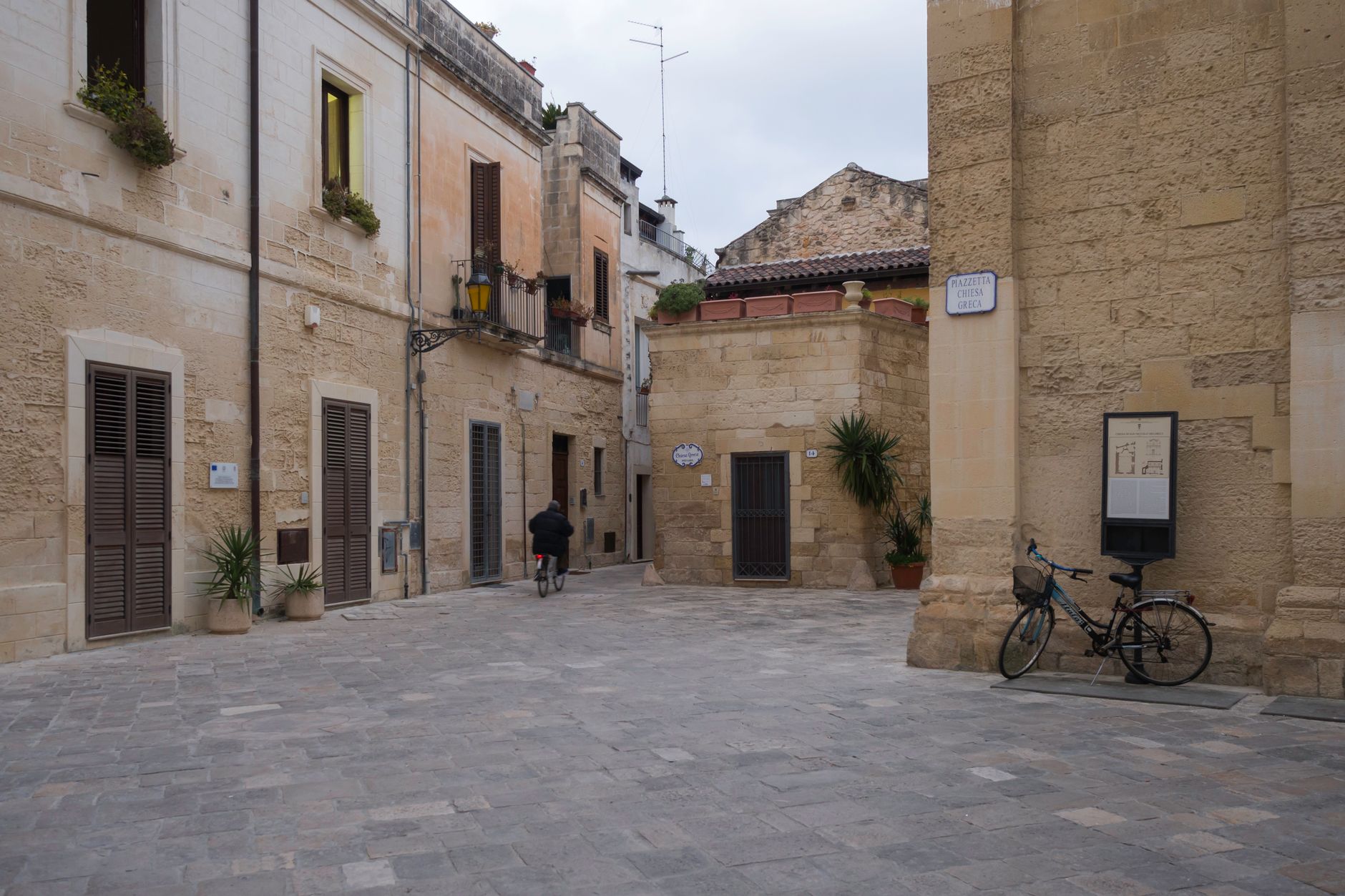

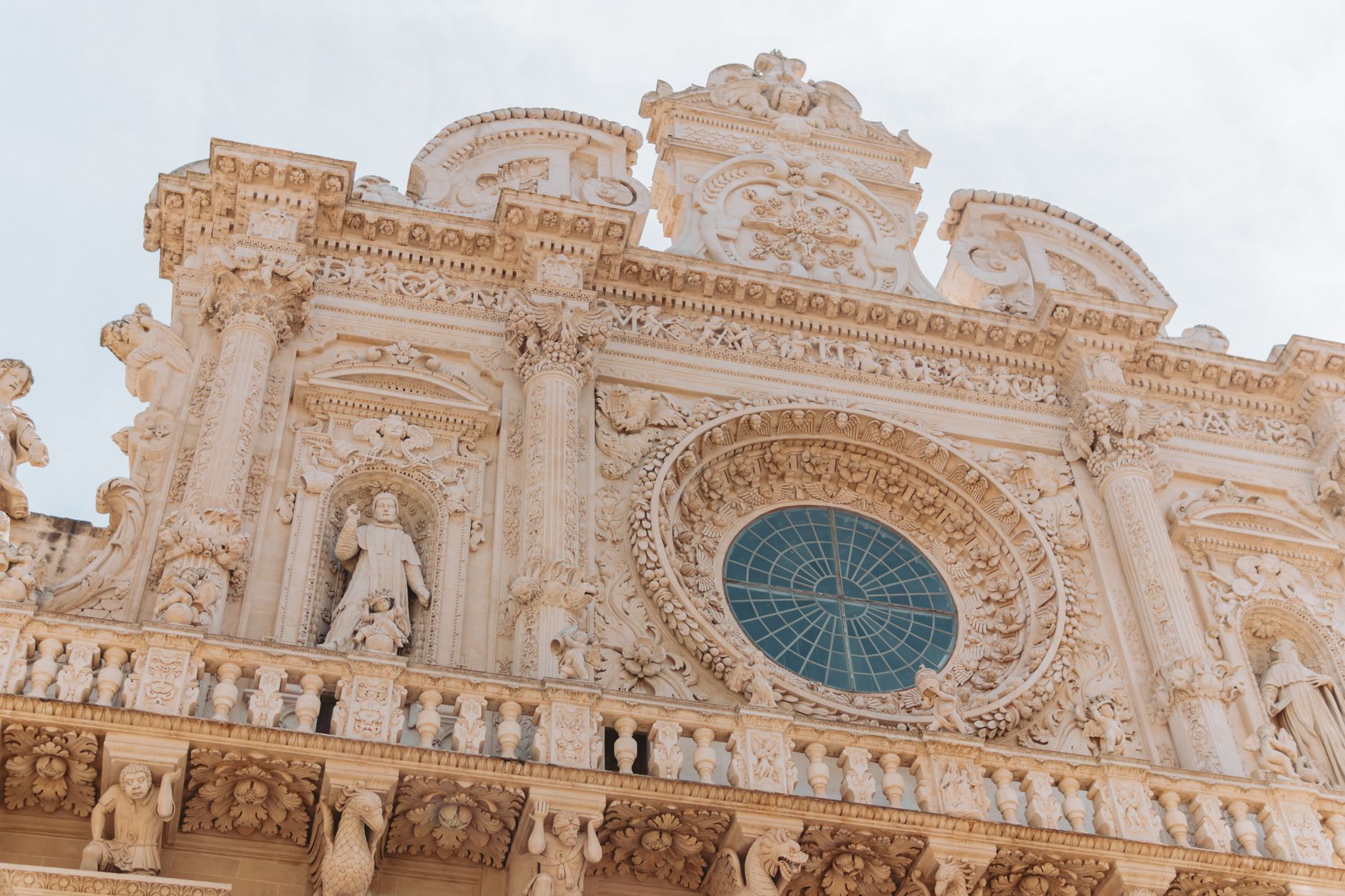
Morning light catches the soft limestone of the Basilica di Santa Croce, making the stone look like dried butter before the heat settles in. Lecce sits flat in the dry middle of the Salento peninsula, far from the coastal breeze. You walk everywhere on pale flagstones, dodging scooters between seventeenth-century cherubs and gargoyles. Stop at a counter for a hot rustico filled with bechamel and tomato. It is theatrical, deeply relaxed, and built entirely of chalk.
Last updated 28 Aug 2026
Build a Lecce itinerary.
Choose up to 4 threads that pull you in. Your plan arrives organised around them.
The Bed
Where to stay in Lecce
Which part of town to book, and what each one costs you in walking, noise or quiet.
The Comparison
Lecce, or somewhere near it
The places you are realistically choosing between, and the honest case for each.
The Local Record
Where to read more about Lecce
The blogs, boards, guides and operators worth bookmarking.
What to do in Lecce Puglia Italy
The historic core unfolds inside ancient stone gates, completely flat and easily walked in a single afternoon. Lecce lives by a sensible southern clock: busy mornings over cold almond coffee, an absolute shutdown for the afternoon heat, and lively evenings in the piazzas. It suits walkers, architecture buffs, and anyone who prefers honest peasant pasta to fuss.
24 hours in Lecce Puglia Italy
Begin at Piazza del Duomo before the tour groups land, then inspect the Roman amphitheatre. Grab a pasticciotto at Caffè Alvino, spend the afternoon sheltering from the sun, and sit down late for sagne 'ncannulate at a quiet trattoria near Porta Rudiae. Select 1 Day above to see it.
2 days in Lecce Puglia Italy
Use morning two to visit the papier-mâché artisans along Via Palmieri and the quiet cloister of Santa Chiara. By afternoon, take the 30-minute drive east to the rocky coves and Aragonese castle of Otranto for grilled fish by the sea before returning. Choose 2 Days to expand the plan.
3 days in Lecce Puglia Italy
Head west across the Salento plain to Gallipoli’s island old town and fish market, or tour the olive groves and Negroamaro cellars around Guagnano. Back in Lecce, take the final evening slowly with ciceri e tria and a carafe of red wine.
Lecce Puglia Italy itineraries by interest
Sacred Architecture in Lecce Puglia Italy
Admire the intricate limestone carvings at Basilica di Santa Croce and the enclosed grandeur of Piazza del Duomo.
Local Bakeries in Lecce Puglia Italy
Start with a warm custard pasticciotto at Caffè Alvino or grab a savoury rustico leccese layered with mozzarella.
Craft Traditions in Lecce Puglia Italy
Watch papier-mâché masters shape religious figures with paper and paste in tiny workshops along Via Palmieri.
Wine & Vineyards in Lecce Puglia Italy
Sip bold Negroamaro and Primitivo pours at unassuming enoteche tucked near the Roman amphitheatre.
Ancient Ruins in Lecce Puglia Italy
Walk past the excavated second-century Roman amphitheatre sunken into the middle of bustling Piazza Sant'Oronzo.
Regional Pasta in Lecce Puglia Italy
Order handmade orecchiette or sagne 'ncannulate twisted with tomato and aged ricotta forte at a local trattoria.
Street Life in Lecce Puglia Italy
Join the slow evening passeggiata down Via Vittorio Emanuele II as the limestone facades glow pale gold.
Day Trips in Lecce Puglia Italy
Drive thirty minutes south to the whitewashed battlements and turquoise waters of coastal Otranto.
Coffee Culture in Lecce Puglia Italy
Order a caffè leccese, espresso poured over ice and sweetened with a dash of almond milk, at a shaded café.
Vegetable Traditions in Lecce Puglia Italy
Taste ciceri e tria, chickpeas tossed with both boiled and fried pasta ribbons, rooted in peasant cucina povera.
Town Gates in Lecce Puglia Italy
Enter through Porta Napoli, a sixteenth-century triumphal arch leading straight into the pedestrian historic centre.
City Palaces in Lecce Puglia Italy
Slip into the quiet baroque courtyards of Palazzo Tamborino Cezzi and Palazzo Marrese off the main tourist flow.