

Braga sits 50 kilometres north of Porto, under an hour by direct train from São Bento. Long regarded as Portugal's religious capital, it is known for its twelfth-century cathedral and towering Baroque sanctuaries. Braga is worth visiting if you want to climb monumental hill shrines, study early Portuguese architecture, and eat roast kid alongside cold Vinho Verde. Look elsewhere if you want Atlantic beach culture, flat terrain, or bustling electronic nightlife.
Last updated 22 Sept 2026
Build a Braga itinerary.
Choose up to 4 threads that pull you in. Your plan arrives organised around them.
The Bed
Where to stay in Braga
Which part of town to book, and what each one costs you in walking, noise or quiet.
The Comparison
Braga, or somewhere near it
The places you are realistically choosing between, and the honest case for each.
The Local Record
Where to read more about Braga
The blogs, boards, guides and operators worth bookmarking.
What to do in Braga Minho Portugal
Braga unfolds around a compact historic centre framed by Avenida da Liberdade and Praça da República. Days start over espresso in sunlit arcades, segue into quiet visits through church cloisters and Roman ruins, and conclude in traditional tabernas. The city suits independent travellers and culture enthusiasts who appreciate deep history, leafy gardens, and hearty regional dining without heavy tourist crowds.
24 hours in Braga Minho Portugal
Start early at the Sé de Braga before catching the number 2 bus to Bom Jesus do Monte to ride the water-powered funicular. Head back to the centre for lunch on Bacalhau à Braga at a local adega. Spend the afternoon exploring Jardim de Santa Bárbara, finishing with coffee and Pudim Abade de Priscos on Praça da República. Select 1 Day above to see it.
2 days in Braga Minho Portugal
Dedicate your second morning to the Roman baths of Alto da Cividade and the aristocratic Biscainhos Museum gardens. In the afternoon, venture up to the Santuário do Sameiro for valley views, then dine on roast cabrito and a bottle of green Vinho Verde at a family-run tasca along Rua Dom Diogo de Sousa. Choose 2 Days to expand the plan.
3 days in Braga Minho Portugal
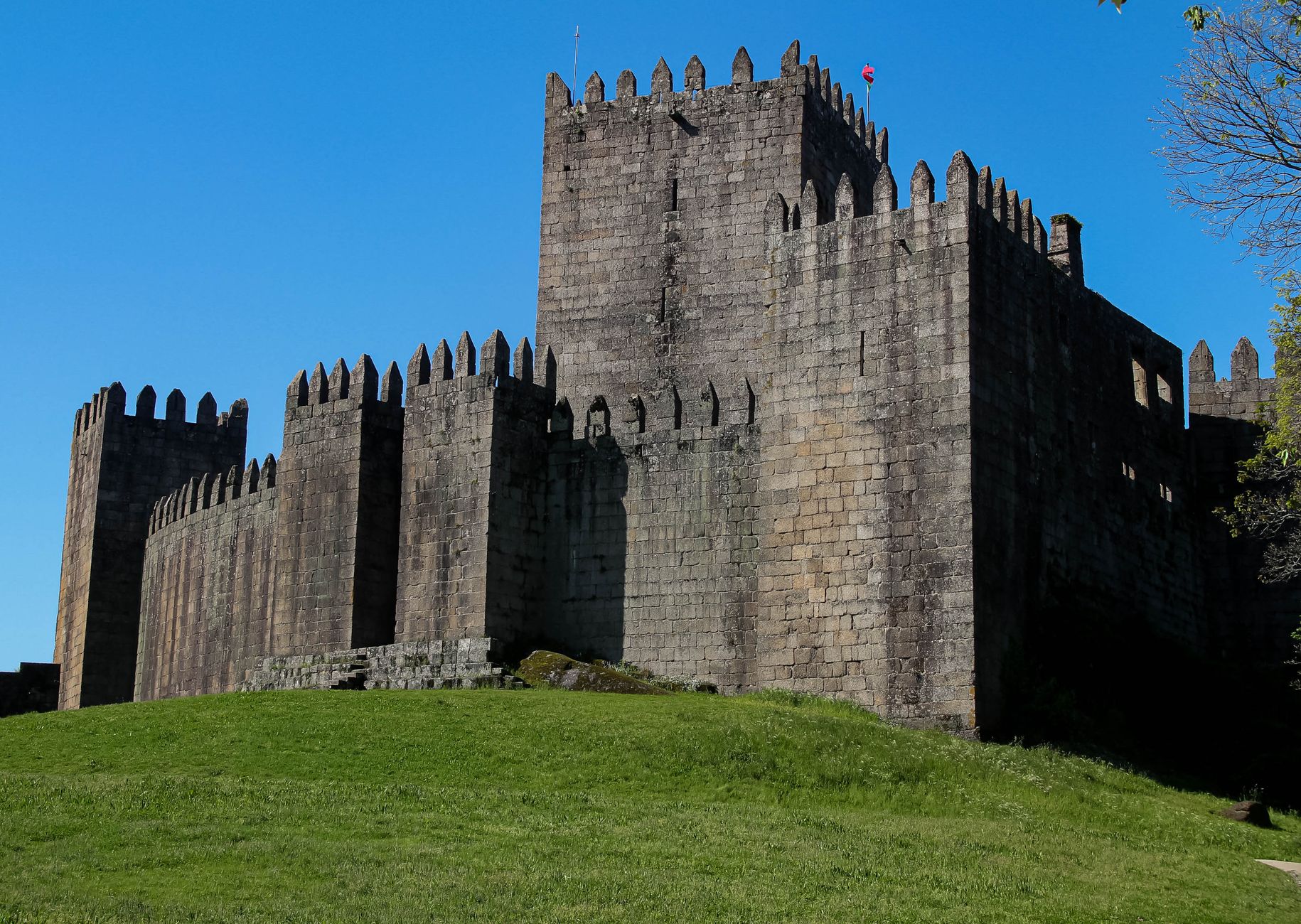
A third day allows an easy morning train to nearby Guimarães to explore its tenth-century castle and ducal palace. Alternatively, head northeast toward the lush edge of Peneda-Gerês National Park for woodland walking and wild river scenery, returning to Braga for quiet evening strolls along the illuminated Sé.
Braga Minho Portugal itineraries by interest
Sacred Architecture in Braga Minho Portugal
Climb the granite staircase at Bom Jesus do Monte and see the twelfth-century Sé de Braga, the oldest cathedral in Portugal.
Local Tavern Food in Braga Minho Portugal
Order Bacalhau à Braga fried with onions and potatoes, or slow-roasted cabrito alongside a pitcher of chilled white Vinho Verde.
Regional Pastries in Braga Minho Portugal
Try the egg-yolk-rich Pudim Abade de Priscos flavored with pork fat and port wine at century-old pastelarias on Praça da República.
Roman Heritage in Braga Minho Portugal
Walk the excavated thermal baths at Termas Romanas do Alto da Cividade and visit Roman ruins preserved under modern downtown streets.
Garden Walks in Braga Minho Portugal
Stroll the parterres of Jardim de Santa Bárbara beside the medieval Episcopal Palace, or picnic in the shaded slopes of Parque da Ponte.
Wine & Vineyards in Braga Minho Portugal
Sample crisp, low-alcohol Loureiro and Alvarinho wines from nearby Minho sub-regions paired with local presunto and cured mountain cheeses.
Baroque Art in Braga Minho Portugal
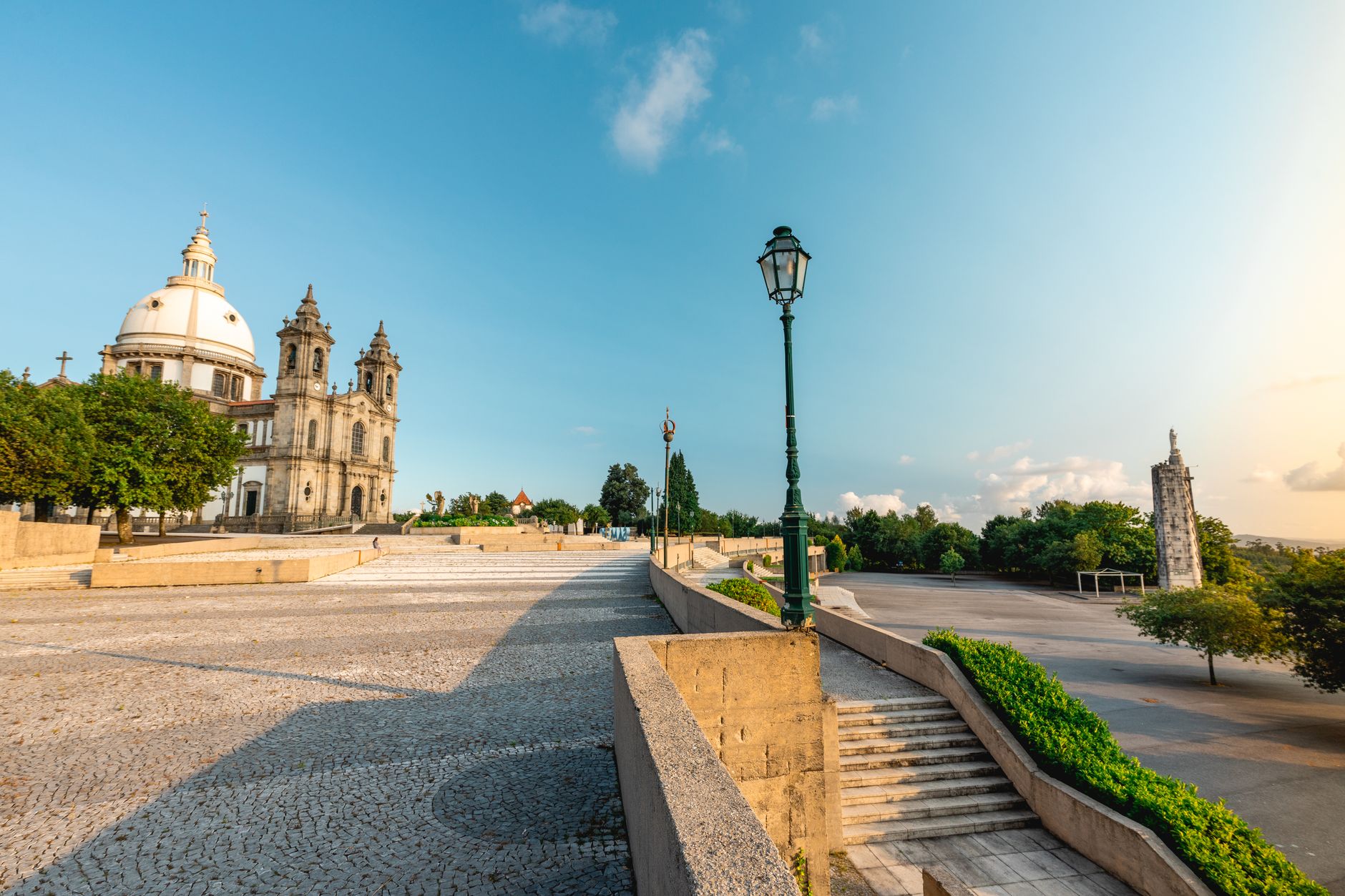
Inspect gilded woodwork inside the Church of Santa Cruz and the soaring hilltop towers of Santuário do Sameiro overlooking the valley.
Produce Markets in Braga Minho Portugal
Browse Mercado Municipal for fresh broa de milho, couve galega cabbage, cured sausages, and seasonal fruit sold by local smallholders.
Day Trips in Braga Minho Portugal
Ride the train twenty minutes south to Guimarães to walk the tenth-century castle and medieval lanes of Portugal's founding capital.
Hiking in Braga Minho Portugal
Follow waymarked trails through chestnut and pine woods on the slopes of Serra do Sameiro with sweeping views over the Cávado valley.
Museums & History in Braga Minho Portugal
Examine Paleolithic to Roman artefacts at Museu D. Diogo de Sousa and tiled rooms at the eighteenth-century Museu dos Biscainhos.
Town Squares in Braga Minho Portugal
Settle into outdoor café seating at the arcade-lined Praça da República, watching city life unfold with a bica and roasted chestnuts.