.jpg)
.jpg)


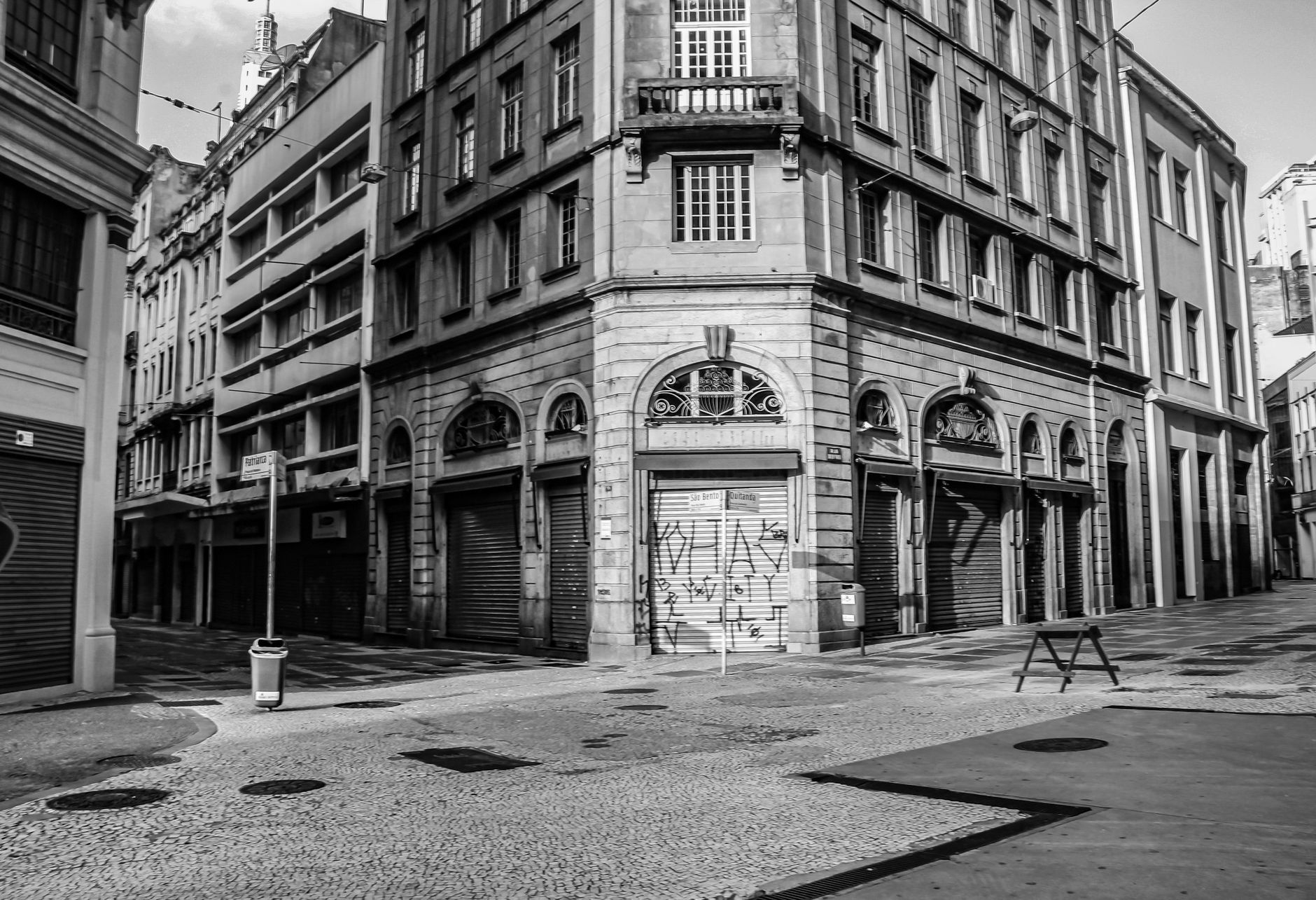
Granite walls take the brunt of the Atlantic wind where the Minho River empties into the sea, facing Galicia across a few hundred yards of grey water. Caminha feels solid, built for border defense and stubborn fishermen. Walk through the clock tower arch into Praça do Conselheiro Silva Torres, order an espresso under the plane trees, and watch the tide turn. The town is famous for its Gothic-Renaissance parish church, pinewood beaches, and lamprey feasts in late winter.
Last updated 29 Aug 2026
Build a Caminha itinerary.
Choose up to 4 threads that pull you in. Your plan arrives organised around them.
The Bed
Where to stay in Caminha
Which part of town to book, and what each one costs you in walking, noise or quiet.
The Comparison
Caminha, or somewhere near it
The places you are realistically choosing between, and the honest case for each.
The Local Record
Where to read more about Caminha
The blogs, boards, guides and operators worth bookmarking.
What to do in Caminha Minho Portugal
Caminha sits right at the northern border, balancing river trade and maritime calm. Life centers on the arcaded central square, where locals spend hours over coffee while church bells chime. It suits independent walkers, seafood lovers, and anyone seeking a slower rhythm away from package resorts. You get fortified history, pine forests running straight to the surf, and honest Minho hospitality without theatrical fuss.
24 hours in Caminha Minho Portugal
Begin at the Gothic parish church, studying the carved wooden roof before a morning stroll under the clock tower. Walk through Mata do Camarido pine forest to Praia da Foz do Minho. For lunch, order grilled sea bass in the old quarter, then spend your evening sipping cold Loureiro wine on Praça do Conselheiro Silva Torres. Select 1 Day above to see it.
2 days in Caminha Minho Portugal
Spend your second morning taking the ferry across the Minho to Galicia, climbing Mount Santa Trega for broad estuary views. Return to Portugal for an afternoon in the seaside village of Moledo. End with a hearty bowl of caldeirada fish stew and a plate of sheep cheese at a family-run tasca. Choose 2 Days to expand the plan.
3 days in Caminha Minho Portugal
A third day allows an inland drive up the wild granite roads of Serra de Arga. Stop in the village of Arga de Baixo for cornbread and mountain honey, then head north to the fortified ramparts of Vila Nova de Cerveira to browse the weekend craft stalls along the riverbank.
Caminha Minho Portugal itineraries by interest
Local Seafood in Caminha Minho Portugal
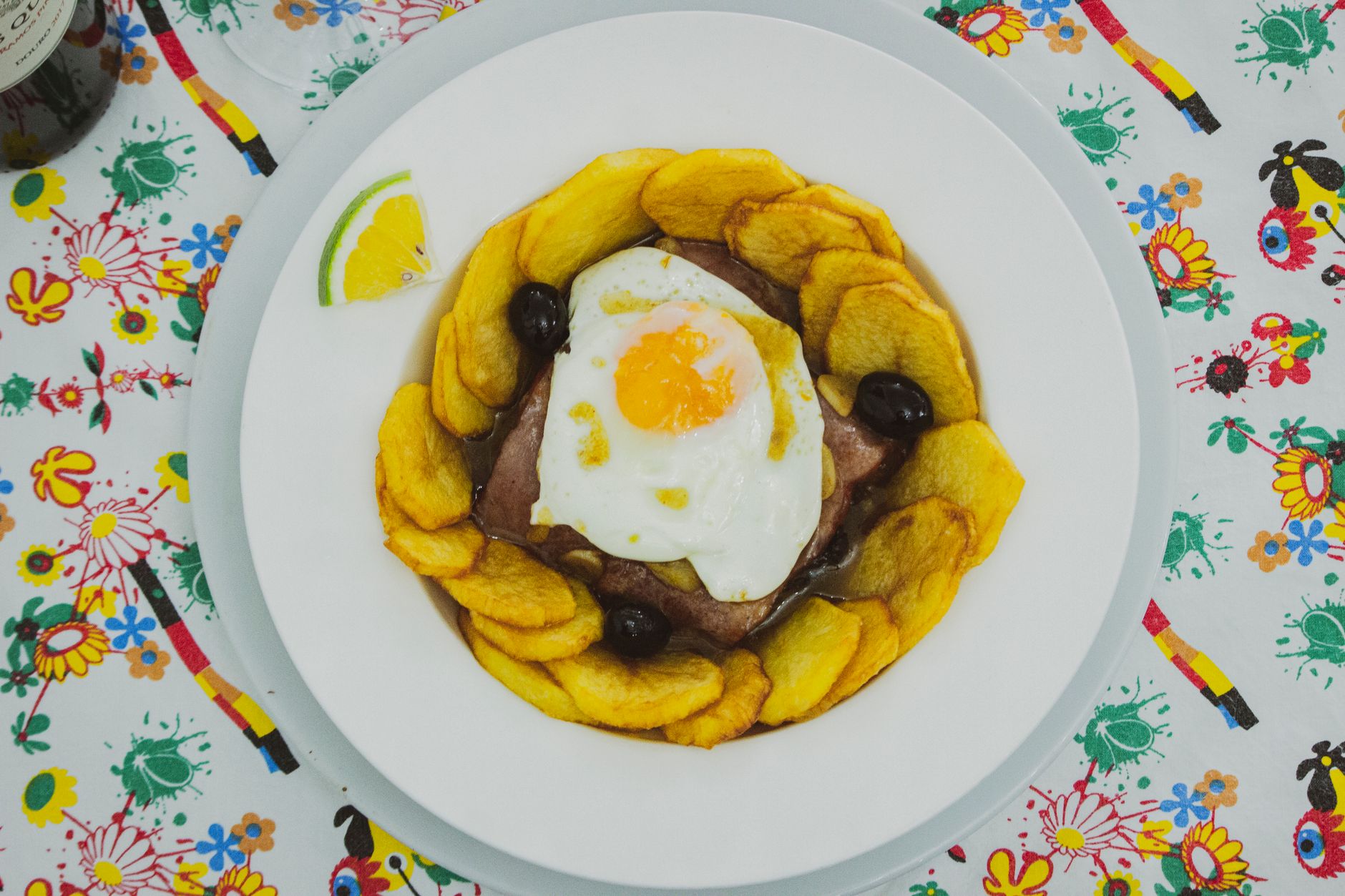
Taste grilled robalo, percebes, and seasonal lampreia stewed in spiced red wine at riverside taverns along the Minho estuary.
River & Estuary in Caminha Minho Portugal
Catch the Santa Rita de Cássia ferry to A Guarda, or kayak the tranquil Coura river bend near the medieval bridge.
Wine & Vineyards in Caminha Minho Portugal
Drink crisp, bone-dry Alvarinho and Loureiro white wines produced in the nearby sub-regions of Monção and Melgaço.
Sacred Architecture in Caminha Minho Portugal
Inspect the carved Mudéjar ceiling and Manueline portal at the 15th-century Igreja Matriz de Caminha inside the old ramparts.
Coastal Walks in Caminha Minho Portugal
Follow the wooden boardwalks through the coastal pinewoods of Mata do Camarido toward the ocean surf at Praia do Camarido.
Markets & Produce in Caminha Minho Portugal
Visit the Wednesday weekly market near the railway line for Minho cheeses, smoked chouriço, brassicas, and garden tools.
Border Fortifications in Caminha Minho Portugal
Walk the defensive bastions of Forte de São Francisco and the 17th-century riverside battlements built against Spanish raids.
Beaches in Caminha Minho Portugal
Swim in the calm river waters of Praia da Foz do Minho or face the Atlantic breakers at wide, sandy Praia de Moledo.
Hiking Trails in Caminha Minho Portugal
Climb the granite slopes of Serra de Arga along ancient shepherd paths to reach the stone chapel of São João d'Arga.
Traditional Pastries in Caminha Minho Portugal
Order a Caminhense, a flaky almond-and-egg pastry, at Pastelaria Central beside the Renaissance fountain in the main square.
Pilgrim Routes in Caminha Minho Portugal
Trace the Portuguese Coastal Way to Santiago, following scallop shells through cobblestone alleys toward the river crossing.
Day Trips in Caminha Minho Portugal
Drive south along the coast to the fortress town of Valença or inland to the historic riverfront center of Vila Nova de Cerveira.