

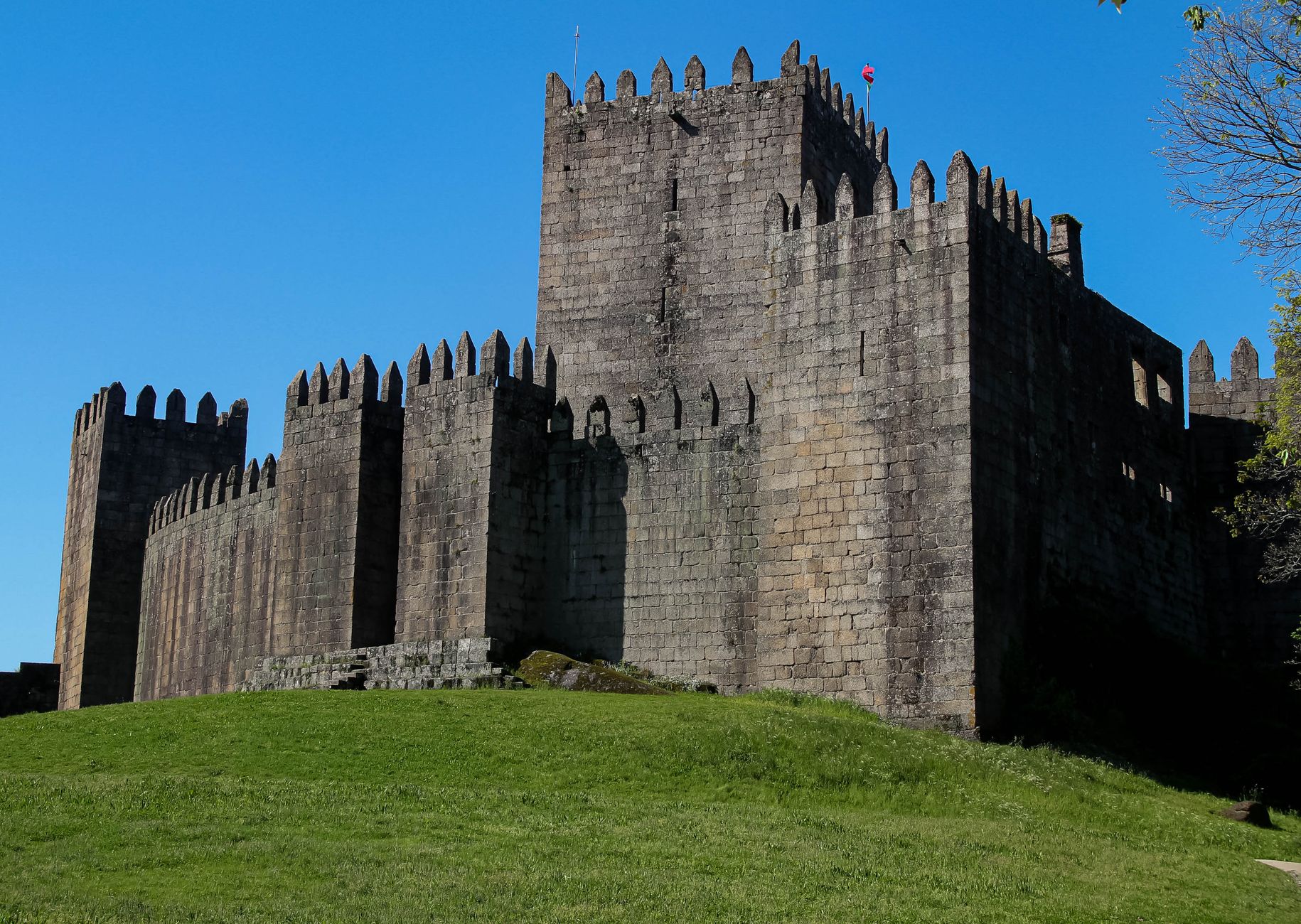
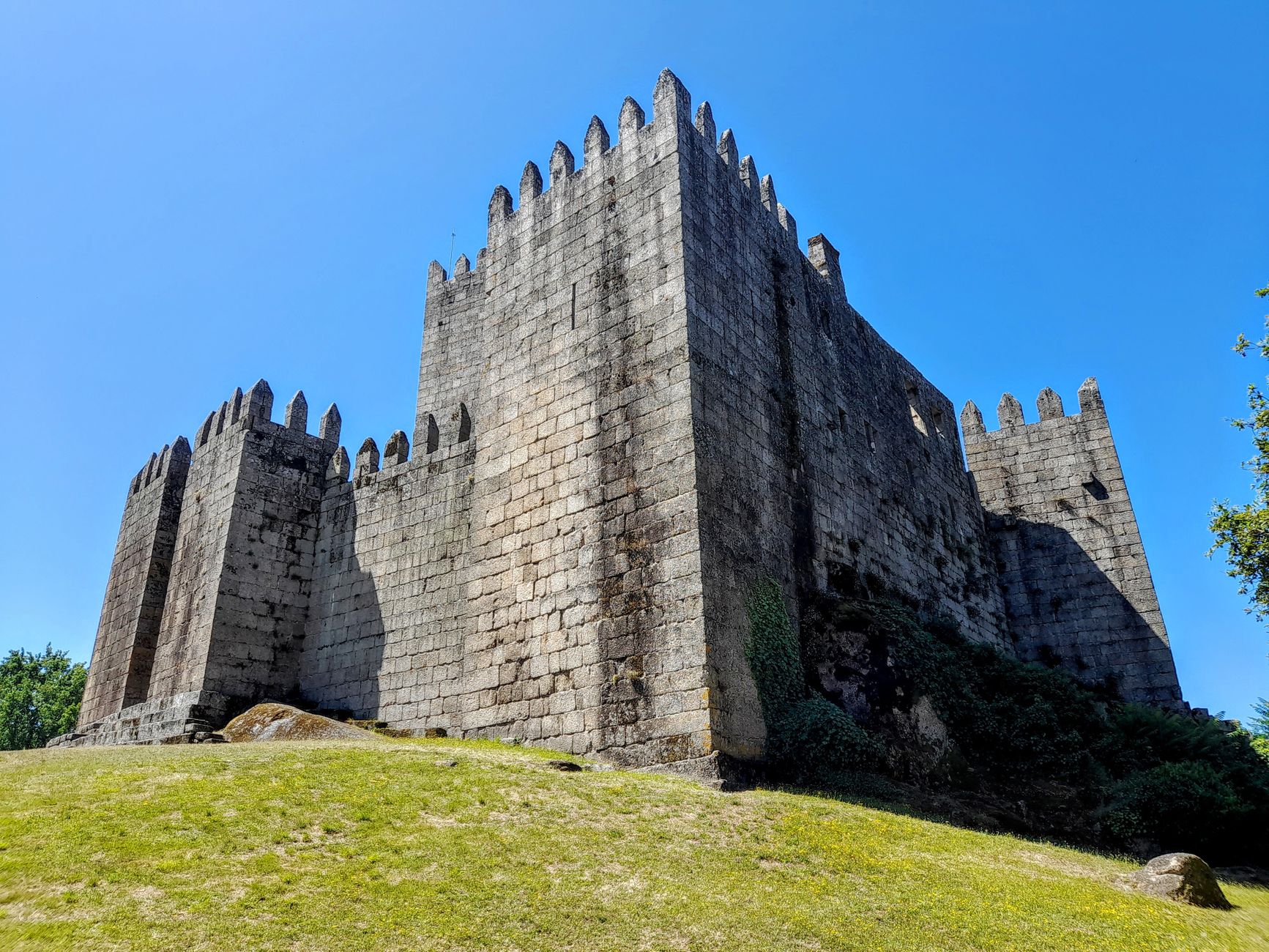
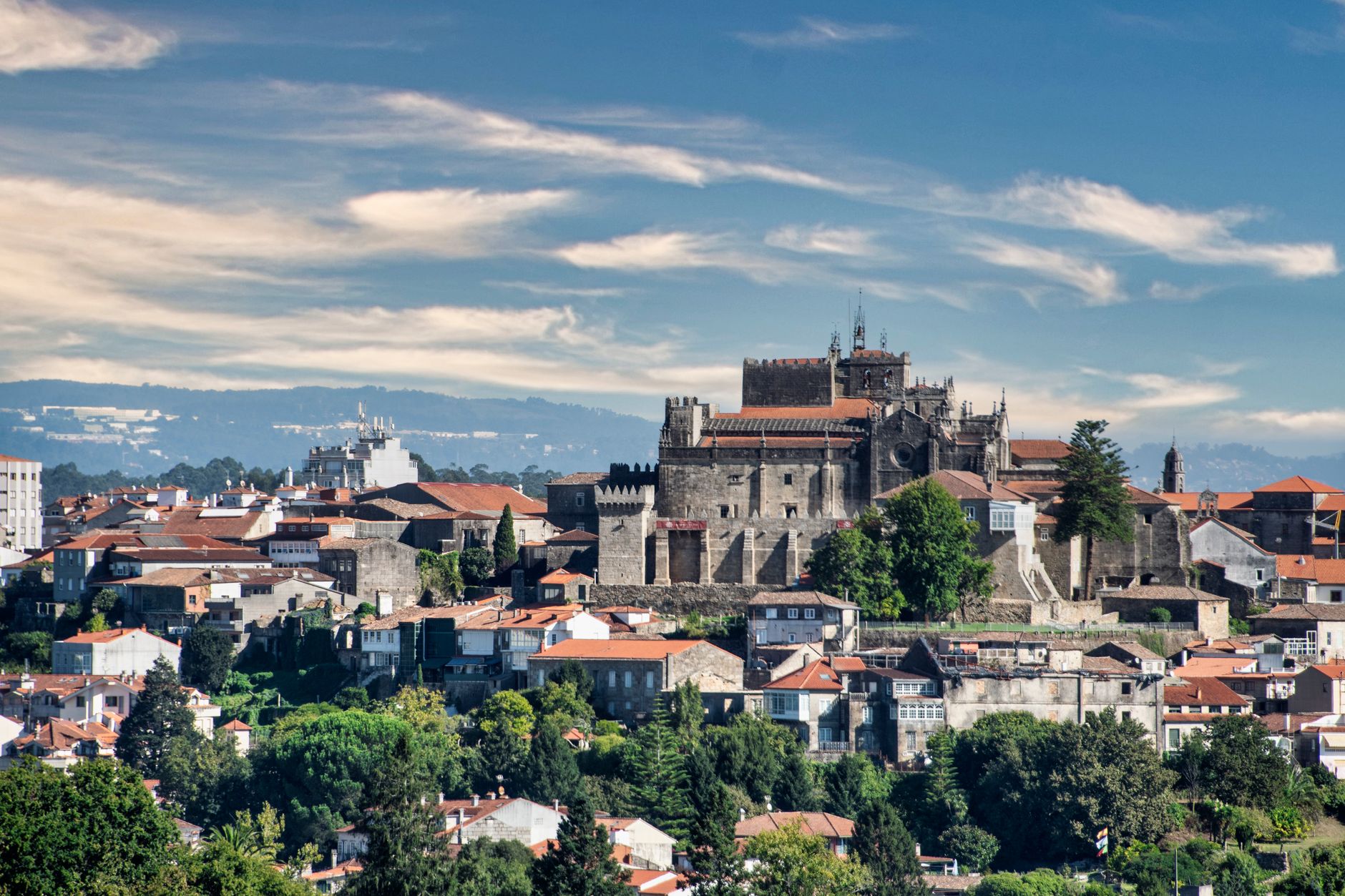

Guimarães sits fifty kilometres northeast of Porto, reached in seventy-five minutes by direct commuter train from São Bento. The town is known as the birthplace of Portugal, defined by its tenth-century castle and intact granite-paved centre. Guimarães is worth visiting if you want to walk preserved medieval lanes on foot, drink sharp Vinho Verde from ceramic bowls, and eat slow-roasted cabrito. Look elsewhere if you want late-night clubbing, sandy beaches, or vast indoor museum collections.
Last updated 21 Sept 2026
Build a Guimarães itinerary.
Choose up to 4 threads that pull you in. Your plan arrives organised around them.
The Bed
Where to stay in Guimarães
Which part of town to book, and what each one costs you in walking, noise or quiet.
The Comparison
Guimarães, or somewhere near it
The places you are realistically choosing between, and the honest case for each.
The Local Record
Where to read more about Guimarães
The blogs, boards, guides and operators worth bookmarking.
What to do in Guimarães Minho Portugal
Guimarães clusters tightly around its granite core, where morning coffee on Largo da Oliveira gives way to afternoons along cobbled medieval lanes. The day runs at the pace of the kitchen: hearty lunches of rojões and salt cod, followed by an unhurried climb up to the ducal palace or Mount Penha. It suits travellers who appreciate preserved stonework, walkable history, and honest northern taverns without the frantic pace or inflated prices of coastal hubs.
24 hours in Guimarães Minho Portugal
Start early at the tenth-century castle before walking down Rua de Santa Maria. Have a lunch of cabrito assado with local Loureiro wine on Praça de São Tiago. In the afternoon, ride the cable car up Mount Penha for the valley views, returning to the old town by dusk for a glass of red Vinho Verde and convent sweets. Select 1 Day above to see it.
2 days in Guimarães Minho Portugal
A second day lets you visit the Museo Alberto Sampaio to see King João I's tunic, then head ten kilometres north to the Iron Age stone ruins of Citânia de Briteiros. Return to the town centre for an evening meal of arroz de pica-chão or grilled veal cutlets at an unassuming neighbourhood adega. Choose 2 Days to expand the plan.
3 days in Guimarães Minho Portugal
Three days opens up the wider Minho. Take the twenty-minute train to historic Braga to see Portugal's oldest cathedral, or drive into the green Lima valley to tour small family vineyards producing crisp Vinho Verde. Spend your final evening lingering over petiscos in the quiet courtyards of the Couros quarter.
Guimarães Minho Portugal itineraries by interest
Medieval History in Guimarães Minho Portugal
Walk the ramparts of the tenth-century Castelo de Guimarães and explore the timber-roofed rooms of the fifteenth-century Paço dos Duques.
Regional Wine in Guimarães Minho Portugal
Drink effervescent, citrus-driven Vinho Verde made from Loureiro and Alvarinho grapes, served cold in traditional white ceramic bowls at local tascas.
Traditional Dining in Guimarães Minho Portugal
Order roast kid (cabrito assado) with crisp potatoes or hearty rojões de porco at family-run granite taverns around Praça de São Tiago.
Sacred Architecture in Guimarães Minho Portugal
Visit the Gothic cloister at Nossa Senhora da Oliveira and the Romanesque chapel of São Miguel, where Afonso Henriques was supposedly baptised.
Public Squares in Guimarães Minho Portugal
Linger on Largo da Oliveira and Praça de São Tiago, where fourteenth-century arcades and iron balconies frame open-air tables for morning bica.
Convent Pastries in Guimarães Minho Portugal
Try torta de Guimarães, a sixteenth-century convent pastry of delicate puff pastry filled with sweet spaghetti squash and ground almonds.
Cable Cars & Views in Guimarães Minho Portugal
Ride the Teleférico up Mount Penha for granite boulders, shaded walking paths, and broad panoramas over the Minho valley below.
Textile Crafts in Guimarães Minho Portugal
Seek out traditional Minho linen embroidery, known for intricate drawn-thread needlework produced across the Ave river valley for generations.
Archaeology in Guimarães Minho Portugal
Explore the nearby Citânia de Briteiros, an extensive Iron Age Celtic hillfort with stone roundhouses and paved streets dating to the first century BC.
Contemporary Art in Guimarães Minho Portugal
Browse modern Portuguese art and African tribal figures inside the Centro Internacional das Artes José de Guimarães on Avenida Conde de Margaride.
City Walks in Guimarães Minho Portugal
Stroll down Rua de Santa Maria, the town's oldest street, paved in polished granite and lined with wrought-iron balconies dating to the twelfth century.
Local Markets in Guimarães Minho Portugal
Browse the morning stalls at the municipal market for curing hams, regional smoked chouriço, Serra da Estrela cheeses, and seasonal garden produce.