


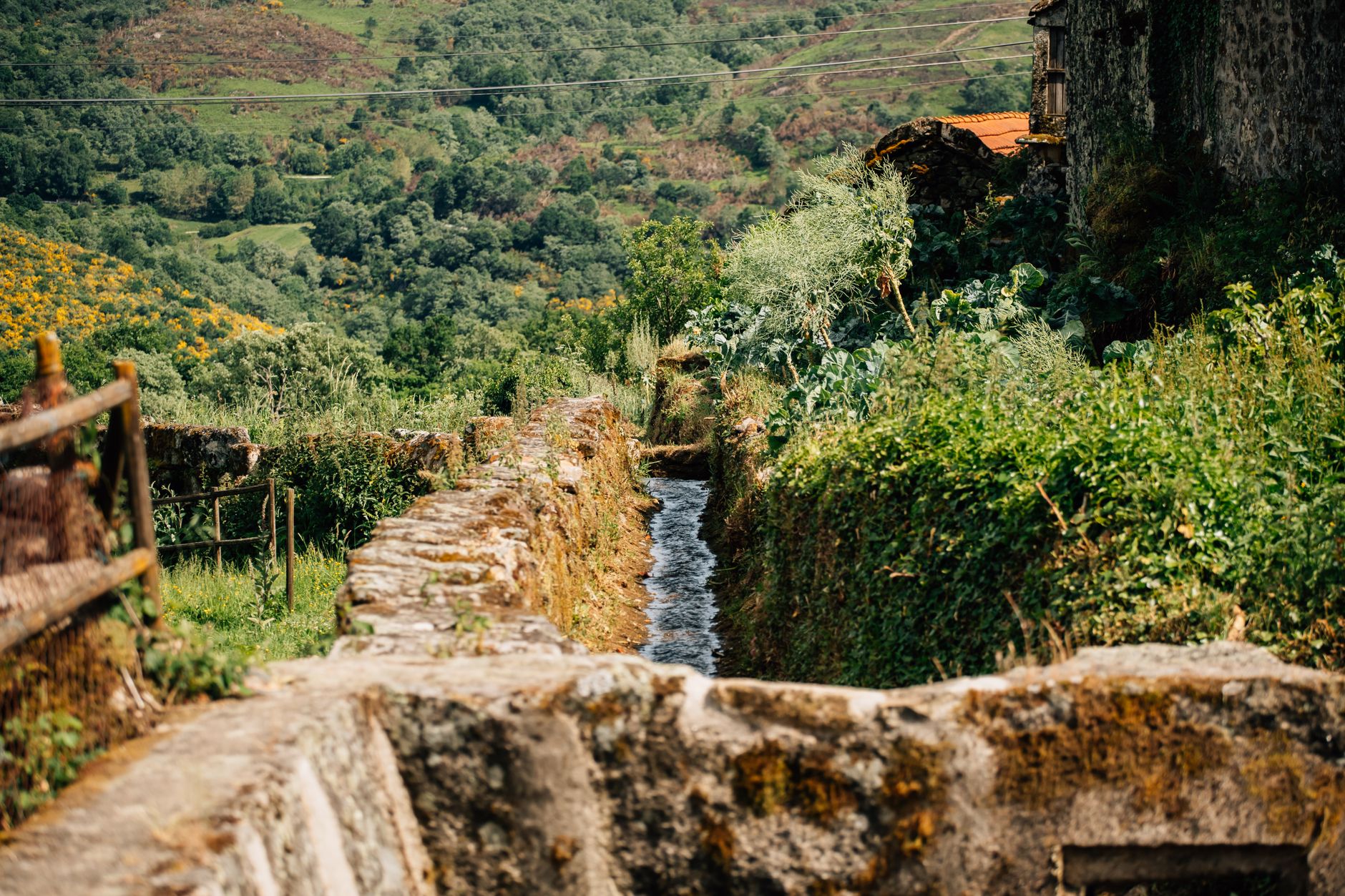
Cold mountain water rattles down granite ravines long before you reach the spa town in the gorge. Built around nineteenth-century thermal baths and framed by the ancient oak canopies of Peneda-Gerês, Caldas do Gerês is where hiking boots meet leisurely afternoon mineral soaks. The pace is slow, dictated by mountain weather and the sizzle of posta de vitela Barrosã in unpretentious family dining rooms along the single main street.
Last updated 29 Aug 2026
Build a Gerês itinerary.
Choose up to 4 threads that pull you in. Your plan arrives organised around them.
The Bed
Where to stay in Gerês
Which part of town to book, and what each one costs you in walking, noise or quiet.
The Comparison
Gerês, or somewhere near it
The places you are realistically choosing between, and the honest case for each.
The Local Record
Where to read more about Gerês
The blogs, boards, guides and operators worth bookmarking.
What to do in Gerês Minho Portugal
Caldas do Gerês sits deep in a granite valley, serving as the central base for exploring Portugal's only national park. Days naturally split between high-altitude trail walking and restorative evenings in the thermal baths or tavern dining rooms along Avenida Manuel Francisco da Costa. It suits hikers, nature lovers, and anyone seeking cool mountain air, hearty northern food, and honest hospitality without resort gloss.
24 hours in Gerês Minho Portugal
Walk the Roman Geira trail in the morning, stopping at the Cascata do Arado. By lunchtime, settle in at a village tasca for grilled posta de Barrosã. Spend the afternoon soaking in the mineral pools at Termas do Gerês before an evening stroll along the tree-lined thermal park with a glass of crisp Vinho Verde. Select 1 Day above to see it.
2 days in Gerês Minho Portugal
Day two takes you west to Soajo and Lindoso to inspect the historic granite espigueiros grain stores. Afterward, kayak the still waters of the Caniçada reservoir near Rio Caldo, followed by a dinner of roasted cabrito (kid goat) and caldo verde in a stone tavern overlooking the pine forests. Choose 2 Days to expand the plan.
3 days in Gerês Minho Portugal
A third day lets you tackle the rugged trails of Mata de Albergaria into the high border country, or venture to the pilgrim church of São Bento da Porta Aberta. Take time to buy cured sheep cheese and mountain honey from local shopkeepers without looking at your watch.
Gerês Minho Portugal itineraries by interest
Hiking in Gerês Minho Portugal
Follow the Roman Geira past fallen milestones or climb the steep trail to the Miradouro da Pedra Bela for panoramic views across the Cavado valley.
Local Meat & Game in Gerês Minho Portugal
Order posta de vitela Barrosã cooked rare on sea salt, accompanied by migas and rich broa de milho baked in stone ovens in nearby villages.
Thermal Baths in Gerês Minho Portugal
Book an afternoon mineral soak and hydrotherapy treatment at the nineteenth-century Termas do Gerês after a morning walking the mountain ridges.
Waterfalls & Rivers in Gerês Minho Portugal
Take the gravel path to the Cascata do Arado or cool down in the turquoise rock pools of Tahiti and Portela do Homem near the Spanish border.
Regional Wine in Gerês Minho Portugal
Drink crisp, effervescent Vinho Verde and local Loureiro or Vinhão served chilled in rustic ceramic bowls alongside hearty mountain stews.
Traditional Villages in Gerês Minho Portugal
Drive west to Lindoso and Soajo to see clusters of eighteenth-century stone espigueiros, communal threshing floors, and granite hamlets.
Ancient History in Gerês Minho Portugal
Walk the Via Nova, a Roman military road marked by ancient cylindrical milestones linking Braga directly to Astorga across the Serra do Gerês.
Wildlife Watching in Gerês Minho Portugal
Scan high granite ridges for wild Garrano ponies, roe deer, and golden eagles soaring across the protected high plateaus of the national park.
Sacred Architecture in Gerês Minho Portugal
Visit the hillside sanctuary of São Bento da Porta Aberta, an active pilgrimage site drawing thousands each August with sweeping lake views.
Lake & Kayaking in Gerês Minho Portugal
Rent a kayak on the calm waters of the Caniçada reservoir at Rio Caldo, paddling past pine-covered shores under steep granite slopes.
Botanical Walks in Gerês Minho Portugal
Wander the Mata de Albergaria, an ancient biosphere oak forest where centuries-old mosses, lichens, and native ferns line mossy mountain streams.
Rustic Cheeses in Gerês Minho Portugal
Pick up cured Queijo da Serra do Gerês and local mountain heather honey from small grocery shops along Avenida Manuel Francisco da Costa.