_Les_plans_et_profils_de_tovtes_les_principales_villes_et_lievx_considerables_de_France_(IA_dr_govvernement-de-caen-to-accompany-les-plans-et-profils-de-tovtes-les-pri-13303198).jpg)

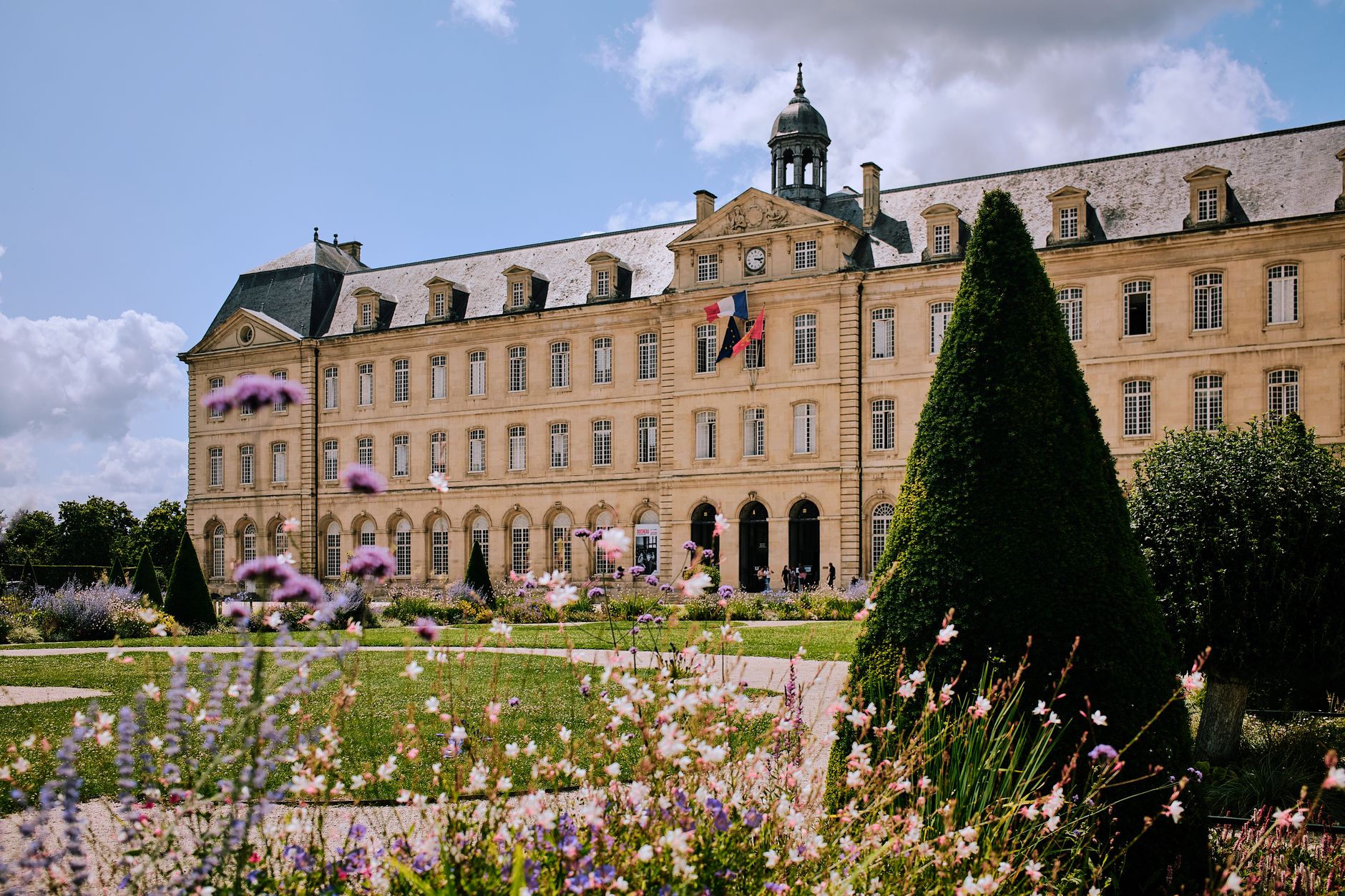
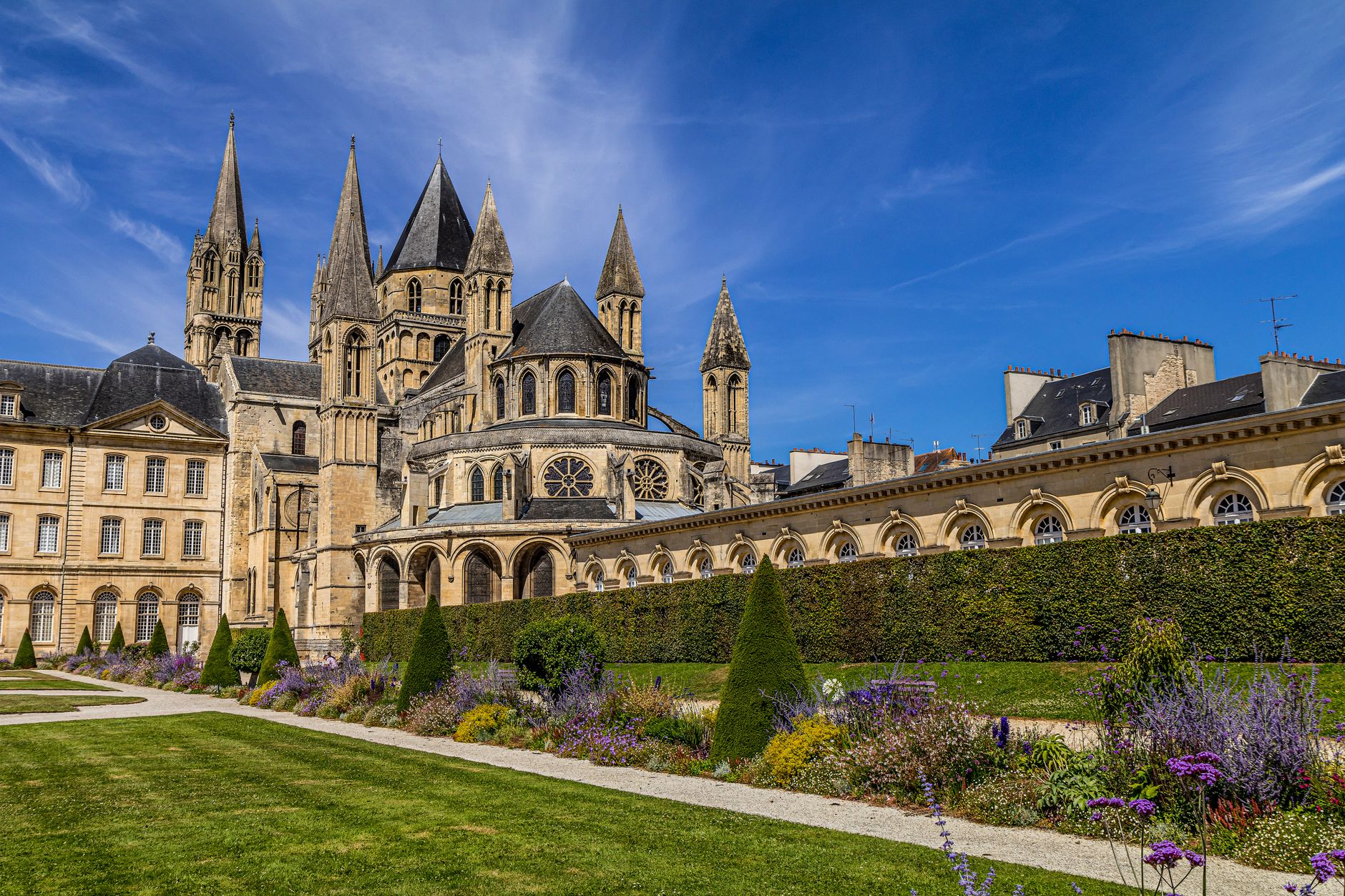
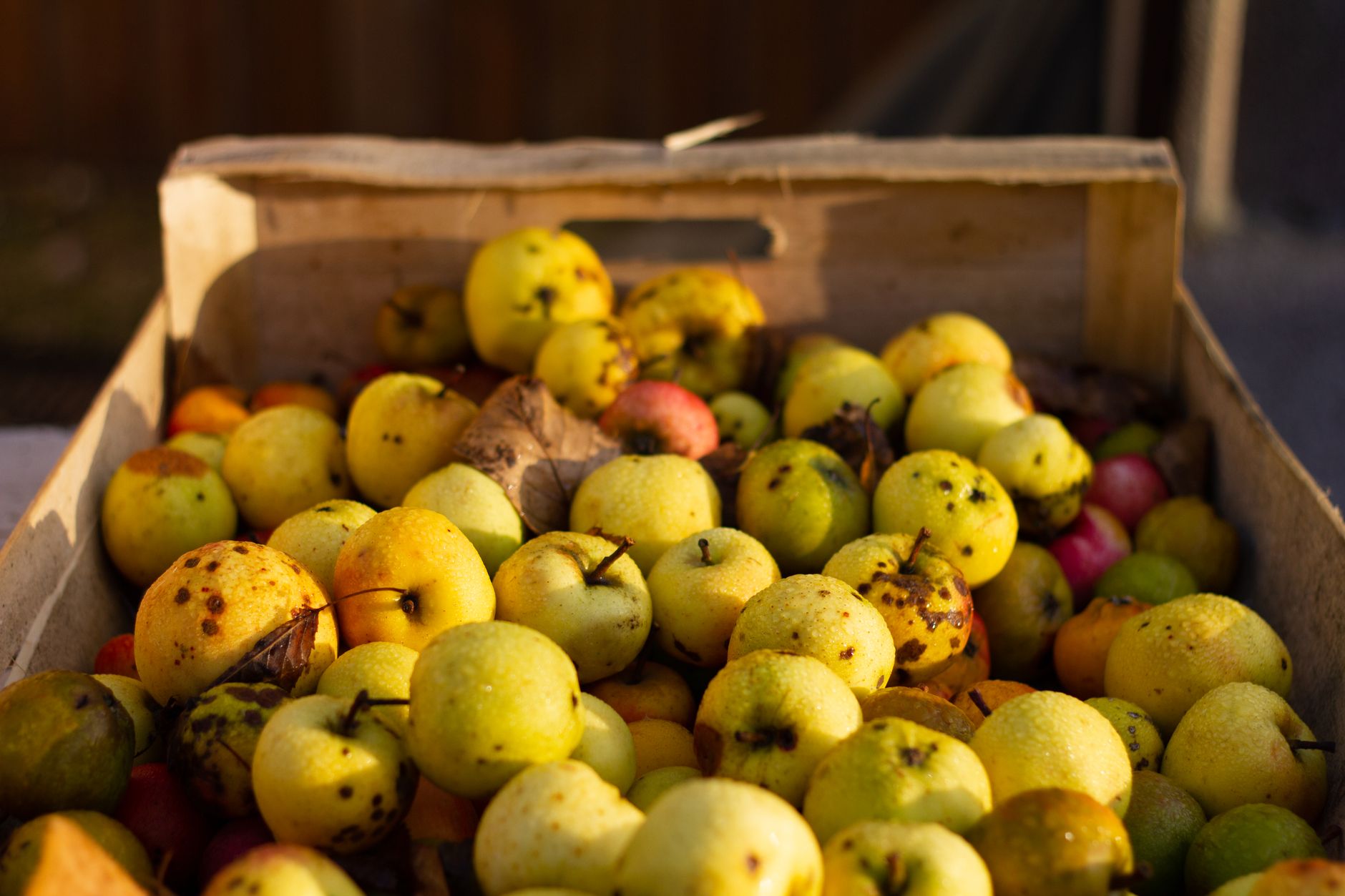
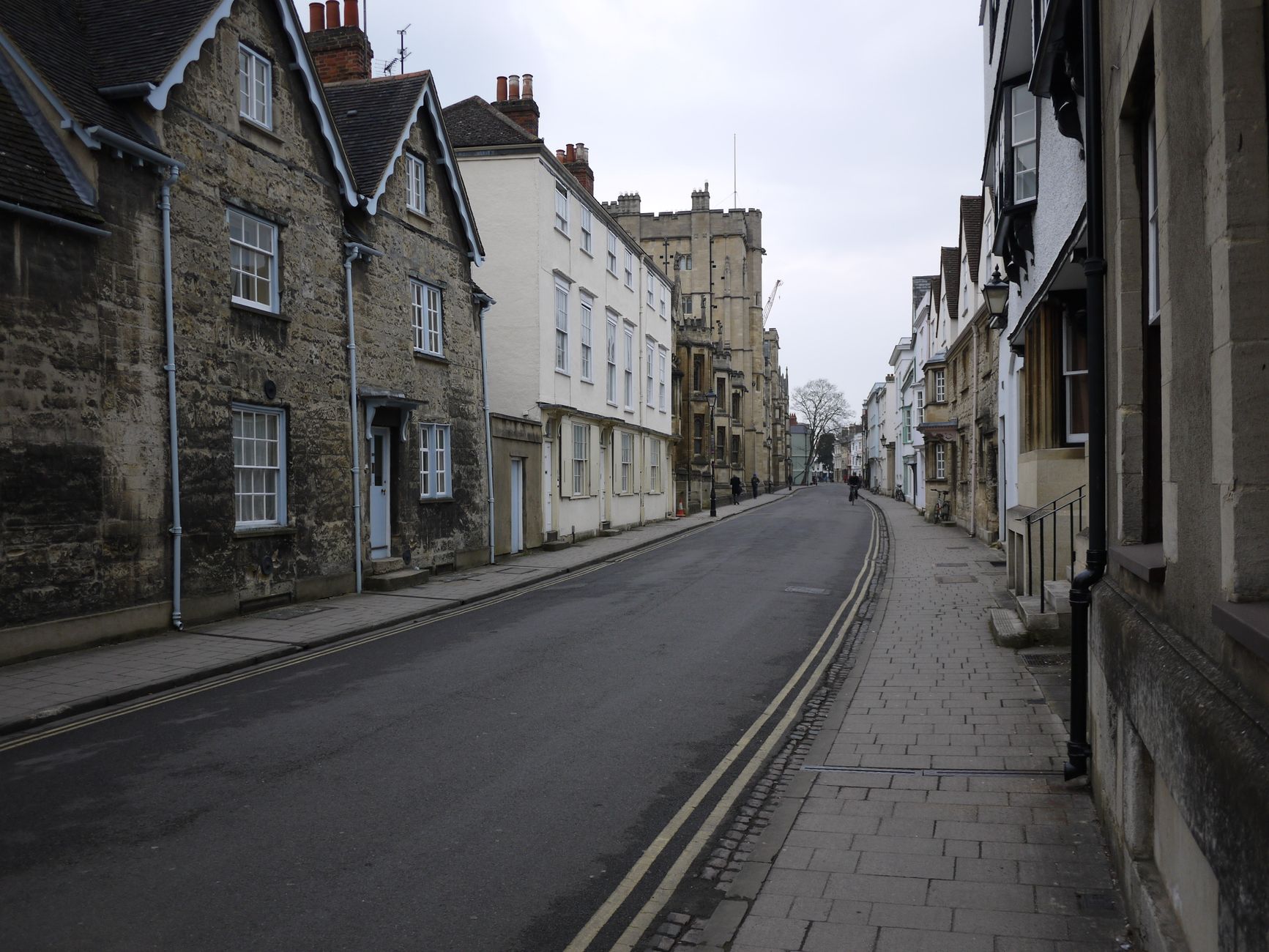
Caen sits two hours west of Paris Saint-Lazare on the direct train, placed squarely in the Calvados department. The city is famous for its pair of eleventh-century ducal abbeys founded by William the Conqueror and its devastating 1944 bombardment, followed by a remarkably handsome postwar stone rebuild. Caen is worth visiting if you want eleventh-century Anglo-Norman architecture paired with tripes à la mode de Caen and local cider. Look elsewhere if you want an intact medieval old town, direct beach access, or buzzing late-night nightlife.
Last updated 8 Sept 2026
Build a Caen itinerary.
Choose up to 4 threads that pull you in. Your plan arrives organised around them.
The Bed
Where to stay in Caen
Which part of town to book, and what each one costs you in walking, noise or quiet.
The Comparison
Caen, or somewhere near it
The places you are realistically choosing between, and the honest case for each.
The Local Record
Where to read more about Caen
The blogs, boards, guides and operators worth bookmarking.
What to do in Caen Normandie France
Caen revolves around cream-coloured limestone and outdoor tables. You spend mornings navigating William the Conqueror's fortress and abbeys, afternoons wandering postwar pedestrian avenues, and evenings in timbered dining rooms over pots of shellfish and cider. It suits history enthusiasts who like good butter, solo walkers who appreciate manageable distances, and anyone seeking honest regional French life without resort crowds.
24 hours in Caen Normandie France
Begin at the Abbaye-aux-Hommes when doors open at nine, walk twenty minutes through town to climb the castle ramparts, and stop for lunch in the Quartier Vaugueux. Dedicate your afternoon to the Mémorial de Caen before finishing with a glass of crisp local cider along the Bassin Saint-Pierre. Select 1 Day above to see it.
2 days in Caen Normandie France
A second morning calls for the Abbaye-aux-Dames and the botanical greenhouse at the Jardin des Plantes. Later, take a twenty-minute train to Bayeux for the eleventh-century tapestry, returning to Caen for a dinner of salt-meadow lamb and Pont-l'Évêque cheese on Rue Froide. Choose 2 Days to expand the plan.
3 days in Caen Normandie France
Three days allow a drive out to the Pays d'Auge cider farms and Livarot dairies, or an unhurried morning exploring Juno Beach and the coastal bluffs at Arromanches. Back in Caen, spend an easy final afternoon browsing antique booksellers and bakeries around Place Saint-Sauveur.
Caen Normandie France itineraries by interest
Sacred Architecture in Caen Normandie France
Stand beneath the vaulted nave of the Abbaye-aux-Hommes, where William the Conqueror lies buried, and explore the Romanesque Abbaye-aux-Dames.
Regional Gastronomy in Caen Normandie France
Try tripes à la mode de Caen stewed with cider and ox feet for hours, served steaming in earthenware pots across the bistros of Rue Saint-Pierre.
Cheese & Dairy in Caen Normandie France
Normandy cows supply the raw-milk Camembert, Pont-l'Évêque, and Livarot sold at fromageries like Chez Virginie alongside cultured Isigny butter.
Fortresses & Castles in Caen Normandie France
Walk the limestone ramparts of the Château de Caen, built in 1060, offering panoramic views across the tiled roofs of the restored historic core.
War History in Caen Normandie France
Spend three quiet hours inside the Mémorial de Caen museum, tracking the Battle of Normandy and the Cold War with thoughtful, detailed archives.
Cider & Spirits in Caen Normandie France
Order dry Calvados AOC cider and aged apple brandy poured from dusty barrels in tavern cellars near the port basin of the Bassin Saint-Pierre.
Local Markets in Caen Normandie France
Browse the Sunday morning Saint-Pierre market along the quays for fresh oysters, salt-marsh lamb, live herbs, and warm galettes straight off the griddle.
Fine Arts in Caen Normandie France
Visit the Musée des Beaux-Arts within castle walls for quiet galleries filled with Poussin, Rubens, Courbet, and French landscape paintings.
Old Quarters in Caen Normandie France
Stroll the cobblestones of the Quartier Vaugueux, where sixteenth-century half-timbered houses survived the 1944 bombs and now shelter cozy dining rooms.
Gardens & Parks in Caen Normandie France
Wander the Jardin des Plantes, an eight-hectare botanical sanctuary planted in 1689, filled with rare alpine flora and glasshouses.
Day Trips in Caen Normandie France
Catch regional buses to Bayeux to see the medieval tapestry, or take a short train north to the D-Day landing beaches at Sword and Juno.
Maritime Quays in Caen Normandie France
Walk along the Bassin Saint-Pierre marina in the evening, watching pleasure boats dock beside converted brick warehouses and quiet waterfront terraces.