

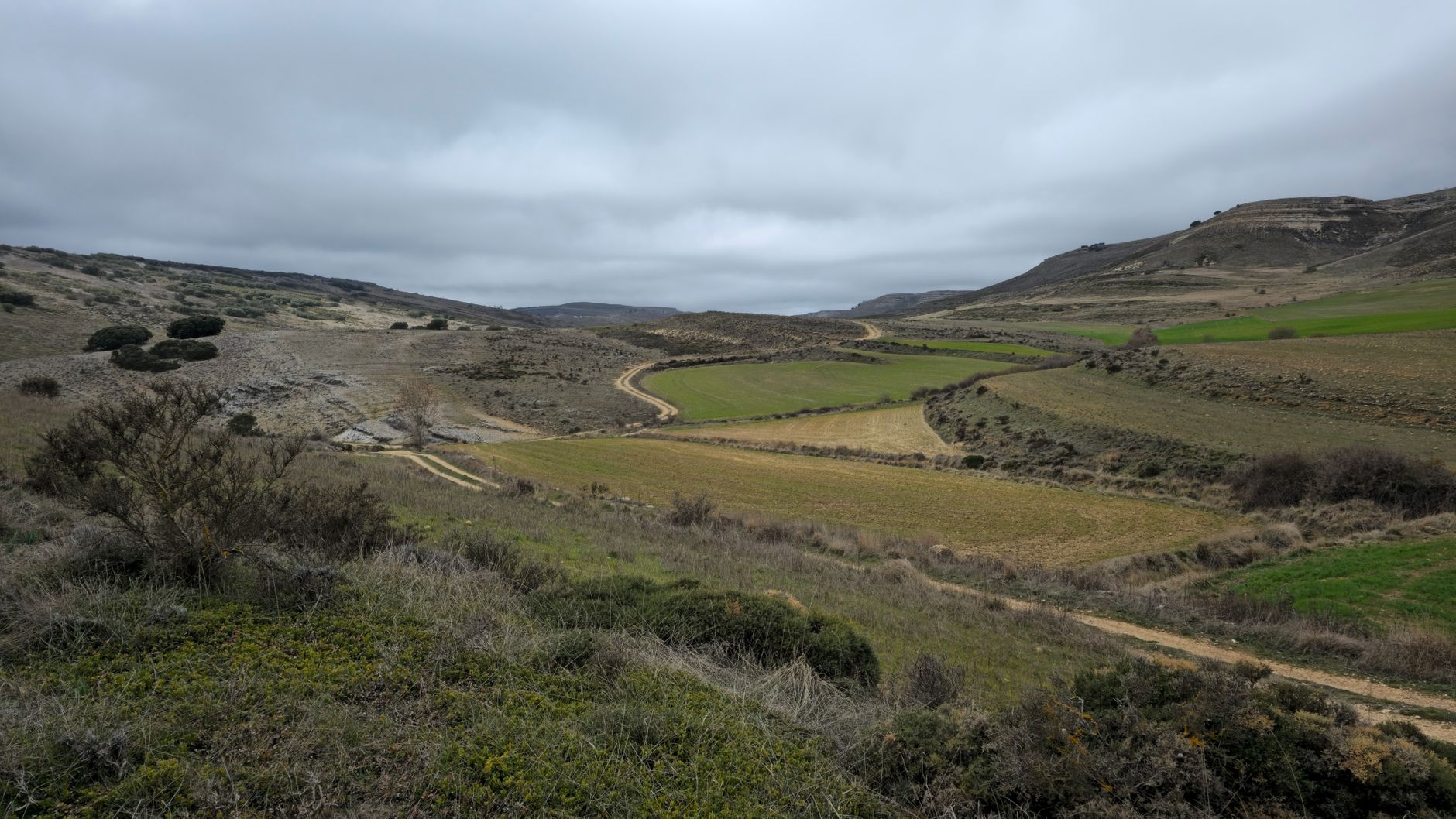

Sitting 70 kilometres west of Rosario, fifty minutes along Ruta 9, Cañada de Gómez is a working pampas town shaped by late-nineteenth-century rail lines and bespoke furniture making. Life revolves around the afternoon siesta and wood-fired neighbourhood grills. Cañada de Gómez is worth visiting if you want unvarnished Argentine pampas life, traditional carpentry workshops, and relaxed parrilladas. Look elsewhere if you require dramatic topography, resort amenities, or late-night clubbing.
Last updated 25 Sept 2026
Build a Cañada de Gómez itinerary.
Choose up to 4 threads that pull you in. Your plan arrives organised around them.
The Bed
Where to stay in Cañada de Gómez
Which part of town to book, and what each one costs you in walking, noise or quiet.
The Comparison
Cañada de Gómez, or somewhere near it
The places you are realistically choosing between, and the honest case for each.
The Local Record
Where to read more about Cañada de Gómez
The blogs, boards, guides and operators worth bookmarking.
What to do in Cañada de Gómez Santa Fe Argentina
Cañada de Gómez is laid out on a clear grid split by the historic railway line, with civic life anchored on Plaza San Martín. The town suits travellers who appreciate the slow, honest pulse of the Argentine interior, where mid-day brings total quiet for lunch and siesta, and early evenings bring social walks along Calle Lavalle. It is an unpretentious stop built on craftsmanship, agriculture, and generous portions.
24 hours in Cañada de Gómez Santa Fe Argentina
Start your morning with espresso and warm medialunas near the 1866 train station, then walk five blocks to the woodcraft workshops on Bulevar Centenario. For lunch, settle in for slow-cooked vacío at a neighbourhood parrilla. Spend the cool evening sipping vermouth outside on Plaza San Martín as the sun drops. Select 1 Day above to see it.
2 days in Cañada de Gómez Santa Fe Argentina
Use day two to explore the immigrant collections at Museo Histórico Municipal before heading south to the riverside park at Carcarañá for an afternoon maté. Return for a casual dinner of thin-crust fugazzeta pizza or crispy veal milanesas at a classic social club canteen along Calle Moreno. Choose 2 Days to expand the plan.
3 days in Cañada de Gómez Santa Fe Argentina
A third day allows an unhurried drive along the unpaved rural roads toward Correa and Armstrong, watching harvest equipment cross the horizon. Finish the trip with a long Sunday asado among locals at an estancia edge or enjoying slow-cooked river fish along the Carcarañá basin.
Cañada de Gómez Santa Fe Argentina itineraries by interest
Woodworking Traditions in Cañada de Gómez Santa Fe Argentina
Tour independent cabinetmakers and timber showrooms along Bulevar Centenario, where local artisans have built hardwood furniture since the early 1900s.
Meat & Grills in Cañada de Gómez Santa Fe Argentina
Order tira de asado, mollejas, and morcilla cooked low over quebracho charcoal at family parrillas near the central railway tracks.
Railway Heritage in Cañada de Gómez Santa Fe Argentina
Examine vintage steam locomotives, brass signals, and original brick sheds at the 1866 Central Argentine Railway station on Calle Ovidio Lagos.
Town Squares in Cañada de Gómez Santa Fe Argentina
Walk Plaza San Martín at dusk to watch neighbours gather on green benches beneath lapacho trees while municipal bells mark the hour.
Aperitivo Culture in Cañada de Gómez Santa Fe Argentina
Sip bitter Fernet with soda or sweet vermouth alongside small plates of peanuts, green olives, and local salami during the late-afternoon vermú.
Sacred Architecture in Cañada de Gómez Santa Fe Argentina
Inspect the neo-Romanesque facade and stained glass inside Parroquia San Pedro Apóstol, standing tall over Calle Lavalle since 1914.
Local Bakeries in Cañada de Gómez Santa Fe Argentina
Pick up freshly baked medialunas, cremonas, and fat-laminated bizcochitos de grasa at dawn from neighborhood panaderías off Calle Ocampo.
Regional Museums in Cañada de Gómez Santa Fe Argentina
Browse agricultural tools, immigrant photographs, and early civic artifacts inside Museo Histórico Municipal on Calle Moreno.
Pampa Countryside in Cañada de Gómez Santa Fe Argentina
Drive rural dirt caminos through vast fields of soy, wheat, and grazing Angus cattle surrounding the municipal boundaries.
Social Clubs in Cañada de Gómez Santa Fe Argentina
Eat milanesa a caballo and play bocce with elderly regulars at Club Atlético América or Club Newell's Old Boys social halls.
Street Life in Cañada de Gómez Santa Fe Argentina
Stroll the pedestrianised sections of Calle Lavalle on Saturday mornings as merchants set out wares and locals catch up on regional news.
Day Trips in Cañada de Gómez Santa Fe Argentina
Follow RN9 forty minutes east to Armstrong for industrial agricultural fairs or head south to Carcarañá for shaded riverside parkland.