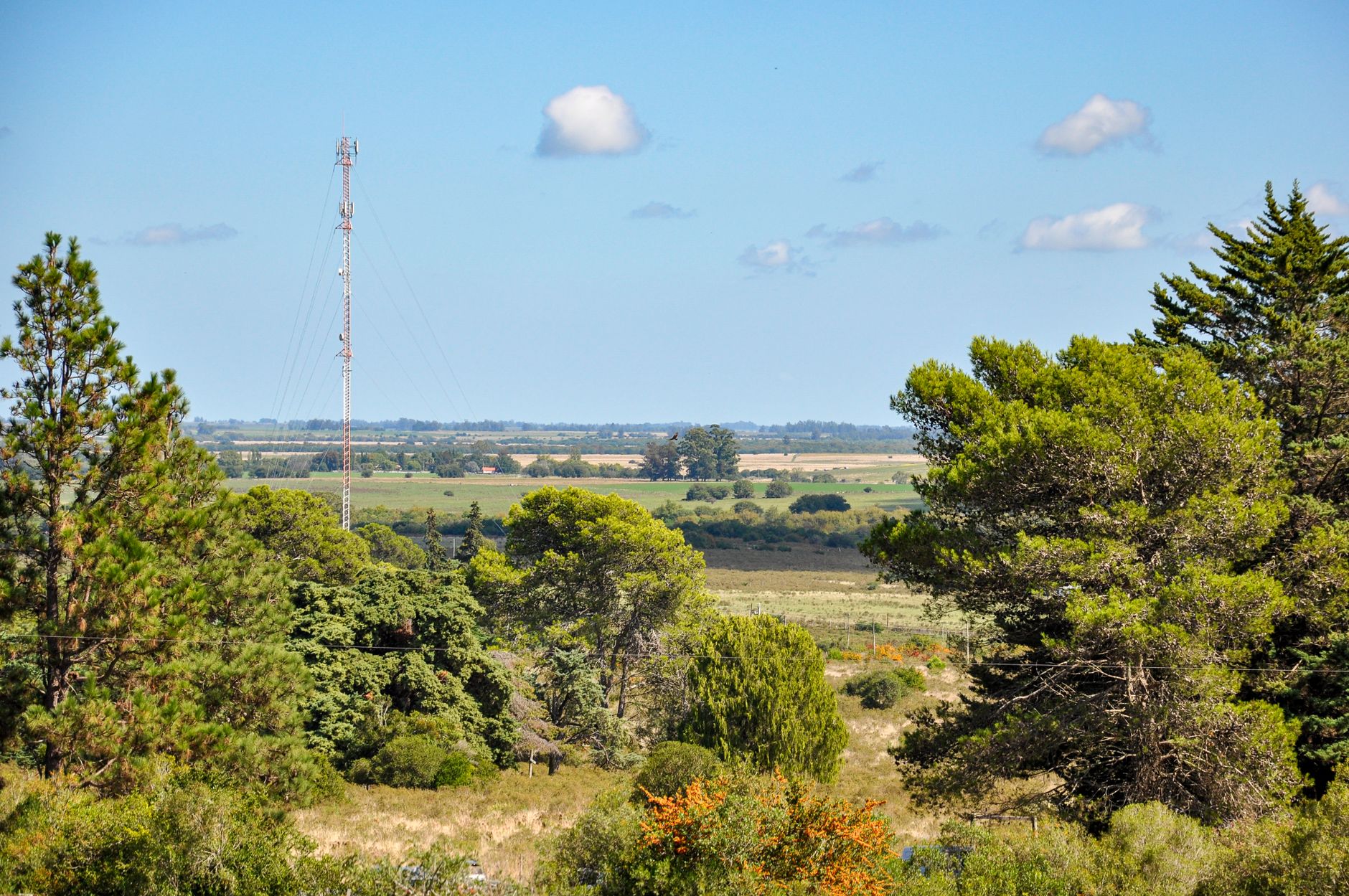

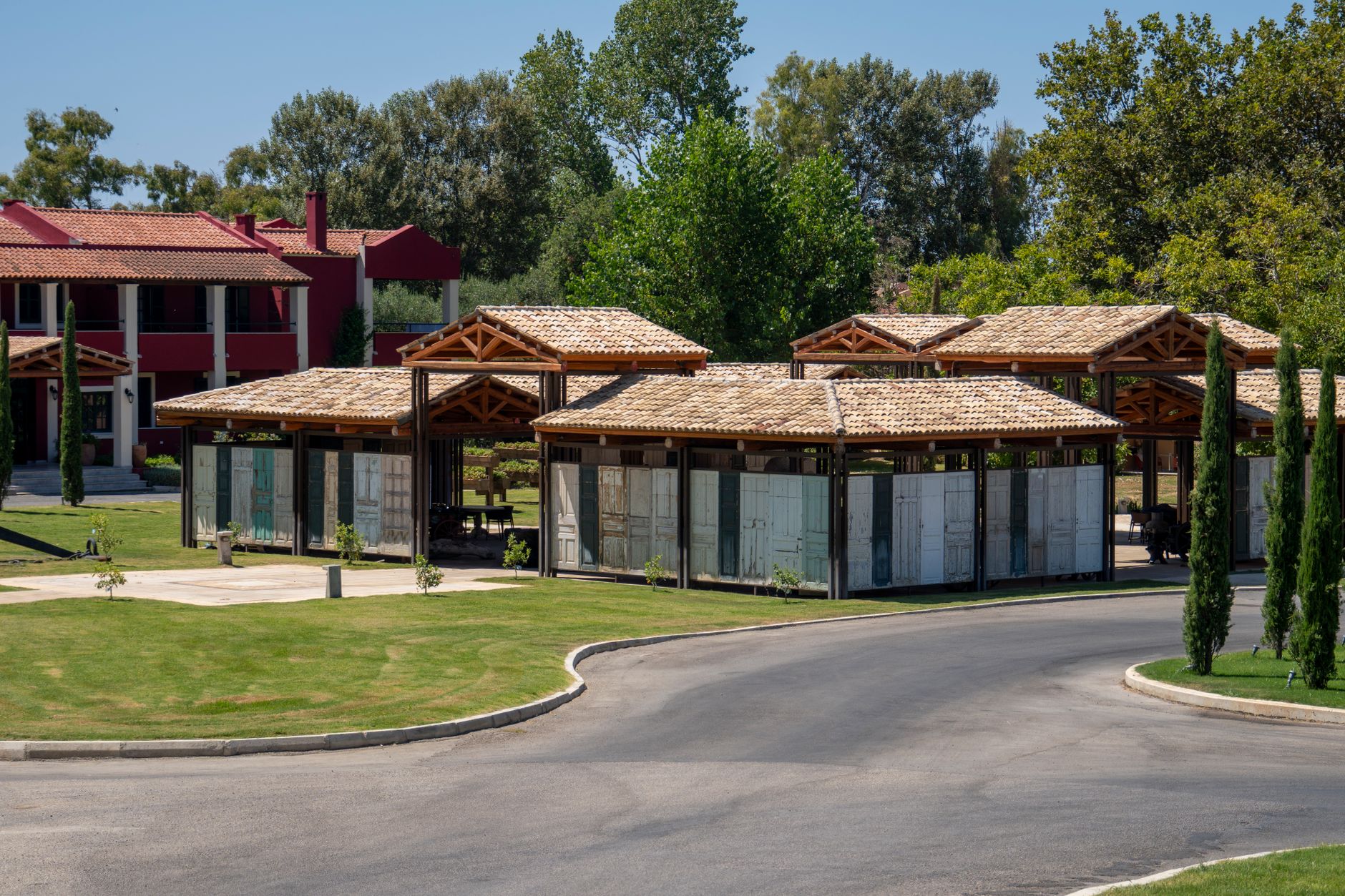
Chacras de Coria sits 15 kilometres south of central Mendoza, a 25-minute taxi ride away. It is known for its network of stone acequias, residential estates, and historic boutique wineries operating right inside the village grid. Chacras de Coria is worth visiting if you want relaxed cellar-door tastings, long courtyard lunches, and quiet cycling beneath sycamores. Look elsewhere if you require late-night dance clubs, dense walkable museum districts, or dramatic alpine trekking right outside your door.
Last updated 3 Oct 2026
Build a Chacras de Coria itinerary.
Choose up to 4 threads that pull you in. Your plan arrives organised around them.
The Bed
Where to stay in Chacras de Coria
Which part of town to book, and what each one costs you in walking, noise or quiet.
The Comparison
Chacras de Coria, or somewhere near it
The places you are realistically choosing between, and the honest case for each.
The Local Record
Where to read more about Chacras de Coria
The blogs, boards, guides and operators worth bookmarking.
What to do in Chacras de Coria Mendoza Argentina
Life here moves at the steady tempo of irrigation water through stone gutters. Centred on Plaza Gerónimo Espejo, the village fans out into leafy avenues lined with high-walled estates, artisan bakeries, and neighbourhood bodegas. It suits travellers who prefer unhurried afternoons, generous lunches in garden courtyards, and tasting cellar reserves without dealing with downtown traffic.
24 hours in Chacras de Coria Mendoza Argentina
Grab warm tortitas on Calle Mitre, then tour the concrete fermentation tanks at Clos de Chacras. Spend three unhurried hours over wood-grilled entraña in a garden courtyard on Calle Darragueira. End the day with a glass of old-vine Malbec around Plaza Gerónimo Espejo as locals gather on evening benches. Select 1 Day above to see it.
2 days in Chacras de Coria Mendoza Argentina
Rent a bicycle on Calle Italia and pedal ten minutes south into neighbouring Vistalba to visit traditional olive mills and family-run wineries. Book a late lunch featuring clay-oven braised goat, then spend the afternoon viewing post-impressionist murals at Casa de Fader in nearby Mayor Drummond. Choose 2 Days to expand the plan.
3 days in Chacras de Coria Mendoza Argentina
Head forty minutes up into the high desert of Potrerillos for cool reservoir views and thermal waters at Cacheuta. Return to town for an evening of small-batch craft beer and wood-fired empanadas along Calle Mitre, enjoying the cool mountain breeze that flows down after sunset.
Chacras de Coria Mendoza Argentina itineraries by interest
Wine & Vineyards in Chacras de Coria Mendoza Argentina
Taste old-vine Malbec and Cabernet Franc at Clos de Chacras and Pulmary, where century-old concrete vats sit behind modest brick gates.
Cycling in Chacras de Coria Mendoza Argentina
Rent a town cruiser on Calle Italia to pedal the leafy residential lanes and connect to the dedicated wine paths running south into Vistalba.
Meat & Asado in Chacras de Coria Mendoza Argentina
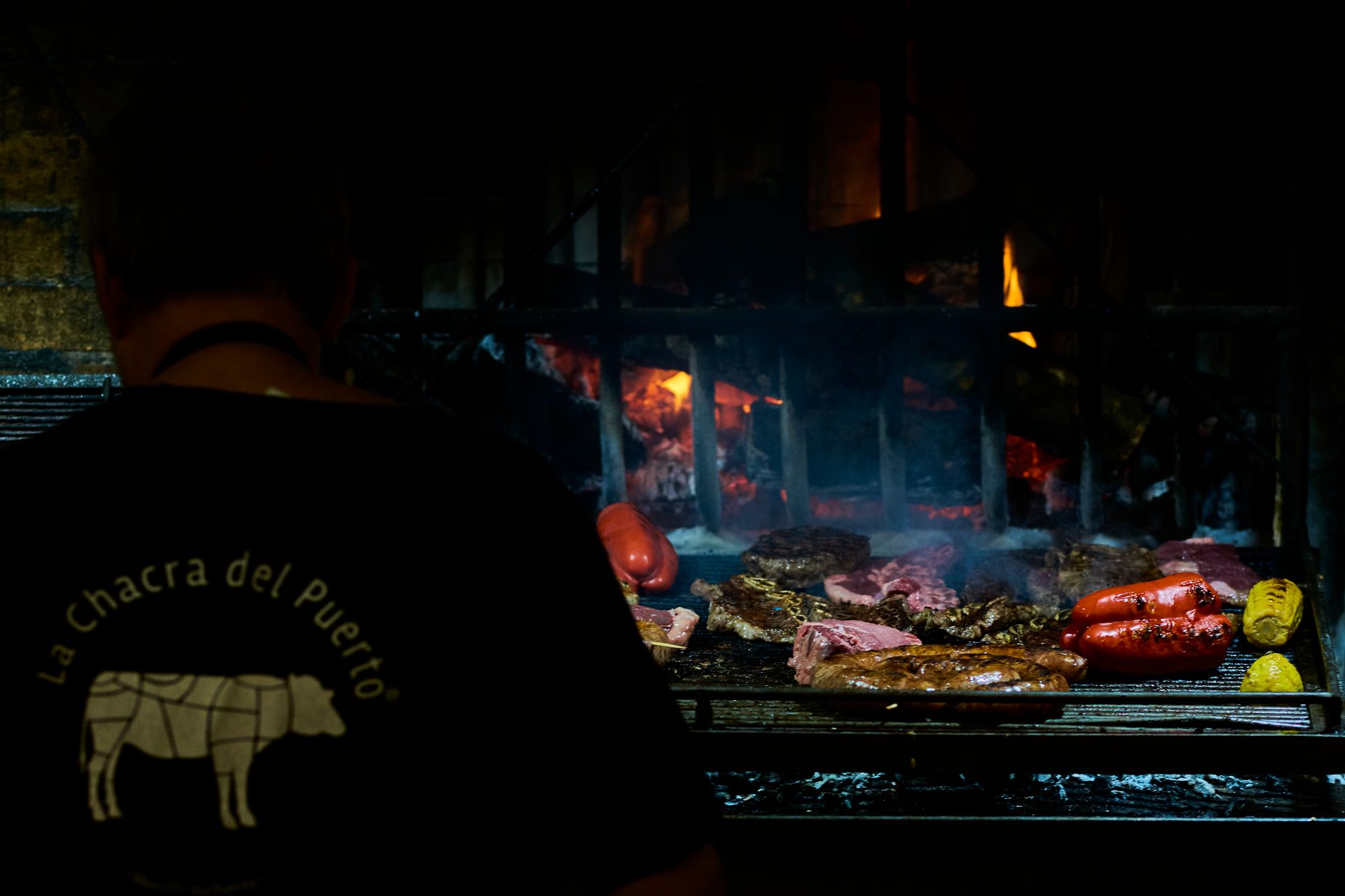
Look for wood-fired parrilladas serving thick-cut ojo de bife and entraña over quebracho coals, paired with chimichurri and coarse salt.
Regional Produce in Chacras de Coria Mendoza Argentina
Sample peppery Arauco olive oils, house-cured green olives, and local jarilla-infused honeys at small specialty counters near the central square.
Local Art in Chacras de Coria Mendoza Argentina
Explore Museo Provincial de Bellas Artes Emiliano Guiñazú at Casa de Fader, featuring early twentieth-century murals in an old summer mansion.
Sunday Markets in Chacras de Coria Mendoza Argentina
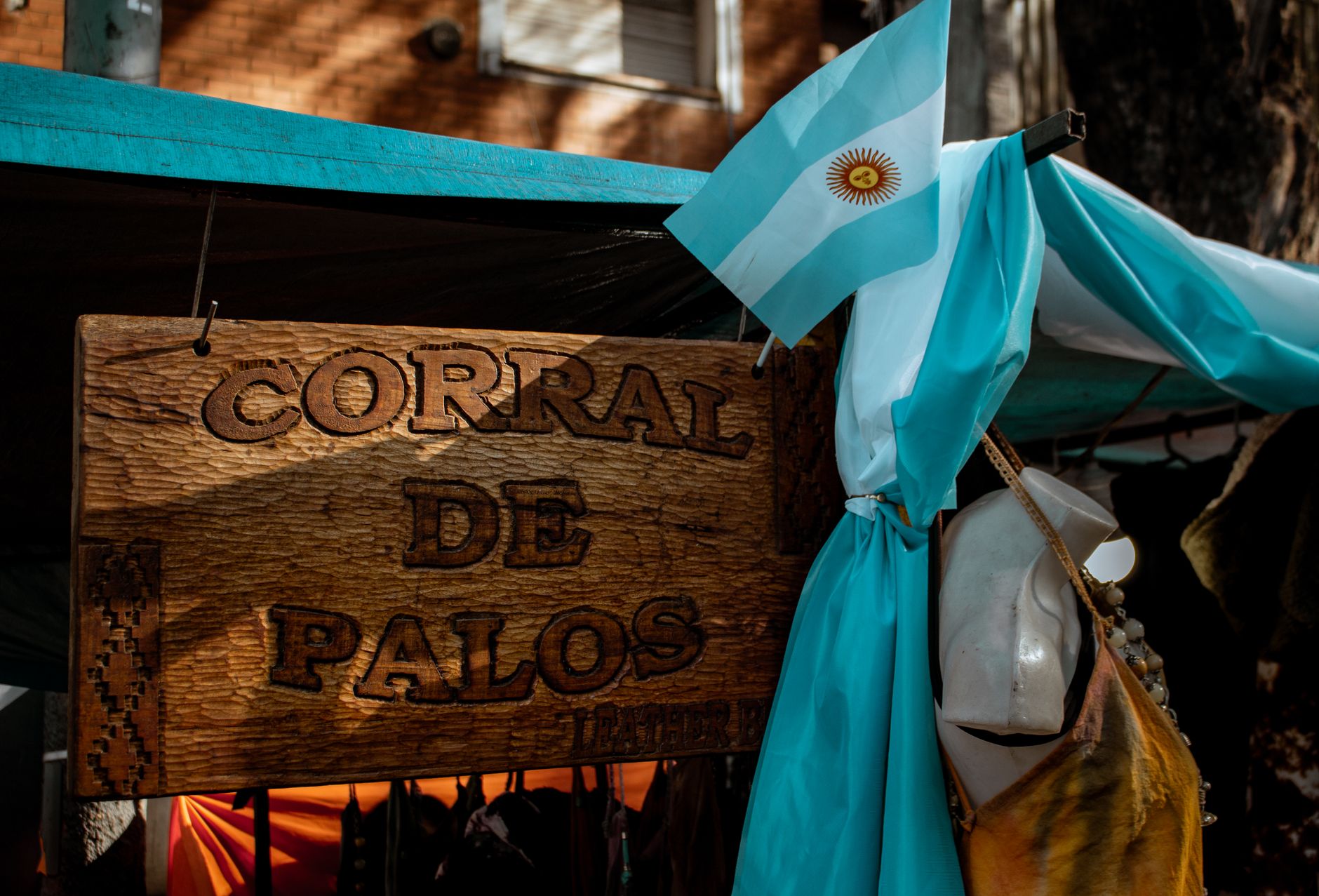
Browse Plaza Gerónimo Espejo on Sunday mornings for hand-turned leatherwork, antique mate gourds, silver bombillas, and warm fried pastries.
Regional Baking in Chacras de Coria Mendoza Argentina
Order wood-fired empanadas mendocinas packed with hand-cut beef, cumin, and hard-boiled egg, or pick up morning tortitas raspadas from local panaderías.
Sacred Architecture in Chacras de Coria Mendoza Argentina
Visit the small 1930s Parroquia Nuestra Señora del Perpetuo Socorro facing the square, constructed from local brick and timber rafters.
Courtyard Dining in Chacras de Coria Mendoza Argentina
Linger over multi-course lunches under fig trees along Calle Darragueira, where braised goat and roasted squash star alongside local blends.
Day Trips in Chacras de Coria Mendoza Argentina
Travel thirty minutes south into Luján de Cuyo and Vistalba for high-altitude vineyards framed by the snowcapped Cordón del Plata range.
Craft Beer in Chacras de Coria Mendoza Argentina
Sit at open-air taprooms along Calle Mitre pouring crisp lagers and dry stouts brewed with meltwater from the nearby Andes mountains.
Historic Gardens in Chacras de Coria Mendoza Argentina
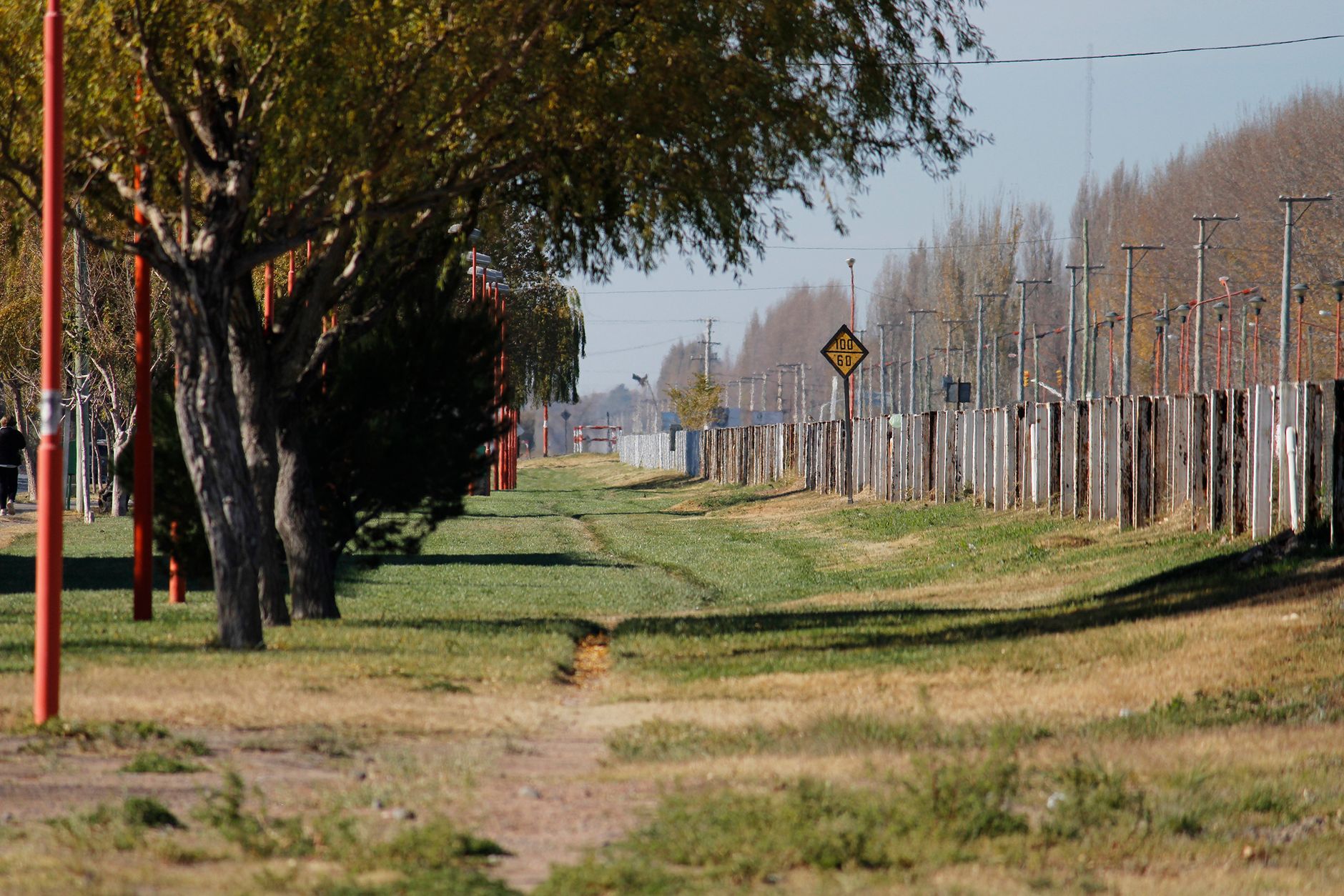
Walk the shaded residential corridors along Calle Álzaga, where century-old sycamores and running irrigation ditches cool the afternoon heat.