


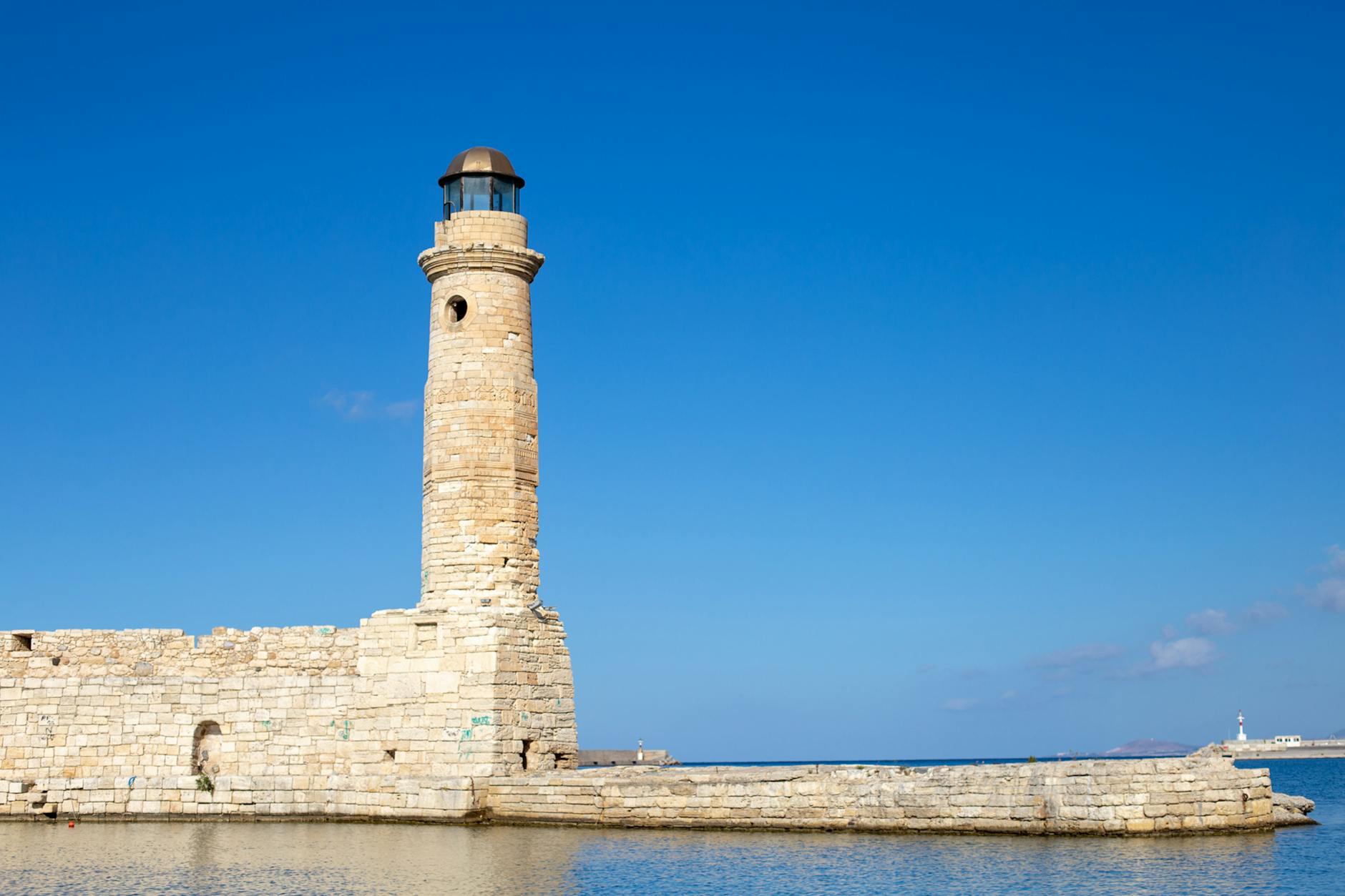

The Venetian harbor hits you first with creaking wooden hulls and the stone spine of the Fortezza rising overhead. Walk fifty paces inland and the tourist noise drops away into a labyrinth of Ottoman wooden balconies and Renaissance lintels. Rethymno lives on its feet: elderly locals debate politics over thick Greek coffee by the Rimondi Fountain while bakers stretch tissue-thin filo pastry on Vernardou Street. It is an unhurried working port that rewards an afternoon spent simply getting turned around.
Last updated 28 Aug 2026
Build a Rethymno itinerary.
Choose up to 4 threads that pull you in. Your plan arrives organised around them.
The Bed
Where to stay in Rethymno
Which part of town to book, and what each one costs you in walking, noise or quiet.
The Comparison
Rethymno, or somewhere near it
The places you are realistically choosing between, and the honest case for each.
The Local Record
Where to read more about Rethymno
The blogs, boards, guides and operators worth bookmarking.
What to do in Rethymno Crete Greece
Rethymno wraps around a sweeping sandy bay, backed by the rugged Psiloritis range and crowned by its sprawling sixteenth-century fortress. Days naturally split between shaded walks through the pedestrianized old quarter and long lunches over braised goat and wild greens. It suits independent travellers who appreciate architectural layers, walkable distances, and genuine neighborhood life without the cruise-ship crush found in larger ports.
24 hours in Rethymno Crete Greece
Start early atop the Fortezza walls before the sun peaks, then walk down through the Guora Gate into the old town. Stop for coffee and fresh bougatsa near the Rimondi Fountain, spend the afternoon browsing Vernardou Street, and finish with fresh red mullet at a quiet taverna along the outer harbor wall. Select 1 Day above to see it.
2 days in Rethymno Crete Greece
Your second day lets you explore beyond the center. Take a twenty-minute drive to the lush Mili Gorge for a shaded morning walk among ruined watermills, then head to the pottery village of Margarites for slow-baked lamb in clay pots and a glass of chilled Vidiano wine under the plane trees. Choose 2 Days to expand the plan.
3 days in Rethymno Crete Greece
A third day allows an unhurried loop south through the limestone cliffs of Kourtaliotiko Gorge to the Libyan Sea. Walk the palm grove trail down to Preveli Beach, visit the clifftop monastery, and stop in Spili for cold spring water and a plate of warm kalitsounia on the drive back.
Rethymno Crete Greece itineraries by interest
Handmade Pastry in Rethymno Crete Greece
Watch master bakers pull gossamer filo dough on Vernardou Street, turning out crisp baklava and cheese-filled kataifi soaked in spiced syrup.
Fortress & Harbor in Rethymno Crete Greece
Walk the massive 16th-century Fortezza bastions for open Aegean views before strolling past the stone lighthouse at the Venetian harbor.
Cretan Tavernas in Rethymno Crete Greece
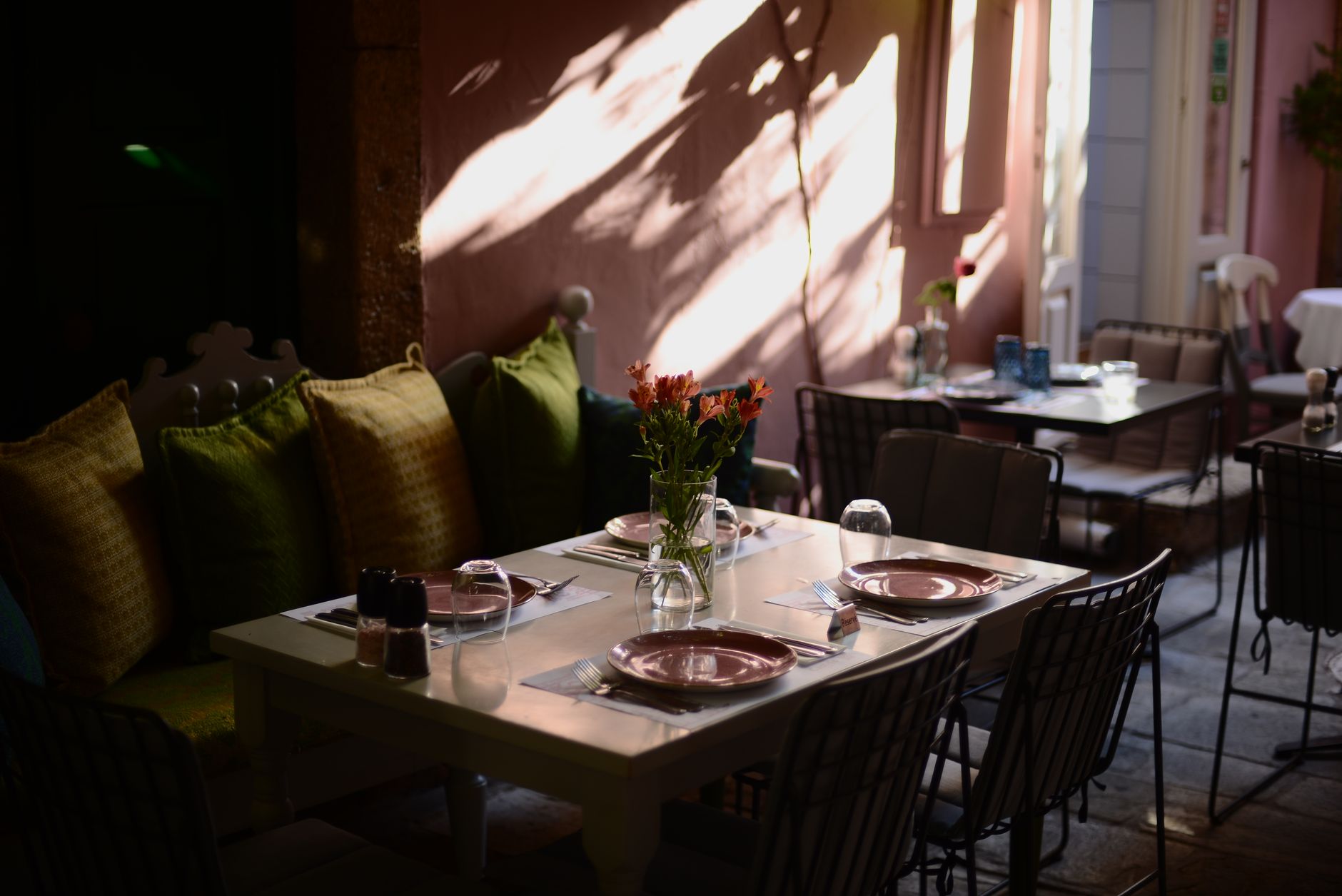
Order slow-cooked goat with stamnagathi greens, smoked apaki pork, and crisp dakos barley rusks drizzled with fragrant local olive oil.
Sacred Architecture in Rethymno Crete Greece
Trace centuries of faith at the Neratze Mosque minaret, Catholic chapels, and the inland historic Arkadi Monastery with its baroque facade.
Local Wine in Rethymno Crete Greece
Taste indigenous white Vidiano and robust red Kotsifali pours produced in the sun-drenched terraced vineyards across the Rethymno foothills.
Town Beaches in Rethymno Crete Greece
Head east along the coastal strip for broad sandy stretches, organized sun loungers, and calm swimming shallow enough for easy morning wading.
Produce Markets in Rethymno Crete Greece
Browse open-air weekly market stalls near the municipal gardens for mountain herbs, wild greens, raw thyme honey, and sharp graviera cheese.
Gorge Walking in Rethymno Crete Greece
Trek the cool, shaded paths of nearby Mili Gorge, passing abandoned stone watermills and wild fig trees just twenty minutes south of town.
Pottery Traditions in Rethymno Crete Greece
Visit nearby Margarites village to watch artisans throw traditional terracotta storage jars and glazed earthenware using local clay beds.
Historic Alleys in Rethymno Crete Greece
Wander past Ottoman wooden bay windows and carved Venetian portals along Arkadiou and Nikiforou Foka streets in the pedestrian center.
Distillery Culture in Rethymno Crete Greece
Sip clear, potent tsikoudia pomace brandy poured from small carafes, offered alongside local olives and sheep cheese at neighbourhood kafenions.
South Coast Trips in Rethymno Crete Greece
Drive forty minutes south through the Kourtaliotiko Gorge to reach the palm forest of Preveli Beach and the quiet tavernas of Plakias.