Harbin.


Harbin lies in China's far northeast, a two-hour flight or five-hour high-speed train from Beijing. Built along the Songhua River as a hub for the Russian-constructed Chinese Eastern Railway in the 1890s, it is known for turn-of-the-century European facades, hearty Dongbei frontier cooking, and bone-dry sub-zero winters. Harbin is worth visiting if you want to eat crisp sweet-and-sour pork in unheated coat rooms and study Orthodox architecture alongside frozen northern waterways. Look elsewhere if you want mild weather, ancient dynastic Chinese architecture, or an active late-night bar scene.
Last updated 9 Sept 2026
Build a Harbin itinerary.
Choose up to 4 threads that pull you in. Your plan arrives organised around them.
The Bed
Where to stay in Harbin
Which part of town to book, and what each one costs you in walking, noise or quiet.
The Comparison
Harbin, or somewhere near it
The places you are realistically choosing between, and the honest case for each.
The Local Record
Where to read more about Harbin
The blogs, boards, guides and operators worth bookmarking.
What to do in Harbin Heilongjiang China
Harbin rewards travellers who dress warmly and walk everywhere. The city stretches along the southern bank of the frozen Songhua River, anchored by the Russian-built cobbles of Zhongyang Street and the decayed plasterwork of Lao Daowai. Mornings begin early at neighbourhood morning markets with steaming bowls of douhua, while afternoons belong to Orthodox brickwork, crisp river winds, and communal iron-pot stews that bubble until dusk.
24 hours in Harbin Heilongjiang China
Start at Daoli Morning Market for fried dough sticks before walking Zhongyang Street to Saint Sophia Cathedral. Cross the Songhua River ice on foot to Sun Island by midday. Dine on guobaorou and smoked red sausage at a Lao Daowai eatery, finishing on the riverbank as lanterns turn on. Select 1 Day above to see it.
2 days in Harbin Heilongjiang China
Devote day two to Lao Daowai, tracing Chinese Baroque facades along Nanxun Street. Warm up inside a local tea house, then take bus 47 across the bridge to the Harbin Grand Theatre in Songbei. Finish with a bubbling tieguodun fish stew simmered over wood stoves. Choose 2 Days to expand the plan.
3 days in Harbin Heilongjiang China
A third day allows an early train south to the ski slopes of Yabuli or a morning at Unit 731 Museum for sobering wartime history in Pingfang district. Return to Daoli for kvass, sourdough lieba, and a quiet evening along the Middle East Railway Bridge.
Harbin Heilongjiang China itineraries by interest
Regional Cooking in Harbin Heilongjiang China
Eat guobaorou fried crisp with ginger and vinegar, alongside bubbling tieguodun stewed carp and cornmeal flatbreads pressed against iron pots.
Sacred Architecture in Harbin Heilongjiang China
Visit Saint Sophia Cathedral on Toulong Street, built in 1907 with Byzantine green domes, and the red-brick Sacred Heart of Jesus church.
Railway History in Harbin Heilongjiang China
Trace the 1890s Chinese Eastern Railway via the Middle East Railway Bridge walkway and station displays near the Songhua embankment.
Winter Sports in Harbin Heilongjiang China
Strap on skates at the frozen Songhua River or ride commuter ice chairs across the wide winter plain near Stalin Park without long queues.
Bakeries & Cafes in Harbin Heilongjiang China
Pick up dense sourdough lieba bread, kvass, and Russian cream pastries at century-old counters along pedestrian Zhongyang Street.
Street Food in Harbin Heilongjiang China
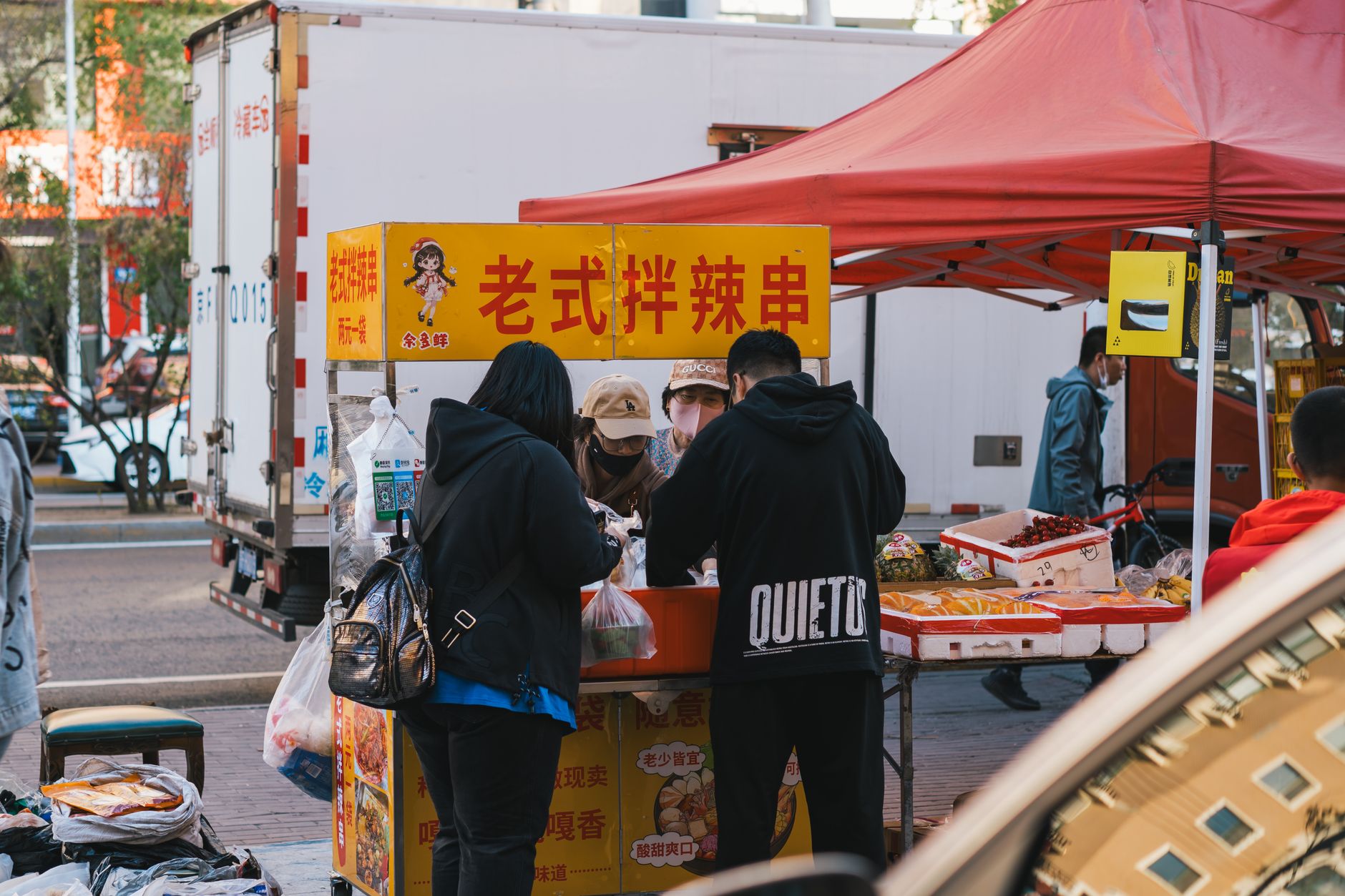
Queue in minus twenty degrees for Madieer vanilla popsicles, roasted sweet potatoes, and grilled Harbin red garlic sausages on the cobbles.
City Parks in Harbin Heilongjiang China
Walk the riverfront path through Stalin Park to Zhaolin Park, where locals practice tai chi and inspect miniature ice lantern carvings.
Historic Districts in Harbin Heilongjiang China
Wander Lao Daowai to study early twentieth-century Chinese Baroque facades, where Russian ornamentation meets traditional courtyard houses.
Riverfront Culture in Harbin Heilongjiang China
Board the Sun Island ferry or cross the thick winter ice on foot to watch fishermen drill holes beside winter swimmers near the north bank.
Local Markets in Harbin Heilongjiang China
Browse the Daoli Morning Market on Jihong Street for hot tofu brain, steamed baozi, frozen persimmons, and fresh river sturgeon.
Performing Arts in Harbin Heilongjiang China
Attend an evening chamber concert at Harbin Grand Theatre, set among northern wetlands across the river in the Songbei District.
Day Trips in Harbin Heilongjiang China
Take a two-hour high-speed train southeast to Yabuli for pine-forested ski runs, or head to the Volga Manor complex for rural river views.