.jpg)

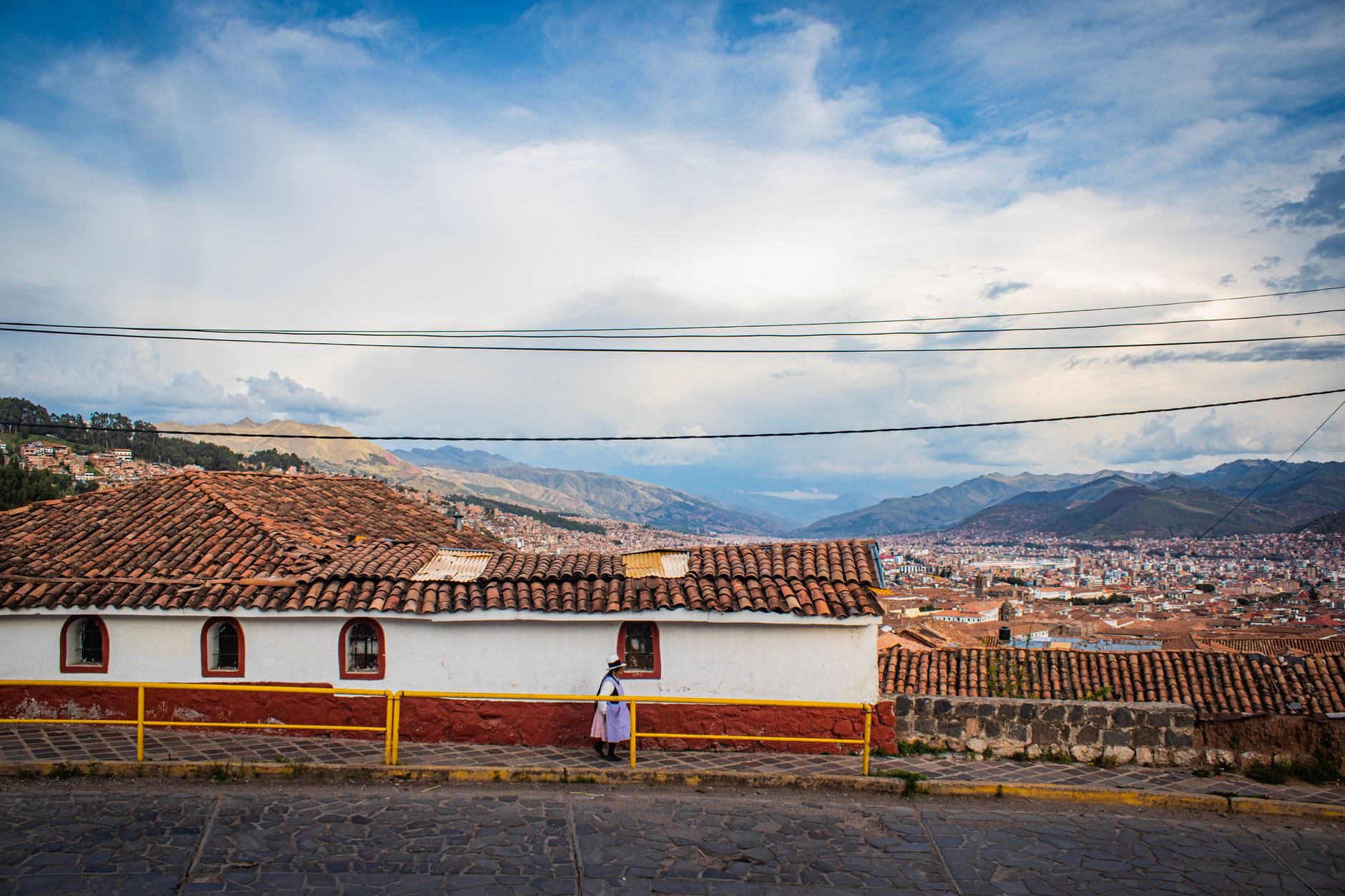
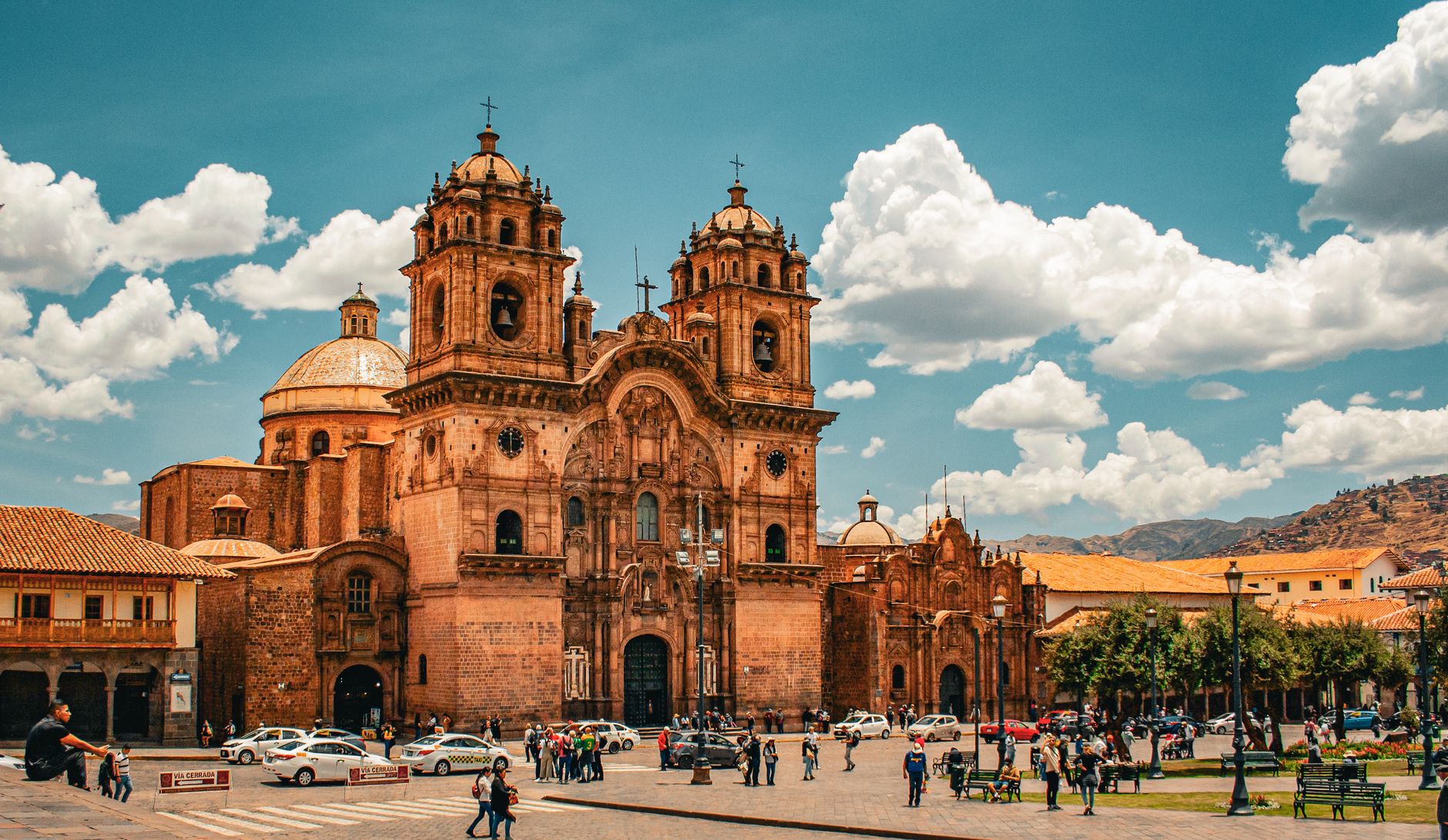


The thin mountain air catches your throat on the first climb up Calle Hatun Rumiyoc. At 3,400 metres, your lungs will remind you to slow down, which gives you time to inspect mortarless Inca foundations supporting seventeenth-century Spanish arches. Quechua weavers sell naturally dyed alpaca yarn along the flagstones, while woodsmoke drifts from neighbourhood picanterías serving roasted cuy and plates of steaming choclo con queso.
Last updated 28 Aug 2026
Build a Cusco itinerary.
Choose up to 4 threads that pull you in. Your plan arrives organised around them.
The Bed
Where to stay in Cusco
Which part of town to book, and what each one costs you in walking, noise or quiet.
The Comparison
Cusco, or somewhere near it
The places you are realistically choosing between, and the honest case for each.
The Local Record
Where to read more about Cusco
The blogs, boards, guides and operators worth bookmarking.
What to do in Cusco The Andes Peru
Days here settle into a rhythm shaped by high elevation and steep cobblestone alleys. Mornings belong to the stone alleys around the Plaza de Armas and the stalls of San Pedro market, while afternoons suit quiet museum courtyards and slow walks through San Blas. It rewards travellers who prefer exploring on foot, eating regional mountain food, and taking ancient architecture seriously without feeling the need to sprint between ruins.
24 hours in Cusco The Andes Peru
Spend the morning pacing yourself through the Cathedral and Qorikancha before the midday crowds arrive. Head to San Pedro market for a steaming bowl of chicken soup and a glass of passionfruit juice, then climb the stone stairs to San Blas for sunset. Dine on crispy roast pork at a family-run picantería along Calle Pampa del Castillo. Select 1 Day above to see it.
2 days in Cusco The Andes Peru
A second day lets you hike up to the massive limestone walls of Sacsayhuamán early, avoiding tour buses and thin midday heat. Descend through the quiet hillside barrio of San Cristóbal, then spend the afternoon browsing weaving cooperatives on Calle Tandapata. Finish with trout ceviche and a cocktail infused with native Andean herbs. Choose 2 Days to expand the plan.
3 days in Cusco The Andes Peru
Three days allows an unhurried excursion down into the Sacred Valley. Board an early morning combi to the concentric circular terraces of Moray and the terraced salt ponds at Maras, descending below 3,000 metres where breathing is easier. Return to Cusco for an evening dinner of braised lamb and local quinoa beer near Plaza Nazarenas.
Cusco The Andes Peru itineraries by interest
Archaeological Sites in Cusco The Andes Peru
Walk the colossal zigzag bastions of Sacsayhuamán and the sun temple foundations at Qorikancha, built without mortar in the fifteenth century.
Market Halls in Cusco The Andes Peru
Mercado Central de San Pedro serves glasses of jugo especial, stacks of pan chuta, and bowls of caldo de gallina beside rows of native tubers.
Traditional Cooking in Cusco The Andes Peru
Order slow-roasted cuy chactado, rocoto relleno, and kapchi de habas in traditional neighbourhood picanterías alongside carafes of chicha de jora.
Sacred Architecture in Cusco The Andes Peru
Visit the Cathedral Basilica on the Plaza de Armas to see the 1753 Last Supper canvas featuring a roasted guinea pig, plus carved cedar choir stalls.
Textile Crafts in Cusco The Andes Peru
Watch backstrap weaving demonstrations and shop for naturally dyed baby alpaca shawls in the artisan workshops of the steep San Blas quarter.
Historic Walking in Cusco The Andes Peru
Trace pre-Columbian stone masonry along Calle Triunfo and pause at the twelve-angled stone fitted tightly into the Archbishop's Palace wall.
Day Trips in Cusco The Andes Peru
Take a colectivo down to the Sacred Valley to explore the agricultural terraces of Moray and the tiered pre-Inca salt pans at Maras.
High Altitude Hiking in Cusco The Andes Peru
Climb past the Temple of the Moon on the hillside above San Cristóbal for clear views across the red-tiled roofs of the historic valley.
Street Food in Cusco The Andes Peru
Snack on warm anticuchos skewered from evening braziers, crisp papa rellena, and freshly boiled choclo corn with thick slices of Andean cheese.
Colonial Art in Cusco The Andes Peru
Examine gold-leaf altars and syncretic paintings by indigenous masters of the sixteenth-century Cusqueña school inside the Church of the Company of Jesus.
Coffee & Cacao in Cusco The Andes Peru
Sip pour-over brews made with Quillabamba beans and sample stone-ground single-origin Chuncho chocolate in small specialty cafes near Plaza Regocijo.
Local Spirits in Cusco The Andes Peru
Taste herbal macerados infused with muña and coca leaf, or order a traditional Pisco Sour whipped with lime juice and egg white at historic hotel bars.