
.jpg)

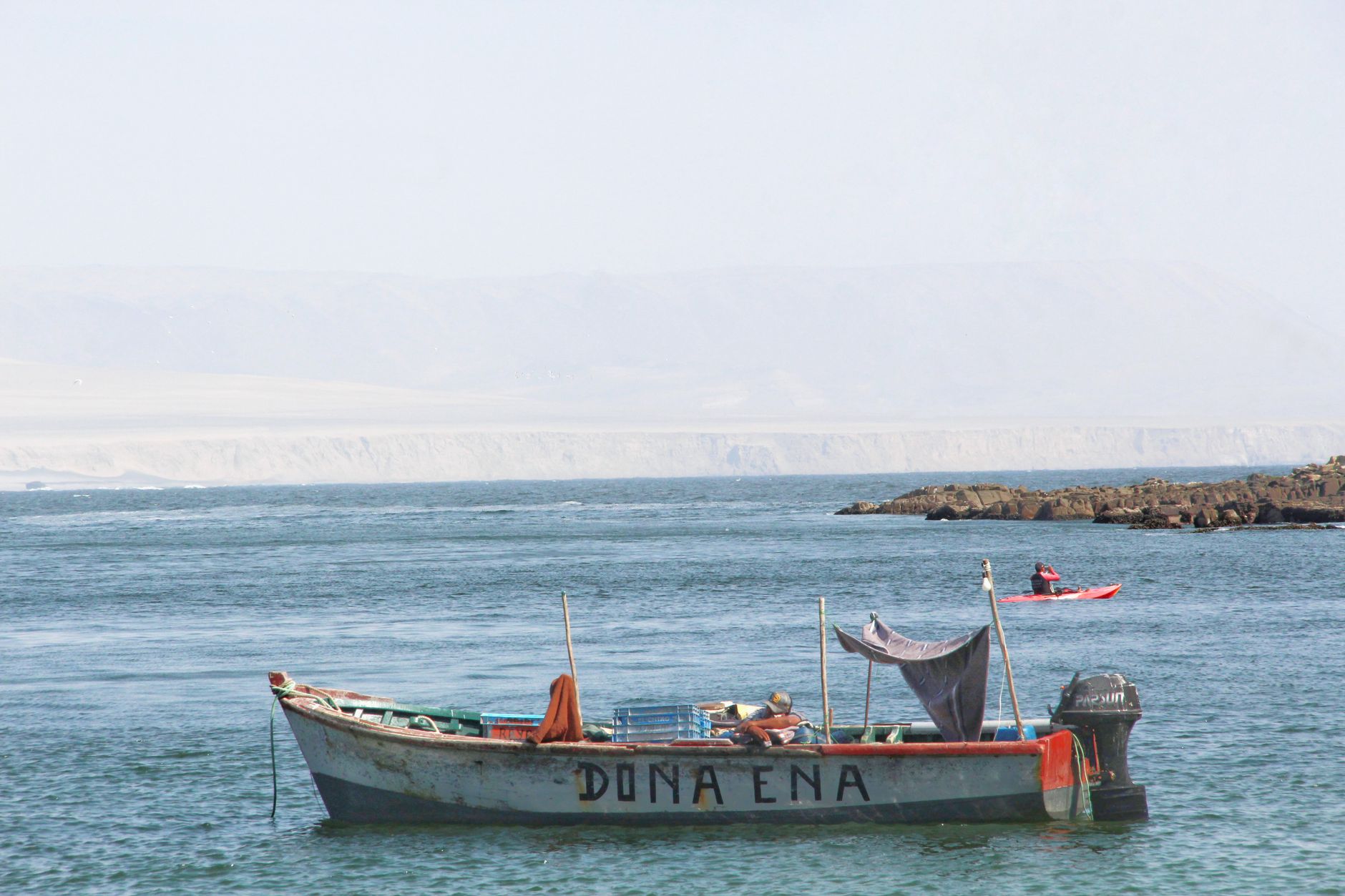
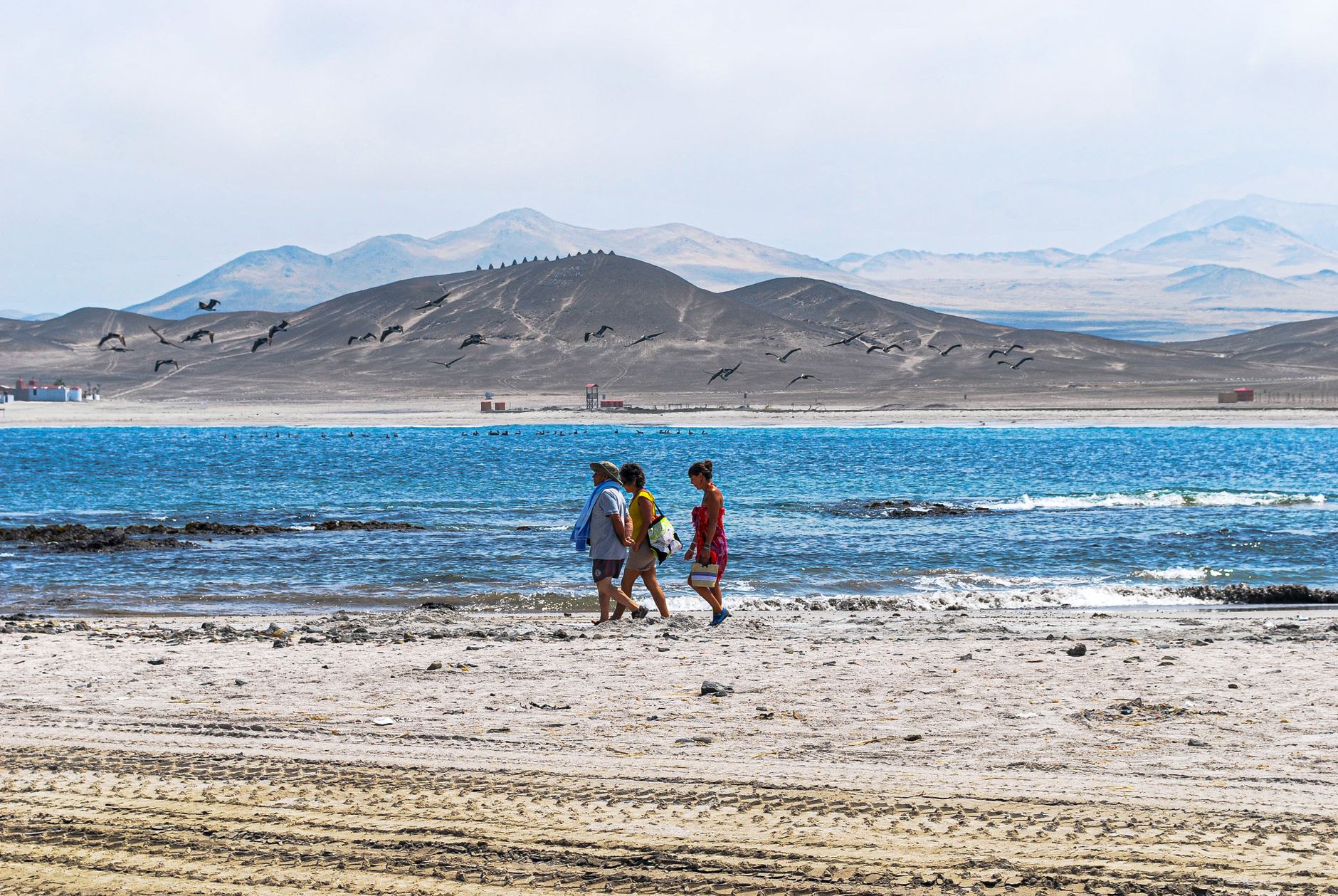

The wind picks up every afternoon like clockwork, whipping pale desert dust straight across the Pan-American Highway into the Pacific. Paracas sits on the edge of a bone-dry peninsula where red cliffs drop sheer into cold Humboldt waters. Fishermen land corvina and flounder on the concrete jetty by eight in the morning while diesel skiffs gun their outboards for the guano islands. It is raw, quiet, and completely dominated by weather.
Last updated 28 Aug 2026
Build a Paracas itinerary.
Choose up to 4 threads that pull you in. Your plan arrives organised around them.
The Bed
Where to stay in Paracas
Which part of town to book, and what each one costs you in walking, noise or quiet.
The Comparison
Paracas, or somewhere near it
The places you are realistically choosing between, and the honest case for each.
The Local Record
Where to read more about Paracas
The blogs, boards, guides and operators worth bookmarking.
What to do in Paracas The Coast Peru
Paracas revolves around two primary rhythms: the morning boats heading into the cold Humboldt Current and the heavy afternoon winds sweeping over the bay. Centred on the walkable boardwalk of El Chaco, it suits wildlife spotters, kiteboarders, and anyone seeking desolate coastal desert landscapes accompanied by impeccably fresh seafood.
24 hours in Paracas The Coast Peru
Catch an eight o'clock morning boat out to the Ballestas Islands before the swell rises, returning by ten to explore the dramatic red cliffs of the National Reserve. Eat corvina ceviche on the malecon at El Chaco, then spend the late afternoon watching windsurfers across the bay with a cold Chilcano. Select 1 Day above to see it.
2 days in Paracas The Coast Peru
A second day lets you rent a bicycle or scooter to explore the isolated beaches of Playa La Mina and Raspon at your own pace. In the late afternoon, head twenty minutes inland to Pisco town for hearty plates of carapulcra and sopa seca at a neighbourhood picanteria away from the harbour. Choose 2 Days to expand the plan.
3 days in Paracas The Coast Peru
With three days, venture inland toward the Ica Valley to visit traditional clay-pot pisco distilleries like Bodega Tacama. Balance the day by visiting the Julio C. Tello Site Museum to see the intricate Paracas textile fragments and skull modifications unearthed from the desert.
Paracas The Coast Peru itineraries by interest
Local Seafood in Paracas The Coast Peru
Corvina, lenguado, and conchas negras ceviche cured in sharp lime with red onion, served alongside fried calamari at the portside stalls.
Coastal Wildlife in Paracas The Coast Peru
Speedboats to the Ballestas Islands for close views of Humboldt penguins, blue-footed boobies, and sea lions barking on wave-cut rock arches.
Desert Landscapes in Paracas The Coast Peru
Paracas National Reserve tracks winding between yellow sandstone dunes and red sand beaches like Playa Roja, where desert drops into ocean.
Ancient History in Paracas The Coast Peru
The massive coastal geoglyph El Candelabro etched into the headland, plus 2,000-year-old weaving remnants in the Julio C. Tello museum.
Wind Sports in Paracas The Coast Peru
Reliable afternoon thermal winds across the shallow, flat bay making Santo Domingo Beach one of the Pacific coast's premier kitesurfing spots.
Day Trips in Paracas The Coast Peru
Heading an hour inland to the Ica Valley to tour historic adobe pisco distilleries and watch sandboarders on the Huacachina oasis dunes.
Coastal Walks in Paracas The Coast Peru
Following the cliff tops between Playa Supay, Playa La Mina, and the scarred rock foundations of the sea stack once called La Catedral.
Birdwatching in Paracas The Coast Peru
Flocks of Chilean flamingos feeding in the shallow tidal flats of Bahia de Paracas alongside pelicans, cormorants, and migrating waders.
Local Spirits in Paracas The Coast Peru
Tasting pure Quebranta and Torontel piscos alongside citrus-heavy Chilcano cocktails mixed with ginger ale and fresh lime at beachside bars.
Maritime Traditions in Paracas The Coast Peru
Early-morning activity along El Chaco pier as artisanal fishermen sort gillnets of corvina and haul crates of bay scallops onto the dock.
Regional Cooking in Paracas The Coast Peru
Sopa seca paired with carapulcra, an Afro-Peruvian stew of dried potatoes and pork seasoned with aji panca, served in local picanterias.
Desert Cycling in Paracas The Coast Peru
Renting a sturdy fat-tire bicycle to pedal the flat gravel loop into the national reserve before the afternoon paracas winds build up.