Ollantaytambo.
.jpg)


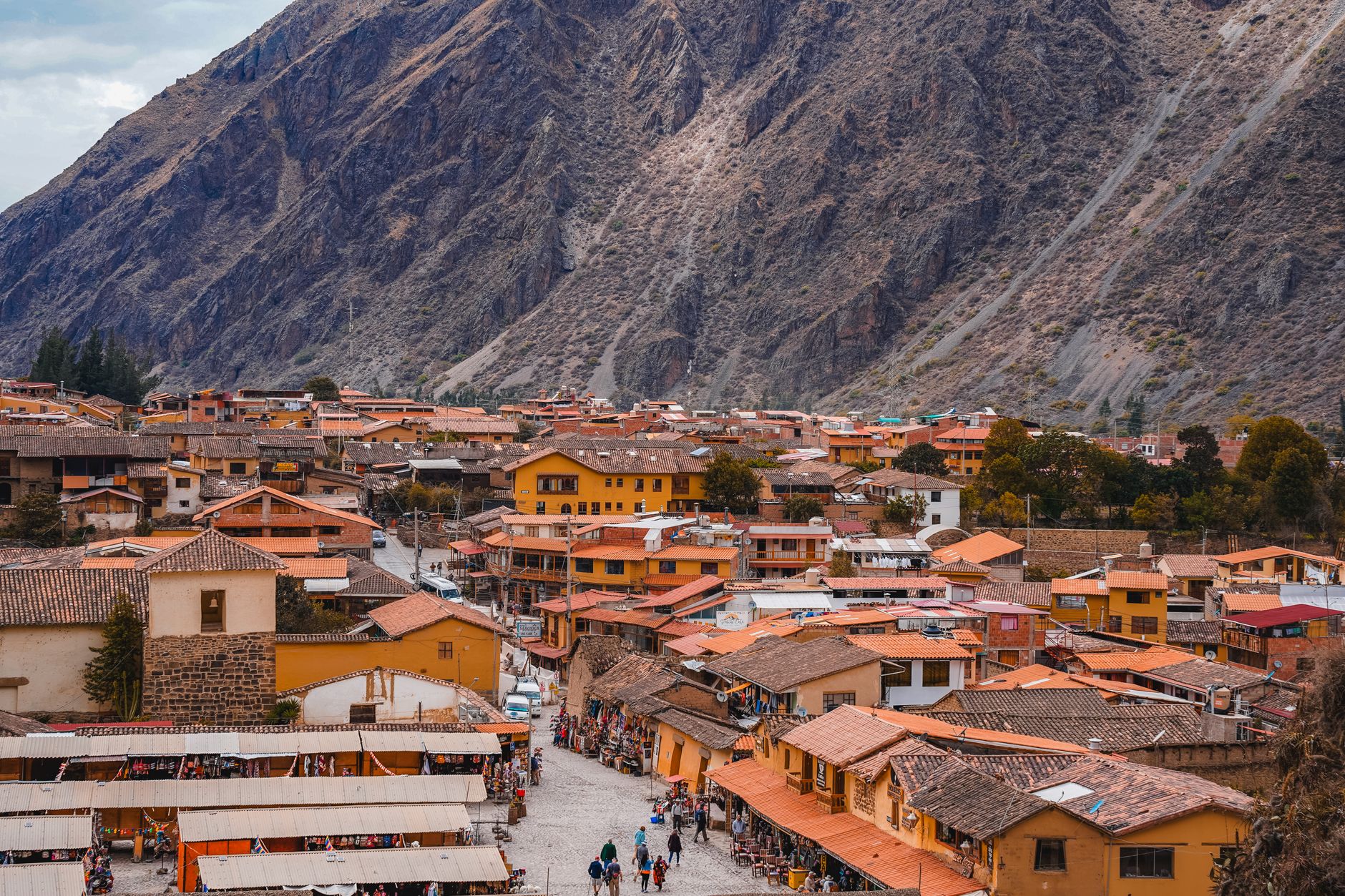
Water rushes through stone channels cut six centuries ago, right past doorways where families still live inside fifteenth-century Inca canchas. You step off the dusty road from Urubamba into an intact stone grid laid out under Emperor Pachacuti. High above, the agricultural terraces rise like a staircase for giants toward the Sun Temple. It is undeniably steep, your lungs will remind you of the 2,792-meter altitude, but sitting on a low wall with a bowl of hot quinoa soup makes complete sense of the climb.
Last updated 28 Aug 2026
Build a Ollantaytambo itinerary.
Choose up to 4 threads that pull you in. Your plan arrives organised around them.
We'll craft a 4-lens plan for Ollantaytambo, one collapsible strand per lens.
Archaeological Sites
Climb the ceremonial terraces to the pink granite Wall of the Six Monoliths, entering before 8:00 to beat the train crowds from Cusco.
Archaeological Sites
Climb the ceremonial terraces to the pink granite Wall of the Six Monoliths, entering before 8:00 to beat the train crowds from Cusco.
Climbing The Fortress Terraces
Ollantaytambo Archaeological Site
Enter with your Boleto Turistico at the main turnstile. Spend two unhurried hours exploring the upper Sun Temple before the afternoon tour buses depart.
Editor TipBuilt by Emperor Pachacuti in the fifteenth century, these megalithic terraces formed a royal estate and saw a rare Inka victory against Spanish forces in 1537. Climb slowly. At 2,792 metres altitude, your lungs will feel every granite step, regardless of your pride.
Street Food
Order hot pastel de choclo or a skewer of anticuchos from women grilling over braziers at the edge of the central Plaza de Armas at dusk.
Street Food
Order hot pastel de choclo or a skewer of anticuchos from women grilling over braziers at the edge of the central Plaza de Armas at dusk.
Market Choclo and Fresh Queso
Mercado Municipal de Ollantaytambo
Walk two blocks south of the plaza. Bring five soles in coins for steaming giant-kernel Sacred Valley corn served with thick slices of salty farmer cheese.
Editor TipLocal vendors in traditional felt monteras sell the valley's prize white giant corn, bred for immense kernels along the Urubamba since Inca rule. Grab a bench next to the market porters and ask for a spoonful of fiery rocoto paste.
Charcoal Anticuchos In The Plaza
Plaza de Armas de Ollantaytambo
Vendors roll out smoking braziers at dusk. Order skewers of marinated beef heart served with boiled choclo corn and rocoto sauce for under ten soles.
Editor TipAnticuchos have sustained Andean workers since pre-Columbian times, later adapted during the colonial era with garlic, vinegar, and ground aji panca chilies. Join the cart surrounded by mototaxi drivers. They know which cook keeps the coals hot and the meat tender.
Charcoal-Grilled Anticuchos at Dusk
Plaza de Armas Street Stalls
Follow the smoke to the carts on the plaza around dusk. Bring small soles coins, order two skewers of beef heart with boiled potato, and eat curbside.
Editor TipAnticuchos emerged during colonial rule when workers marinated discarded cuts in ají panca chiles, garlic, and vinegar before grilling over open embers. Queue where the local drivers wait, and do not hesitate to ask for an extra spoon of fresh rocoto salsa.
Smoked Anticuchos and Chicha
Pachar Roadside Stalls
Stop along the rail junction at Pachar on the road back. Point to the beef heart skewers smoking over charcoal, pay 8 soles, and pair them with a glass of fermented corn chicha.
Editor TipAnticuchos date to the colonial era, when enslaved Afro-Peruvians transformed discarded offal with aji panca chilies and garlic into the nation's premier evening street food. Order two skewers right away. Watching someone else take the last portion while you deliberate is a minor tragedy.
Traditional Weaving
Watch master weavers in nearby Willoq and Patacancha dye alpaca fleece with cochineal and weave intricate geometric backstrap textiles.
Traditional Weaving
Watch master weavers in nearby Willoq and Patacancha dye alpaca fleece with cochineal and weave intricate geometric backstrap textiles.
Backstrap Loom Textile Weaving
Awamaki
Walk three blocks north of the main plaza to this non-profit textile centre. Spend forty-five minutes learning how local Quechua women spin, dye, and weave sheep and alpaca wool.
Editor TipHighland communities preserve pre-Columbian iconography in their unku textiles, relying on cochineal bugs, native lichens, and waist-tension looms unaltered since the fifteenth century. Buy textile work directly from this artisan co-op shop rather than the acrylic copies hawked near the train tracks.
Living History
Walk the Aracama and Manyarqui sectors where fifteenth-century stone canchas and water channels function exactly as built under Pachacuti.
Living History
Walk the Aracama and Manyarqui sectors where fifteenth-century stone canchas and water channels function exactly as built under Pachacuti.
Climbing the Sun Temple
Sitio Arqueológico de Ollantaytambo
Requires the Cusco Boleto Turístico. Enter by eight to tackle the two-hundred-plus stone stairs in crisp morning shade; allow two hours.
Editor TipThis fifteenth-century royal estate doubled as a fortress where Manco Inca flooded the valley floor to repel Spanish cavalry in 1537. Pace your breathing on the steep terraces; the altitude makes heroism look foolish very quickly.
Note from the Editor
“Be through the fortress gates the second they open at eight. By ten, tour buses from Cusco arrive in force, and the ancient stone stairs turn into a slow-moving queue of sun hats.”
The Bed
Where to stay in Ollantaytambo
Which part of town to book, and what each one costs you in walking, noise or quiet.
The Comparison
Ollantaytambo, or somewhere near it
The places you are realistically choosing between, and the honest case for each.
The Local Record
Where to read more about Ollantaytambo
The blogs, boards, guides and operators worth bookmarking.
What to do in Ollantaytambo Sacred Valley Peru
Ollantaytambo is where the Sacred Valley narrows into steep granite walls. Days here follow the rhythm of the sun: climbing the stone terraces in the cool morning, ducking into quiet courtyards away from the midday tour buses, and watching the peaks turn orange over a clay bowl of stew. It rewards walkers who prefer staying in an inhabited ancient town rather than treating the valley as a quick bus window panorama.
24 hours in Ollantaytambo Sacred Valley Peru
Start at 7:00 at the fortress to climb the Sun Temple terraces before the midday heat. For lunch, grab choclo con queso near the Plaza de Armas. In the late afternoon, wander the stone alleys of the Manyarqui quarter, then finish with fried mountain trout on Calle del Medio. Select 1 Day above to see it.
2 days in Ollantaytambo Sacred Valley Peru
Cross the bridge on day two for the unguided climb to the Pinkuylluna granaries, looking directly across at the fortress walls. In the afternoon, hire a mototaxi to nearby Pachar to try craft beer brewed with glacial water and local grain, followed by a bowl of hot lamb seco. Choose 2 Days to expand the plan.
3 days in Ollantaytambo Sacred Valley Peru
Use the third day to travel up the Patacancha Valley to Willoq, where backstrap weaving traditions survive in high-altitude hamlets. Return down the valley in time for wood-fired flatbreads in town and a quiet walk along the illuminated stone aqueducts after dark.
Ollantaytambo Sacred Valley Peru itineraries by interest
Living History in Ollantaytambo Sacred Valley Peru
Walk the Aracama and Manyarqui sectors where fifteenth-century stone canchas and water channels function exactly as built under Pachacuti.
Archaeological Sites in Ollantaytambo Sacred Valley Peru
Climb the ceremonial terraces to the pink granite Wall of the Six Monoliths, entering before 8:00 to beat the train crowds from Cusco.
Day Hikes in Ollantaytambo Sacred Valley Peru
Take the steep trail up Pinkuylluna mountain to the stone storehouses for panoramic valley views and morning shade without ticket fees.
Market Produce in Ollantaytambo Sacred Valley Peru
Head to the municipal market on Calle Principal for giant-kernel Urubamba corn, fresh granadilla, and thick wheels of salty Andean cheese.
Traditional Weaving in Ollantaytambo Sacred Valley Peru
Watch master weavers in nearby Willoq and Patacancha dye alpaca fleece with cochineal and weave intricate geometric backstrap textiles.
Street Food in Ollantaytambo Sacred Valley Peru
Order hot pastel de choclo or a skewer of anticuchos from women grilling over braziers at the edge of the central Plaza de Armas at dusk.
Local Spirits in Ollantaytambo Sacred Valley Peru
Sip cañazo distilled from Andean sugar cane at small town distilleries or sample traditional chicha de jora served from marked doorways.
Mountain Trails in Ollantaytambo Sacred Valley Peru
Hike three hours across the Urubamba River to the quarry at Inti Punku for sweeping vistas of Mount Veronica and the Inca Sun Gate.
Regional Cooking in Ollantaytambo Sacred Valley Peru
Sit down for trout pan-fried with garlic, native potato stews scented with huacatay, and slow-roasted guinea pig prepared for celebrations.
Rail Journeys in Ollantaytambo Sacred Valley Peru
Board the narrow-gauge train to Aguas Calientes from the station ten minutes west of town, timing departures for early morning seats.
Highland Coffee in Ollantaytambo Sacred Valley Peru
Taste washed Arabica coffee grown in the nearby cloud forests of Quillabamba, roasted fresh and served in quiet courtyard cafes.
Sacred Architecture in Ollantaytambo Sacred Valley Peru
Study the fine fitted stonework of the Temple of the Condor and the water fountains of the Baño de la Ñusta in the lower ruins.