Ferrara.


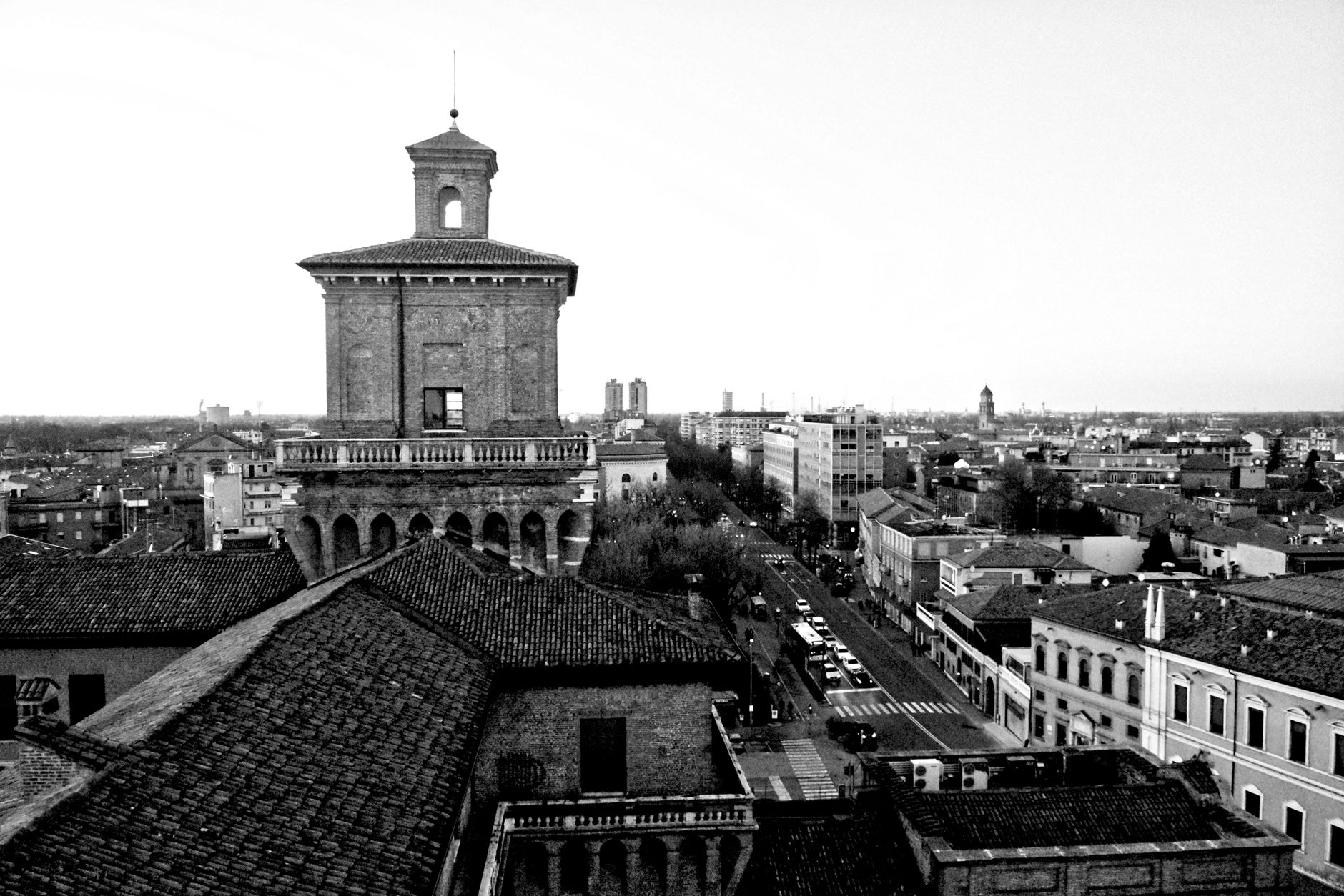
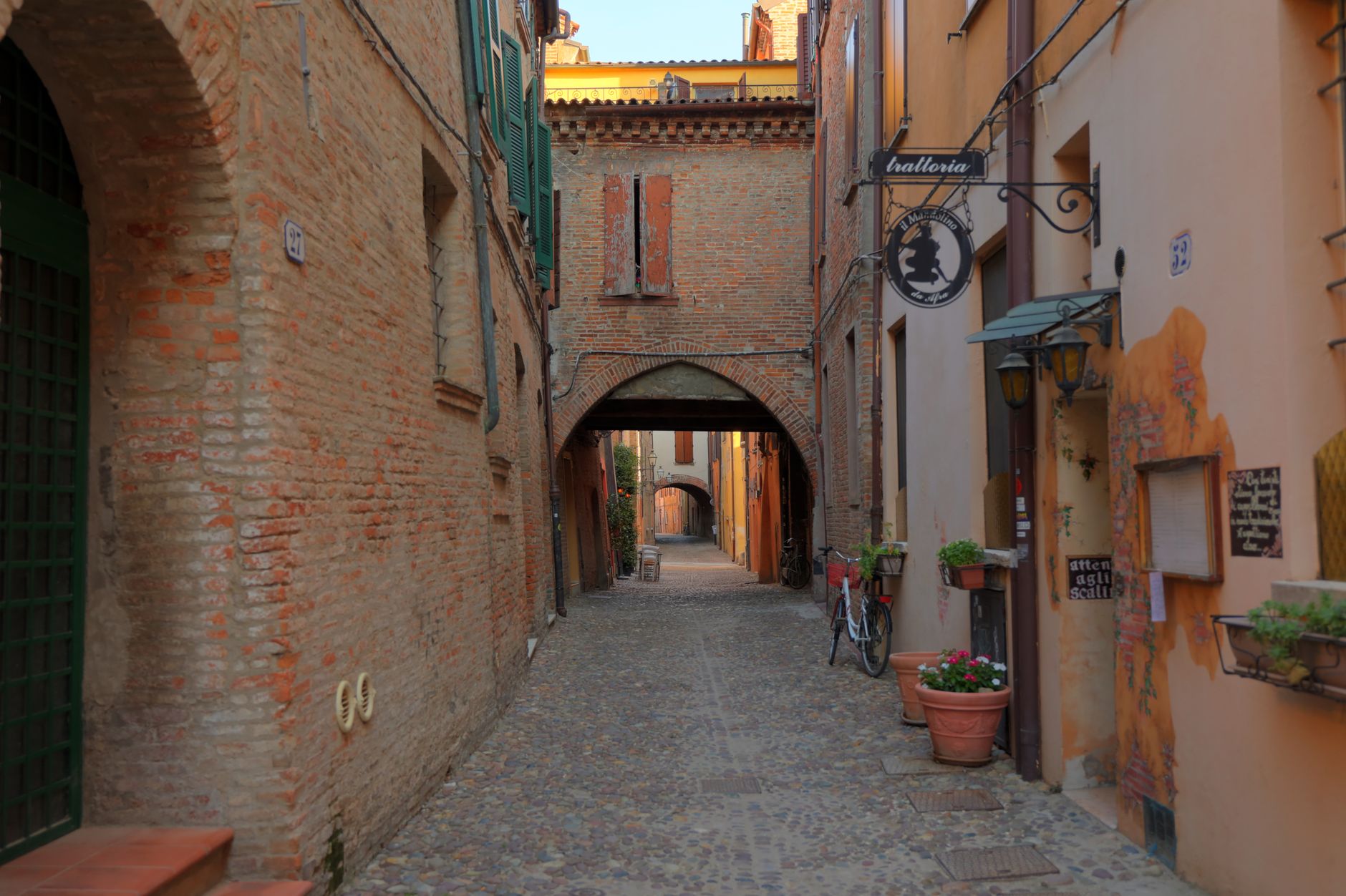
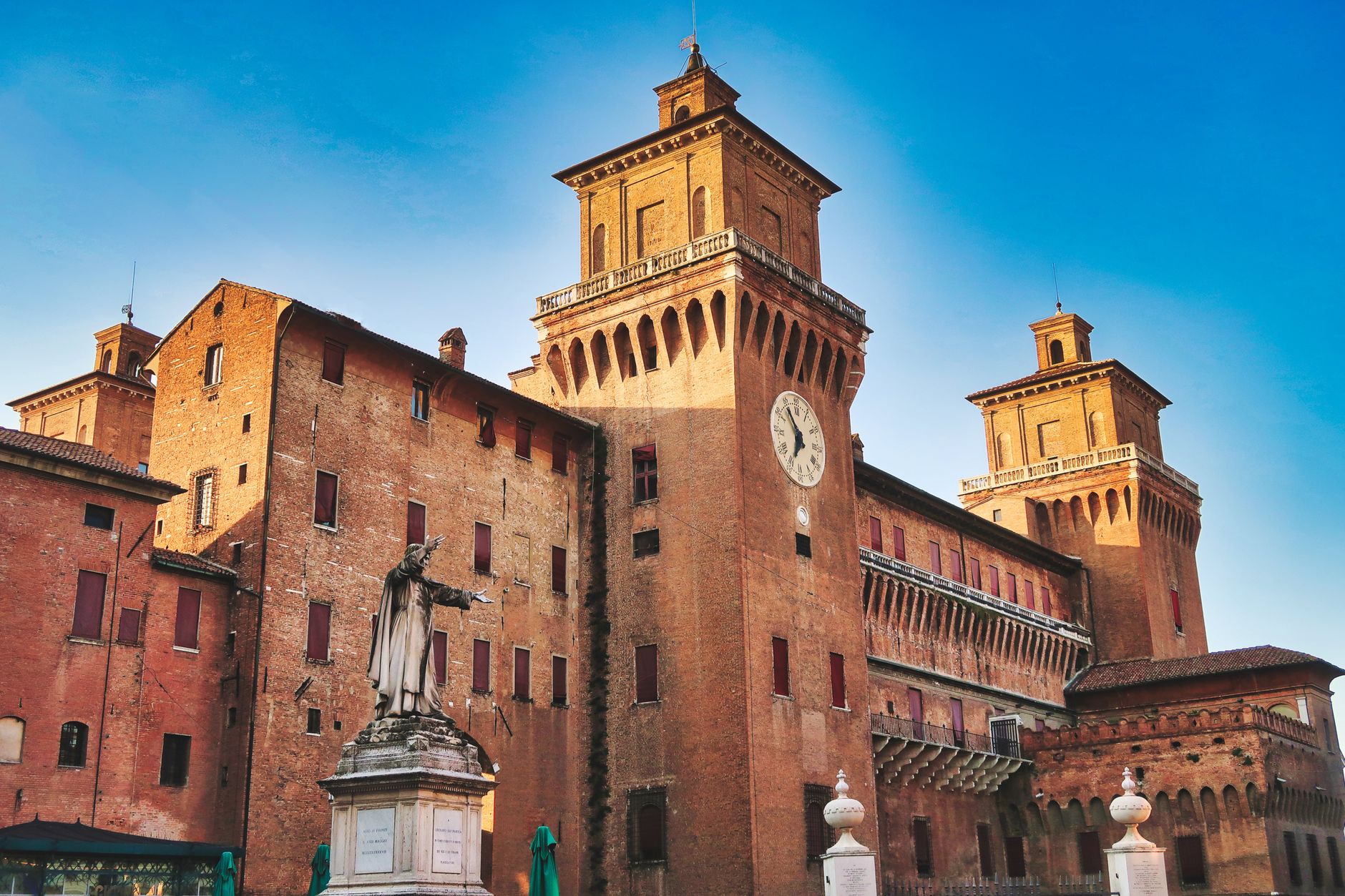

Ferrara sits thirty minutes north of Bologna by regional train, ringed by intact red-brick ramparts and laid out around the moated Castello Estense. It is known across Italy as the city of bicycles and for its Renaissance Este court planning. Ferrara is worth visiting if you want to cycle quiet Renaissance streets and eat cappellacci di zucca without dodging tour buses. Look elsewhere if you want late-night clubbing, dramatic hills, or fast coastal beach access.
Last updated 21 Oct 2026
Build a Ferrara itinerary.
Choose up to 4 threads that pull you in. Your plan arrives organised around them.
The Bed
Where to stay in Ferrara
Which part of town to book, and what each one costs you in walking, noise or quiet.
The Comparison
Ferrara, or somewhere near it
The places you are realistically choosing between, and the honest case for each.
The Local Record
Where to read more about Ferrara
The blogs, boards, guides and operators worth bookmarking.
What to do in Ferrara Emilia-Romagna Italy
Ferrara splits neatly into two halves: the tangled medieval lanes south of the Castello Estense and the wide Renaissance grid planned by Biagio Rossetti to the north. Daily life moves on two wheels over cobblestones, centering on quiet morning coffees in Piazza Trento e Trieste and long tavern lunches. It suits travellers who prefer flat walking, historic art collections, and calm evenings over crowded tourist hubs.
24 hours in Ferrara Emilia-Romagna Italy
Start early crossing the moat of Castello Estense before walking down Corso Ercole I d'Este to Palazzo dei Diamanti. Lunch on cappellacci di zucca at a trattoria off Via delle Volte. In the late afternoon, rent a bicycle to circle the red-brick city walls before an evening glass of Fortana wine in Piazza Municipale. Select 1 Day above to see it.
2 days in Ferrara Emilia-Romagna Italy
Devote your second morning to Palazzo Schifanoia to see the fifteenth-century Month frescoes, then wander the quiet alleys of the historic Jewish Ghetto along Via Mazzini. For dinner, sit down for salama da sugo with mashed potatoes, followed by a slice of chocolate-and-almond pampepato from a local bakery. Choose 2 Days to expand the plan.
3 days in Ferrara Emilia-Romagna Italy
A third day allows an easy regional trip east to Comacchio, the small lagoon town of brick bridges and canals, followed by a boat ride into the Po Delta regional park to spot wild bird colonies and taste grilled marinated eel at a waterfront osteria.
Ferrara Emilia-Romagna Italy itineraries by interest
Pasta & Dumplings in Ferrara Emilia-Romagna Italy
Order cappellacci di zucca folded with roasted butternut squash, nutmeg, and Parmigiano-Reggiano, dressed in sage butter or rich meat ragù.
Urban Cycling in Ferrara Emilia-Romagna Italy
Rent a city bike by the station to ride the flat nine-kilometre loop atop the Renaissance brick ramparts along Corso Ercole I d'Este.
Renaissance Architecture in Ferrara Emilia-Romagna Italy
Inspect Biagio Rossetti's 1492 Addizione Erculea, the Palazzo dei Diamanti diamond-point facade, and the massive moated Castello Estense.
Palace Frescoes in Ferrara Emilia-Romagna Italy
Walk Palazzo Schifanoia's Salone dei Mesi to decode fifteenth-century astrological and courtly frescoes by Cosmè Tura and Francesco del Cossa.
Jewish Heritage in Ferrara Emilia-Romagna Italy
Explore Via delle Volte and Via Mazzini, the historic ghetto gates, the Jewish Cemetery, and the setting of Giorgio Bassani's famous novel.
Regional Bread in Ferrara Emilia-Romagna Italy
Break open coppie ferraresi, the twisted sourdough bread rolls with crunchy horns baked daily across town since the early sixteenth century.
Charcuterie & Meats in Ferrara Emilia-Romagna Italy
Slice into salama da sugo, a spiced pork sausage cured in red wine and boiled for hours, traditionally set over creamy potato purée.
Local Wine in Ferrara Emilia-Romagna Italy
Sip Bosco Eliceo Fortana, an acidic, lightly sparkling red grown in sandy Adriatic coastal soils that cuts through rich pork and game dishes.
Sacred Architecture in Ferrara Emilia-Romagna Italy
Admire the triple-peaked Romanesque facade of the Cathedral of San Giorgio on Piazza Trento e Trieste, built in the early twelfth century.
Pastry & Sweets in Ferrara Emilia-Romagna Italy
Pick up pampepato, a dense spiced chocolate cake packed with almonds, candied fruit, and pepper, baked in local convents since the Renaissance.
Medieval Streets in Ferrara Emilia-Romagna Italy
Wander cobblestoned Via delle Volte beneath brick overhead arches that once linked merchant homes to medieval trading docks on the Po.
Delta Ecology in Ferrara Emilia-Romagna Italy
Venture east toward Comacchio and the Po Delta wetlands to see pink flamingos, shallow lagoons, and traditional eel-fishing stations.