Grenoble.


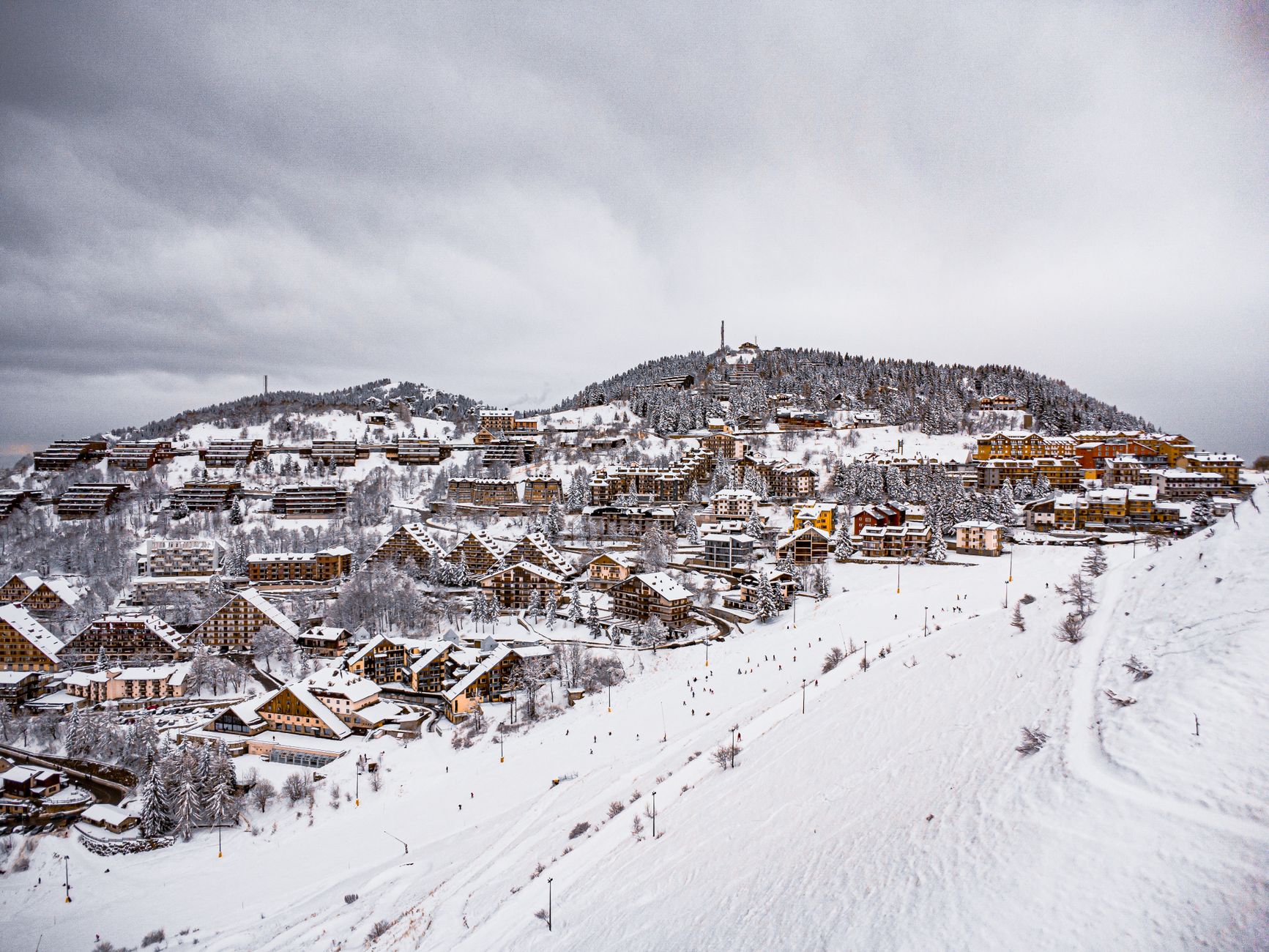

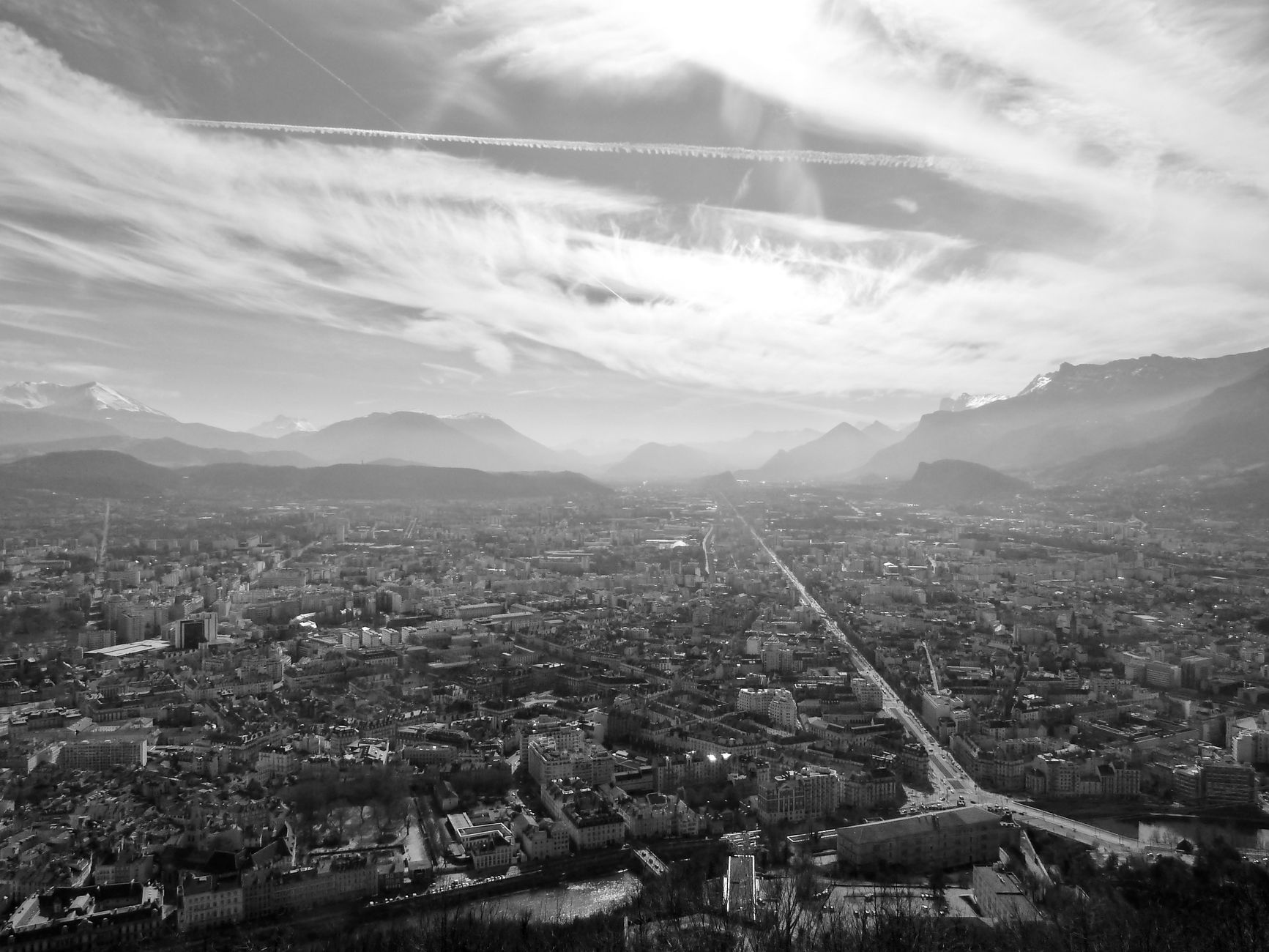
Grenoble sits eighty miles southeast of Lyon, reached in seventy-five minutes by direct regional train. Framed by three Alpine massifs, the flat valley city is known for its 1934 urban cable car, a major modern art museum, and the cream-and-nutmeg cooking of the Dauphiné. Grenoble is worth visiting if you want rapid mountain trail access paired with twentieth-century painting and earthenware dishes of gratin. Look elsewhere if you want half-timbered storybook villages or balmy winter sunshine.
Last updated 25 Sept 2026
Build a Grenoble itinerary.
Choose up to 4 threads that pull you in. Your plan arrives organised around them.
The Bed
Where to stay in Grenoble
Which part of town to book, and what each one costs you in walking, noise or quiet.
The Comparison
Grenoble, or somewhere near it
The places you are realistically choosing between, and the honest case for each.
The Local Record
Where to read more about Grenoble
The blogs, boards, guides and operators worth bookmarking.
What to do in Grenoble Rhône-Alpes France
Grenoble sits in a remarkably flat river basin hemmed in tightly by vertical rock walls. Daily life moves between the riverside cobblestones of the Saint-Laurent quarter, student-filled terraces on Place Saint-André, and the alpine ridges accessible in minutes. It suits independent walkers, cyclists, and art lovers who value unpretentious regional cooking over manicured resort sheen.
24 hours in Grenoble Rhône-Alpes France
Start early at Place aux Herbes market, then take the bubble cable car up to the Bastille for morning mountain views. Walk down the switchbacks to Saint-Laurent for a lunch of gratin dauphinois and ravioles du Royans. Spend your afternoon among modern masters at Musée de Grenoble before an evening aperitif on Place Notre-Dame. Select 1 Day above to see it.
2 days in Grenoble Rhône-Alpes France
Day two explores the Merovingian crypt at Saint-Laurent Archaeology Museum and the quiet 18th-century rooms of Musée Stendhal. Rent a Métrovélo bike to trace the Isère embankment path, then cross to the Championnet district for a dinner of local trout, Chartreuse sorbet, and Saint-Marcellin cheese. Choose 2 Days to expand the plan.
3 days in Grenoble Rhône-Alpes France
A third day opens up the surrounding massifs. Take a local bus up to Saint-Pierre-de-Chartreuse to hike through beech forests below towering limestone crags, or venture south into the Vercors plateau to visit cliffside villages and sample walnut oil straight from regional presses.
Grenoble Rhône-Alpes France itineraries by interest
Alpine Cooking in Grenoble Rhône-Alpes France
Tuck into gratin dauphinois baked with garlic and cream, Saint-Marcellin cheese, murçon sausage, and Grenoble walnut tarts in old Saint-Laurent bistros.
Modern Art in Grenoble Rhône-Alpes France
Inspect cubist canvases, Matisse portraits, and postwar sculptures at the Musée de Grenoble, housed along the Isère River with minimal crowds.
Mountain Cableways in Grenoble Rhône-Alpes France
Ride the 1934 spherical Téléphérique bubbles from the quayside up to the Bastille fortress for wide vistas across the Belledonne range.
Regional Liqueurs in Grenoble Rhône-Alpes France
Sample green and yellow Chartreuse herbal elixirs distilled with 130 botanicals by Carthusian monks in the nearby Chartreuse mountains.
Local Markets in Grenoble Rhône-Alpes France
Browse Place Sainte-Claire covered hall and Place aux Herbes stalls for Noix de Grenoble walnuts, mountain honey, and local tomme de Savoie.
Historic Fortifications in Grenoble Rhône-Alpes France
Walk the vaulted casemates, military terraces, and Vauban-engineered defensive walls cut directly into Mount Rachais at the Fort de la Bastille.
City Cycling in Grenoble Rhône-Alpes France
Navigate flat riverfront paths along the Isère and Drac rivers on yellow Métrovélo rental bikes via broad dedicated cycle lanes across town.
Literary Heritage in Grenoble Rhône-Alpes France
Trace the youth of writer Stendhal through the 18th-century rooms of his grandfather's apartment at the Musée Stendhal near Jardin de Ville.
Archaeology in Grenoble Rhône-Alpes France
Descend beneath the Church of Saint-Laurent to see Merovingian crypts, 4th-century stone sarcophagi, and excavated layers of ancient Gratianopolis.
Day Hikes in Grenoble Rhône-Alpes France
Climb marked trails into the Chartreuse and Vercors massifs, ascending the Moucherotte limestone ridges directly from local bus links.
Square Life in Grenoble Rhône-Alpes France
Sit with an espresso at Café de la Table Ronde on Place Saint-André, serving continuously since 1739 beneath the old Dauphiné parliament.
Mountain Day Trips in Grenoble Rhône-Alpes France
Ride regional buses south to the limestone plateaus of the Vercors or east to Chamrousse for subalpine hiking and village cheese farms.