Macau.


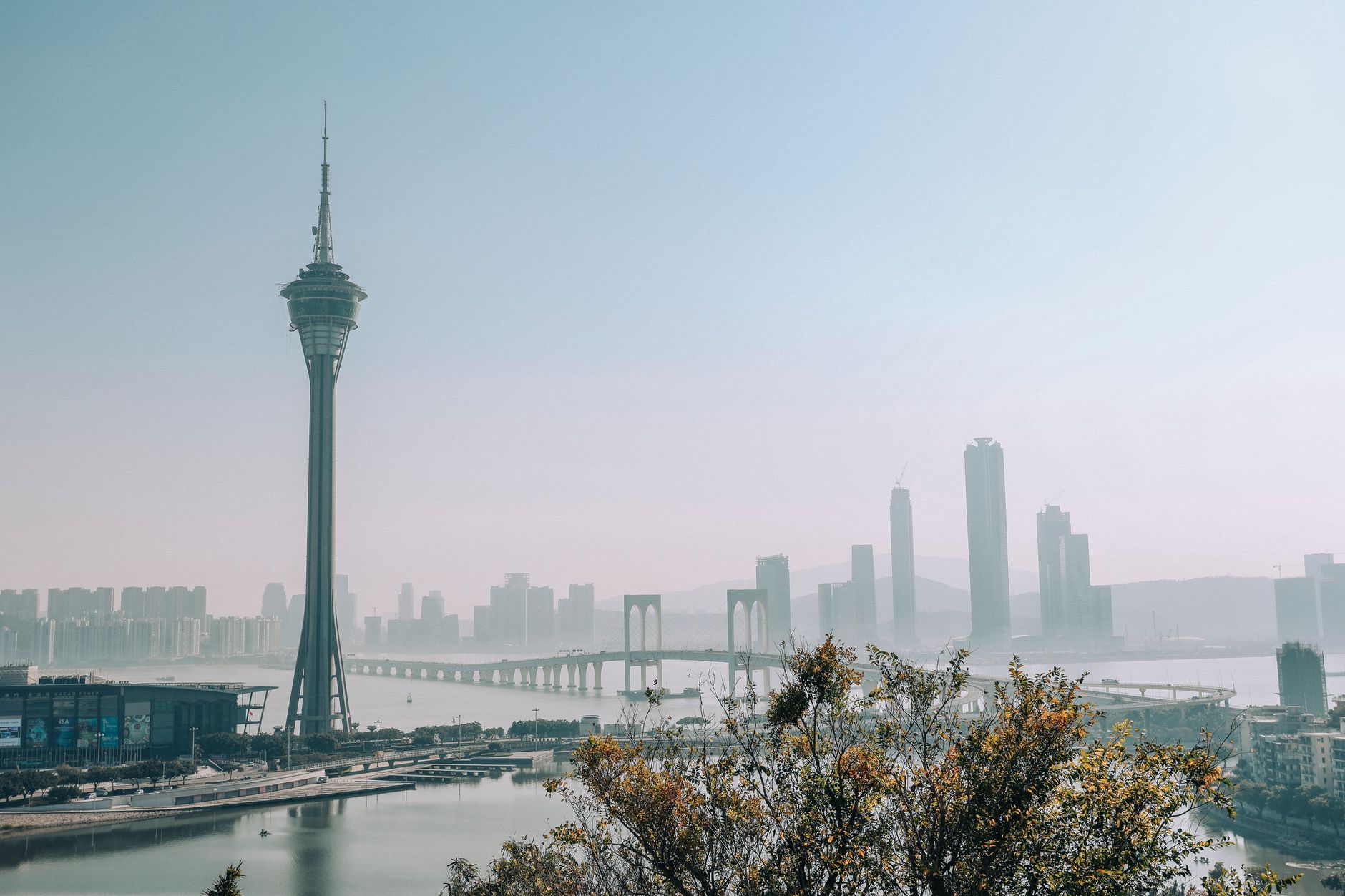
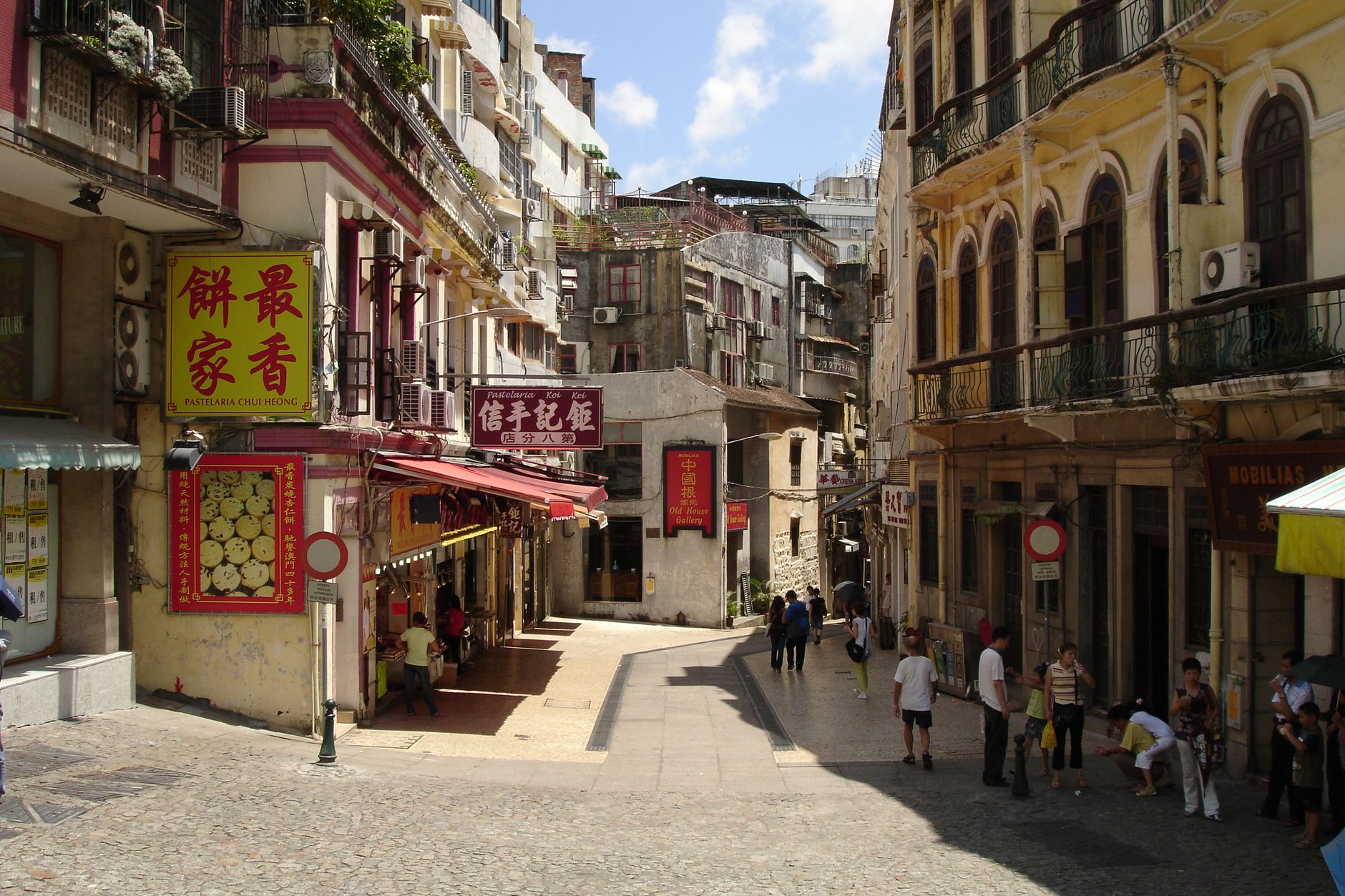


Macau sits sixty minutes west of Hong Kong by ferry across the Pearl River estuary or forty minutes via the sea bridge. It is best known for four centuries of Portuguese-Cantonese cohabitation, resulting in East Asia's first fusion cuisine and a dense historic core of baroque churches and tile-paved squares. Macau is worth visiting if you want to eat minchi and African chicken at neighbourhood tascas and trace early maritime trading routes on foot. Look elsewhere if you want expansive wilderness, broad swimming beaches, or an escape from dense crowds and mega-casino resorts.
Last updated 9 Sept 2026
Build a Macau itinerary.
Choose up to 4 threads that pull you in. Your plan arrives organised around them.
The Bed
Where to stay in Macau
Which part of town to book, and what each one costs you in walking, noise or quiet.
The Comparison
Macau, or somewhere near it
The places you are realistically choosing between, and the honest case for each.
The Local Record
Where to read more about Macau
The blogs, boards, guides and operators worth bookmarking.
What to do in Macau Pearl River Delta China
Macau balances between compact Iberian stone plazas and dense southern Chinese neighbourhoods. Mornings belong to tea houses and market stalls; afternoons wind through pastel-painted alleys and shaded hillside fortresses; evenings revolve around Macanese braises and cold Portuguese lager. It suits travellers who appreciate layered maritime history and cross-cultural cooking on a walkable, manageable scale.
24 hours in Macau Pearl River Delta China
Start early at the Ruins of St. Paul's before crowds gather, then walk downhill to Senado Square. Lunch on baked duck rice and caldo verde near Rua da Felicidade. Spend the afternoon in the quiet alleys of St. Lazarus Quarter, then take a short bus to Taipa Village for grilled chouriço and minchi at an old-school tavern. Select 1 Day above to see it.
2 days in Macau Pearl River Delta China
A second day lets you cross south to Coloane. Grab warm egg tarts at Lord Stow's, stroll past the stilt houses along the waterfront, and hike the quiet trail behind Hac Sa Beach. In the evening, return to the peninsula for claypot rice and seafood stir-fries at an open-air dai pai dong near the Inner Harbour. Choose 2 Days to expand the plan.
3 days in Macau Pearl River Delta China
With three days, slow down. Spend a morning at the Red Market and Long Wa Tea House, exploring local Cantonese life on Avenida Almirante Lacerda. Tour the Mandarin's House and Barra's A-Ma Temple at leisure, then book an unhurried dinner of African chicken and Douro wine in a converted courtyard house.
Macau Pearl River Delta China itineraries by interest
Fusion Cooking in Macau Pearl River Delta China
Eat Macanese classics like minchi pork hash, galinha a africana with coconut and chilli, and capela meatloaf in century-old neighbourhood dining rooms.
Street Food in Macau Pearl River Delta China
Track down flaky warm pastel de nata at Lord Stow's, pork chop buns at Tai Lei Loi Kei, and fresh almond cookies pressed hot along Rua do Cunha.
Colonial Architecture in Macau Pearl River Delta China
Wander past the 17th-century facade of St. Paul's, the pastel walls of St. Lazarus parish, and the black-and-white stone mosaics in Largo do Senado.
Sacred Sites in Macau Pearl River Delta China
Visit A-Ma Temple, founded in 1488 with stone incense coils, then walk to the 16th-century Church of St. Lawrence and St. Joseph's Seminary.
Maritime History in Macau Pearl River Delta China
Tour the Maritime Museum in Barra, Guia Fortress from 1622, and the 19th-century coastal fortifications overlooking the Pearl River Delta.
Village Life in Macau Pearl River Delta China
Walk the narrow lanes of Coloane Village, passing stilt houses, dried seafood merchants, and the yellow chapel of St. Francis Xavier.
Portuguese Wine in Macau Pearl River Delta China
Drink crisp Vinho Verde and bold Douro reds paired with bacalhau a braz and roast suckling pig across traditional taverns in Taipa and São Lourenço.
Cantonese Dim Sum in Macau Pearl River Delta China
Order steamed har gow, char siu bao, and century egg congee at long-running morning tea houses like Long Wa Tea House near the Red Market.
Coastal Walks in Macau Pearl River Delta China
Follow the coastal trail around Hac Sa Beach and the Coloane coastline, looking out across the shipping lanes of the South China Sea.
Traditional Markets in Macau Pearl River Delta China
Browse live seafood, seasonal greens, and cured salted fish in the red-brick Art Deco Mercado Vermelho on Avenida Almirante Lacerda.
Urban Parks in Macau Pearl River Delta China
Ride the Guia cable car up to Flora Garden, then climb past shaded banyan trees to the 17th-century lighthouse and military tunnels.
Cantonese Heritage in Macau Pearl River Delta China
Explore the 1889 Mandarin's House, the courtyard mansions of Lou Kau, and quiet shrines tucked between banyan trees and residential walk-ups.