Mae Hong Son.


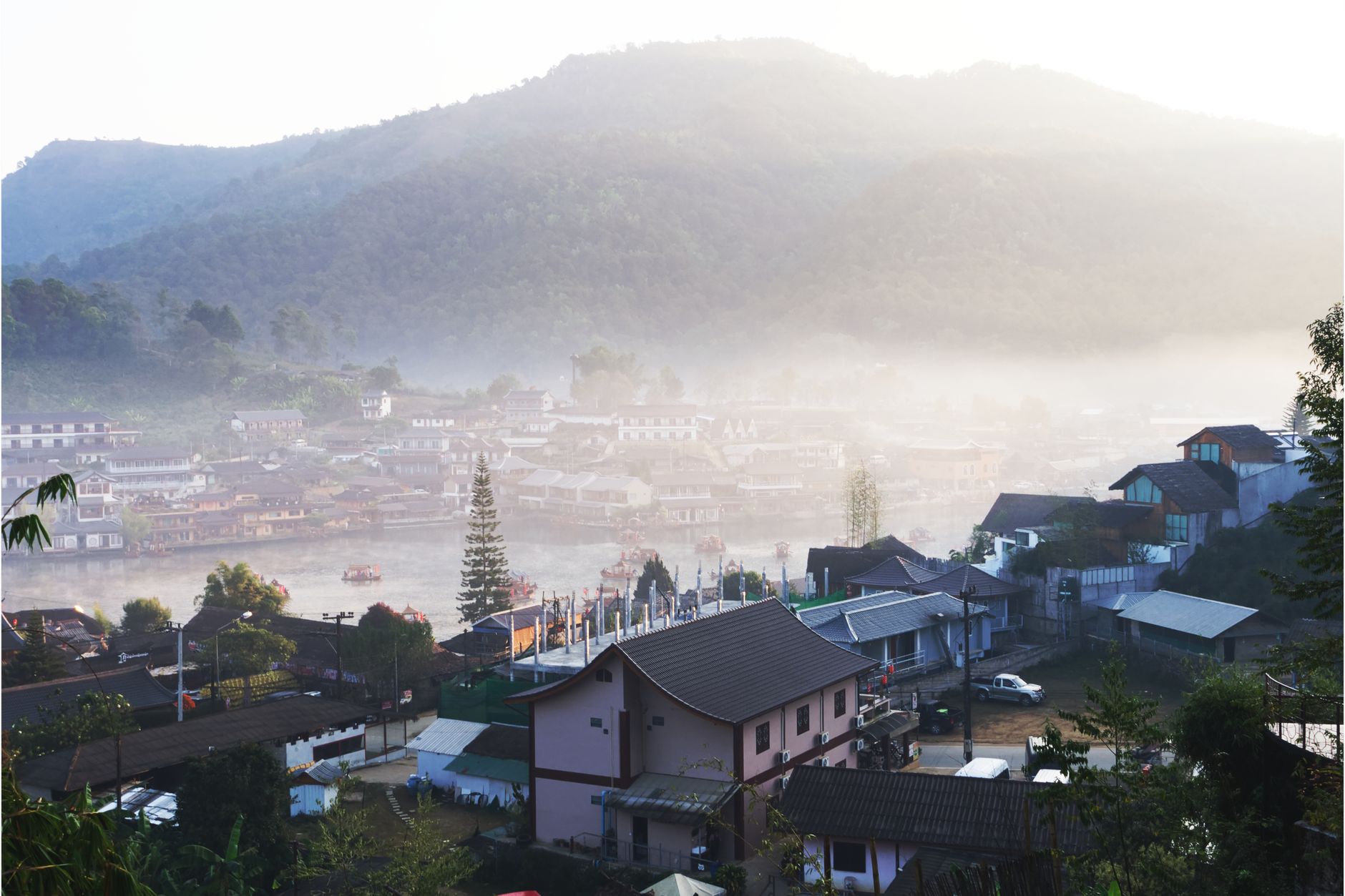

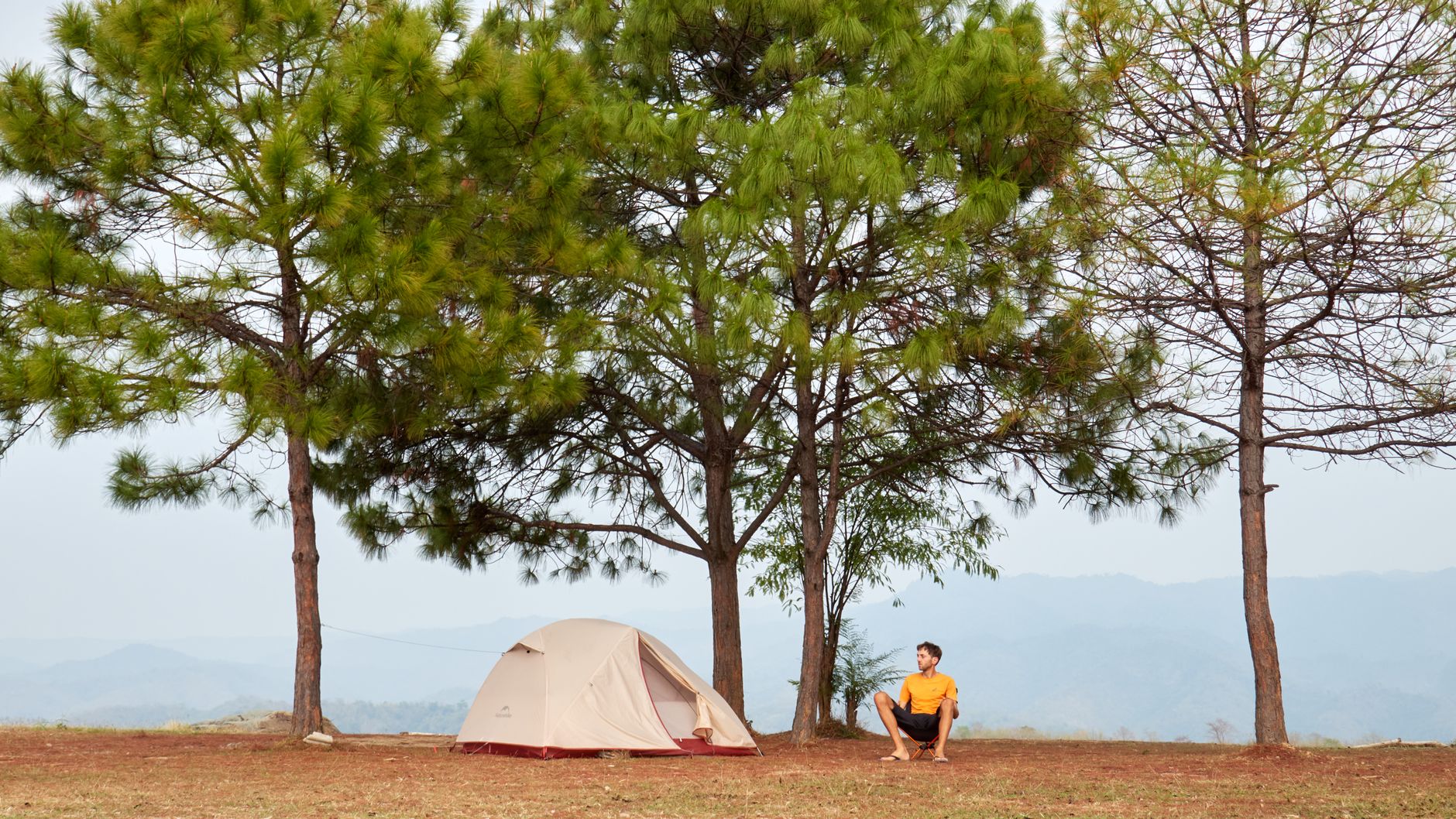

Mae Hong Son sits roughly 235 kilometres northwest of Chiang Mai, reached via a six-hour drive over 1,864 mountain bends along Route 108 or a short propeller hop. The valley is known for its distinct Tai Yai culture, Burmese-influenced teak temples, and morning valley mist. Mae Hong Son is worth visiting if you want slow northern mountain roads, wooden Shan monasteries, and regional noodle soups. Look elsewhere if you want polished resort strips, lively late-night clubs, or quick rail connections.
Last updated 2 Nov 2026
Build a Mae Hong Son itinerary.
Choose up to 4 threads that pull you in. Your plan arrives organised around them.
The Bed
Where to stay in Mae Hong Son
Which part of town to book, and what each one costs you in walking, noise or quiet.
The Comparison
Mae Hong Son, or somewhere near it
The places you are realistically choosing between, and the honest case for each.
The Local Record
Where to read more about Mae Hong Son
The blogs, boards, guides and operators worth bookmarking.
What to do in Mae Hong Son Mae Hong Son Thailand
Life in Mae Hong Son gathers around Nong Chong Kham lake, where the wooden spires of adjacent monasteries reflect across still water. Mornings begin early with alms rounds and steam rising over market stalls, while afternoons belong to winding mountain roads and hilltop viewpoints. The town suits travellers who value unhurried temple visits, Shan cuisine, and cool mountain air over frantic sightseeing.
24 hours in Mae Hong Son Mae Hong Son Thailand
Start before dawn at Sai Yud Market for steaming bowls of khao sen, then climb the stairs to Wat Phra That Doi Kong Mu for valley views. Spend the afternoon around Wat Chong Kham, ending with grilled skewers beside the illuminated lake at dusk. Local tuk-tuks handle every cross-town trip in under ten minutes. Select 1 Day above to see it.
2 days in Mae Hong Son Mae Hong Son Thailand
A second day lets you rent a scooter or hire a driver for the forty-kilometre climb to Ban Rak Thai on the Myanmar border. Sip oolong tea over Yunnanese pork stew beside the reservoir, then stop at the wooden Su Tong Pae bamboo bridge on your way back into town for sunset over the rice paddies. Choose 2 Days to expand the plan.
3 days in Mae Hong Son Mae Hong Son Thailand
Three days unlock a morning excursion north to Tham Lod to float through cavernous limestone chambers on bamboo rafts. Follow it with a slow afternoon soaking at Pha Bong Hot Springs or a riverboat ride along the Pai River, leaving time for an extra unhurried meal of Shan yellow tofu salad.
Mae Hong Son Mae Hong Son Thailand itineraries by interest
Sacred Architecture in Mae Hong Son Mae Hong Son Thailand
Explore Burmese-style multi-tiered pyatthat roofs at Wat Chong Kham and the hilltop stupas of Wat Phra That Doi Kong Mu overlooking the valley.
Regional Cooking in Mae Hong Son Mae Hong Son Thailand
Taste Tai Yai specialities like khao sen fermented rice noodles in tomato broth, turmeric-stained yellow tofu, and fragrant pork curries.
Morning Markets in Mae Hong Son Mae Hong Son Thailand
Walk the Sai Yud morning market by 6:00 to watch vendors steam sticky rice in banana leaves, fry crispy tofu, and ladle hot soybean soup.
Tea Culture in Mae Hong Son Mae Hong Son Thailand
Head north to Ban Rak Thai, a lakeside Yunnanese village, to brew loose-leaf oolong tea alongside clay houses and tiered mountain terraces.
Mountain Trails in Mae Hong Son Mae Hong Son Thailand
Trek the forest footpaths of Namtok Mae Surin National Park past limestone ridges, seasonal waterfalls, and high bamboo groves.
Cave Exploration in Mae Hong Son Mae Hong Son Thailand
Hire a local guide with a gas lantern to drift on bamboo rafts through the subterranean river chambers of Tham Lod cave.
Hot Springs in Mae Hong Son Mae Hong Son Thailand
Soak in the mineral-rich waters of Pha Bong Hot Springs, an unhurried municipal park ten kilometres south of town with private bathing tubs.
Scenic Drives in Mae Hong Son Mae Hong Son Thailand
Navigate the winding mountain asphalt of Route 1095, threading through dense teak forests, limestone karst valleys, and panoramic passes.
Craft Traditions in Mae Hong Son Mae Hong Son Thailand
Watch Shan weavers produce hand-loomed textiles, woven bamboo hats, and delicate filigree silver jewellery in quiet residential workshops.
Street Food in Mae Hong Son Mae Hong Son Thailand
Graze the evening stalls circling Nong Chong Kham lake for skewers of grilled sour pork sausage, fried banana fritters, and sweet roti.
Borderland History in Mae Hong Son Mae Hong Son Thailand
Study the Kuomintang heritage at the Ban Rak Thai border settlement and the Tai Yai cultural exhibits inside the Living Museum on Singhanat Road.
River Journeys in Mae Hong Son Mae Hong Son Thailand
Take a long-tail boat trip along the Pai River toward remote border communities, cutting through steep jungle gorges and shallow rapids.