Mae Hong Son.


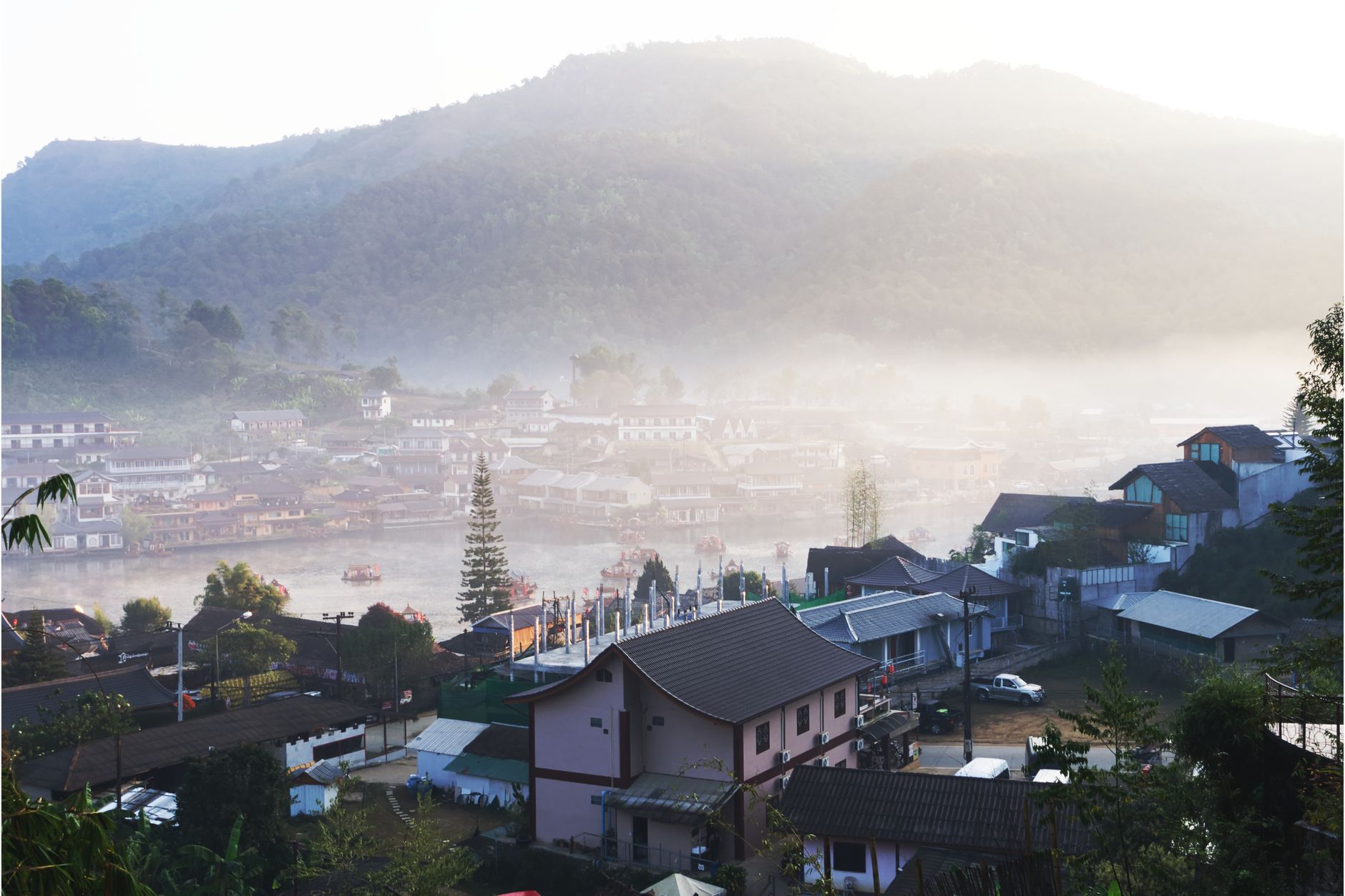

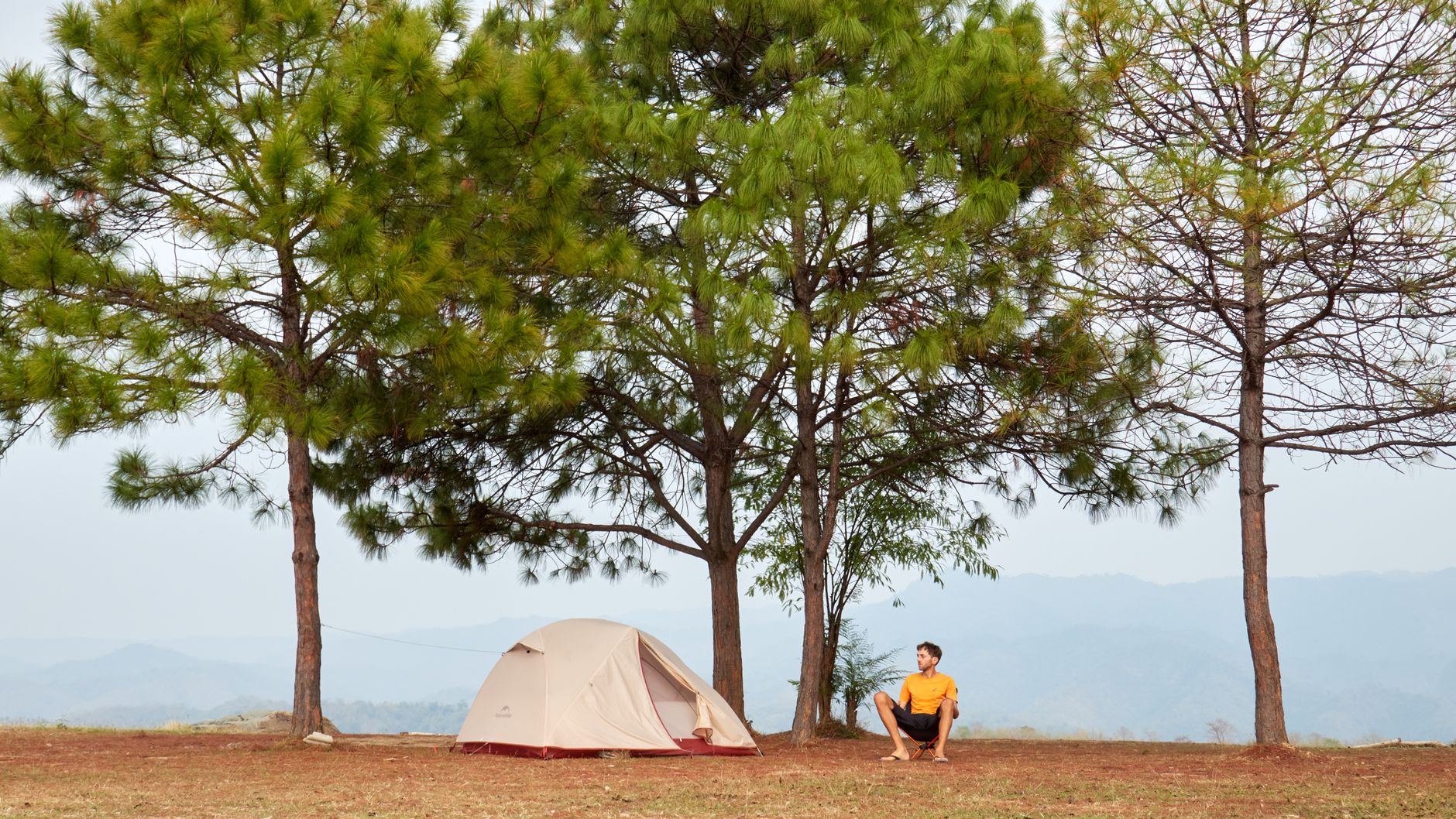

Set six hours west of Chiang Mai along the hairpin bends of Route 1095, Mae Hong Son sits in a deep valley near the Myanmar border. The town is known for its carved wooden Tai Yai monasteries and a distinctly slower mountain pace that rewards lingering over morning markets. Mae Hong Son is worth visiting if you want to explore wooden Shan temples and eat Burmese-influenced noodle soups far beyond the tour bus circuit. Look elsewhere if you want lively nightlife, luxury resort amenities, or an easy trip that avoids hundreds of mountain hairpin turns.
Last updated 12 Sept 2026
Build a Mae Hong Son itinerary.
Choose up to 4 threads that pull you in. Your plan arrives organised around them.
The Bed
Where to stay in Mae Hong Son
Which part of town to book, and what each one costs you in walking, noise or quiet.
The Comparison
Mae Hong Son, or somewhere near it
The places you are realistically choosing between, and the honest case for each.
The Local Record
Where to read more about Mae Hong Son
The blogs, boards, guides and operators worth bookmarking.
What to do in Mae Hong Son Mae Hong Son Thailand
Mae Hong Son wraps around Nong Jong Kham lake, where the day begins early with barefoot monks collecting alms and market vendors pounding chilli pastes. It is a sleepy, mountain-ringed provincial capital defined by Shan heritage rather than nightlife, well suited to travellers who prefer quiet walking over curated itineraries and do not mind the winding roads required to get here.
24 hours in Mae Hong Son Mae Hong Son Thailand
Start early at Sai Yud Market with a bowl of warm Shan tofu soup, then climb the stairs to Wat Phra That Doi Kong Mu for valley views. Spend the afternoon around Wat Chong Kham and Wat Chong Klang, finishing with a plate of crispy pork gaeng hang lay beside the quiet night stalls. Select 1 Day above to see it.
2 days in Mae Hong Son Mae Hong Son Thailand
Hire a scooter or driver for the forty-kilometre ascent to Ban Rak Thai. Drink oolong tea in mud-and-straw pavilions beside the reservoir, eat Yunnanese braised pork knuckle with steamed buns, and stop at the cascading tiers of Pha Sua Waterfall on the drive down. Choose 2 Days to expand the plan.
3 days in Mae Hong Son Mae Hong Son Thailand
Devote day three to Tham Lod, an hour north, drifting through cavernous limestone arches on a lantern-lit bamboo raft. Afterwards, soak your calves in the mineral pools at Pha Bong or wander the bamboo footbridge across the rice fields at Su Tong Pae without checking the clock.
Mae Hong Son Mae Hong Son Thailand itineraries by interest
Sacred Architecture in Mae Hong Son Mae Hong Son Thailand
Lakeside Wat Chong Kham and hilltop Wat Phra That Doi Kong Mu showcase multi-tiered pyatthat roofs and Burmese-style gilded fretwork.
Morning Markets in Mae Hong Son Mae Hong Son Thailand
At Sai Yud Market, vendors fry deep golden tofu cubes from yellow split peas and sell steaming bowls of khao sen rice noodles before dawn.
Regional Cuisine in Mae Hong Son Mae Hong Son Thailand
Taste Tai Yai specialities like khao lam rounded with coconut milk, gaeng hang lay pork belly curry, and smashed Shan tomato salads with peanuts.
Scenic Drives in Mae Hong Son Mae Hong Son Thailand
The mountain route to the Chinese tea settlement of Ban Rak Thai skirts pine forests and terraced hillside tea plantations along the border.
Cave Exploration in Mae Hong Son Mae Hong Son Thailand
Tham Lod cave is explored by bamboo raft along the Nam Lang River, passing massive stalactites and ancient wooden teak coffins in dark chambers.
Hill Walking in Mae Hong Son Mae Hong Son Thailand
Trails climb through dense bamboo and limestone ridges around Pha Sua Waterfall and the remote village paths of the Pai River basin.
Hot Springs in Mae Hong Son Mae Hong Son Thailand
Pha Bong Hot Springs offers simple mineral bathhouses fed by natural thermal vents in the forest just twelve kilometres south of the centre.
Craft Traditions in Mae Hong Son Mae Hong Son Thailand
Tai Yai weaving and bamboo basketry continue in village workshops around Pang Mu, using natural indigo dyes and local timber frames.
Lake Walks in Mae Hong Son Mae Hong Son Thailand
Jong Kham Lake provides a flat walking path around mirrored temple reflections, evening lantern stalls, and quiet park benches.
Local Agriculture in Mae Hong Son Mae Hong Son Thailand
High-altitude plantations produce oolong tea, Arabica coffee beans, and crisp persimmons along the high ridges of Mae Aw.
Cultural Festivals in Mae Hong Son Mae Hong Son Thailand
Poi Sang Long in spring sees young Shan boys paraded through town in elaborate gilded costumes and makeup for novice monkhood ordinations.
Border Towns in Mae Hong Son Mae Hong Son Thailand
Ban Rak Thai features mud-brick houses and clay teahouses founded by Kuomintang soldiers beside a reflective mountain reservoir.