Mae Hong Son.


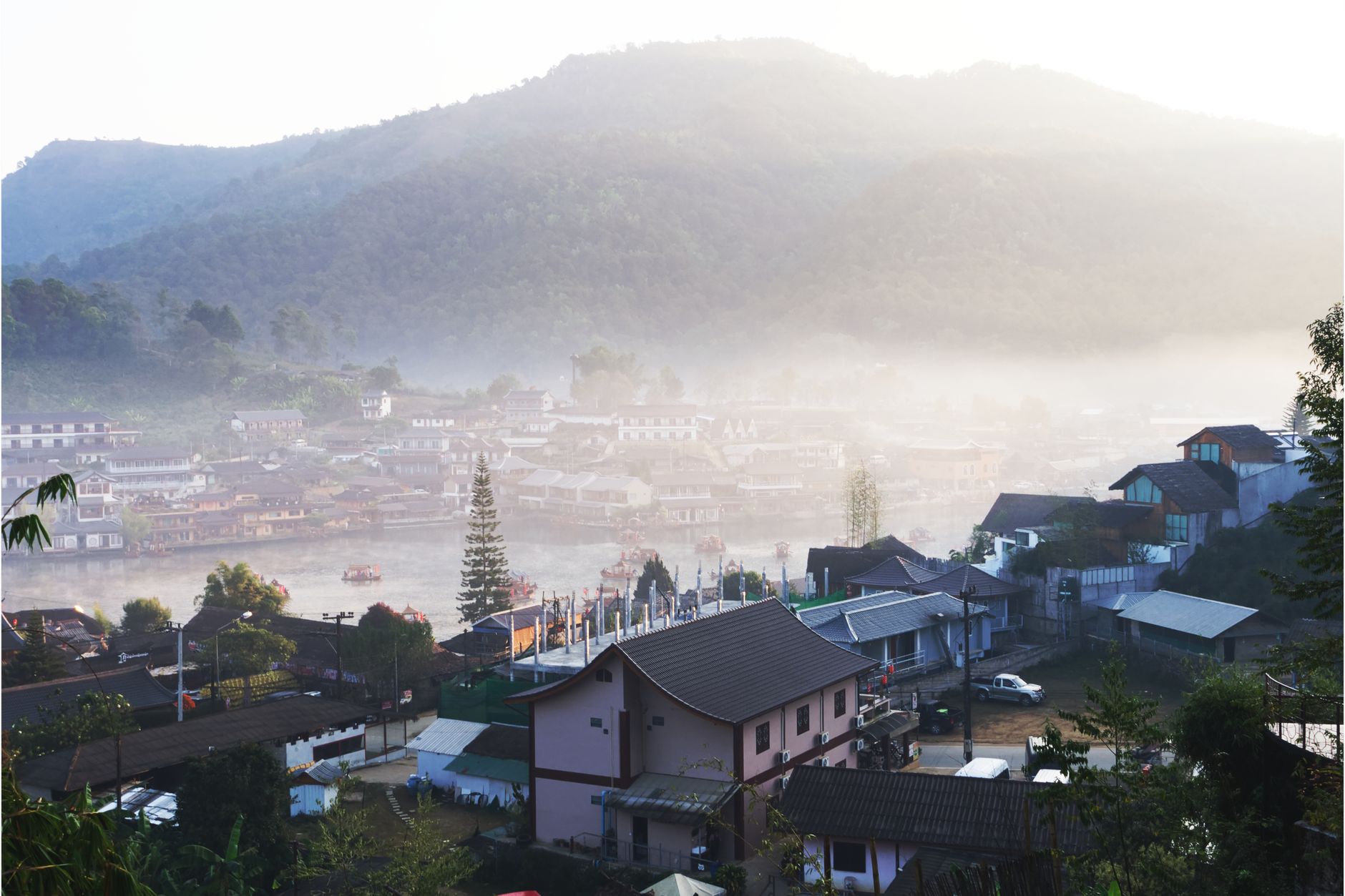

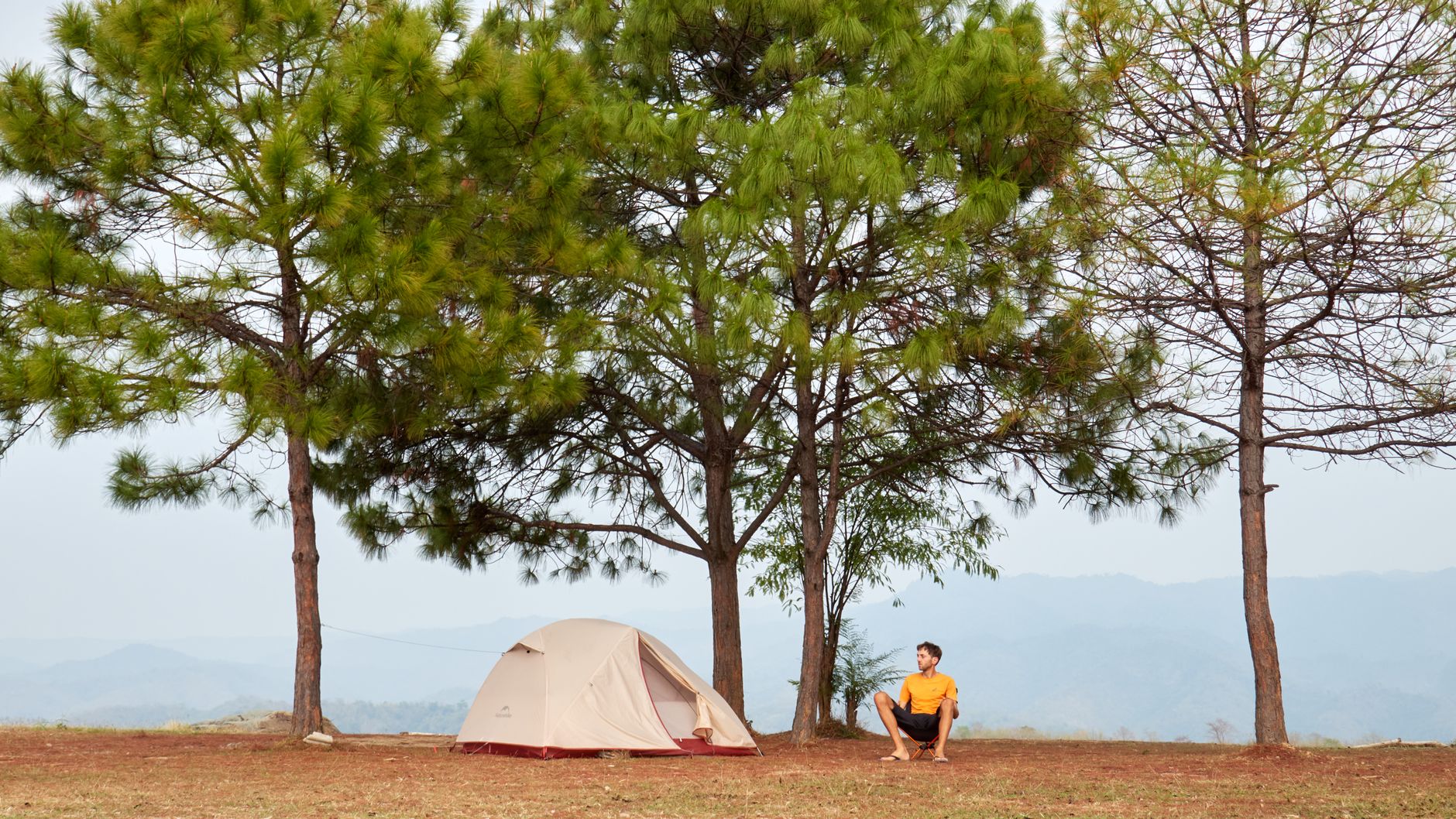

Mae Hong Son sits roughly 280 kilometres west of Chiang Mai, a six-hour drive over 1,864 mountain curves or a short regional hop by turboprop. The remote valley town is known for its Burmese-influenced Tai Yai temples and crisp winter morning fog. Mae Hong Son is worth visiting if you want to eat Shan noodle broths at dawn, explore teak monasteries around Nong Chong Kham, and ride quiet highland passes. Look elsewhere if you want fast transit, late-night dance clubs, or western resort amenities.
Last updated 29 Oct 2026
Build a Mae Hong Son itinerary.
Choose up to 4 threads that pull you in. Your plan arrives organised around them.
The Bed
Where to stay in Mae Hong Son
Which part of town to book, and what each one costs you in walking, noise or quiet.
The Comparison
Mae Hong Son, or somewhere near it
The places you are realistically choosing between, and the honest case for each.
The Local Record
Where to read more about Mae Hong Son
The blogs, boards, guides and operators worth bookmarking.
What to do in Mae Hong Son Mae Hong Son Province Thailand
Life here centres on the small basin around Nong Chong Kham lake and the ridge of Doi Kong Mu looming above it. Days begin with mist rolling off the hills into Sai Yud Market and end with steam rising over street stalls selling Shan yellow tofu and grilled skewers. It is a slow, self-contained town that rewards travellers who prefer early mornings, quiet roads, and regional hill cooking over structured sightseeing schedules.
24 hours in Mae Hong Son Mae Hong Son Province Thailand
Start by 06:30 at Sai Yud Market for steaming khao sen noodles. By mid-morning, walk between the Shan spires of Wat Chong Kham and Wat Chong Klang on the lake. In the afternoon, take a ten-minute songthaew up to Wat Phra That Doi Kong Mu for sunset tea, then walk the lake perimeter for dinner. Select 1 Day above to see it.
2 days in Mae Hong Son Mae Hong Son Province Thailand
Dedicate your second day to heading out into the valley. Walk the Sutongpe bamboo footbridge across the rice fields to Wat Tham Sa Nga, then ride forty kilometres north to Ban Rak Thai. Here, drink roasted oolong tea lakeside and eat Yunnanese braised pork belly with steamed buns for lunch. Choose 2 Days to expand the plan.
3 days in Mae Hong Son Mae Hong Son Province Thailand
A third day allows for a proper day trip north to the massive cavern chambers of Tham Lod, explored by bamboo raft. On the return run along Route 1095, stop at the mineral pools of Pha Bong Hot Springs before an evening bowl of Shan sour pork salad back in town.
Mae Hong Son Mae Hong Son Province Thailand itineraries by interest
Sacred Architecture in Mae Hong Son Mae Hong Son Province Thailand
Explore 19th-century Shan-style teak wats like Wat Chong Kham and Wat Hua Wiang with layered Burmese pyatthat roofs.
Morning Markets in Mae Hong Son Mae Hong Son Province Thailand
Walk Sai Yud Market before 07:00 for warm yellow-tofu fritters, wild mountain greens, and freshly steamed sticky rice in banana leaves.
Regional Soups in Mae Hong Son Mae Hong Son Province Thailand
Taste khao sen, a delicate fermented rice noodle soup spiked with pork blood, sour tomato broth, and crisp fried garlic oil.
Scenic Drives in Mae Hong Son Mae Hong Son Province Thailand
Ride the 600-kilometre Mae Hong Son Loop or wind up to Wat Phra That Doi Kong Mu for sweeping valley viewpoints at dusk.
Highland Tea in Mae Hong Son Mae Hong Son Province Thailand
Head north to Ban Rak Thai for hot cups of oolong grown along lake ridges settled by Kuomintang soldiers in the mid-twentieth century.
Street Food in Mae Hong Son Mae Hong Son Province Thailand
Night stalls around Nong Chong Kham lake serve khao soi noi, a steamed Tai Yai rice batter sheet topped with chilli paste and sesame.
Forest Temples in Mae Hong Son Mae Hong Son Province Thailand
Cross the 500-metre Sutongpe bamboo bridge over paddy fields to reach the quiet forest monastery of Wat Tham Sa Nga.
Cave Exploration in Mae Hong Son Mae Hong Son Province Thailand
Hire local guides with gas lanterns to navigate subterranean limestone chambers and wooden coffin remains at Tham Lod.
Vegetarian Cooking in Mae Hong Son Mae Hong Son Province Thailand
Order Shan yellow tofu made entirely from ground split yellow peas, served deep-fried with tamarind sauce or tossed into cold salads.
Tribal Traditions in Mae Hong Son Mae Hong Son Province Thailand
Learn weaving techniques and local history across surrounding Karen and Hmong agricultural settlements in the Pai river basin.
Hot Springs in Mae Hong Son Mae Hong Son Province Thailand
Soak in the mineral pools at Pha Bong or Nong Haeng springs, popular with local farmers in the cool late afternoons.
Mountain Treks in Mae Hong Son Mae Hong Son Province Thailand
Trek through the pine forests and limestone crags of Namtok Mae Surin National Park toward remote mountain ridge lookouts.