Mae Salong.


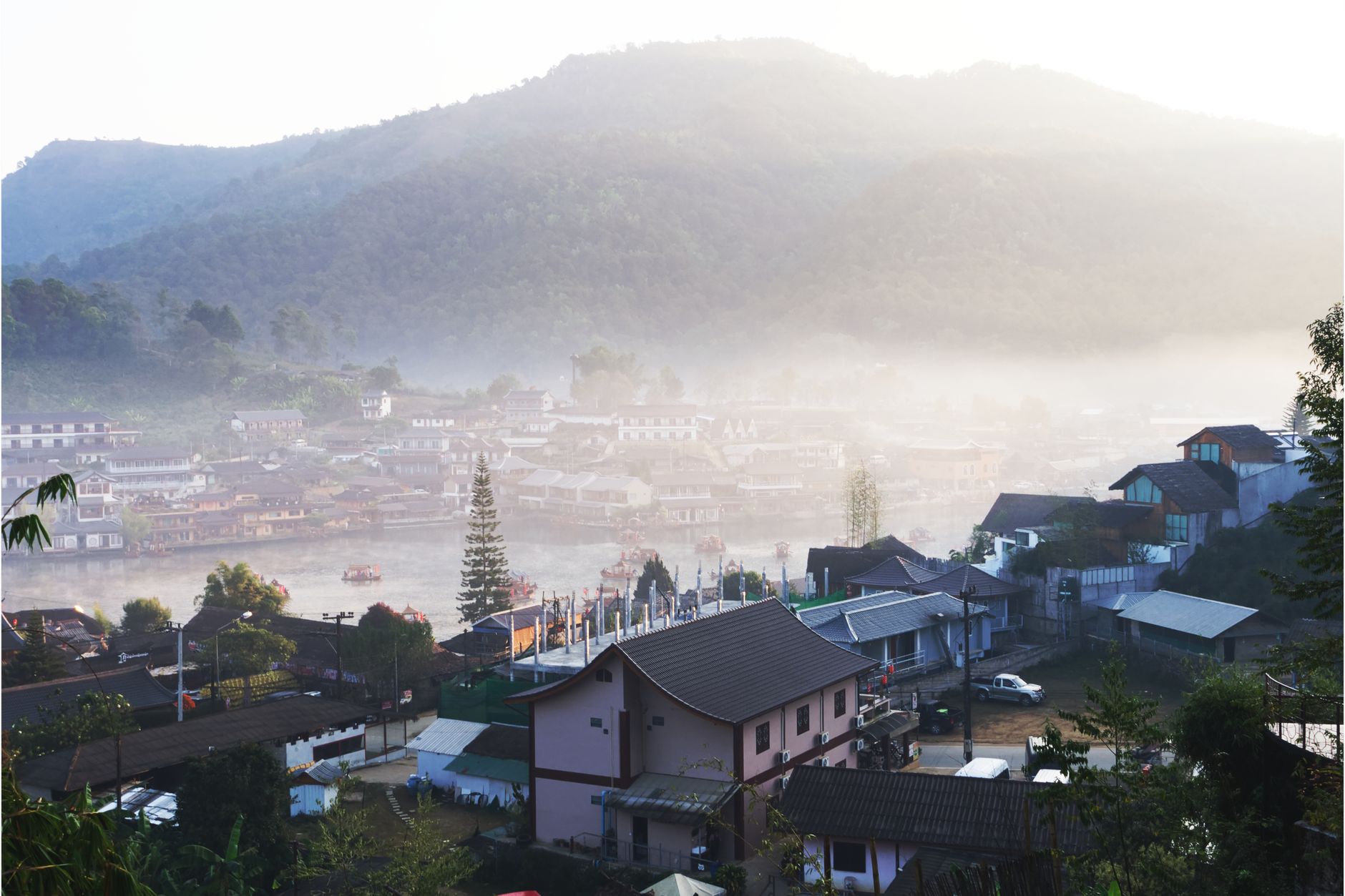


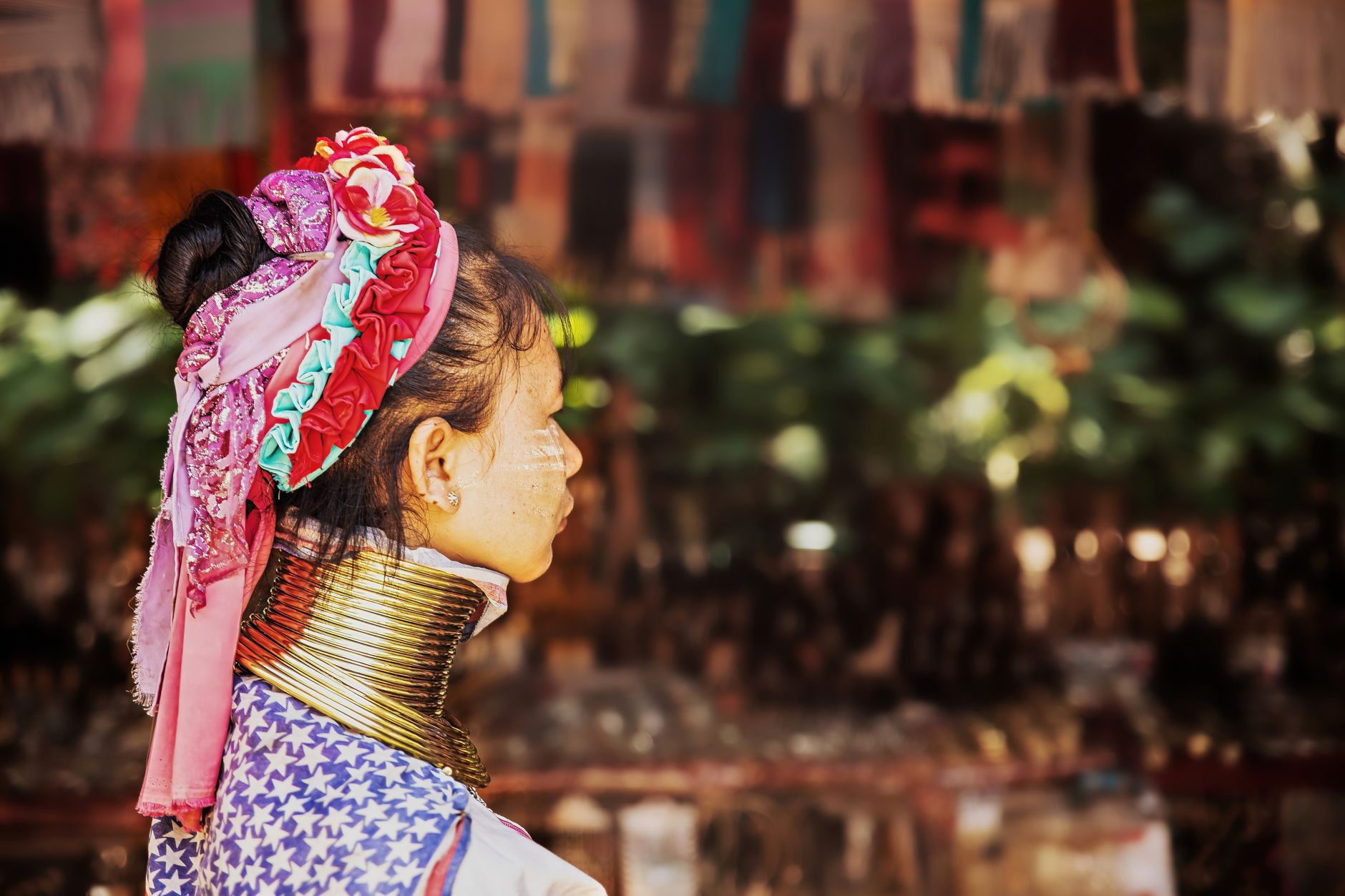
Mae Salong sits eighty kilometres north-west of Chiang Rai, roughly a two-hour drive along winding mountain switchbacks. Founded by the Kuomintang 93rd Division after 1949, this high-altitude ridge town is defined by terraced oolong plantations and Yunnanese cooking. Mae Salong is worth visiting if you want to drink tea at the source and eat rich braised pork leg over noodles in cool mountain air. Look elsewhere if you need polished nightlife, flat walking streets, or reliable indoor sights on rainy days.
Last updated 13 Nov 2026
Build a Mae Salong itinerary.
Choose up to 4 threads that pull you in. Your plan arrives organised around them.
The Bed
Where to stay in Mae Salong
Which part of town to book, and what each one costs you in walking, noise or quiet.
The Comparison
Mae Salong, or somewhere near it
The places you are realistically choosing between, and the honest case for each.
The Local Record
Where to read more about Mae Salong
The blogs, boards, guides and operators worth bookmarking.
What to do in Mae Salong Chiang Rai Thailand
Life in Mae Salong strings along a steep mountain spine. Mornings begin early at the morning market with fresh soy milk, moving onto unhurried tea tastings at open-fronted timber shops along Route 1234. The pace is slow and deliberate, suited to independent travellers who appreciate cool mountain air, Yunnanese food traditions, and quiet walks among terraced tea bushes rather than organised tours or resort amenities.
24 hours in Mae Salong Chiang Rai Thailand
Start at dawn on the 718 steps up to Wat Santikhiri before the mist burns off. For lunch, order braised pork knuckle and steamed mantou at Sweet Mae Salong. Spend the afternoon sampling Oolong No. 12 at 101 Tea Plantation, just a fifteen-minute drive west, then finish with a bowl of Yunnan noodles in town. Select 1 Day above to see it.
2 days in Mae Salong Chiang Rai Thailand
A second day lets you explore the Chinese Martyrs' Memorial Museum and the quieter tea plots around Wang Put Tan. Hike the dirt trails dropping into nearby Akha hamlets, then seek out a rustic dinner of herbal black chicken soup and stir-fried tea leaves with garlic at a family kitchen. Choose 2 Days to expand the plan.
3 days in Mae Salong Chiang Rai Thailand
With three days, take Route 1130 east toward the royal project gardens and arabica coffee farms of Doi Tung, an hour away by scooter or car. Spend your final afternoon lingering over clay-pot tea sets and dried persimmons without checking the clock.
Mae Salong Chiang Rai Thailand itineraries by interest
Tea Culture in Mae Salong Chiang Rai Thailand
Sample high-elevation Jin Xuan Oolong No. 12 and Four Seasons tea at 101 Tea Plantation and Wang Put Tan, brewed in clay gaiwans by the growers.
Regional History in Mae Salong Chiang Rai Thailand
Climb to the General Duan Xiwen Tomb and explore the Chinese Martyrs' Memorial Museum to trace the 1949 retreat of the Kuomintang 93rd Division.
Market Life in Mae Salong Chiang Rai Thailand
Visit the morning market before 07:00 for fried dough sticks, fermented mustard greens, black chicken herbs, and wild ginger sold by Akha vendors.
Noodle Houses in Mae Salong Chiang Rai Thailand
Pull up a stool for Yunnanese hand-pulled mi xian rice noodles in sour broth or wheat noodles topped with minced pork, pickled greens, and ground chili.
Sacred Sights in Mae Salong Chiang Rai Thailand
Walk the 718 steps up Mount Salong to Wat Santikhiri, a Chedi overlooking terraced slopes and the mist-covered border ridges towards Myanmar.
Mountain Walking in Mae Salong Chiang Rai Thailand
Follow narrow concrete footpaths past tea bush terraces and bamboo groves down into Akha and Yao settlements along the steep southern ridges.
Local Agriculture in Mae Salong Chiang Rai Thailand
Watch tea pickers work terraced hillsides and buy dried Chinese mushrooms, persimmons, and medicinal roots directly from roadside farming stalls.
Scenic Drives in Mae Salong Chiang Rai Thailand
Navigate the winding switchbacks of Route 1130 and Route 1234, stopping at roadside timber pavilions for panoramic views across the mist valleys.
Hearty Stews in Mae Salong Chiang Rai Thailand
Order slow-braised Yunnanese pork knuckle simmered with star anise and soy, served with steamed mantou buns and pungent pickled cabbage.
Day Trips in Mae Salong Chiang Rai Thailand
Drive seventy minutes north to the Doi Tung Royal Villa gardens and coffee cooperative, or sixty minutes east to the hot springs in Pa Tueng.
Border Traditions in Mae Salong Chiang Rai Thailand
Sample Yunnanese fruit wines fermented from local plums and lychees alongside cured Chinese sausage at family-run shops along the central ridge road.
Viewpoints in Mae Salong Chiang Rai Thailand
Head to the summit of Phra Boromathat Chedi at sunrise to watch low cloud invert over the limestone ranges before tea tastings open.