Mae Salong.


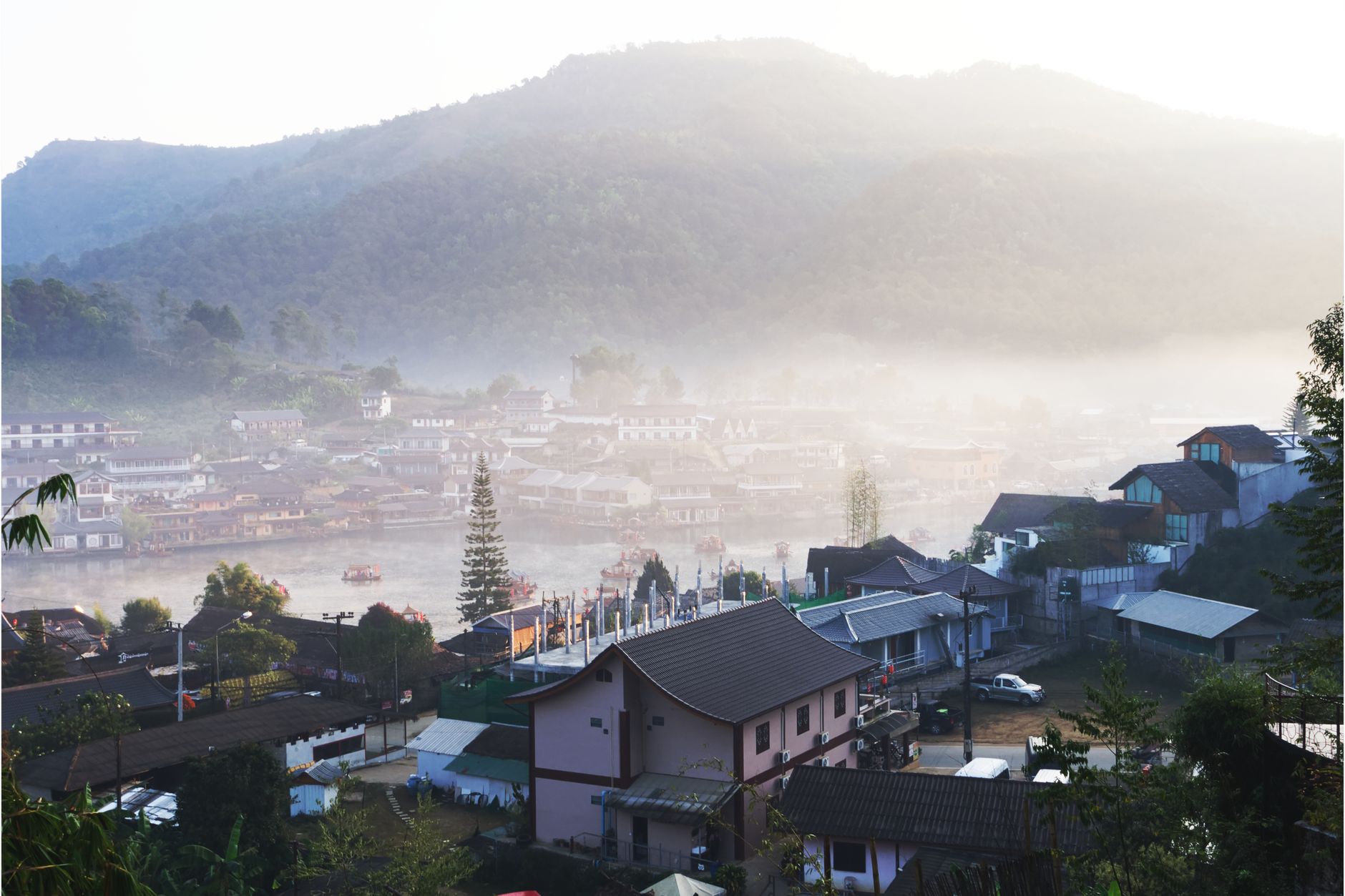



Set eighty kilometres northwest of Chiang Rai, Mae Salong takes two hours to reach by car or songthaew along steep ridge roads. The settlement is known for high-elevation oolong plantations and a Yunnanese community established by exiled Kuomintang soldiers in 1961. Mae Salong is worth visiting if you want morning tea tastings at the source and hearty clay-pot pork trotters with steamed mantou. Look elsewhere if you expect late-night bars, flat walking terrain, or fast public transit.
Last updated 30 Oct 2026
Build a Mae Salong itinerary.
Choose up to 4 threads that pull you in. Your plan arrives organised around them.
The Bed
Where to stay in Mae Salong
Which part of town to book, and what each one costs you in walking, noise or quiet.
The Comparison
Mae Salong, or somewhere near it
The places you are realistically choosing between, and the honest case for each.
The Local Record
Where to read more about Mae Salong
The blogs, boards, guides and operators worth bookmarking.
What to do in Mae Salong Chiang Rai Province Thailand
Life along Mae Salong's central ridge revolves around sunrise mist, morning noodle bowls, and afternoons spent sipping oolong at shopfront tables. The single main street strings together family-run tea merchants, Yunnanese diners, and quiet guesthouses against steep hillsides. It suits travellers who prefer sweater-weather evenings, rich stewed pork, and slow mountain walks over manicured resort itineraries.
24 hours in Mae Salong Chiang Rai Province Thailand
Start before dawn at the morning market for hot soy milk and fried dough, then climb the stairs to Phra Boromathat Chedi before the heat sets in. Spend midday tasting No. 17 oolong at Wang Put Tan, and finish with braised pork knuckle and mantou at Sweet Mae Salong by seven. Select 1 Day above to see it.
2 days in Mae Salong Chiang Rai Province Thailand
A second day lets you explore the KMT Martyrs' Memorial Museum and hike down to nearby Akha hamlets like Ban Apa. For dinner, seek out Yunnan-style hot pot or fresh tea-leaf salad with cold beer at a timber restaurant overlooking the southern valley terraces. Choose 2 Days to expand the plan.
3 days in Mae Salong Chiang Rai Province Thailand
With three days, ride a scooter along Route 1130 toward Doi Tung's royal villa gardens or down into the Hin Taek valley. You have time to sit through proper gongfu tea ceremonies with shop owners without looking at your watch.
Mae Salong Chiang Rai Province Thailand itineraries by interest
Tea & Plantations in Mae Salong Chiang Rai Province Thailand
Sip roasted Jin Xuan No. 12 and Four Seasons oolong from clay pots at roadside tea shops along the central ridge, poured by second-generation growers.
Regional Cooking in Mae Salong Chiang Rai Province Thailand
Order Yunnanese braised pork leg with steamed mantou buns, fresh tea-leaf salads, and hand-pulled egg noodles at family spots like Sweet Mae Salong.
Military History in Mae Salong Chiang Rai Province Thailand
Explore the KMT Chinese Martyrs' Memorial Museum to understand how Nationalist 93rd Division soldiers settled these ridges after retreating from Yunnan.
Morning Markets in Mae Salong Chiang Rai Province Thailand
Rise before dawn for the morning market where Akha and Shan vendors trade wild mountain herbs, bitter bamboo shoots, and fresh tofu cakes.
Scenic Viewpoints in Mae Salong Chiang Rai Province Thailand
Climb the 718 steps to Phra Boromathat Chedi atop the high peak for early fog banks clearing over hillside plantations and distant Myanmar ridges.
Mountain Hiking in Mae Salong Chiang Rai Province Thailand
Follow dirt singletrack paths through terraced green tea bushes and pine stands linking Santikhiri to outlying Akha and Lahu hill villages.
Fermented Foods in Mae Salong Chiang Rai Province Thailand
Sample cured Yunnanese sausage, fermented bean curd, and air-dried cured ham hanging from eaves outside small dry-goods stores on the main road.
Sacred Architecture in Mae Salong Chiang Rai Province Thailand
Visit Wat Santikhiri with its white chedi and the nearby General Duan Tomb, framed by red Chinese lanterns and sweeping mountain valley vistas.
Local Agriculture in Mae Salong Chiang Rai Province Thailand
Walk terraced rows at Wang Put Tan or 101 Tea Plantation to watch pickers harvest young leaf buds into woven bamboo baskets in the cool mist.
Village Day Trips in Mae Salong Chiang Rai Province Thailand
Ride motorbikes south toward Hin Taek and Ban Lorcha to see Akha timber architecture and traditional silverwork in the surrounding valleys.
Fruit & Preserves in Mae Salong Chiang Rai Province Thailand
Browse market stalls for salted mountain plums, dried persimmons, and jars of wild sour honey gathered by local foraged-goods merchants.
Motorcycling Routes in Mae Salong Chiang Rai Province Thailand
Tackle the switchbacks of Route 1234 and 1130, navigating steep hairpin turns with views stretching toward Doi Tung and the Golden Triangle.