Mae Salong.


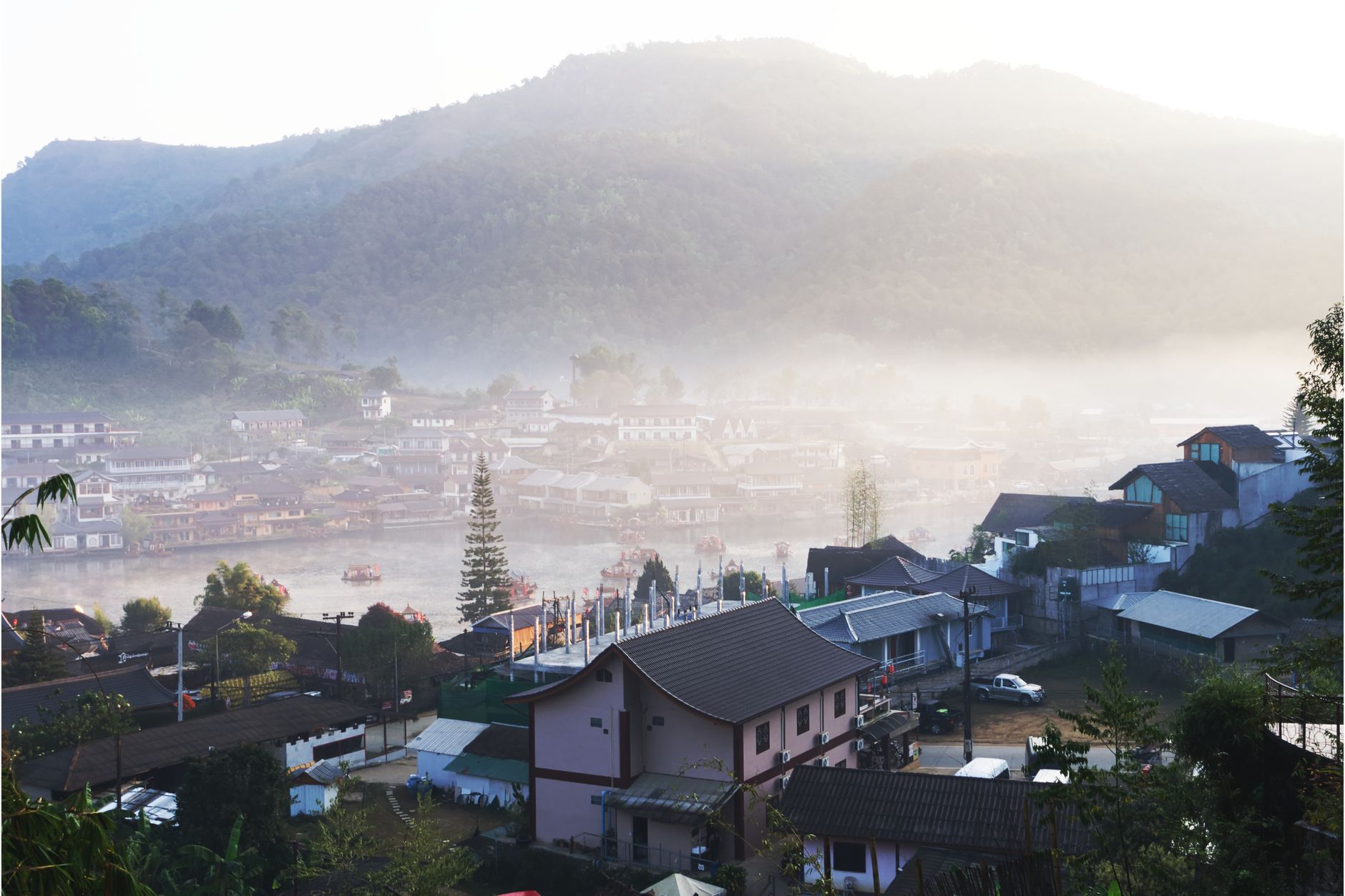


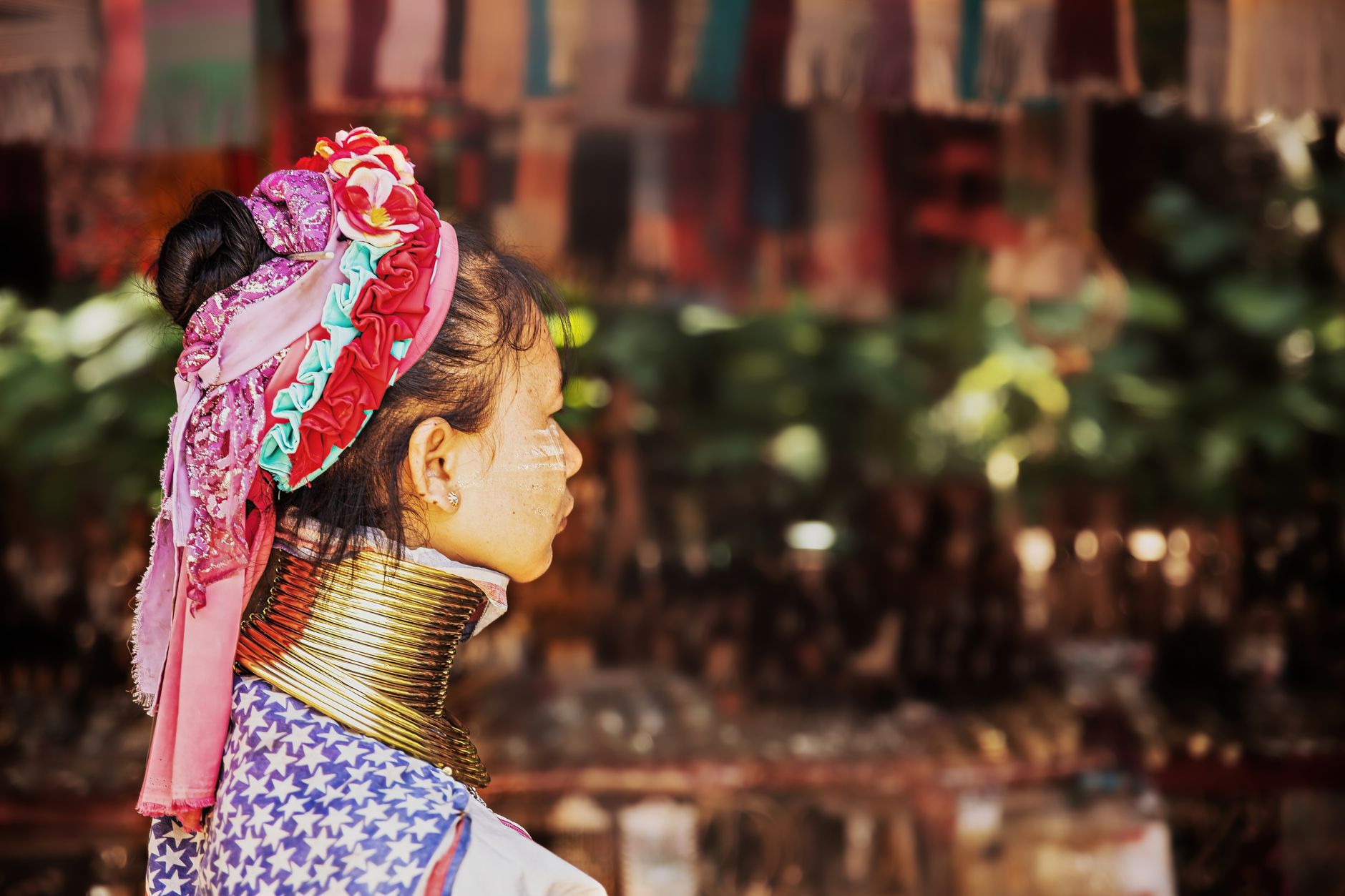
Mae Salong sits eighty kilometres northwest of Chiang Rai, reachable in under two hours via the winding ridge climbs of Highway 1234. Settled by the Nationalist Chinese 93rd Division after 1949, this mountain outpost traded opium poppies for high-altitude oolong tea bushes and robust Yunnanese home cooking. The ridge air stays crisp year-round. Mae Salong is worth visiting if you want to drink freshly roasted tea at the processing barn and eat Yunnanese pork knuckle over steamed mantou. Look elsewhere if you want late-night bars, flat walkable streets, indoor sights for rainy days, or transport that does not require navigating steep mountain roads.
Last updated 11 Sept 2026
Build a Mae Salong itinerary.
Choose up to 4 threads that pull you in. Your plan arrives organised around them.
We'll craft a 4-lens plan for Mae Salong, one collapsible strand per lens.
Scenic Drives
Ride Highway 1234 along steep switchbacks, where mist clears across terraced hillsides and pine groves early in the morning.
Scenic Drives
Ride Highway 1234 along steep switchbacks, where mist clears across terraced hillsides and pine groves early in the morning.
Yunnan Braised Pork Feast
Salong Kitchen
No reservations needed. Order the slow-braised pork leg served with handmade mantou buns and stir-fried tea leaves for 250 THB. Open until 8 PM.
Editor TipThis cuisine arrived with Chinese Nationalist 93rd Division families, carrying hearty mainland Yunnan braises adapted to the cool mountain air of northern Thailand. Arrive before 7 PM; Mae Salong sleeps early once mountain mist rolls across the road.
Hill Walking
Walk the steep trail up to Wat Santikhiri for panoramic views across stepped tea terraces, limestone ridges, and Myanmar borders.
Hill Walking
Walk the steep trail up to Wat Santikhiri for panoramic views across stepped tea terraces, limestone ridges, and Myanmar borders.
Morning Market Yunnanese Breakfast
Mae Salong Morning Market
Arrive by eight to catch hill tribe vendors selling bitter greens. Order hot soybean milk with crisp youtiao crullers or a bowl of spicy Yunnanese pork noodles from the stall on the western edge.
Editor TipSettled by the lost Nationalist 93rd Division in 1961, Mae Salong preserves Yunnanese culinary traditions alongside Akha and Hmong mountain produce traded daily since the opium substitution era. Bring small baht notes. Most vendors walk in from surrounding ridge hamlets and have little change for large bills.
Ridge Staircase Temple Ascent
Wat Santikhiri
Tackle the 718 stone steps winding through mountain pines from town, or take the paved back road if knees protest. No entrance fee, but modest dress covering shoulders and knees is strictly required.
Editor TipBuilt in 1996 atop Mount Salong at 1,500 meters, this modern Lanna-style chedi commemorates the Princess Mother, who championed the royal reforestation projects replacing opium with high-grown tea. The stair climb is shaded, but carry water. The breezy stupa terrace offers the clearest 360-degree view into Myanmar.
Mountain Ridge Walking And Oolong
Wang Put Tan Tea Plantation
Trek the terrace paths among the rows, then pull up a wooden stool for a seated Gongfu tasting. The tea sampling is complimentary, and ninety minutes is plenty.
Editor TipIntroduced from Taiwan in the 1980s to replace opium crops, cultivars like Oolong Number 12 flourish along Mae Salong steep, mist-cooled limestone slopes. Take small sips and linger over the third pour, which reveals the true mineral profile of the leaf.
High Mountain Oolong Tasting
101 Tea Plantation
Walk between the contour terraces, then sit for a free comparative tasting of Jin Xuan and Ruan Zhi cultivars. Allow ninety minutes.
Editor TipKuomintang soldiers who settled this ridge in 1961 replaced opium poppies with Taiwanese oolong bushes in the 1980s, reshaping the mountainside economy. Sit at the wooden counter facing the valley; staff pour generously and never push sales.
Akha Village Ridge Walk
Ban Lorcha
Pay the 80 THB community fee at the bamboo hut. Spend ninety minutes walking the hard-packed dirt trails with a resident guide who explains the bamboo water systems.
Editor TipThe Akha migrated from Yunnan across Myanmar into these northern ridges a century ago, preserving animist rituals, timber rice barns, and distinct silver-studded headdresses. Never touch or lean against the wooden spirit gate at the upper entrance; it separates the spirit realm from the village.
Claypot Pork and Steamed Buns
Salong Lay Restaurant
Order the braised pork knuckle with handmade steamed mantou and stir-fried tea leaves. Dinner runs about 300 baht a head. Arrive before seven to claim a terrace table.
Editor TipThis food belongs to the Chinese Nationalist soldiers who settled these ridges in 1961, carrying spiced star-anise broths and pickled mustard greens into northern Thailand. Tear the plain buns and drag them through the dark braising liquor before touching the rice. That is the entire point.
Village Life
Walk quieter concrete lanes between clay-brick houses where elders play mahjong and dry sliced tea leaves on bamboo mats.
Village Life
Walk quieter concrete lanes between clay-brick houses where elders play mahjong and dry sliced tea leaves on bamboo mats.
Yunnanese Braised Pork And Mantou
Yunnan Restaurant Mae Salong
Walk in without a booking and order the braised pork leg with deep-fried mantou and stir-fried tea leaves. Dinner for two runs around 400 THB. Expect quick service and drafty mountain air.
Editor TipSettled by the lost 93rd Division of the Kuomintang in 1961, the village preserved southwestern Chinese border cooking, trading heavy curries for slow-braised spices, star anise, and pickled greens. Dip the sweet fried mantou directly into the spiced braising liquor. Bring a light fleece for the evening chill.
Note from the Editor
“Start early before the midday haze rolls over the ridges. Route 1089 is steep and winding, so tackle the climb up the mountain by eight, leaving your afternoon free for a proper tea sit-down.”
The Bed
Where to stay in Mae Salong
Which part of town to book, and what each one costs you in walking, noise or quiet.
The Comparison
Mae Salong, or somewhere near it
The places you are realistically choosing between, and the honest case for each.
The Local Record
Where to read more about Mae Salong
The blogs, boards, guides and operators worth bookmarking.
What to do in Mae Salong Chiang Rai Thailand
Mae Salong spreads along a high mountain spine where Chinese lanterns hang outside wooden noodle shops. Days here follow an unhurried rhythm: early market walks, afternoon tea tastings in tin-roofed roasting sheds, and slow Yunnan dinners. It suits independent travellers looking for mountain air, distinct culinary history, and quiet evenings far removed from standard beach itineraries.
24 hours in Mae Salong Chiang Rai Thailand
Start at daybreak in the morning market with hot soy milk and deep-fried youtiao. Spend the morning tasting oolong at 101 Tea Plantation, climb the staircase to Wat Santikhiri before midday heat, and finish with Yunnanese stewed pork leg and handmade noodles along Route 1234. Select 1 Day above to see it.
2 days in Mae Salong Chiang Rai Thailand
A second day takes you deeper into the valley. Walk down the dirt tracks to nearby Akha hamlets, explore the Chinese Martyrs' Memorial Museum on the western edge of town, and spend the evening sampling infused rice spirits alongside Yunnanese hotpot near the central market square. Choose 2 Days to expand the plan.
3 days in Mae Salong Chiang Rai Thailand
Three days allows a scenic loop drive toward Mae Sai or Doi Tung, exploring royal botanical gardens before returning to Santikhiri for quiet terrace walks. You will have time to linger over multiple tea steepings without one eye on the transport schedule.
Mae Salong Chiang Rai Thailand itineraries by interest
Tea Culture in Mae Salong Chiang Rai Thailand
Taste roasted Jin Xuan and Dong Ding oolongs straight from the wok at family-run plantations along the central ridge road.
Regional Cuisine in Mae Salong Chiang Rai Thailand
Order braised Yunnanese pork trotters, spiced sausage, handmade egg noodles, and crisp pickled mustard greens at small roadside shophouses.
Military History in Mae Salong Chiang Rai Thailand
Examine black-and-white archives and weapons at the Chinese Martyrs' Memorial Museum, detailing the 93rd Division's retreat.
Morning Markets in Mae Salong Chiang Rai Thailand
Browse morning street stalls by 6:00 AM for fresh soy milk, fried Chinese dough sticks, local herbs, and Akha mountain produce.
Hill Walking in Mae Salong Chiang Rai Thailand
Walk the steep trail up to Wat Santikhiri for panoramic views across stepped tea terraces, limestone ridges, and Myanmar borders.
Scenic Drives in Mae Salong Chiang Rai Thailand
Ride Highway 1234 along steep switchbacks, where mist clears across terraced hillsides and pine groves early in the morning.
Local Spirits in Mae Salong Chiang Rai Thailand
Sample fermented corn liquor and Chinese medicinal herb spirits poured from clay urns behind market dining counters.
Village Life in Mae Salong Chiang Rai Thailand
Walk quieter concrete lanes between clay-brick houses where elders play mahjong and dry sliced tea leaves on bamboo mats.
Sacred Architecture in Mae Salong Chiang Rai Thailand
Climb the 718 steps to the Chedi Srinakarindra Stupa, built in classic Lanna style with sweeping views over the Santikhiri valley.
Indigenous Culture in Mae Salong Chiang Rai Thailand
Visit surrounding Akha and Lisu settlements down the valley trails to see hand-embroidered textiles and silversmithing.
Agricultural Life in Mae Salong Chiang Rai Thailand
Watch harvest hands pick tender two-leaf shoots across the Wang Put Tan and 101 Tea slopes during the dry winter season.
Mountain Viewpoints in Mae Salong Chiang Rai Thailand
Head to the General Duan Tomb overlook at sunset to watch low cloud settle over the northern Thai mountain ranges.