Mae Sariang.


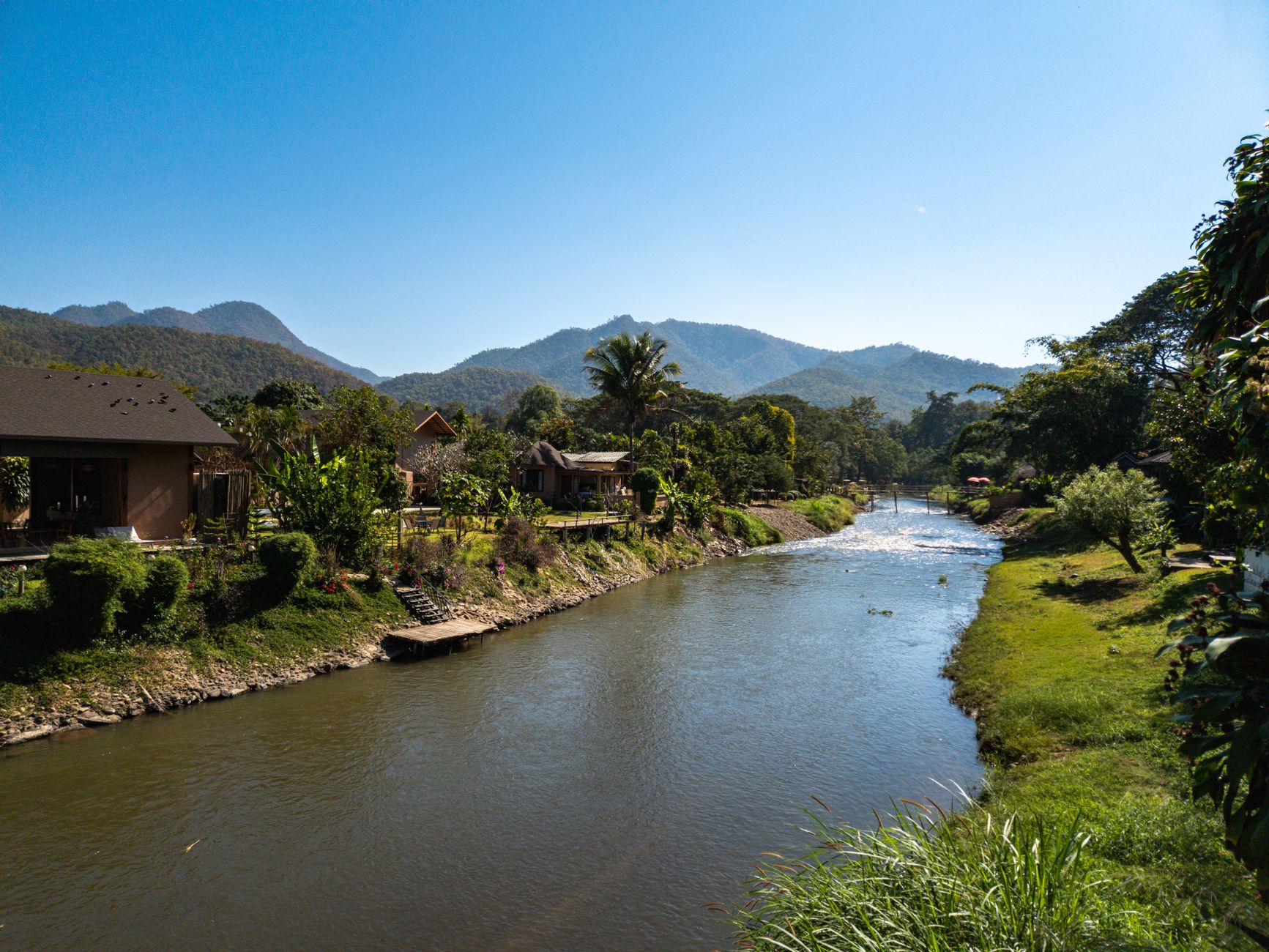
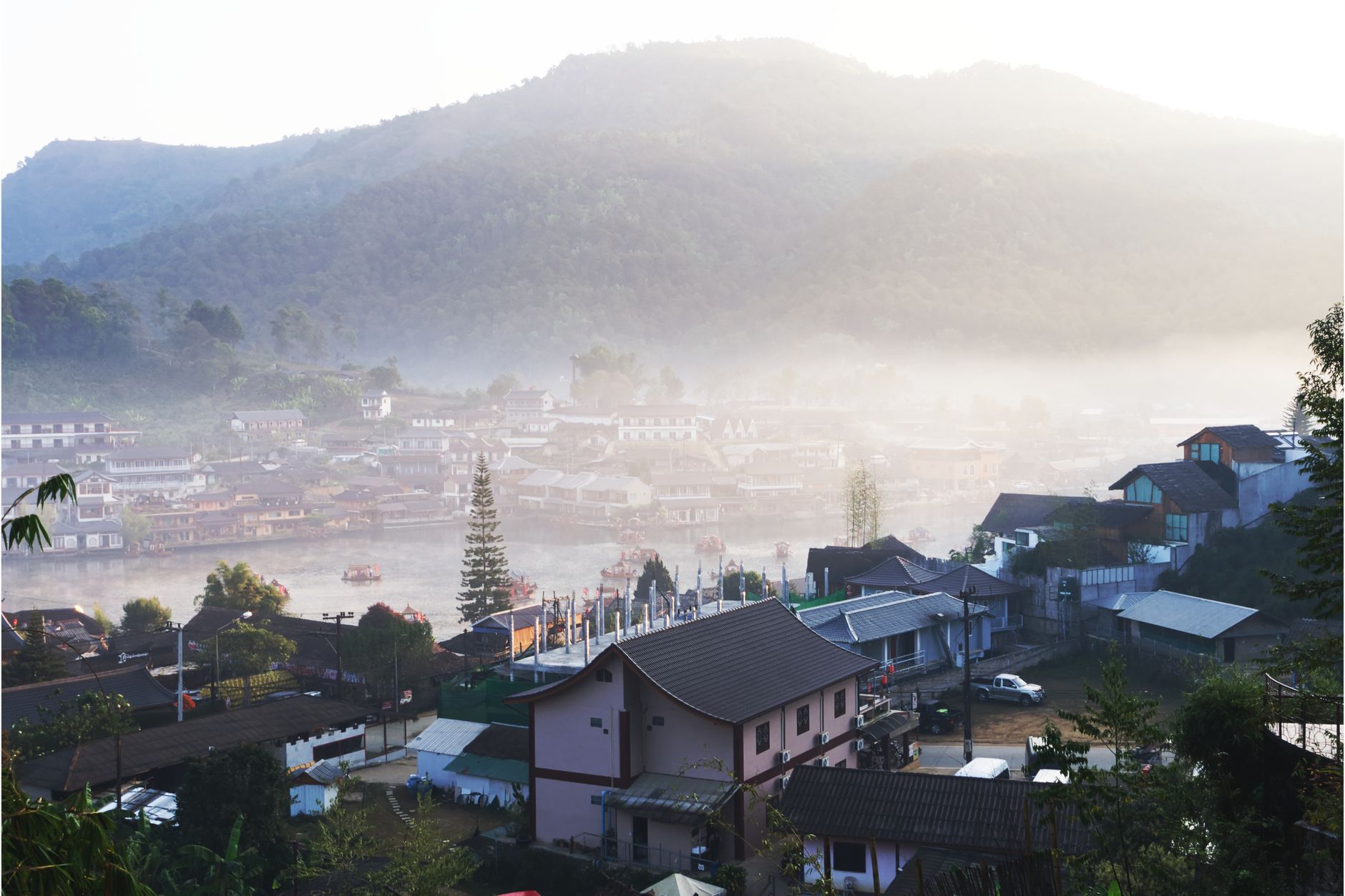

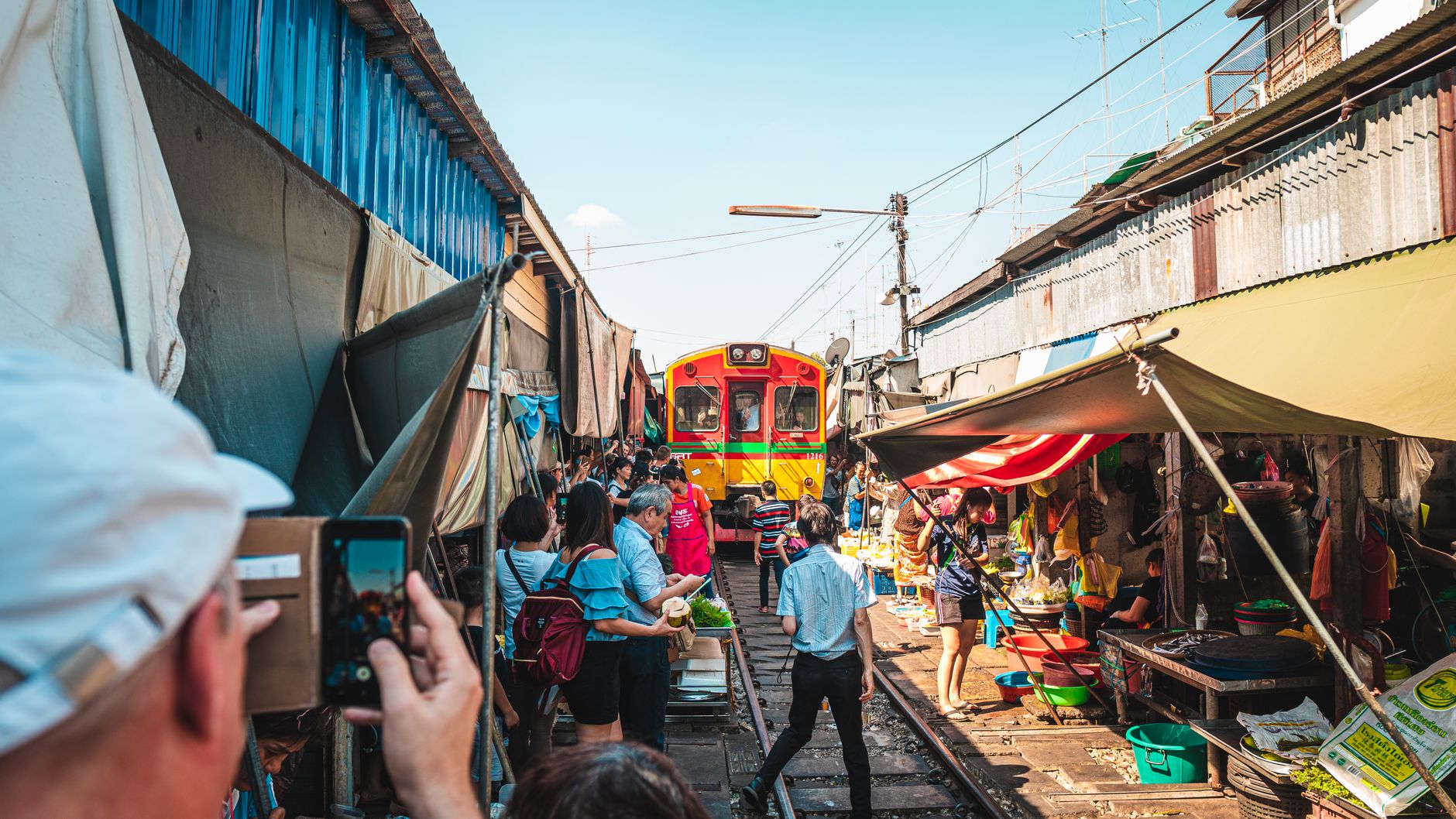
Mae Sariang sits four hours southwest of Chiang Mai along the curving asphalt of Highway 108. The town is built along the Yuam River, known primarily for its Burmese-influenced teak temples and a distinct absence of tour bus crowds. Life moves to the rhythm of morning market alms and evening noodle stalls along Mae Sariang Road. Mae Sariang is worth visiting if you want quiet river valley cycling, authentic Shan cooking, and boat trips down the Salween frontier. Look elsewhere if you want late-night bars, luxury resort amenities, organized English-speaking tour agencies, or polished indoor attractions.
Last updated 11 Sept 2026
Build a Mae Sariang itinerary.
Choose up to 4 threads that pull you in. Your plan arrives organised around them.
The Bed
Where to stay in Mae Sariang
Which part of town to book, and what each one costs you in walking, noise or quiet.
Places to stay
Central, well-rated and easy to find again. Distances are from the middle of town.
These links go to Booking.com and earn us a commission. They cost you nothing extra.
The Comparison
Mae Sariang, or somewhere near it
The places you are realistically choosing between, and the honest case for each.
The Local Record
Where to read more about Mae Sariang
The blogs, boards, guides and operators worth bookmarking.
What to do in Mae Sariang Mae Hong Son Thailand
Mae Sariang is laid out neatly along the Yuam River, structured by three parallel streets that make navigation effortless on foot or two wheels. Days start early at the morning market, slow down during the midday heat, and revive around riverside terraces as the sun drops. It suits independent travellers who prefer regional markets, temple woodwork, and quiet river roads to nightlife and tour agencies.
24 hours in Mae Sariang Mae Hong Son Thailand
Start at dawn watching monks receive alms on Wiang Mai Road, followed by a bowl of khao sen broth. Spend the morning examining the teak roofs of Wat Jong Sung, then rent a bicycle for an afternoon loop through the valley's garlic fields before dinner beside the Yuam River. Select 1 Day above to see it.
2 days in Mae Sariang Mae Hong Son Thailand
Head forty-five kilometres southwest to the border trading village of Mae Sam Laep. Hire a longtail boat along the Salween River gorge, running the Thai-Myanmar frontier, before returning for an evening meal of grilled sai oua and crispy Shan tofu back in town. Choose 2 Days to expand the plan.
3 days in Mae Sariang Mae Hong Son Thailand
Take Route 108 up into the hills to Ban Huay Hom, a Karen village known for Arabica coffee plantations and hand-spun sheep wool weaving. Continue to Mae Ngao National Park for an unhurried forest walk along quiet riverbanks.
Mae Sariang Mae Hong Son Thailand itineraries by interest
Sacred Architecture in Mae Sariang Mae Hong Son Thailand
Teak viharas and Burmese-style pyatthat roofs define Wat Jong Sung and Wat Si Bun Rueang, built by Shan and Burmese timber traders in the late 1800s.
Morning Markets in Mae Sariang Mae Hong Son Thailand
The central morning market off Wiang Mai Road sells fresh Shan tofu patties, steamed sticky rice in banana leaf, and pungent fermented bamboo shoots.
River Journeys in Mae Sariang Mae Hong Son Thailand
Longtail boats depart from Mae Sam Laep down the Salween River, tracing the remote mountainous border with Myanmar past rocky gorges and Karen hamlets.
Local Noodles in Mae Sariang Mae Hong Son Thailand
Order khao sen, fine rice noodles in a rich fermented pork and tomato broth, served with crunchy raw cabbage and lime wedges at unassuming street carts.
Cycling Routes in Mae Sariang Mae Hong Son Thailand
Rent a single-speed town bicycle to explore flat country lanes through Yuam River valley paddy fields, garlic plots, and traditional stilt villages.
Hill Walking in Mae Sariang Mae Hong Son Thailand
Day hikes in Mae Ngao National Park lead through teak forest up to mountain ridges overlooking the confluence of the Ngao and Yuam river systems.
Craft Traditions in Mae Sariang Mae Hong Son Thailand
Karen weavers in nearby Ban Huay Hom spin and dye local sheep wool and cotton, producing distinctive shawls and tunic dresses on backstrap looms.
Street Food in Mae Sariang Mae Hong Son Thailand
Evening carts on Mae Sariang Road grill sour pork sausages, northern sai oua packed with lemongrass, and crispy deep-fried Shan tofu squares.
Border History in Mae Sariang Mae Hong Son Thailand
The Mae Sariang Museum details centuries of teak logging, British-Burmese mercantile ties, and the diverse ethnic communities of Mae Hong Son.
Scenic Viewpoints in Mae Sariang Mae Hong Son Thailand
Climb the steps to Wat Phra That Chom Thong at sunset for broad panoramic views over the Yuam River basin and surrounding forested mountain ridge lines.
Regional Produce in Mae Sariang Mae Hong Son Thailand
Mae Sariang is renowned for pungent sun-dried garlic bulbs, robust Arabica coffee beans grown in Ban Huay Hom, and dark local wild honey.
Hot Springs in Mae Sariang Mae Hong Son Thailand
Mae Um Mo hot springs, located a short ride north on Route 108, offer quiet mineral soaking pools surrounded by shady forest and running streams.