Mae Sariang.


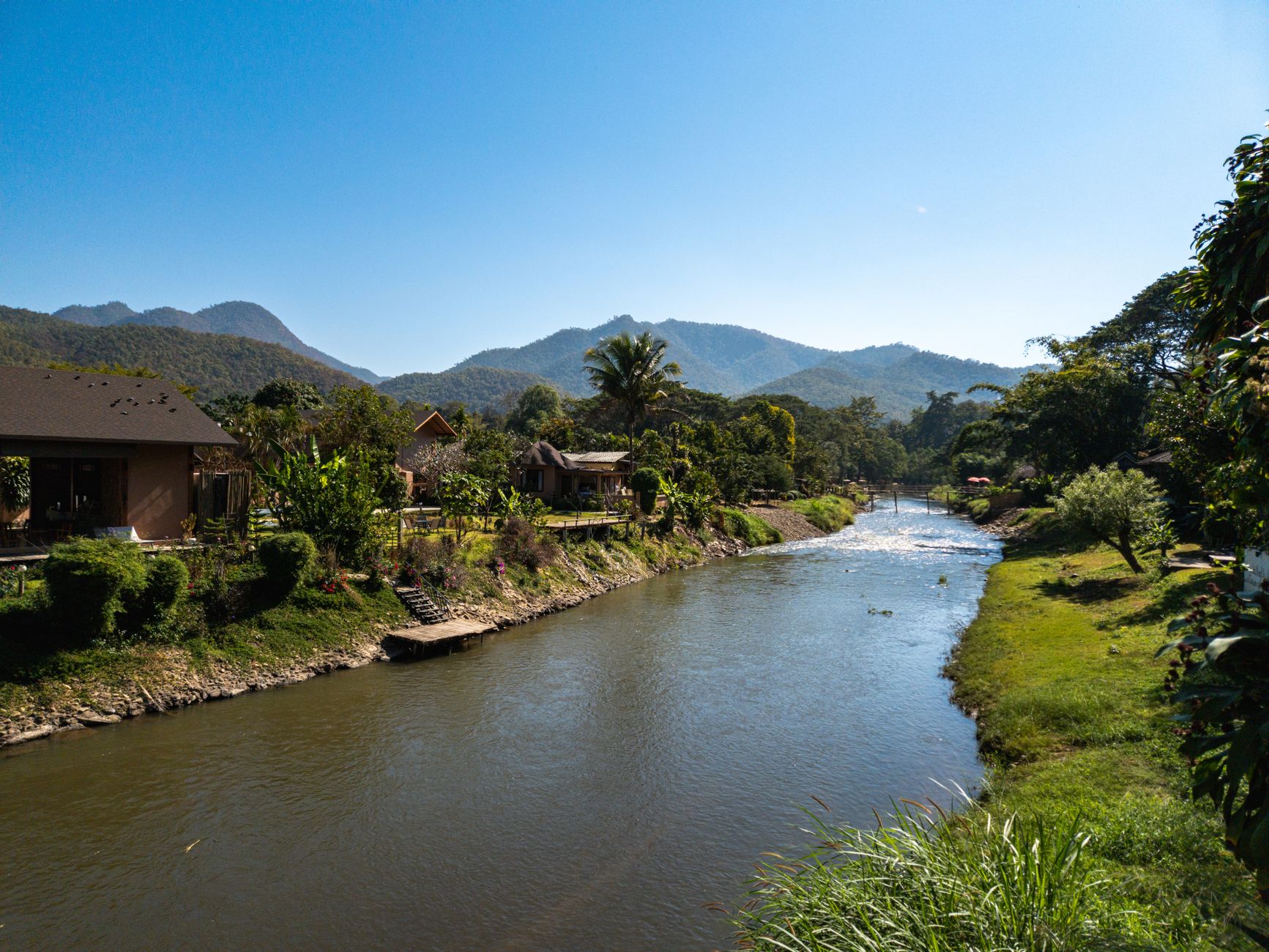
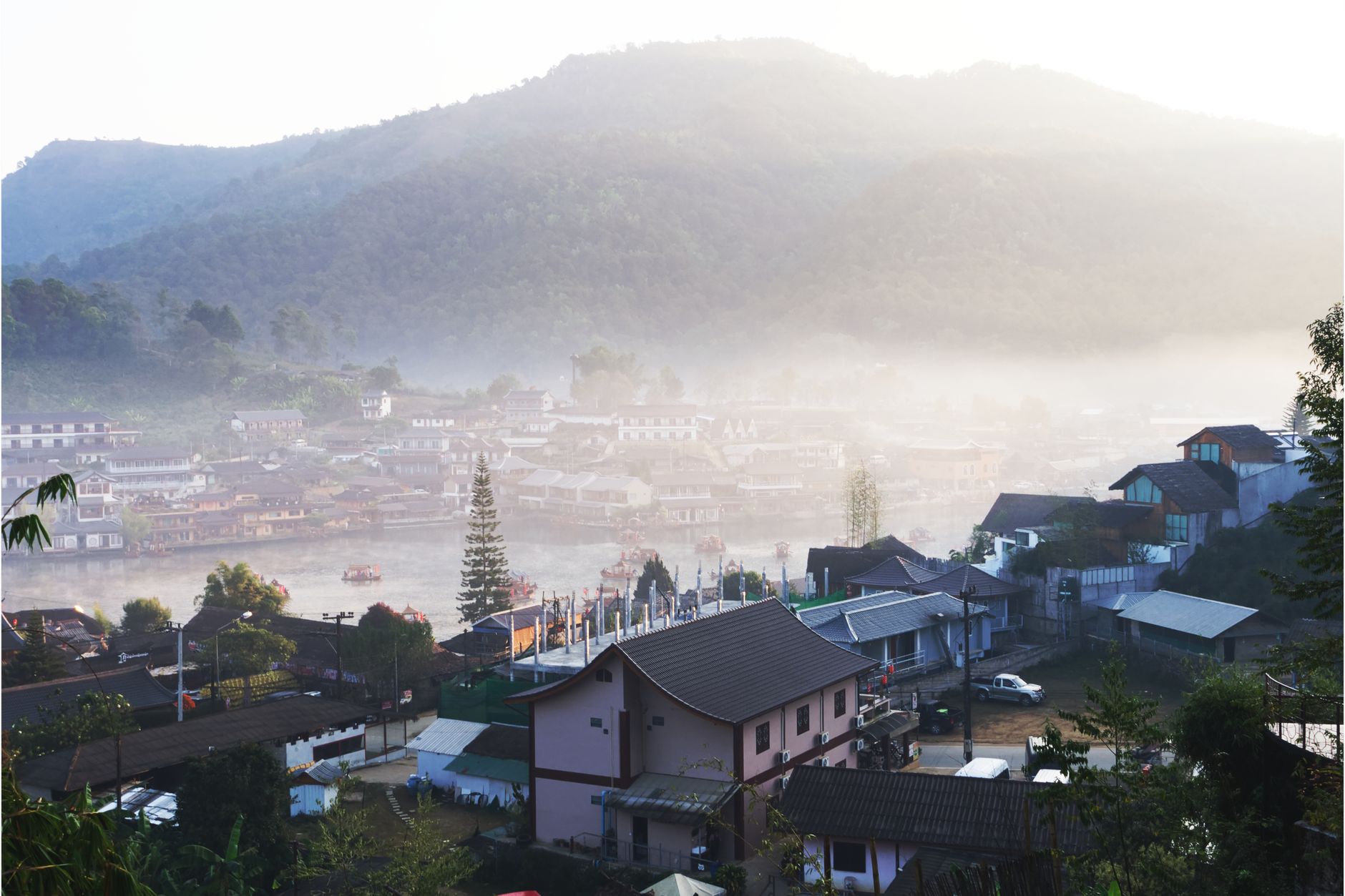

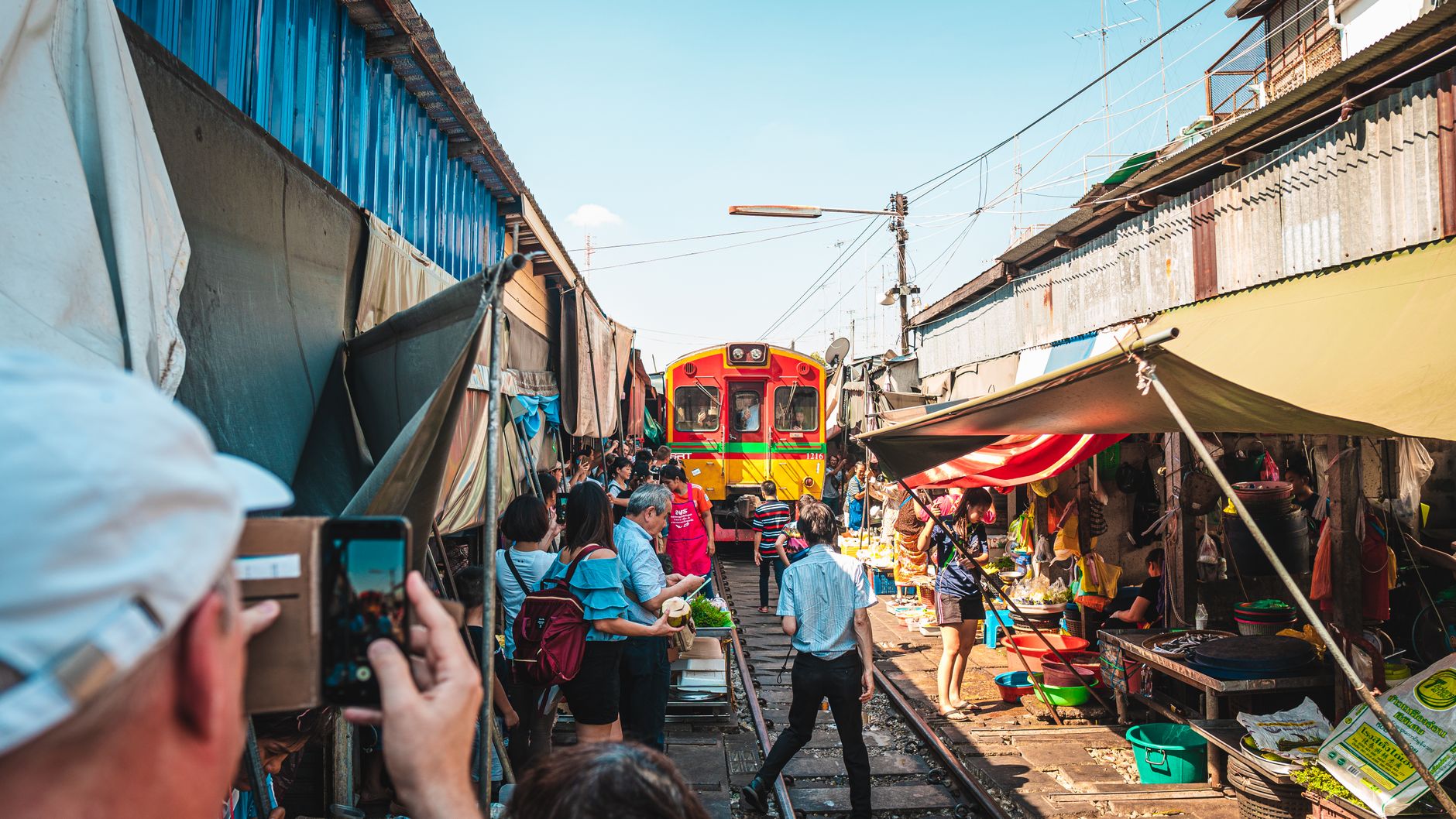
Mae Sariang sits four hours southwest of Chiang Mai by local bus along Highway 108. It is known for its riverside teak shophouses, quiet Shan-Burmese temples, and low-key trekking along the Salween River basin. Mae Sariang is worth visiting if you want unhurried mornings eating khao soi tai, riverfront cycling, and base camps for remote borderland treks. Look elsewhere if you require late-night cocktail bars, resort amenities, or fast transit.
Last updated 29 Oct 2026
Build a Mae Sariang itinerary.
Choose up to 4 threads that pull you in. Your plan arrives organised around them.
The Bed
Where to stay in Mae Sariang
Which part of town to book, and what each one costs you in walking, noise or quiet.
The Comparison
Mae Sariang, or somewhere near it
The places you are realistically choosing between, and the honest case for each.
The Local Record
Where to read more about Mae Sariang
The blogs, boards, guides and operators worth bookmarking.
What to do in Mae Sariang Mae Hong Son Province Thailand
The town runs on a simple grid parallel to the Yuam River, framed by low mountains and four hilltop wats guarding each cardinal direction. Life here follows the sun: monks collecting alms at dawn, quiet afternoon noodle shops along Lae Panich Road, and beer beside the slow water at dusk. It suits independent travellers who prefer quiet corners and modest guesthouses over organised tour buses.
24 hours in Mae Sariang Mae Hong Son Province Thailand
Start at dawn at the morning market for crisp tofu fritters, then wander the teak halls of Wat Jong Sung. After a lunch bowl of Shan khao soi, rent a bicycle for the flat farm lanes across the river, finishing with grilled sai ua and cold lager beside the Yuam. Select 1 Day above to see it.
2 days in Mae Sariang Mae Hong Son Province Thailand
Dedicate your second day to the surrounding hills. Head north to Ban Huai Hom to drink mountain-grown Arabica and watch Lawa weavers at work, returning by mid-afternoon for sunset over the valley at Wat Phra That Chom Mon followed by river-fish curry at Inthira. Choose 2 Days to expand the plan.
3 days in Mae Sariang Mae Hong Son Province Thailand
A third day allows the 45-kilometre ride to Mae Sam Laep. Board a longtail boat down the Salween River along the Myanmar frontier, taking in the limestone cliffs before returning to town for a slow dinner along Lae Panich Road.
Mae Sariang Mae Hong Son Province Thailand itineraries by interest
Sacred Architecture in Mae Sariang Mae Hong Son Province Thailand
Climb to Wat Chom Thong for the hilltop Buddha view, then inspect the gilded Burmese-style pyatthat roofs at Wat Si Bun Rueang and Wat Jong Sung.
Morning Markets in Mae Sariang Mae Hong Son Province Thailand
Walk the Mae Sariang morning market on Wiang Mai Road by 06:30 for steaming pa thong ko, fresh soy milk, Shan tofu fritters, and sticky rice parcels.
Regional Noodles in Mae Sariang Mae Hong Son Province Thailand
Seek out Shan-style khao soi tai made without coconut milk, alongside turmeric-stained khao kan jin cakes steamed in banana leaves with pork blood.
River Journeys in Mae Sariang Mae Hong Son Province Thailand
Hire a longtail boat from Mae Sam Laep down the Salween River along the Myanmar border, passing limestone cliffs and remote Karen fishing settlements.
Craft Traditions in Mae Sariang Mae Hong Son Province Thailand
Browse handwoven Lawa textiles and Karen backstrap-loom shawls sold by local weaving collectives in villages along the surrounding mountain ridges.
Day Trips in Mae Sariang Mae Hong Son Province Thailand
Ride north to Mae La Noi to explore Kaew Komol Cave and tour the hillside royal project coffee and cold-climate vegetable farms at Ban Huai Hom.
Cycling in Mae Sariang Mae Hong Son Province Thailand
Rent a single-speed cruiser to pedal flat backroads along the Yuam River, weaving past teak homesteads and rice paddies between Wat Phra That Chom Mon.
Forest Hiking in Mae Sariang Mae Hong Son Province Thailand
Hike the forested trails of Salawin National Park with a local ranger, crossing teak groves and bamboo stands down to seasonal river sandbanks.
Evening Markets in Mae Sariang Mae Hong Son Province Thailand
Graze the nightly stalls along Mae Sariang Road for grilled pork skewers, fiery northern sai ua sausages, and sour green papaya salads pounded to order.
Hillside Viewpoints in Mae Sariang Mae Hong Son Province Thailand
Drive up to Wat Phra That Chom Kitti or Chom Chaeng at sunset to watch the evening mist settle across the Yuam Valley and surrounding pine ridges.
Local Coffee in Mae Sariang Mae Hong Son Province Thailand
Sip Arabica grown in nearby Mae La Noi highlands, roasted dark and served in riverside wooden cafes overlooking the slow brown current of the Yuam.
Street Food in Mae Sariang Mae Hong Son Province Thailand
Eat crisp thoke salad made from yellow split-pea tofu, dressed with garlic oil, toasted sesame, tamarind, and fresh coriander at unassuming street carts.