


Margaux-Cantenac sits thirty kilometres north of Bordeaux, reached in forty-five minutes on the TER train. It is renowned for deep gravel soils and legendary 1855 classified wine estates where Cabernet Sauvignon leads the blend. Margaux-Cantenac is worth visiting if you want to taste structured red wines at historic cellar doors and cycle along vineyard lanes. Look elsewhere if you want lively nightlife, pedestrian shopping boulevards, or family beach attractions.
Last updated 26 Oct 2026
Build a Margaux-Cantenac itinerary.
Choose up to 4 threads that pull you in. Your plan arrives organised around them.
The Bed
Where to stay in Margaux-Cantenac
Which part of town to book, and what each one costs you in walking, noise or quiet.
The Comparison
Margaux-Cantenac, or somewhere near it
The places you are realistically choosing between, and the honest case for each.
The Local Record
Where to read more about Margaux-Cantenac
The blogs, boards, guides and operators worth bookmarking.
What to do in Margaux-Cantenac Gironde France
A visit to Margaux-Cantenac is anchored by the clockwork of the vineyard. The commune sits quietly along the D2 road, where days begin with the gravel crunch underfoot and revolve around pre-booked cellar tastings, estate architecture, and unhurried lunches. It suits travellers who appreciate wine craft, flat cycling, and slow evenings over a decanter.
24 hours in Margaux-Cantenac Gironde France
Start your morning with a tour at Château Palmer or Rauzan-Ségla, booked weeks ahead. Walk to Le Savoie for a plate of duck magret and a carafe of red. Spend the afternoon cycling the estate lanes to Port d'Issan before catching the evening train. Select 1 Day above to see it.
2 days in Margaux-Cantenac Gironde France
A second day lets you explore Cantenac's lesser-known third-growth estates on foot. Drive ten minutes to Lamarque to catch the car ferry across the estuary to Blaye's citadel, followed by dinner of grilled entrecôte over vine shoots in a village tavern. Choose 2 Days to expand the plan.
3 days in Margaux-Cantenac Gironde France
With three days, venture further along the D2 to the quays of Pauillac and Saint-Julien. Dedicate an afternoon to the coastal pinewoods near Lacanau-Océan, forty minutes west, returning to Margaux for quiet evening strolls past the floodlit château gates.
Margaux-Cantenac Gironde France itineraries by interest
Wine & Vineyards in Margaux-Cantenac Gironde France
Tour the gravel terroir of Château Margaux, Palmer, and Rauzan-Ségla, sampling Cabernet Sauvignon and Merlot aged in French oak.
Local Gastronomy in Margaux-Cantenac Gironde France
Order entrecôte à la bordelaise grilled over dried vine cuttings, paired with lamproie à la bordelaise and local canelés for dessert.
Cycling Routes in Margaux-Cantenac Gironde France
Rent a bicycle to trace the flat D2 Route des Châteaux, rolling past stone gates and neat estate parcels from Cantenac to Soussans.
Sacred Architecture in Margaux-Cantenac Gironde France
Step into the Romanesque Église Saint-Michel in Margaux, featuring simple nave stonework and historic cemetery monuments.
Historic Estates in Margaux-Cantenac Gironde France
Admire the neo-Palladian facade of Château Margaux and the fairytale towers of Château Palmer along the quiet vineyard roads.
River & Estuary in Margaux-Cantenac Gironde France
Walk the banks of the Gironde estuary near the Port d'Issan to watch fishing skiffs and tidal currents drift past salt meadows.
Markets & Produce in Margaux-Cantenac Gironde France
Browse weekend village stalls in nearby Castelnau-de-Médoc for Médoc hazelnuts, local ceps, duck confit, and Pyrenean cheeses.
Day Trips in Margaux-Cantenac Gironde France
Head fifteen minutes north to Pauillac to see waterfront quays or south to Blanquefort for forested estate trails near Bordeaux.
Pastry & Bakeries in Margaux-Cantenac Gironde France
Stop at village boulangeries for fresh baguettes, flaky morning croissants, and small dark rum-and-vanilla canelés baked in copper.
Hiking & Walking in Margaux-Cantenac Gironde France
Follow quiet farm tracks through Cantenac's parcel vines and oak woodlands, looking for traditional stone vineyard markers.
Cellar Architecture in Margaux-Cantenac Gironde France
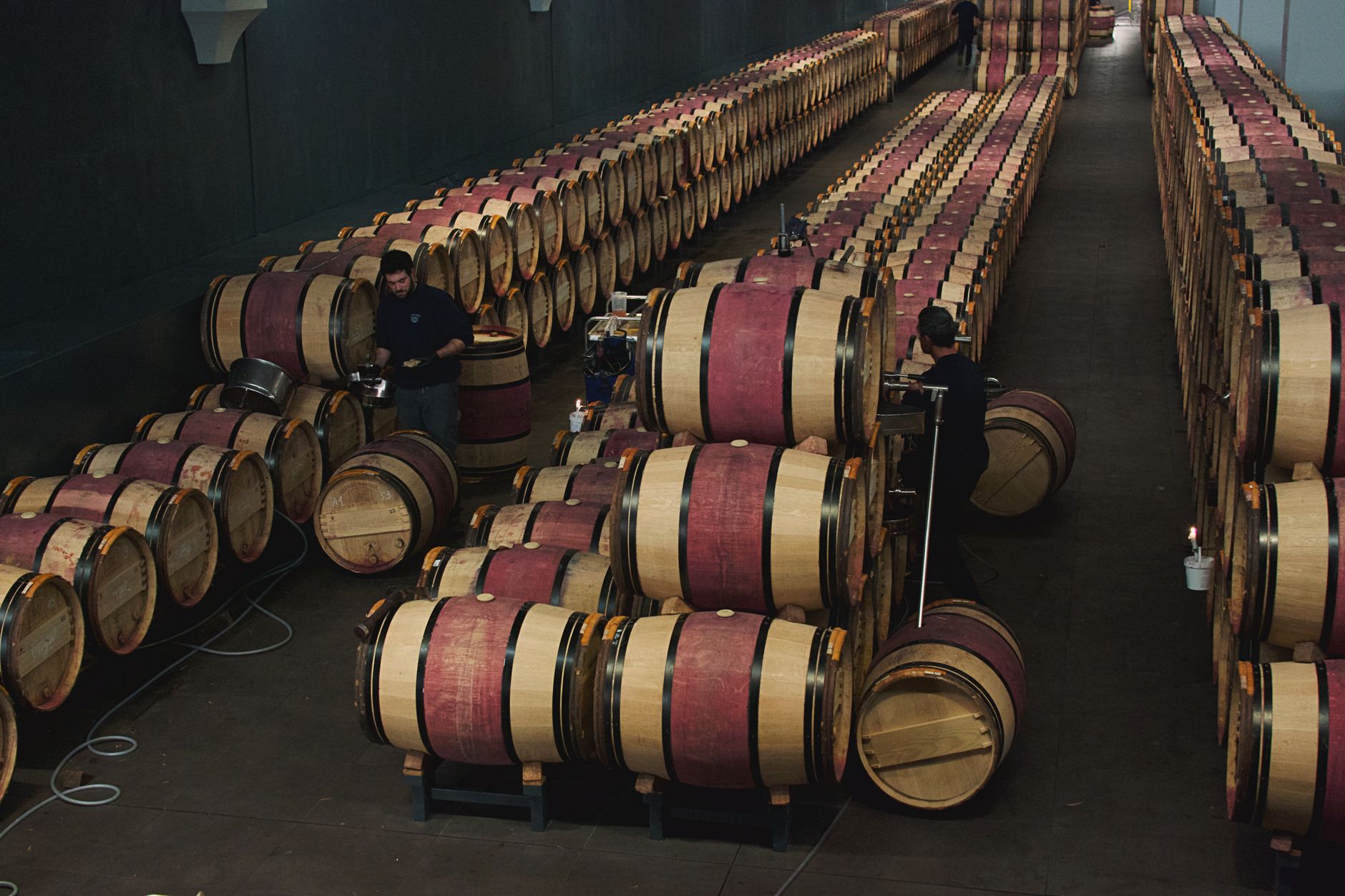
Inspect vat rooms and barrel cellars, from Norman Foster's modern facility at Château Margaux to traditional stone barrel halls.
Regional Cooking in Margaux-Cantenac Gironde France
Taste roasted Pauillac lamb, duck magret, and garlic-sautéed mushrooms prepared in roadside village bistros across the peninsula.