.jpg)


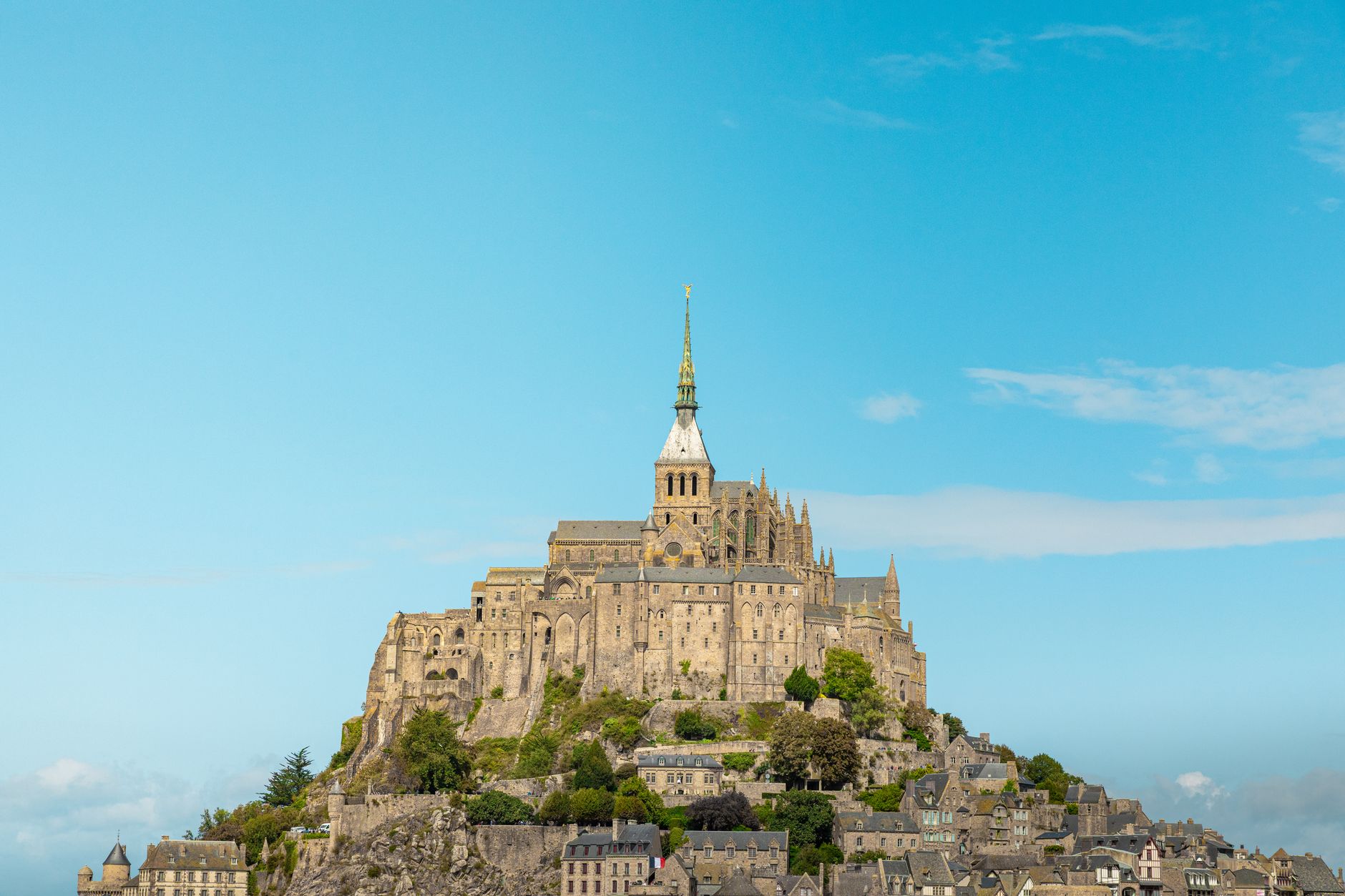

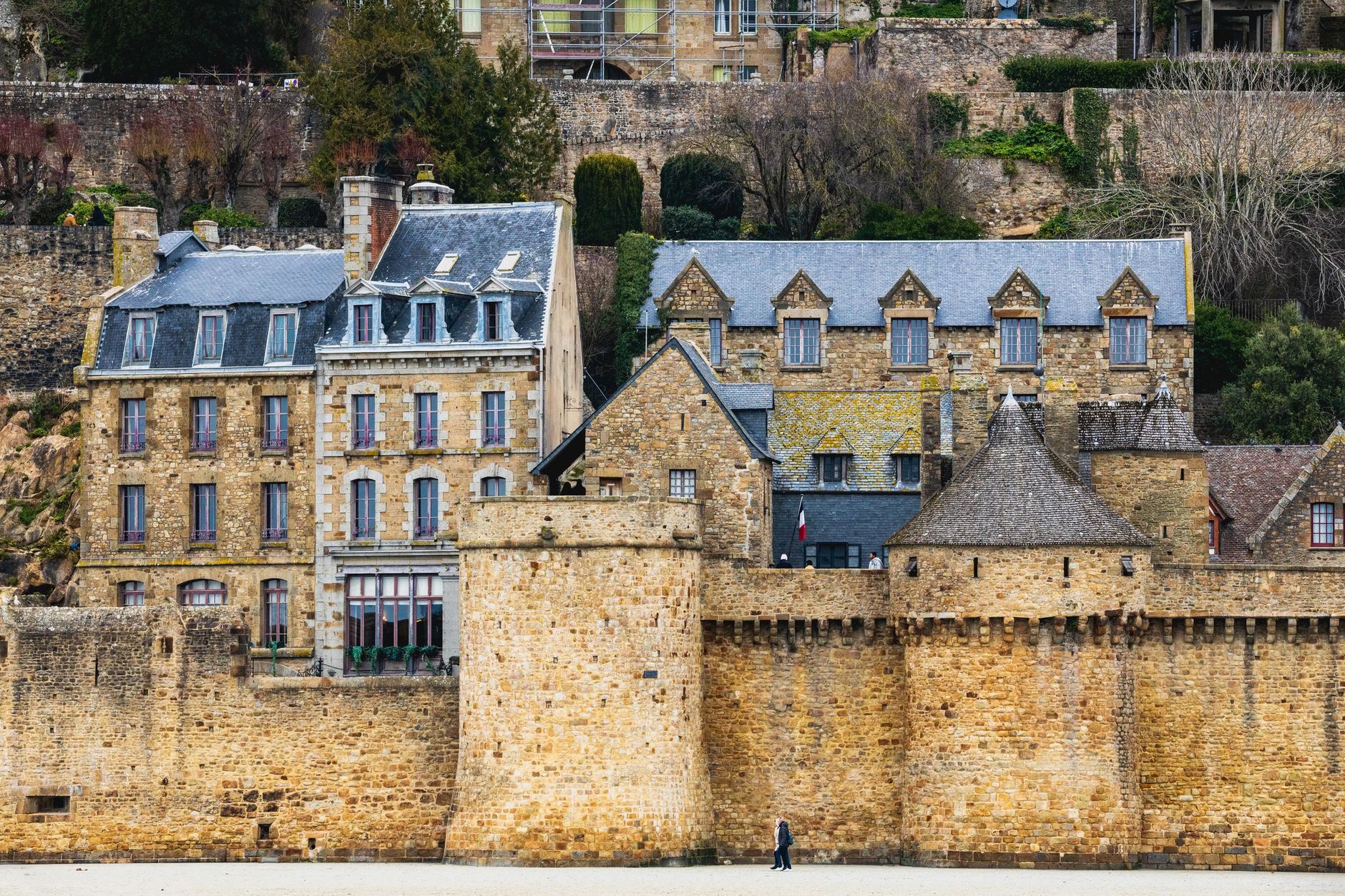
Sitting three and a half hours west of Paris by train and connector bus via Pontorson, Le Mont-Saint-Michel rises directly from the tidal flats of Normandy. The rock is known for its eighth-century Benedictine abbey perched on granite, steep medieval ramparts, and the fastest tides in Europe. Le Mont-Saint-Michel is worth visiting if you want to walk Gothic cloisters above the tide line and eat salt-meadow lamb beside the bay. Look elsewhere if you need step-free walking, lively nightlife, or a beach suitable for swimming and lounging.
Last updated 12 Sept 2026
Build a Le Mont-Saint-Michel itinerary.
Choose up to 4 threads that pull you in. Your plan arrives organised around them.
The Bed
Where to stay in Le Mont-Saint-Michel
Which part of town to book, and what each one costs you in walking, noise or quiet.
The Comparison
Le Mont-Saint-Michel, or somewhere near it
The places you are realistically choosing between, and the honest case for each.
The Local Record
Where to read more about Le Mont-Saint-Michel
The blogs, boards, guides and operators worth bookmarking.
What to do in Le Mont-Saint-Michel Normandie France
A single winding lane, Grande Rue, climbs past stone houses toward the abbey summit. The island's rhythm matches the moon: choked with day-trippers by midday, silent and echoing once the shuttles stop at dusk. It suits travellers who appreciate austere medieval stonework, brisk coastal wind, and the quiet pleasure of watching a grey Atlantic tide roll in over five miles of flat sand.
24 hours in Le Mont-Saint-Michel Normandie France
Enter before 9:00 to tour the abbey of La Merveille without crowds. Lunch on wood-fired lamb on Grande Rue, then circle the ramparts from Tour du Nord. Stay until the sun sets over Tombelaine when day coaches leave and the granite alleys clear. Select 1 Day above to see it.
2 days in Le Mont-Saint-Michel Normandie France
Hire a certified guide at Genêts for a barefoot trek across the bay mudflats to Tombelaine rock. Afterwards, head inland to Pontorson for buckwheat galettes and dry farmhouse cider in a stone tavern far from the tourist souvenir stalls. Choose 2 Days to expand the plan.
3 days in Le Mont-Saint-Michel Normandie France
Take a day trip to Cancale to eat fresh oysters right off the seawall, then explore the privateer ramparts of Saint-Malo. Finish with an unhurried drive through the pastures of the Cotentin peninsula for raw-milk Camembert.
Le Mont-Saint-Michel Normandie France itineraries by interest
Sacred Architecture in Le Mont-Saint-Michel Normandie France
Climb through the La Merveille complex to see the thirteenth-century Gothic cloister, the Romanesque nave, and the soaring granite refectory.
Local Seafood in Le Mont-Saint-Michel Normandie France
Crack into Cancale oysters on the half shell and blue Breton lobsters served chilled with handmade mayonnaise along the bay.
Meat Specialties in Le Mont-Saint-Michel Normandie France
Taste Agneau de Pré-Salé, lamb grazed on maritime pastures seasoned by ocean spray, roasted pink with garlic and white beans.
Cider & Spirits in Le Mont-Saint-Michel Normandie France
Drink dry Normand cidre bouché fermented from bitter cider apples, paired with twenty-year-old Calvados distilled in nearby Auge.
Tidal Walks in Le Mont-Saint-Michel Normandie France
Cross the wet sands with a licensed barefoot guide to reach the bird reserve of Tombelaine, dodging quicksand beds at low tide.
Fortifications & Ramparts in Le Mont-Saint-Michel Normandie France
Walk the fifteenth-century granite battlements from Tour de la Liberté to Tour Gabriel for sweeping panoramic views across the bay.
Regional Cheeses in Le Mont-Saint-Michel Normandie France
Sample raw-milk Camembert de Normandie, pungent Pont-l'Évêque, and creamy Livarot crafted in the verdant dairy farms inland.
Baking Traditions in Le Mont-Saint-Michel Normandie France
Watch cooks whip eggs in copper bowls over wood embers for fluffy La Mère Poulard omelettes, or buy crisp Norman butter galettes.
Maritime History in Le Mont-Saint-Michel Normandie France
Explore the Musée Maritime to inspect ancient marine tools, naval artifacts, and depth charts mapping the treacherous bay currents.
Coastal Day Trips in Le Mont-Saint-Michel Normandie France
Drive thirty minutes west to Cancale’s oyster market stalls or north to the granite walled port of Saint-Malo along the Emerald Coast.
Inland Towns in Le Mont-Saint-Michel Normandie France
Wander the cobbled square of medieval Dol-de-Bretagne and its sturdy granite cathedral, twenty-five minutes inland from the coast.
Wildlife Watching in Le Mont-Saint-Michel Normandie France
Spot harbour seals resting on sandbanks and thousands of migratory waders feeding across the Couesnon river estuary at low water.