.jpg)


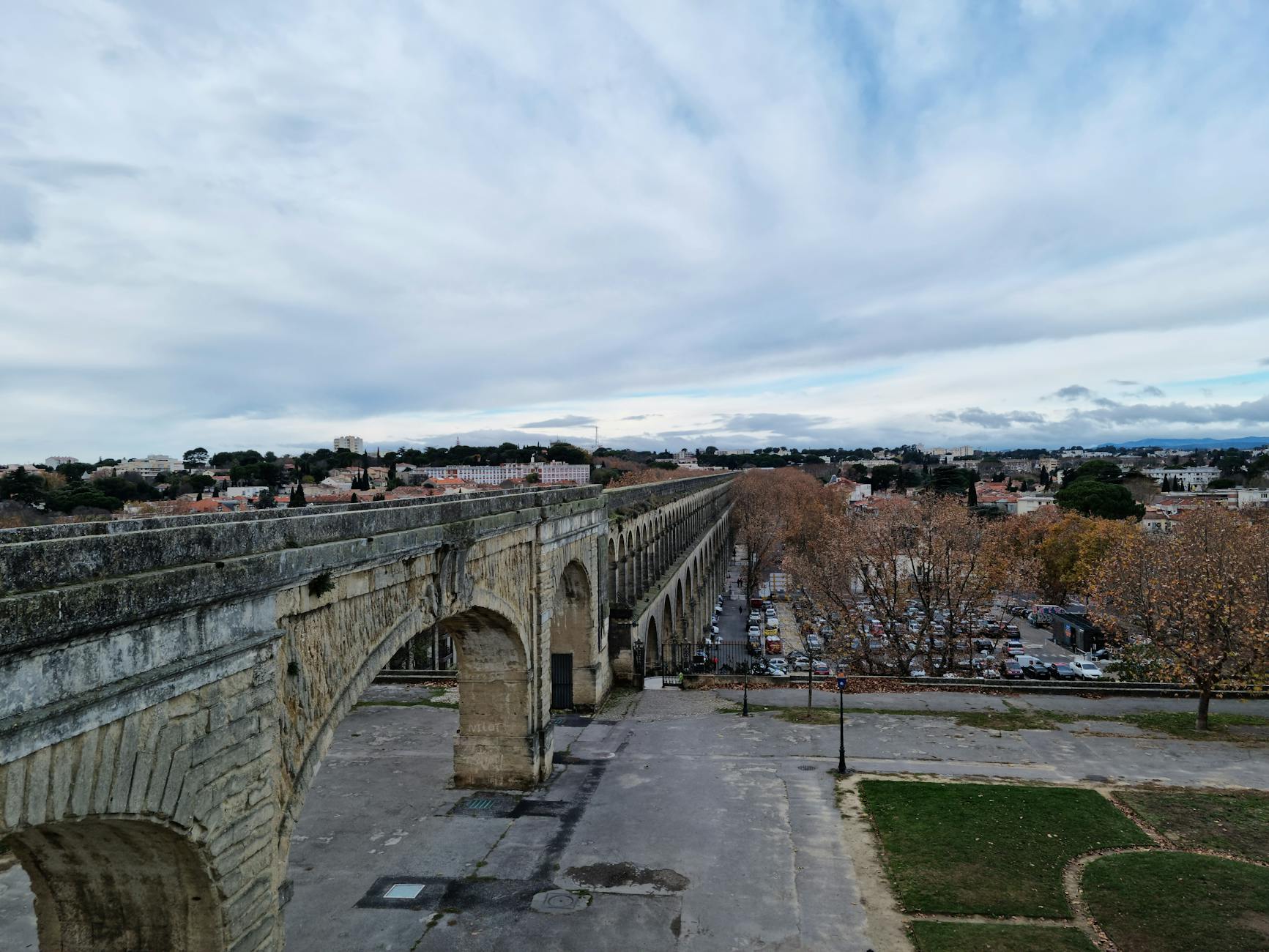
Cream-coloured limestone catches the southern glare the moment you step off at Place de la Comédie. This is an ancient university town that refused to calcify, trading cars for blue trams and filling medieval alleyways with students, fierce coffee counters, and late-night wine bars. The Faculty of Medicine has taught anatomy since the twelfth century, but out on the cobbles of the Écusson, life moves to the clatter of café saucers and glasses of cold Pic Saint-Loup.
Last updated 28 Aug 2026
Build a Montpellier itinerary.
Choose up to 4 threads that pull you in. Your plan arrives organised around them.
The Bed
Where to stay in Montpellier
Which part of town to book, and what each one costs you in walking, noise or quiet.
The Comparison
Montpellier, or somewhere near it
The places you are realistically choosing between, and the honest case for each.
The Local Record
Where to read more about Montpellier
The blogs, boards, guides and operators worth bookmarking.
What to do in Montpellier Occitanie France
Montpellier unfolds on foot across the compact medieval core of the Écusson, where shaded limestone squares give way to grand seventeenth-century mansions and lively student bistros. The rhythm here revolves around long morning walks, lazy terrace lunches, and evening wine beside fountain-filled plazas like Place de la Canourgue. It suits independent travellers who love walkable culture, unpretentious dining, and fast tram connections to the coast.
24 hours in Montpellier Occitanie France
Start at the Peyrou aqueduct at nine, wander the narrow sweep of Rue de l'Aiguillerie, and grab lunch at Halles Castellane. Spend your afternoon admiring Courbet at the Musée Fabre, then finish with a glass of Pic Saint-Loup and brandade de morue around Place Saint-Roch. Everything sits within a fifteen-minute stroll. Select 1 Day above to see it.
2 days in Montpellier Occitanie France
A second day invites a contrast. Walk east through the neoclassical arches of Antigone down to the Lez river, then hop on tram line 3 toward Palavas-les-Flots to eat grilled sea bream by the Mediterranean shore. Return to the city for a quiet evening dinner in the Beaux-Arts quarter. Choose 2 Days to expand the plan.
3 days in Montpellier Occitanie France
With three days, venture beyond the urban grid. Catch an early train to the fishing port of Sète for Thau lagoon oysters and canal-side walks, or rent a car to hike Pic Saint-Loup before tasting wine at village domaines in Saint-Mathieu-de-Tréviers. It rounds out the Languedoc tempo.
Montpellier Occitanie France itineraries by interest
Historic Quarters in Montpellier Occitanie France
Navigate the car-free Écusson, passing private sixteenth-century courtyards, Saint-Pierre Cathedral, and the grand promenade of the Peyrou.
Wine & Vineyards in Montpellier Occitanie France
Taste Syrah and Grenache blends from the limestone foothills of Pic Saint-Loup and crisp Picpoul de Pinet poured in Rue du Bras de Fer cellars.
Markets & Produce in Montpellier Occitanie France
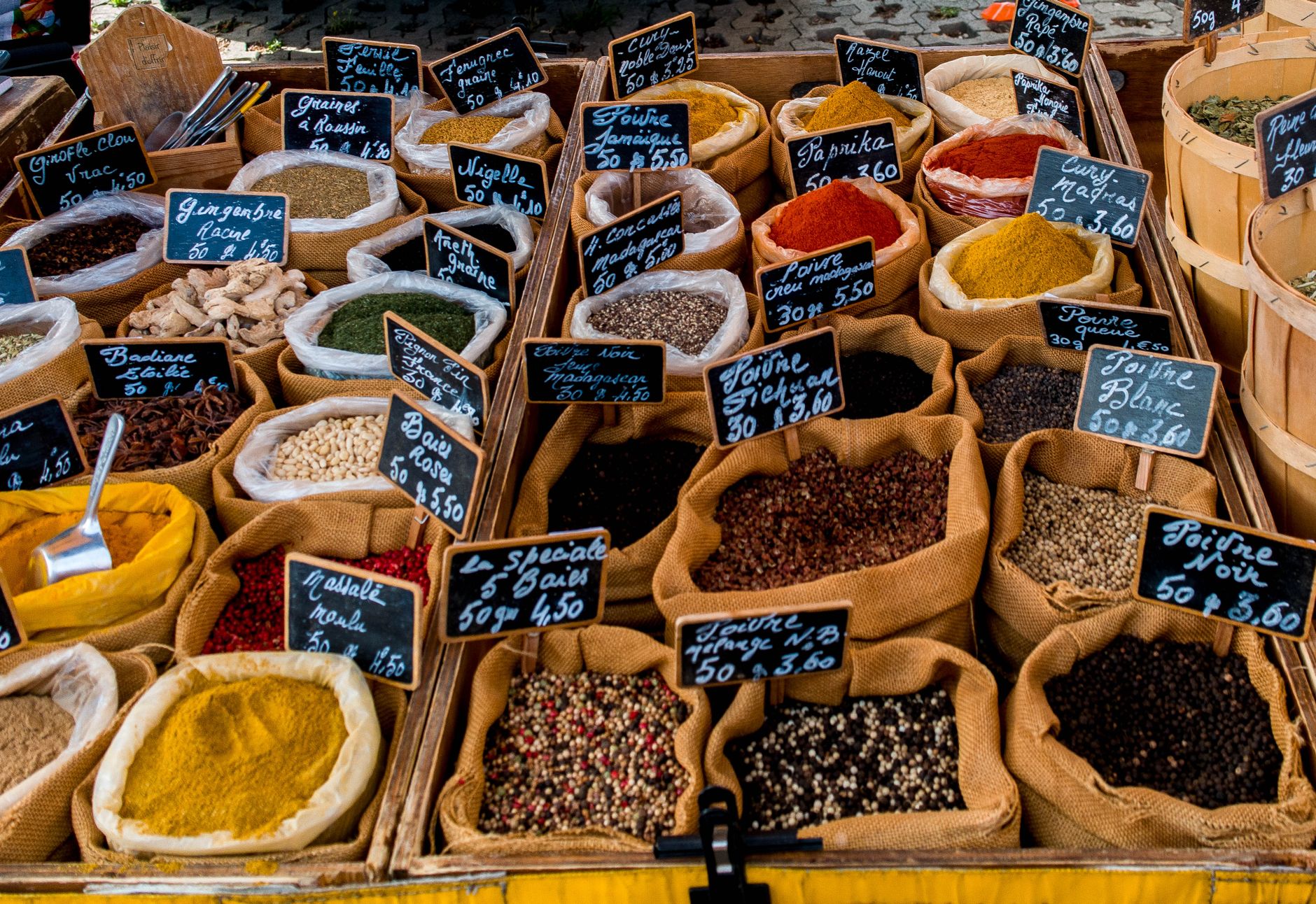
Graze Halles Castellane and Halles Laissac for Pélardon goat cheese, Lucques olives, and fresh focaccia from local market stalls.
Local Seafood in Montpellier Occitanie France
Order Thau lagoon oysters, stuffed squid, and brandade de morue at the neighbourhood bistros lining the edge of Sainte-Anne.
Modern Architecture in Montpellier Occitanie France
Walk through Ricardo Bofill's neo-classical Antigone district down to Zaha Hadid’s Pierresvives library and the Arbre Blanc tower.
Fine Arts in Montpellier Occitanie France
Spend two quiet morning hours in the Musée Fabre studying masterworks by Delacroix, Courbet, and the dark canvases of Pierre Soulages.
Sacred Architecture in Montpellier Occitanie France
Stand beneath the fortress-like twin conical pillars of Cathédrale Saint-Pierre, built in 1364 beside the historic medical school.
Botanical Gardens in Montpellier Occitanie France
Wander the Jardin des Plantes, France’s oldest botanical collection founded in 1593 by Henri IV, shaded by ancient ginkgo trees.
Coastal Escapes in Montpellier Occitanie France
Board the number 3 tram to Pérols and cycle to Carnon or Palavas-les-Flots for wild beaches and pink flamingos in the lagoons.
Street Life in Montpellier Occitanie France
Claim a terrace table at Place Saint-Roch to watch backgammon games, dogs on cobblestones, and the afternoon aperitif rush unfold.
Pastries & Sweets in Montpellier Occitanie France
Pick up Grisettes de Montpellier flavoured with honey and liquorice, or tender apricot tarts from bakeries along Rue de l'Ancien Courrier.
Day Trips in Montpellier Occitanie France
Take a thirty-minute regional train to Sète for harbour canals and seafood, or head north to climb the sheer limestone peak of Pic Saint-Loup.