.jpg)


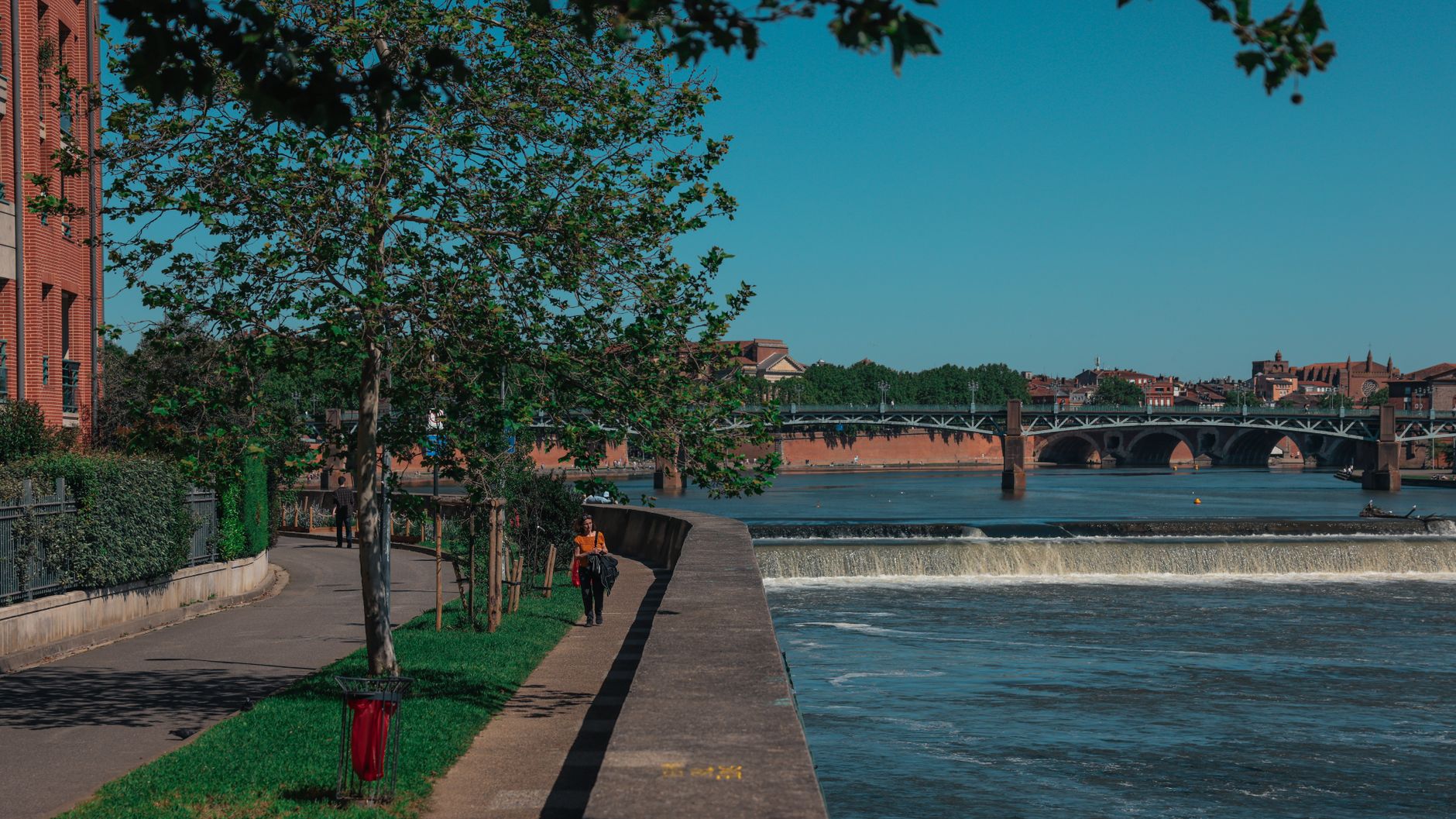
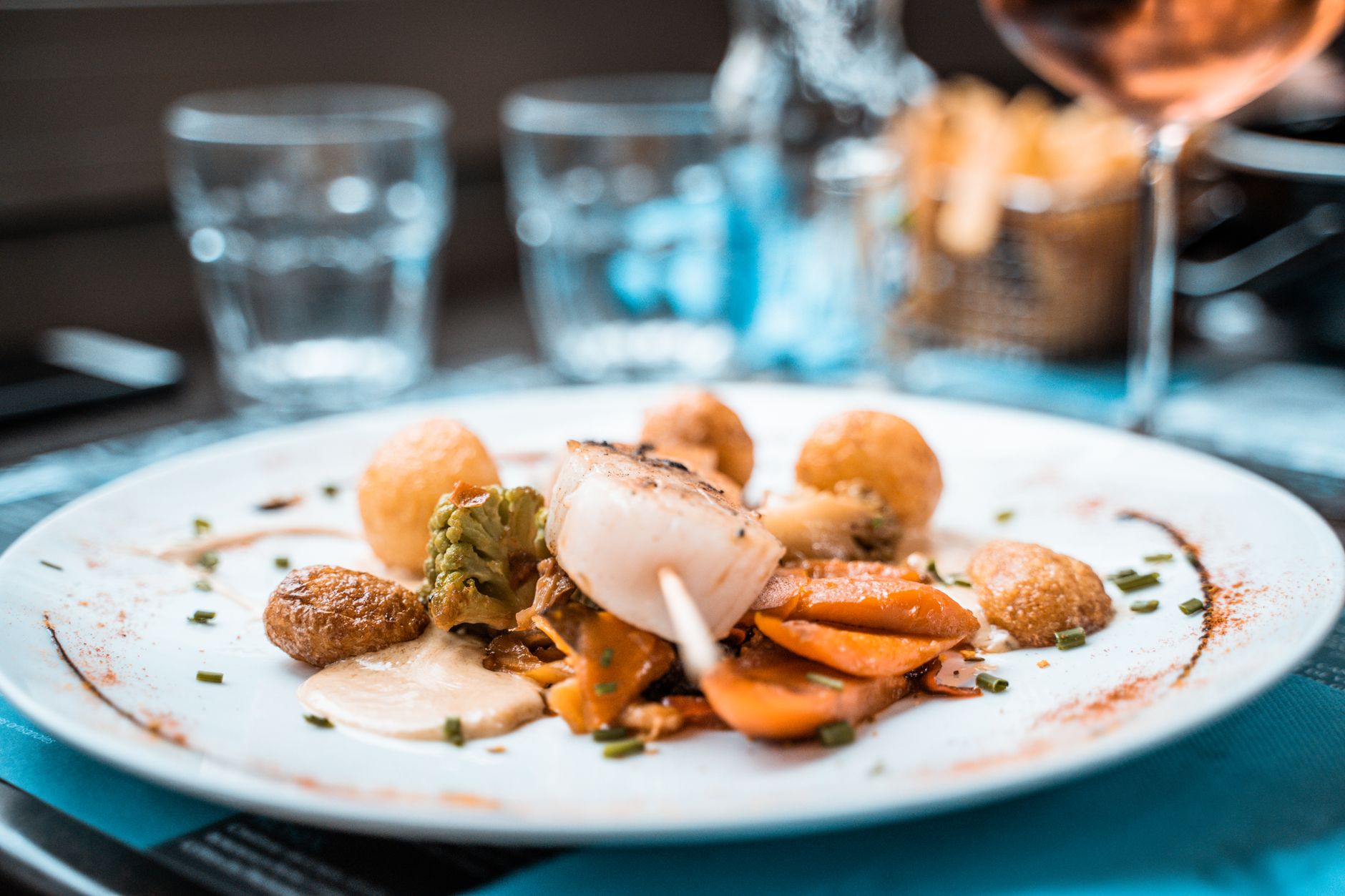
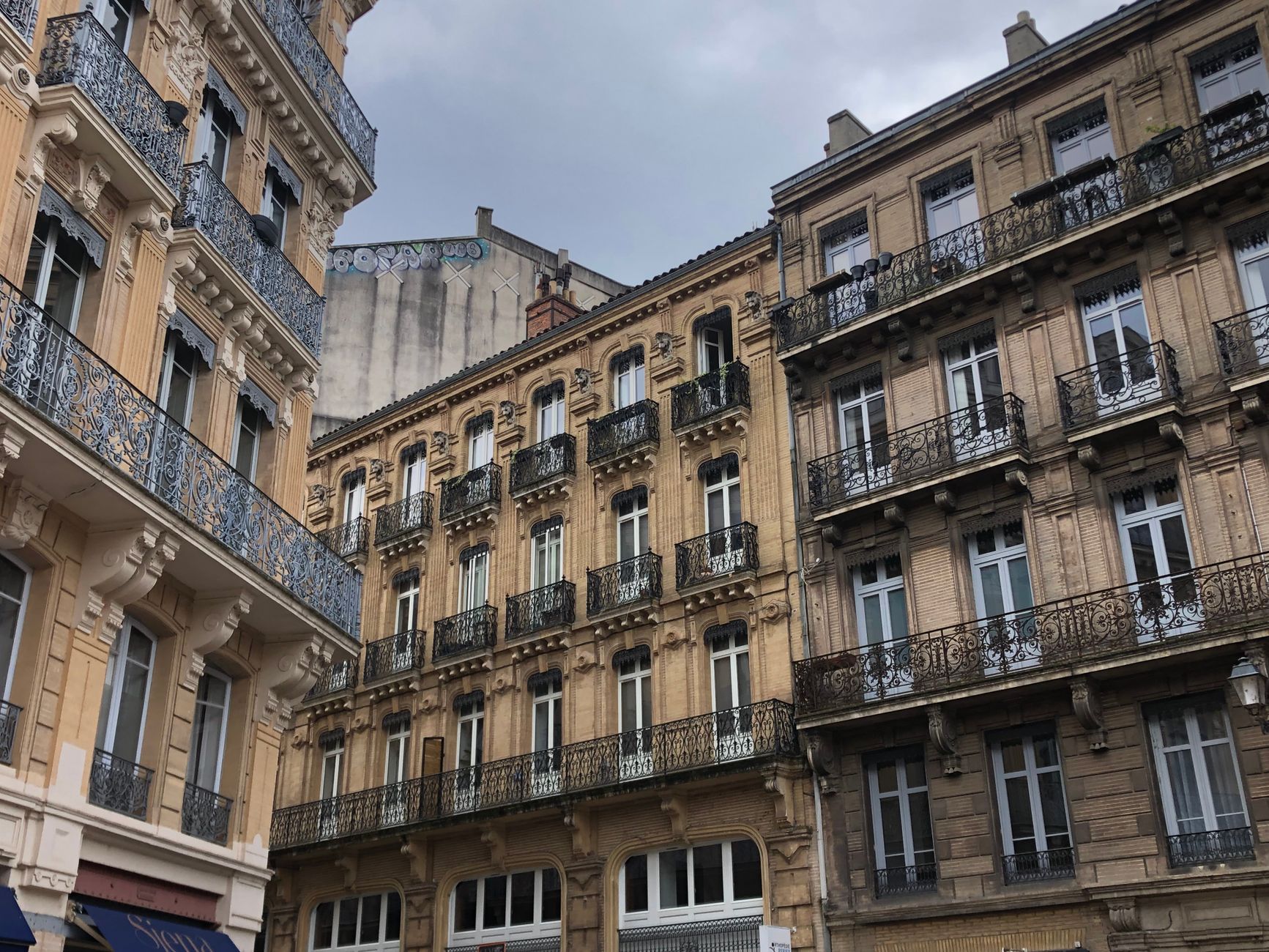
Pink Roman-style brick gives the city its terracotta glow, shifting from soft rose at dawn to baked orange by late afternoon. The Garonne curves wide and brisk past the Pont Neuf, while cyclists and students fill the quays. You walk everywhere here, guided by the grand Romanesque spine of the Basilique Saint-Sernin and the aroma of simmering duck fat around Place Saint-Georges. It feels confident, busy, and remarkably grounded in good cooking.
Last updated 28 Aug 2026
Build a Toulouse itinerary.
Choose up to 4 threads that pull you in. Your plan arrives organised around them.
The Bed
Where to stay in Toulouse
Which part of town to book, and what each one costs you in walking, noise or quiet.
The Comparison
Toulouse, or somewhere near it
The places you are realistically choosing between, and the honest case for each.
The Local Record
Where to read more about Toulouse
The blogs, boards, guides and operators worth bookmarking.
What to do in Toulouse Occitanie France
Life here revolves around the wide curve of the Garonne, sprawling markets, and relaxed terrace dining across the old centre. The city is flat and walkable, framed by warm pink brick courtyards and grand squares. It suits travellers who enjoy unpretentious southwestern French cooking, medieval cloisters, and an easygoing pace where lunch is taken seriously and the evenings stretch lazily along the riverbanks.
24 hours in Toulouse Occitanie France
Start at Marché Victor Hugo for morning coffee and charcuterie, then walk five minutes north to the brick nave of Saint-Sernin. Cross Place du Capitole for an afternoon cassoulet lunch. Finish with a golden-hour stroll across Pont Neuf down to Place de la Daurade, where the whole town gathers to watch the river turn amber. Select 1 Day above to see it.
2 days in Toulouse Occitanie France
Cross to Saint-Cyprien to browse contemporary installations at Les Abattoirs. Follow the shady plane trees down Canal de Brienne, then duck into the Renaissance courtyards of Hôtel d'Assézat. End your night at a bistro along Rue des Filatiers, drinking peppery Fronton red beside grilled duck breast. Choose 2 Days to expand the plan.
3 days in Toulouse Occitanie France
Catch the morning regional train 45 minutes to Albi to wander the immense red-brick fortress cathedral and the Toulouse-Lautrec Museum. Return to the city for a slower final morning touring the aerospace hangars at Aeroscopia or cycling along the quiet, canal-side towpaths towards Port de l'Embouchure.
Toulouse Occitanie France itineraries by interest
Regional Cooking in Toulouse Occitanie France
Order hearty cassoulet with Tarbais beans, confit de canard, and Toulouse sausage in brick-lined dining rooms near Place du Capitole.
Sacred Architecture in Toulouse Occitanie France
Inspect the cavernous Romanesque nave at Basilique Saint-Sernin and the striking double-columned palm tree vault inside the Jacobins Convent.
Markets & Produce in Toulouse Occitanie France
Weave between cheese mongers and charcutiers on the ground floor of Marché Victor Hugo before heading upstairs for a casual butcher-run lunch.
Riverfront & Canals in Toulouse Occitanie France
Walk the plane-tree towpaths of Canal du Midi or linger along the Daurade quays as rowers cut across the wide bend of the Garonne.
Fine Arts in Toulouse Occitanie France
Explore Roman busts and medieval stone carvings displayed inside the fourteenth-century Augustins cloister on Rue de Metz.
Aviation & Science in Toulouse Occitanie France
Tour Concorde and the massive A380 assembly floor at Aeroscopia, or stand beneath full-scale Ariane rockets at Cité de l'Espace.
Historic Mansions in Toulouse Occitanie France
Track the Renaissance woad-dye wealth through the grand stone courtyards of Hôtel d'Assézat and Hôtel de Bernuy.
Modern Art in Toulouse Occitanie France
Cross the river to Les Abattoirs, where contemporary galleries and Picasso's stage curtain fill a former nineteenth-century slaughterhouse.
Wine & Vineyards in Toulouse Occitanie France
Taste local Fronton reds made from the peppery Négrette grape and crisp Gaillac whites in neighbourhood wine bars around Place de la Trinité.
Day Trips in Toulouse Occitanie France
Ride the train 45 minutes northeast to Albi for the red-brick Sainte-Cécile cathedral and the world's largest Toulouse-Lautrec collection.
Café Culture in Toulouse Occitanie France
Sip espresso beneath the arcades of Place du Capitole or grab an outdoor table on Place Saint-Étienne as the evening cooling sets in.
Craft Traditions in Toulouse Occitanie France
Discover pastel woad dye workshops in Saint-Cyprien and confectioners selling candied violet petals near Rue du Taur.