Nan.


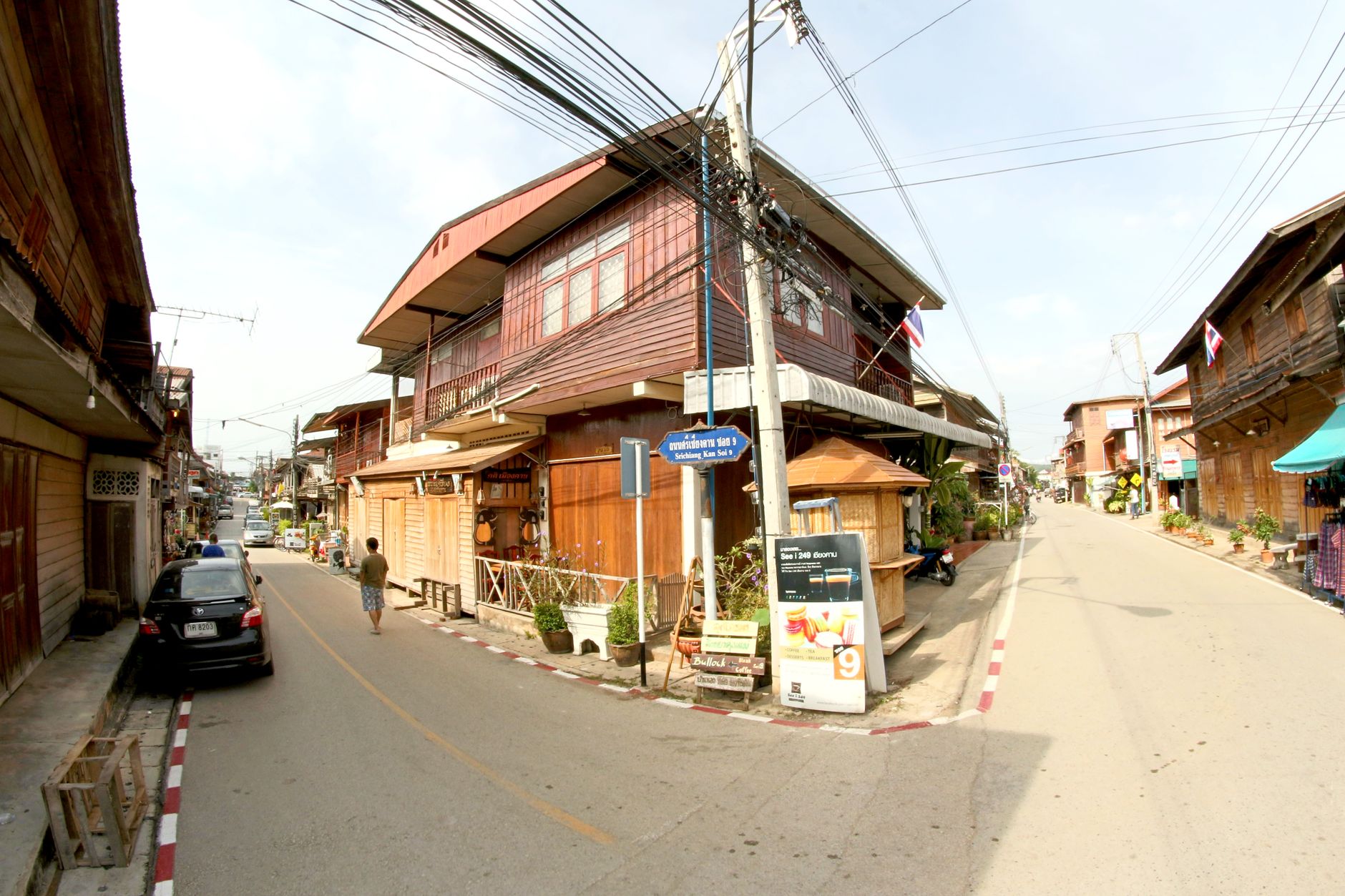
Nan sits along the Nan River, an hour's flight north of Bangkok or five hours east of Chiang Mai by road. The provincial capital is known for its intact Lan Na and Tai Lue teak architecture, distinctive mural art at Wat Phumin, and rich northern food markets. Nan is worth visiting if you want unhurried temple courtyards, quiet rural cycling, and complex regional curries. Look elsewhere if you want late-night clubbing, English-language tourist infrastructure, or coastal beaches.
Last updated 29 Oct 2026
Build a Nan itinerary.
Choose up to 4 threads that pull you in. Your plan arrives organised around them.
The Bed
Where to stay in Nan
Which part of town to book, and what each one costs you in walking, noise or quiet.
The Comparison
Nan, or somewhere near it
The places you are realistically choosing between, and the honest case for each.
The Local Record
Where to read more about Nan
The blogs, boards, guides and operators worth bookmarking.
What to do in Nan Nan Province Thailand
Nan runs at bicycle speed. Days naturally center around the old town's quiet lanes, where 19th-century temple murals and timber shopfronts sit alongside open-air soup shops. You spend mornings inspecting Tai Lue architecture at Wat Phumin, afternoons lingering over iced filter coffee by the river, and evenings grazing on sai ua sausage at the night market. It rewards independent travellers who prefer quiet exploration to hectic resort pacing.
24 hours in Nan Nan Province Thailand
Start early at Talat Chao market over hot soy milk and fried dough sticks. Walk across to Wat Phumin before tour buses arrive to view the murals. For lunch, order khao soi at Khao Soi Ton Nam. Spend the afternoon in the shade of the Nan National Museum's frangipani grove, then catch the evening street market outside Wat Phra That Chang Kham. Select 1 Day above to see it.
2 days in Nan Nan Province Thailand
Rent a scooter and head north on Highway 101 toward Pua. Stop at Ban Nong Bua to watch Tai Lue women weave patterned cotton textiles and admire their village temple's folk frescoes. Eat roasted river fish and som tum by the stream at a bamboo pavilion, then return for a late bowl of bua loy at Pa Min in town. Choose 2 Days to expand the plan.
3 days in Nan Nan Province Thailand
Take Route 1081 over the sweeping mountain pass to Bo Kluea. Here, villagers still boil brine drawn from ancient salt wells over wood fires. Continue through Doi Phu Kha National Park for sweeping valley views and cooler mountain air, stopping for locally grown coffee at hill-tribe roadside stalls along the descent.
Nan Nan Province Thailand itineraries by interest
Sacred Architecture in Nan Nan Province Thailand
Study the 19th-century 'Whispering Lovers' mural at Wat Phumin, then cross the road to Wat Phra That Chang Kham and its elephant-supported stupa.
Street Food in Nan Nan Province Thailand
Slurp yellow-curry khao soi gai with pickled mustard greens and roasted chili paste at Khao Soi Ton Nam beside the old city hall.
Local Markets in Nan Nan Province Thailand
Browse fresh galangal, fermented pork, and grilled sai ua sausages at Thanom Kitchen and the bustling Talat Chao morning market.
Craft Traditions in Nan Nan Province Thailand
Watch Tai Lue weavers throw hand shuttles on traditional floor looms in Ban Nong Bua to produce intricate cotton sinh skirts.
Regional History in Nan Nan Province Thailand
Walk through the 1903 teak palace of the last lords of Nan at the Nan National Museum, framed by its famous frangipani tunnel.
Day Trips in Nan Nan Province Thailand
Drive Highway 1081 over the ridge to Bo Kluea to inspect the ancient mountain saltwater wells and watch brine boiled down in iron cauldrons.
Coffee Culture in Nan Nan Province Thailand
Sip slow-drip Robusta and Arabica sourced from Doi Phu Kha growers at riverside timber houses along the quiet Nan River promenade.
Hiking in Nan Nan Province Thailand
Trek the trails of Doi Phu Kha National Park among limestone peaks and rare Chompoo Phu Kha pink blossoms blooming in late winter.
Riverside Walks in Nan Nan Province Thailand
Rent a city bicycle to pedal the flat, quiet embankment path along the Nan River as evening dragon-boat crews practice on the water.
Scenic Drives in Nan Nan Province Thailand
Motorbike the winding asphalt of Route 1081 across high mountain passes, running past terraced rice paddies toward Pua and Bo Kluea.
Rural Life in Nan Nan Province Thailand
Watch morning mist clear over green paddy fields in Pua district while sipping pour-over coffee from wooden stilt shacks.
Sweet Traditions in Nan Nan Province Thailand
Sit on low plastic stools at Pa Min sweet shop for warm bua loy eggs in coconut milk and crushed-ice coconut desserts after dark.