Nantes.

_mars_2023.JPG)

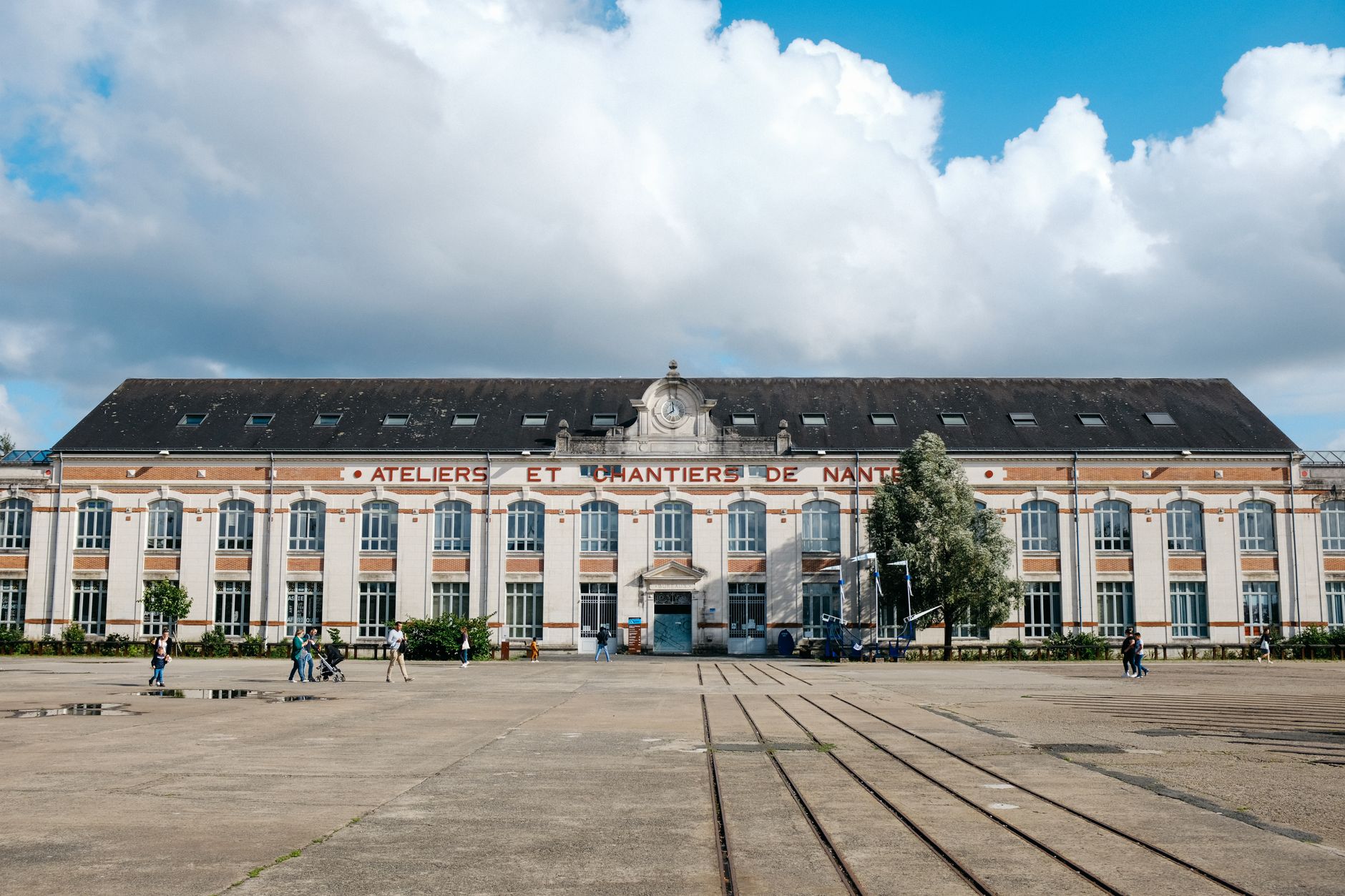

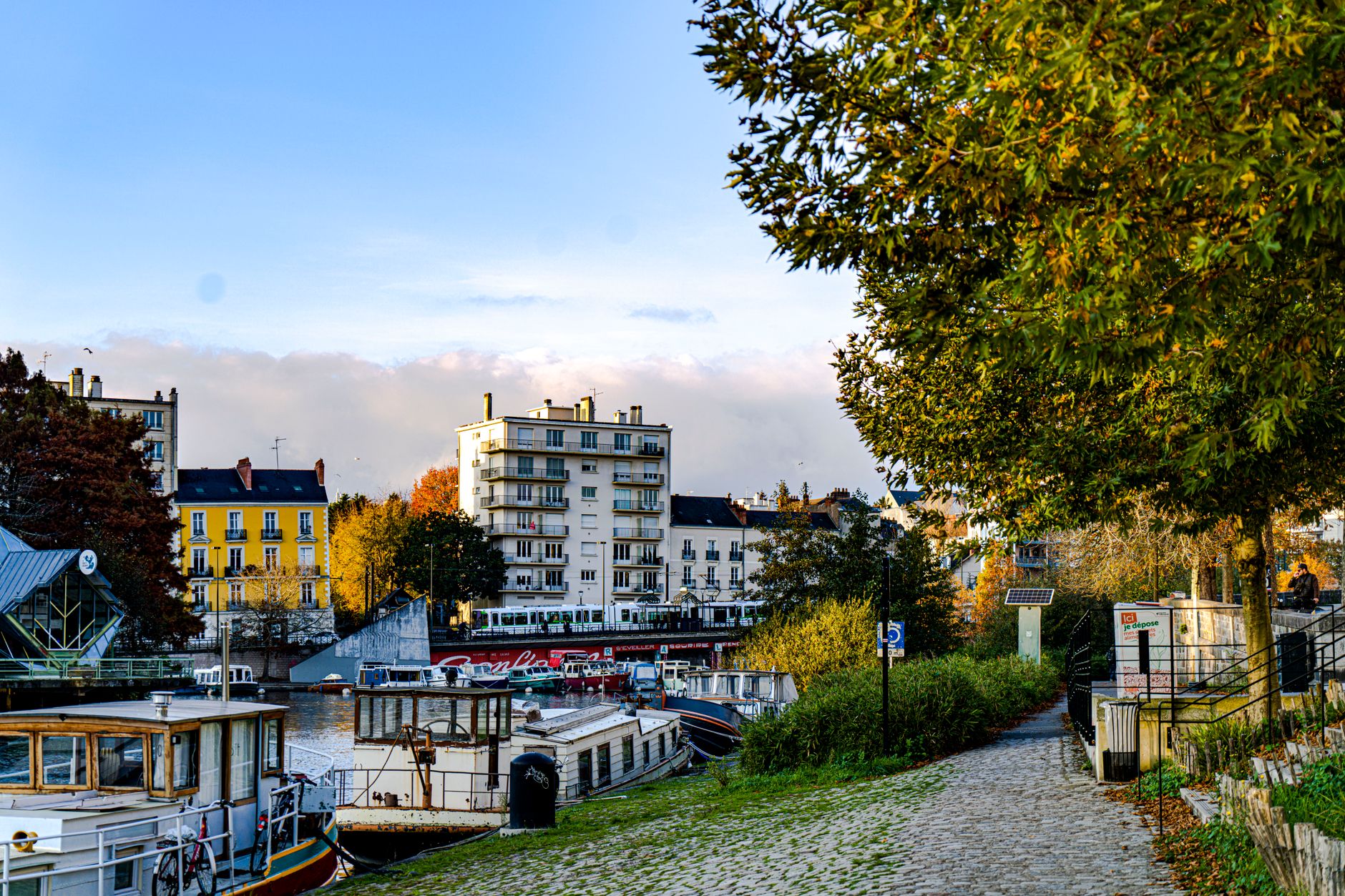
Nantes sits two hours west of Paris via direct TGV, anchoring the Loire estuary where river meets tidal ocean. It is known for transforming nineteenth-century dockyards into kinetic sculpture and for its ducal fortress. Nantes is worth visiting if you want dry Muscadet alongside Atlantic oysters, monumental steampunk engineering, and calm cycling along river quays. Look elsewhere if you want warm sea swimming, dry Mediterranean weather, or a quiet medieval village untouched by modern tram lines.
Last updated 2 Oct 2026
Build a Nantes itinerary.
Choose up to 4 threads that pull you in. Your plan arrives organised around them.
The Bed
Where to stay in Nantes
Which part of town to book, and what each one costs you in walking, noise or quiet.
The Comparison
Nantes, or somewhere near it
The places you are realistically choosing between, and the honest case for each.
The Local Record
Where to read more about Nantes
The blogs, boards, guides and operators worth bookmarking.
What to do in Nantes Pays de la Loire France
The city spreads outward from the confluence of the Erdre and the Loire, split neatly between historic stone quarters and redeveloped docklands. Your day moves from morning oyster stalls to shaded walks through botanical glasshouses, anchored by reliable tramways and clear pavement trails. It suits urban walkers who enjoy Atlantic breezes, brisk white wine, and sharp industrial design rather than slow resort idling.
24 hours in Nantes Pays de la Loire France
Start with espresso and Gâteau Nantais near Place du Bouffay, then walk the ramparts at the Château des Ducs. Cross the Loire by foot to ride the mechanical elephant by early afternoon. End with pike-perch in beurre blanc under the nineteenth-century gilded mirrors at La Cigale on Place Graslin. Select 1 Day above to see it.
2 days in Nantes Pays de la Loire France
A second day lets you follow the River Erdre north by bicycle to the Japanese garden on Île de Versailles. Spend your afternoon browsing the glass-domed Passage Pommeraye and the Musée d'Arts, followed by crêpes with dry cider in the quiet lanes of the old port district. Choose 2 Days to expand the plan.
3 days in Nantes Pays de la Loire France
With three days, catch the morning train south to Clisson to walk among Tuscan-style brick villas and medieval castle ruins, or ride west toward the salt marshes of Guérande. Return for evening cellar tastings of sur lie Muscadet poured directly from the vats in nearby Vallet.
Nantes Pays de la Loire France itineraries by interest
Mechanical Arts in Nantes Pays de la Loire France
Ride the grand cedar-and-steel elephant at Les Machines de l'Île, built inside the former Loire shipyards on Île de Nantes.
Castles & Forts in Nantes Pays de la Loire France
Walk the fifteenth-century granite ramparts and moat gardens of the Château des Ducs de Bretagne right in the city centre.
Covered Markets in Nantes Pays de la Loire France
Order freshly shucked oysters and salt-crust butter at Marché de Talensac, open daily except Monday since the 1930s.
Regional Wine in Nantes Pays de la Loire France
Taste bone-dry Melon de Bourgogne wines aged on lees in the nearby vineyards of the Muscadet Sèvre et Maine appellation.
Modern Art in Nantes Pays de la Loire France
Follow the green line painted on the pavement to spot public open-air installations curated for the Voyage à Nantes trail.
Maritime History in Nantes Pays de la Loire France
Explore the transatlantic merchant past and nineteenth-century naval trade exhibits inside the Nantes History Museum.
Pastries & Sweets in Nantes Pays de la Loire France
Sample Gâteau Nantais spiced with West Indies rum and almonds, or buttery kouign-amann from bakeries on Rue Crébillon.
Botanical Gardens in Nantes Pays de la Loire France
Stroll the seven-hectare Jardin des Plantes to see two-century-old magnolias, palm glasshouses, and landscaped ponds.
Neighbourhood Walks in Nantes Pays de la Loire France
Wander the timber-framed alleys of medieval Bouffay before crossing through the neo-classical, glass-roofed Passage Pommeraye.
Riverside Paths in Nantes Pays de la Loire France
Rent a city bike to ride the paved paths along the River Erdre past stone manors and sculling clubs up to Île de Versailles.
Seafood Dining in Nantes Pays de la Loire France
Eat line-caught Loire pike-perch in beurre blanc sauce and cold Langoustines at brasseries around Place Graslin.
Day Trips in Nantes Pays de la Loire France
Take a thirty-minute regional train to Clisson for Italianate brick architecture and castle ruins above the Sèvre Nantaise.