
.jpg)
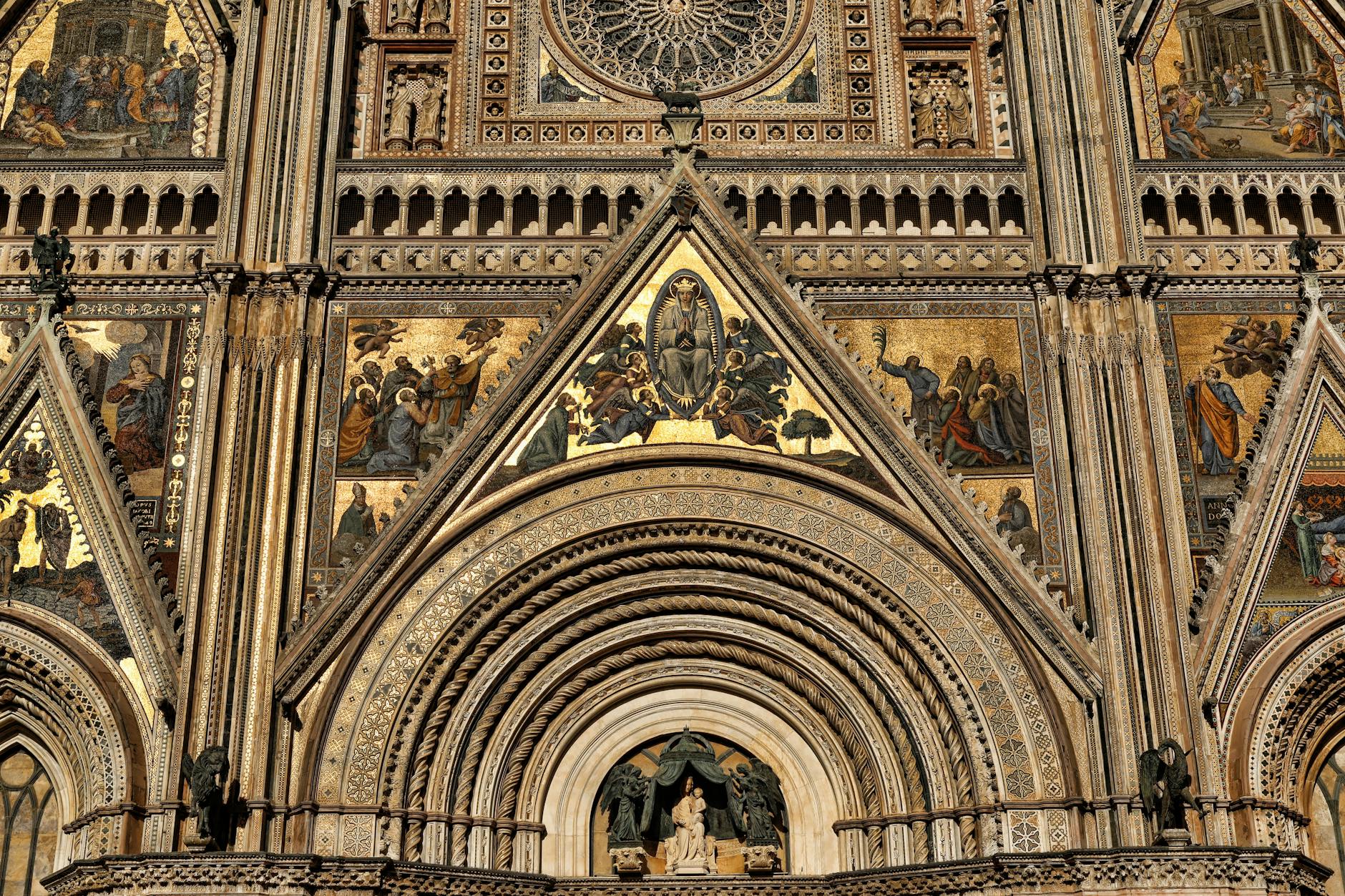

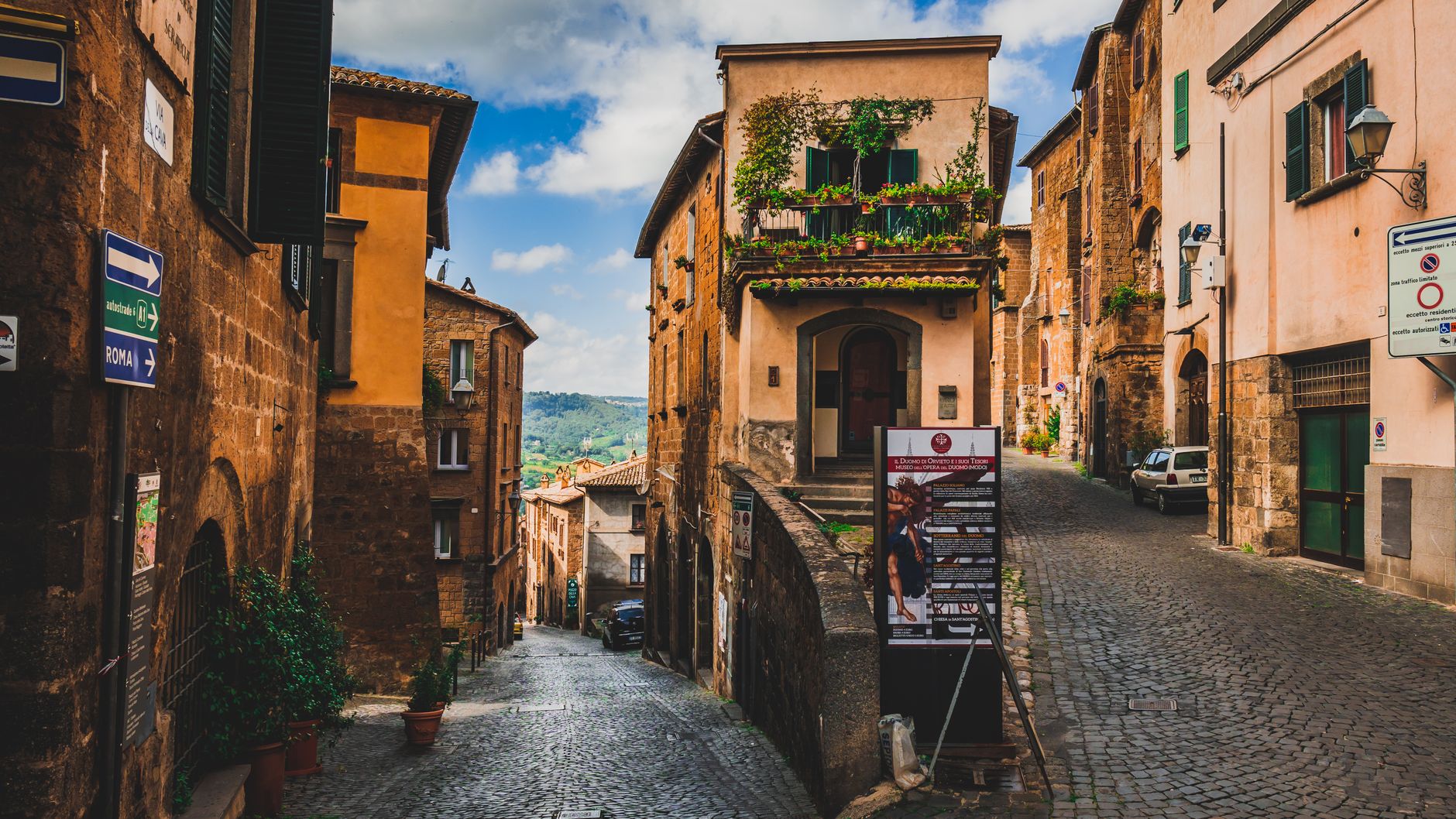

The volcanic tufa cliff rises sheer out of the Paglia valley, looking less like a town site and more like a defensive dare. Take the funicular up from the rail station, and you step onto calm volcanic stone. Down below, thousands of years of Etruscans and cellar-diggers hollowed the rock into cellars, pigeon roosts, and olive presses. Above ground sits the Duomo, banded in dark basalt and pale travertine, glaring at the morning sun. It is compact, walkable, and built for slow lunches.
Last updated 29 Aug 2026
Build a Orvieto itinerary.
Choose up to 4 threads that pull you in. Your plan arrives organised around them.
The Bed
Where to stay in Orvieto
Which part of town to book, and what each one costs you in walking, noise or quiet.
The Comparison
Orvieto, or somewhere near it
The places you are realistically choosing between, and the honest case for each.
The Local Record
Where to read more about Orvieto
The blogs, boards, guides and operators worth bookmarking.
What to do in Orvieto Umbria Italy
The town sits neatly on its plateau, with the main street, Corso Cavour, splitting the center from the funicular station to the medieval quarter. Days here naturally follow the sun: coffee by the cathedral, an underground cave walk before midday heat, and long afternoons over thick pasta and Grechetto wine. It suits travelers who value quiet evenings after the tour coaches depart, and who enjoy exploring on foot without needing a car.
24 hours in Orvieto Umbria Italy
Arrive by train, take the funicular up, and walk straight to the Duomo for the morning light on the mosaics. Descend the 248 steps of Pozzo di San Patrizio before lunch, then order umbrichelli with wild boar at a trattoria off Piazza del Popolo. Spend the evening in the medieval quarter with a cold carafe of white. Select 1 Day above to see it.
2 days in Orvieto Umbria Italy
A second day allows time for the Etruscan necropolis at the base of the rock and a leisurely tour of the underground caves. Spend your afternoon browsing the majolica pottery shops on Via dei Magoni. For dinner, book a table in the Quartiere Medievale for braised pigeon and aged pecorino. Choose 2 Days to expand the plan.
3 days in Orvieto Umbria Italy
With three days, head into the surrounding valley. Drive thirty minutes to the fading clay cliffs of Civita di Bagnoregio or visit local family wineries along the Strada dei Vini Etrusco Romana. Finish back up on the plateau with an aperitivo on Piazza della Repubblica as the town empties.
Orvieto Umbria Italy itineraries by interest
Sacred Architecture in Orvieto Umbria Italy
Marvel at the fourteenth-century striped facade of the Duomo and Luca Signorelli's vivid Last Judgment frescoes inside the San Brizio Chapel.
Wine & Vineyards in Orvieto Umbria Italy
Drink cold Orvieto Classico Superiore, leaning on the Grechetto and Procanico grapes, poured from carafes in cool tufa cellars.
Underground Sites in Orvieto Umbria Italy
Tour the subterranean network of over a thousand caves, from Etruscan cisterns to medieval olive presses carved deep into the rock.
Regional Pasta in Orvieto Umbria Italy
Order umbrichelli, the thick hand-rolled water-and-flour pasta, served al tartufo or tossed with a rich, slow-simmered wild boar ragù.
Cured Meats in Orvieto Umbria Italy
Stop at local norcinerie along Corso Cavour for aged salame di cinghiale, porchetta slices, and pecorino matured in volcanic tufa caves.
Ancient Engineering in Orvieto Umbria Italy
Descend the double-helix spiral staircases of Pozzo di San Patrizio, engineered by Antonio da Sangallo for sixteenth-century papal security.
Historic Quarters in Orvieto Umbria Italy
Wander the quiet medieval lanes of Quartiere Medievale down to San Giovenale, where stone arches overlook the western cliffs and valley.
Craft Traditions in Orvieto Umbria Italy
Browse artisan studios near Via del Duomo for traditional green and white majolica pottery, painted using patterns unchanged since the 1300s.
Archeology in Orvieto Umbria Italy
Study bronze vessels and painted pottery at Museo Faina before walking out to the Etruscan Necropolis of the Crucifix of the Tufa.
Panoramas & Fortresses in Orvieto Umbria Italy
Walk the stone ramparts of the Fortezza Albornoz, then climb Torre del Moro for expansive views stretching across the green Umbrian hills.
Slow Dining in Orvieto Umbria Italy
Linger over pigeon cooked in earthenware, known locally as palombaccia, served with bitter greens and a hearty glass of red Rosso Orvietano.
Day Trips in Orvieto Umbria Italy
Drive twenty minutes south to the surreal tufa settlement of Civita di Bagnoregio, reached solely by a high pedestrian footbridge.